
Tools
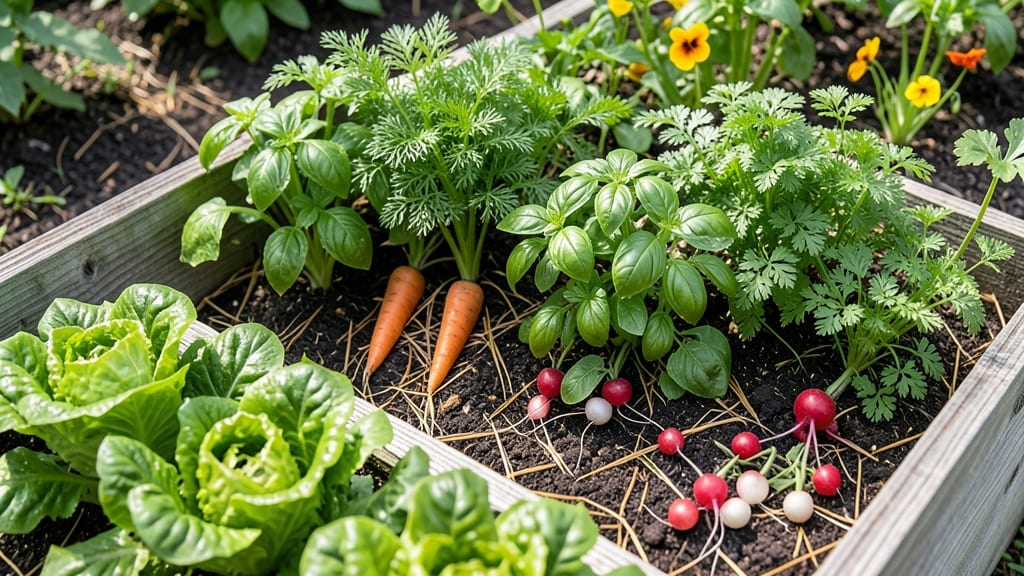
A raised bed potager garden transforms your yard into a lush, French-inspired kitchen garden where herbs, veggies, and flowers grow side by side in perfect harmony. 🌱 I’ve designed mine to yield fresh basil, crisp lettuce, and fragrant lavender—all within arm’s reach—while keeping weeds and pests at bay.
The key? A thoughtful layout that balances beauty with bounty, so every inch of space works harder for you.
Start with 4x8-foot beds (or smaller if space is tight) filled with 12 inches of rich, well-draining soil—a mix of compost, coconut coir, and perlite keeps roots happy year-round.
Plant sturdy veggies like tomatoes and peppers along the edges for easy harvesting, while delicate herbs like parsley and chives thrive in the center. Add edible flowers like nasturtiums for color and pest control, and you’ve got a garden that’s as pretty as it is productive.
By mid-summer, you’ll be snipping fresh thyme for soups, plucking ripe cherry tomatoes, and arranging bouquets of edible blooms—all while watching your neighbors’ green thumbs wish they’d tried this layout first.
The best part? No bending, no weeding nightmares, just a low-maintenance plot that delivers fresh flavors straight from your backyard.
Whether you’re a city dweller with a balcony or a rural gardener with acres, this design scales to fit. Pro tip: Use pathways of gravel or mulch to keep soil contained and make harvesting a breeze. Ready to turn your yard into a French-inspired feast? Let’s get planting!
📚 In This Guide
- What you need
- Instructions
- Tips and common mistakes
- Wrapping up and next steps
What you need
- ● Raised bed frame: Untreated cedar, redwood, or composite lumber (2x6 or 2x8 boards, 4–8 ft long). Pro tip: Aim for 4 ft wide x 8 ft long for easy reach.
- ○ Landscape fabric: 3–4 ft wider than your bed to block weeds (optional but recommended).
- ● Soil mix: 50% high-quality garden soil, 30% compost, and 20% perlite or vermiculite for drainage (about 1–2 cubic yards per 4x8 bed).
- ● Organic mulch: Straw, wood chips, or shredded leaves (2–3 inches deep).
- ● Basic tools: Garden trowel
- ● Pruners
- ● Wheelbarrow (for hauling soil)
- ● Measuring tape & level
- ● Drip irrigation kit or soaker hoses for efficient watering.
- ● Garden stakes & twine for trellising vining plants (e.g., beans, cucumbers).
- ● Compost thermometer to monitor soil health.
- ● Knee pads or stool for comfort during planting.
- ● French-style edging (e.g., metal or brick) to define paths.
Step-by-Step instructions for designing a French-style raised bed potager
Here's how to create a functional, beautiful potager that maximizes space and harvests year after year.
🪴 Step 1: Plan Your Raised Bed Layout and Dimensions
Design your bed to be 4 feet wide—this width lets you reach the center without stepping in, and it's the perfect scale for French-style gardening. For length, aim for 8 feet minimum to accommodate a full harvest cycle of vegetables and herbs. I always build mine with 12-inch high sides to prevent soil compaction and improve drainage.
Divide your bed into four 2x4-foot sections using untreated lumber or landscape fabric. This creates distinct growing zones for different plant families, which prevents cross-contamination of pests and diseases. Label each section with stakes to track rotations—this is key for maintaining healthy soil over multiple seasons.
🌱 Step 2: Layer and Fill the Bed with the Right Soil Mix
Start with a 4-inch layer of coarse gravel at the bottom for drainage—this prevents waterlogging, especially in clay-heavy soils. Next, add 6 inches of aged compost to provide organic matter and nutrients. I use a mix of equal parts topsoil, compost, and perlite to create a loose, well-aerated growing medium.
Fill the remaining space with your prepared mix, leaving 2 inches of headroom at the top. Water the soil thoroughly after filling to settle it and eliminate air pockets. The surface should feel moist but not soggy—like a wrung-out sponge. This ensures roots can penetrate easily when you plant.
☀️ Step 3: Organize Plants by Family and Growth Habits
In the first section, plant leafy greens like lettuce, spinach, and kale—these thrive in cooler weather and benefit from partial shade in summer. In the second section, dedicate space to alliums (onions, garlic, chives) and brassicas (kale, cabbage, broccoli). These plants share similar pest pressures, so grouping them simplifies care.
Use the third section for herbs like thyme, rosemary, and sage—these are perennial workhorses that return year after year. In the fourth section, plant heavy feeders like tomatoes, peppers, and eggplants. These plants need extra compost mixed into their planting holes to support their vigorous growth.
✂️ Step 4: Implement Companion Planting and Succession Strategies
Interplant fast-growing radishes with slower carrots—the radishes mark the rows and break up the soil for the carrots. Pair basil with tomatoes to deter pests naturally, and place marigolds at the edges to repel nematodes. I also add climbing beans along the sides to fix nitrogen in the soil and provide shade for delicate greens in summer.
Plan for succession planting by sowing bush beans every 3 weeks from early spring to mid-summer. This ensures a continuous harvest and prevents gaps in your potager’s productivity. Mark each planting date on a calendar to stay organized—this is how French potagers maintain abundance without waste.
💧 Step 5: Maintain Soil Health and Mulch for Year-Round Growth
After planting, apply a 2-inch layer of straw mulch around all plants to retain moisture, suppress weeds, and regulate soil temperature. Replenish the mulch every 4-6 weeks or after heavy rains. I also top-dress the bed with compost tea every 2 weeks during the growing season to feed the soil microbiome.
In fall, remove spent annuals and add a 4-inch layer of leaf mold or well-rotted compost to the bed. This prepares the soil for winter crops like kale, spinach, and garlic, which thrive in cooler temperatures. Cover the bed with row covers in late fall to protect tender plants from frost and extend the growing season.
Tips & tricks for perfect raised bed potager design
Creating a thriving French-style potager isn't just about planting—it's about designing a self-sustaining ecosystem that works with nature's rhythms.
Section Organization: The four-section layout in Step 1 isn't arbitrary—it's based on plant compatibility. Brassicas and alliums share similar pest vulnerabilities, so grouping them in the second section creates natural pest control. I've found that adding a fifth "problem solver" section for plants like nasturtiums (which deter pests) can further enhance this system. These plants act as natural barriers between sections.
Soil Science: When mixing your equal parts topsoil, compost, and perlite in Step 2, think about the texture like a well-dressed salad—you want balance. Too much compost can create anaerobic pockets, while too much perlite can dry out roots. I always do a quick "squeeze test" after mixing: if water runs through your fingers like a fine mist when you squeeze a handful, you've got the right balance. This ensures proper aeration for root development.
Plant Placement Pro Tip: In Step 3, when placing your heavy feeders in the fourth section, mix in an extra handful of worm castings with that compost. These plants are hungry, and worm castings provide a slow-release nutrient boost that mimics natural forest floor conditions. The worms also help break down organic matter, creating a self-fertilizing system over time. This is particularly important for tomatoes, which are notorious for depleting soil nutrients.
Succession Strategy: The 3-week succession planting window in Step 4 might seem tight, but it's designed to prevent gaps. I recommend creating a simple planting calendar using free online tools—just input your last frost date and the tool will generate a schedule. This takes the guesswork out of timing and ensures you're always harvesting something. For example, if you plant bush beans every 21 days starting in early May, you'll have a continuous supply until late July.
Pro Tips for Raised Bed Potager Garden
- Creating a thriving French-style potager isn't just about planting—it's about designing a self-sustaining ecosystem that works with nature's rhythms.
- Section Organization: The four-section layout in Step 1 isn't arbitrary—it's based on plant compatibility.
- Soil Science: When mixing your equal parts topsoil, compost, and perlite in Step 2, think about the texture like a well-dressed salad—you want balance.
Frequently asked questions
Got questions about your raised bed potager garden?
Here are some of the most common ones—and their practical answers—to help you grow with confidence!
What’s the best time of year to start a raised bed potager?
For year-round harvests, start in early spring (as soon as soil can be worked) or late summer (for fall/winter crops). In mild climates, you can plant cool-season greens (like kale or spinach) in fall too. Plan ahead: herbs like thyme and rosemary thrive when planted in spring!
Do I need to buy expensive soil for my raised bed?
Not at all! Mix two-thirds compost (homemade or store-bought) with one-third garden soil or coconut coir for drainage. Avoid cheap fill dirt—it’s often clay-heavy and compacts easily. Pro tip: Add a handful of worm castings for extra nutrients!
How do I protect my potager from pests without chemicals?
Use row covers for early-season pests, companion planting (e.g., basil near tomatoes), and handpicking (like squash bugs). For slugs, try copper tape or beer traps. Healthy soil = fewer pests! Rotate crops yearly to break pest cycles.
Can I reuse the same raised bed layout every year?
Nope! Rotate crops annually to prevent soil depletion and disease. Keep a simple planting map (e.g., tomatoes → beans → potatoes). Herbs like chives or oregano can stay in one spot, but veggies need fresh ground. Bonus: Add a layer of compost each season to refresh nutrients!
What are the easiest beginner-friendly crops for a potager?
Start with fast-growing, low-maintenance picks:
- Herbs: Basil, parsley, chives (cut-and-come-again!
- Veggies: Lettuce, radishes, bush beans, cherry tomatoes
- Alliums: Green onions, garlic (great for pest control!)
Wrapping up and next steps
A raised bed potager garden isn’t just a trend—it’s a delicious, sustainable, and rewarding way to grow your own food year-round! 🌱 Whether you’re a seasoned gardener or just starting, this French-inspired layout maximizes space, beauty, and harvests with minimal fuss.
The key? Planning your beds thoughtfully, choosing the right plants, and embracing the joy of fresh, homegrown flavors.
Now that you’re armed with the materials, tips, and answers to common questions, it’s time to roll up your sleeves!
Start small—even a single 4’x8’ bed can transform your space. Your next step? Sketch your design, gather your supplies, and let the magic of gardening unfold. Bon courage—you’ve got this! 🌿