
Landscaping
Transform your landscape with these 10 expertly designed shrub bed ideas that deliver year-round visual interest through strategic layering, color coordination, and seasonal transitions. Perfect for both novice gardeners and design enthusiasts seeking low-maintenance beauty.
Evergreen Foundation with Seasonal Accents
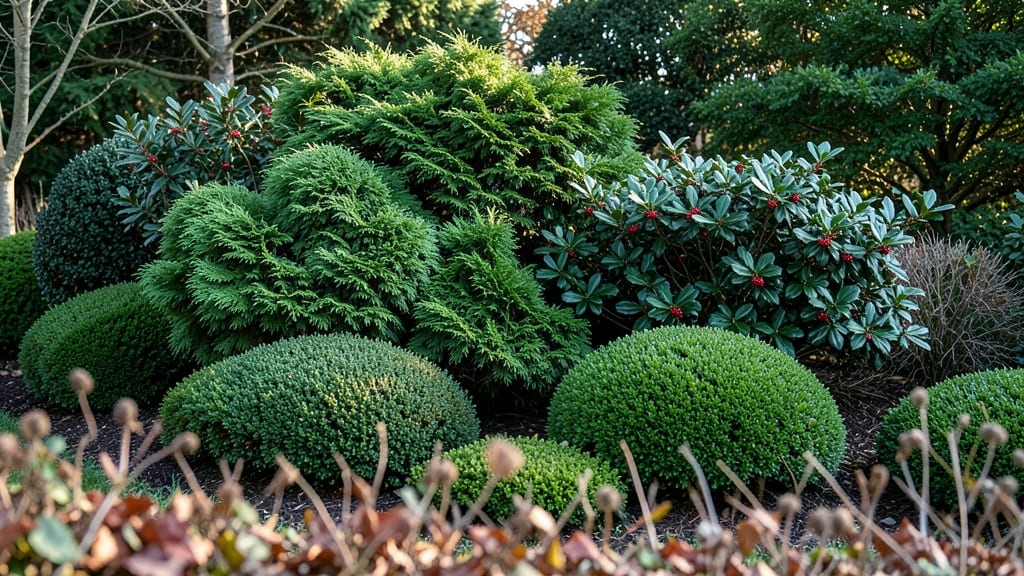
Tired of bare branches and winter brownouts in your garden? A evergreen foundation keeps your shrub bed lush and green even when other plants sleep through the cold months. This design uses hardy evergreens like boxwoods or holly as the backbone, ensuring year-round structure and color.
Layer in seasonal accents like spring-blooming azaleas, summer hydrangeas, and fall burning bushes to add pops of color without sacrificing winter interest. For northern climates, focus on plants like inkberry holly or dwarf yew, which thrive in cold and shade. Mulch with pine bark to retain moisture and suppress weeds while enhancing the evergreen aesthetic.
This approach is perfect for gardeners who want low-maintenance beauty with minimal seasonal changes. The evergreen base reduces winter chores, while the layered accents keep your garden dynamic all year. 🌿
Japanese-Inspired Layered Bonsai Shrubs
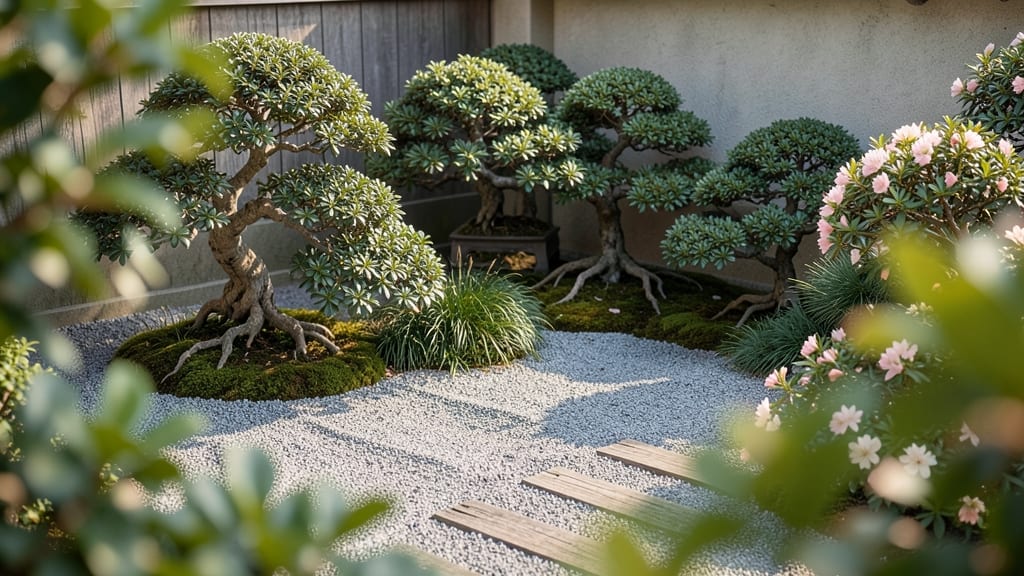
Bring the serenity of a Japanese garden to your landscape with dwarf bonsai-style shrubs that create depth without overwhelming space. This minimalist approach uses carefully selected Japanese pieris and dwarf rhododendrons, pruned to mimic the natural, windswept shapes of traditional bonsai—ideal for modern courtyards or small urban yards.
Start with a tallest-to-shortest arrangement: place Japanese holly (Ilex crenata) at the back (3-4 feet), followed by dwarf rhododendrons (2-3 feet), and finish with moss phlox or creeping thyme at the front for soft ground cover. Use raked gravel or fine bark mulch to enhance the Zen aesthetic, and prune lightly in late winter to maintain clean lines. These shrubs thrive in partial shade and well-drained soil, making them perfect for containers or tight corners.
This design is ideal for gardeners who love clean lines and natural textures but want to avoid high-maintenance upkeep. The muted tones of evergreen foliage and subtle blooms create a calming focal point that works year-round. 🌿
Seasonal Color Wheel Design
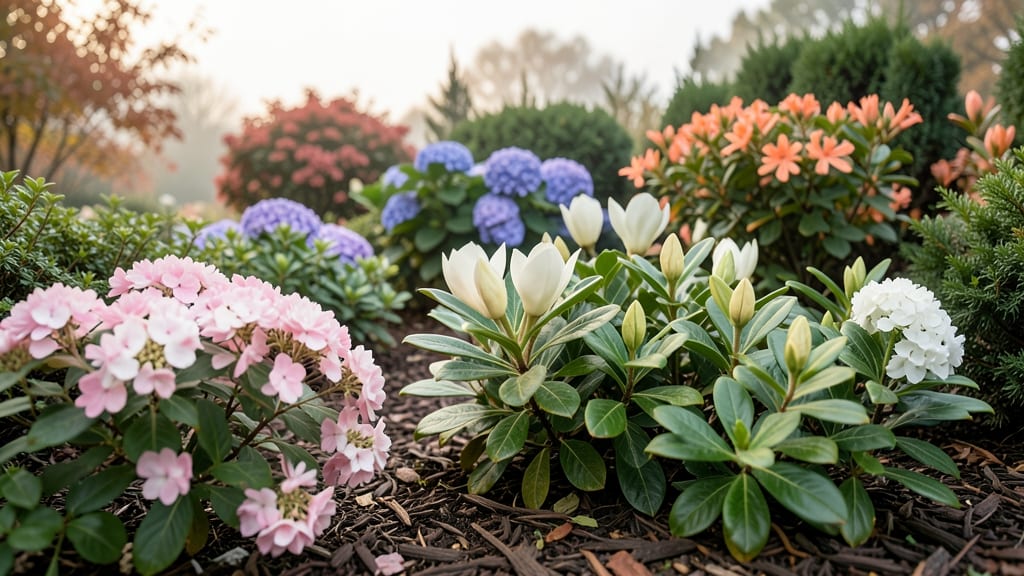
Tired of shrub beds that look dull after the first frost? A seasonal color wheel design keeps your garden vibrant from early spring to late fall by blending shrubs with staggered bloom times—no boring gaps in between!
Start with spring bloomers like viburnum or magnolia, followed by summer favorites such as hydrangeas and spirea, and cap it off with fall foliage stars like burning bush or sumac. Place taller shrubs at the back and shorter ones in front to create depth while ensuring each season gets its own star. This approach works especially well in partial sun to full sun beds.
Gardeners with busy schedules will love this design—it requires minimal pruning once established and delivers year-round color with almost no effort. Perfect for those who want beauty without the upkeep! 🌟
Textural Contrast Garden with Variegated Foliage
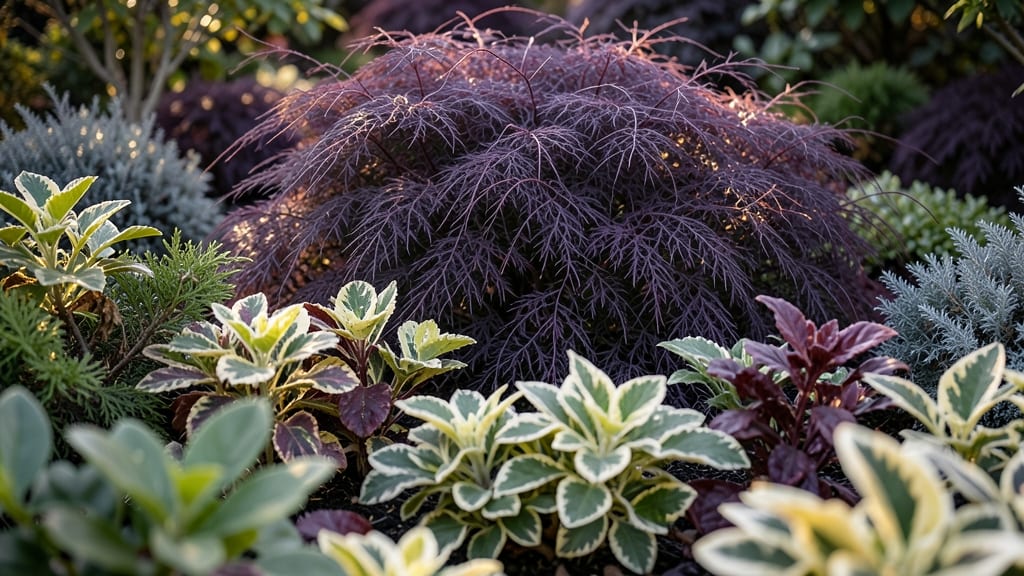
Want a shrub bed that stays stunning even when flowers fade? A textural contrast garden with variegated foliage delivers drama year-round by playing with leaf shapes, colors, and patterns—no blooms required.
Start with a bold foundation like purple smoke bush (Cotinus) for deep color, then layer in silvery-blue dwarf cotoneaster for contrast and golden variegated euonymus for shimmer. Mix in needle-like junipers or broad-leafed boxwoods to create visual tension. This combo works beautifully in modern landscapes where clean lines meet organic textures.
Perfect for urban gardeners or those who love minimalist aesthetics—this design thrives with moderate watering and minimal pruning, making it low-maintenance yet high-impact. 🌿
Wildlife-Friendly Pollinator Shrub Bed
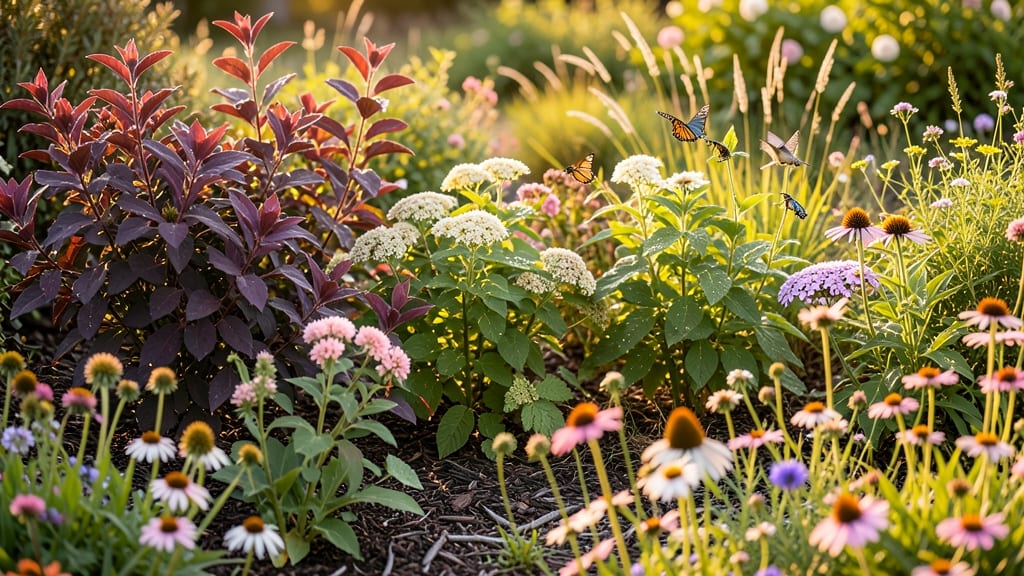
Turn your garden into a bustling wildlife oasis with a pollinator shrub bed that works as hard as it looks. This design focuses on native plants that provide nectar, shelter, and nesting sites for butterflies, hummingbirds, and bees—all while keeping your landscape vibrant year-round.
Start with butterfly bush (Buddleia) for late-summer blooms that hummingbirds adore, then add serviceberry (Amelanchier) for spring flowers and edible fruit. Layer in spirea (Spiraea) for early blooms and inkberry holly (Ilex glabra) for evergreen structure and winter berries. Plant in loose clusters rather than tight rows to mimic natural habitats, and include native grasses like little bluestem for additional texture and wildlife support.
This design is ideal for eco-conscious gardeners who want to make a real difference. By choosing plants that thrive in your region, you'll create a self-sustaining ecosystem that requires minimal intervention once established. 🌟
Classic English Cottage Garden Style
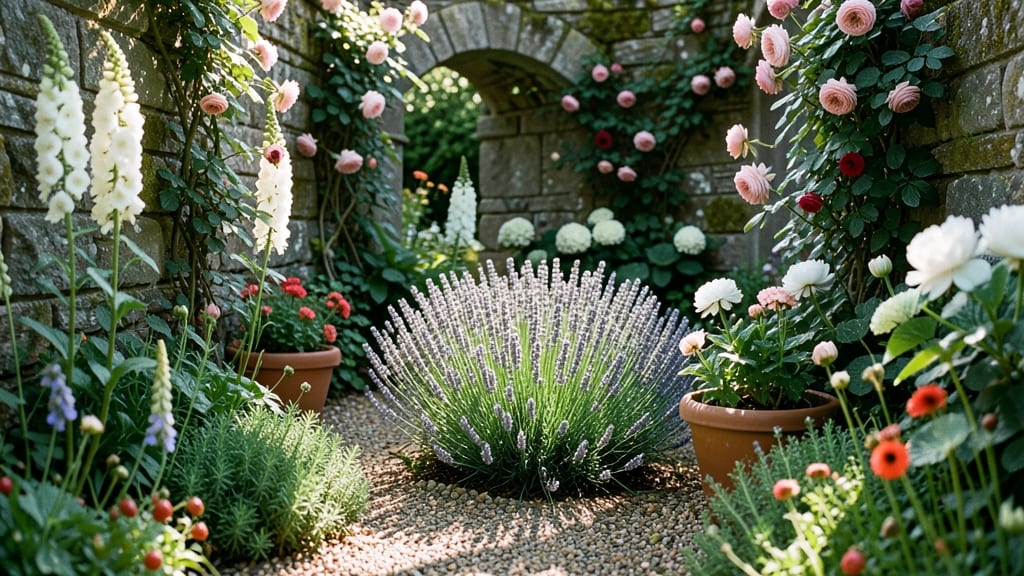
Step into a storybook with a classic English cottage garden style, where romantic overflowing borders blend formal structure with wild charm. This design thrives on the idea that nature should look effortlessly loved—think climbing roses spilling over stone walls, lavender swaying in drifts, and hydrangeas nodding in soft pastels.
Create depth by pairing structured shrubs like boxwood or yew with loose, informal perennials such as peonies or delphiniums. Use stone pathways or wooden edging to frame the bed while allowing plants to spill naturally beyond their borders. For heritage gardens, incorporate vintage touches like wrought-iron trellises or old-fashioned garden ornaments. This style works best in partial shade to full sun, making it versatile for most climates.
Perfect for gardeners who adore nostalgia and texture, this approach turns shrub beds into living tapestries that evolve with the seasons. The key? Let plants mingle freely—just like a well-loved English garden should. 🌷
Modern Geometric Shrub Arrangement
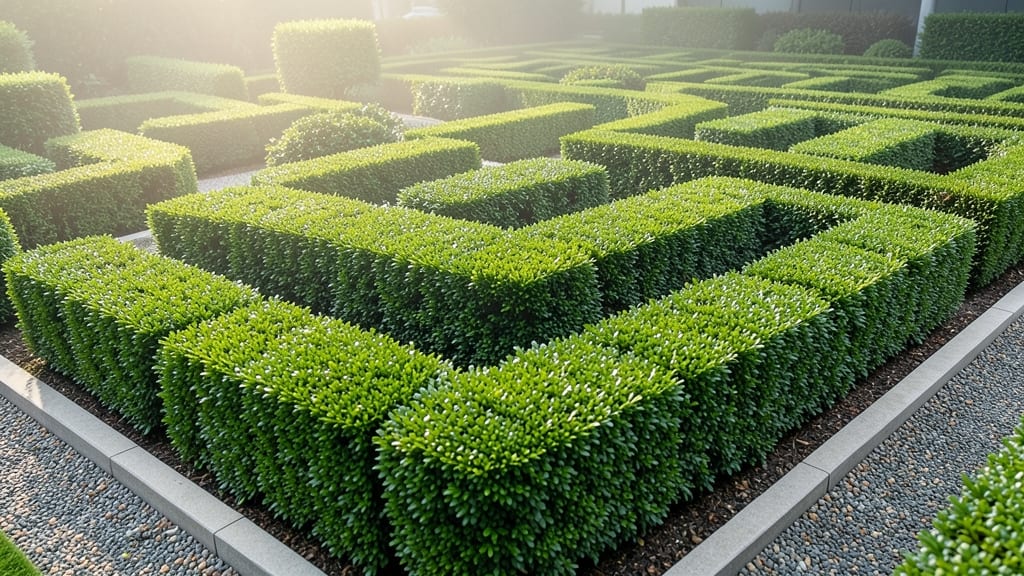
Tired of traditional, free-form shrub beds? A modern geometric arrangement transforms your landscape into a striking architectural statement. This design uses boxwoods and other sheared shrubs to create crisp lines, angles, and shapes that elevate even the simplest outdoor space.
Start with a grid layout using boxwoods as your base—plant them in straight rows or diagonal patterns for instant structure. Add height with clipped topiary (like yew or privet) in rectangular or triangular forms, and incorporate evergreen shrubs like holly or dwarf junipers for contrast. For a polished look, use gravel or crushed stone as mulch to define the clean lines.
This style thrives in contemporary landscapes, urban courtyards, or minimalist gardens where form meets function. It’s ideal for homeowners who love sleek aesthetics but still want low-maintenance, evergreen interest. ✨
Low-Maintenance Drought-Tolerant Shrub Bed
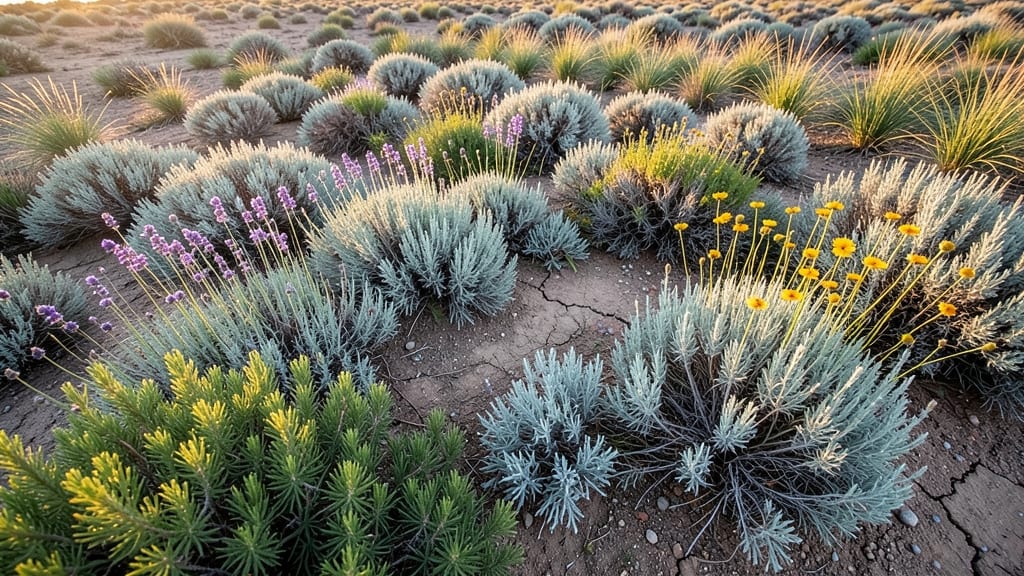
If you live in a drought-prone area or simply want to cut back on watering, this low-maintenance shrub bed proves beauty doesn’t require constant irrigation. By selecting native and drought-adapted plants, you can create a thriving landscape that stays lush with minimal effort—ideal for eco-conscious gardeners or those in arid climates.
Start with Texas sage for vibrant purple blooms and silvery foliage that thrives in heat, paired with yucca for architectural height and ornamental grasses like blue grama for movement. These plants require once-weekly watering (or less) once established and attract pollinators without needing extra care. Use sandy or gravelly soil to improve drainage and apply a thin layer of mulch to retain moisture.
This design is perfect for urban gardeners, new homeowners, or anyone tired of high water bills. With the right plants, your shrub bed can stay vibrant all season long—without the guilt of overwatering. 🌻
Fragrant Shrub Garden with Scented Varieties
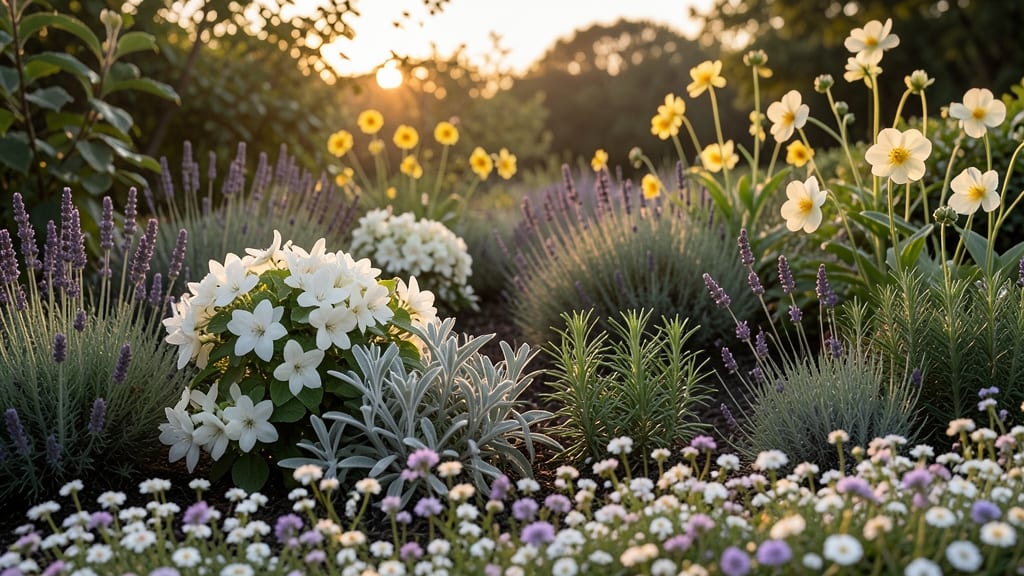
Transform your garden into an aromatic sanctuary where every evening brings a new sensory delight. A fragrant shrub garden combines plants that release their best scents at different times—morning, afternoon, or night—creating an ever-changing olfactory experience that invites you to linger.
Start with night-blooming jasmine for its intoxicating evening fragrance, pair it with lemon-scented thyme for daytime citrus bursts, and add sweet mock orange for a creamy, honey-like aroma that peaks in late afternoon. These shrubs thrive in well-drained soil and require minimal pruning, making them ideal for both beginners and experienced gardeners alike.
This design is perfect for patios, garden seating areas, or pathways where you want to encourage relaxation and connection with nature. The fragrant layers will also attract pollinators and deter pests naturally, adding another layer of benefit to your garden. ✨
Vertical Layering with Climbing Shrubs

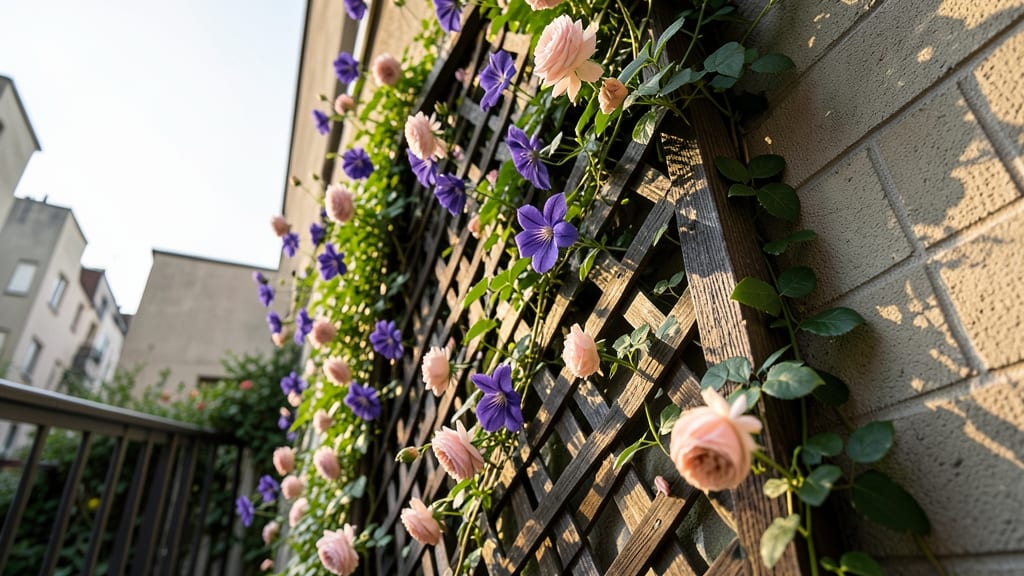
Turn your tiny balcony or narrow yard into a lush vertical oasis by training climbing shrubs like clematis or climbing roses on sturdy trellises. This space-saving technique lets you grow more plants in less area while adding dramatic vertical interest to urban gardens.
Start with a sturdy trellis or arbor, then plant fast-growing climbers at the base of your shrub bed. Choose varieties that complement your existing shrubs—like star jasmine for fragrance or ivy** for year-round coverage. Prune regularly to encourage upward growth and prevent overcrowding.
Perfect for urban gardeners or those with limited ground space, this method maximizes your garden's potential without sacrificing beauty. 🌻