
Planting
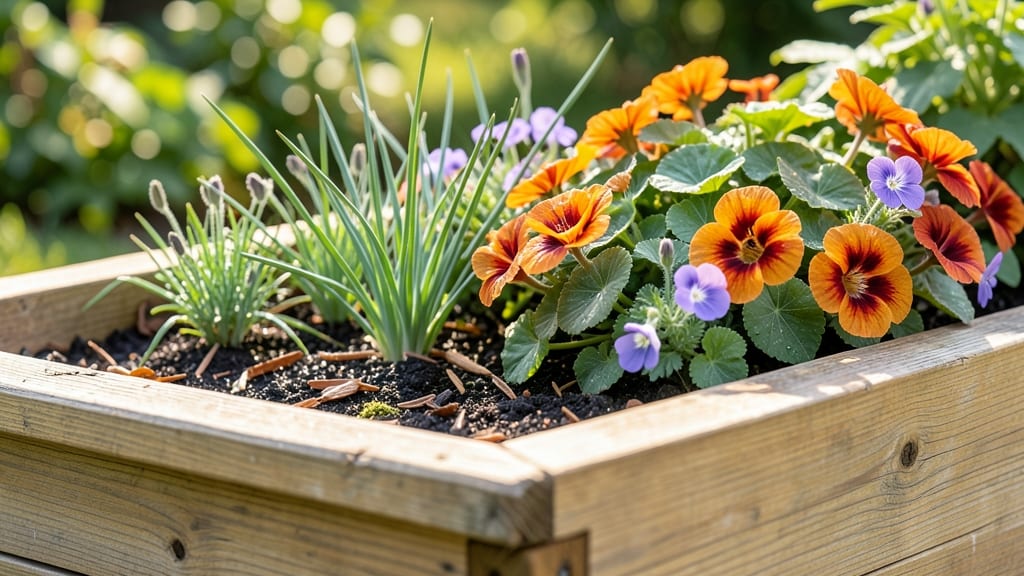
Transform your raised garden bed into a pollinator paradise with these 10 strategic plant layouts. These companion pairings maximize biodiversity, boost yields, and keep beneficial insects buzzing year-round—ideal for both beginners and seasoned gardeners.
Three Sisters Garden: Corn, Beans, Squash Harmony
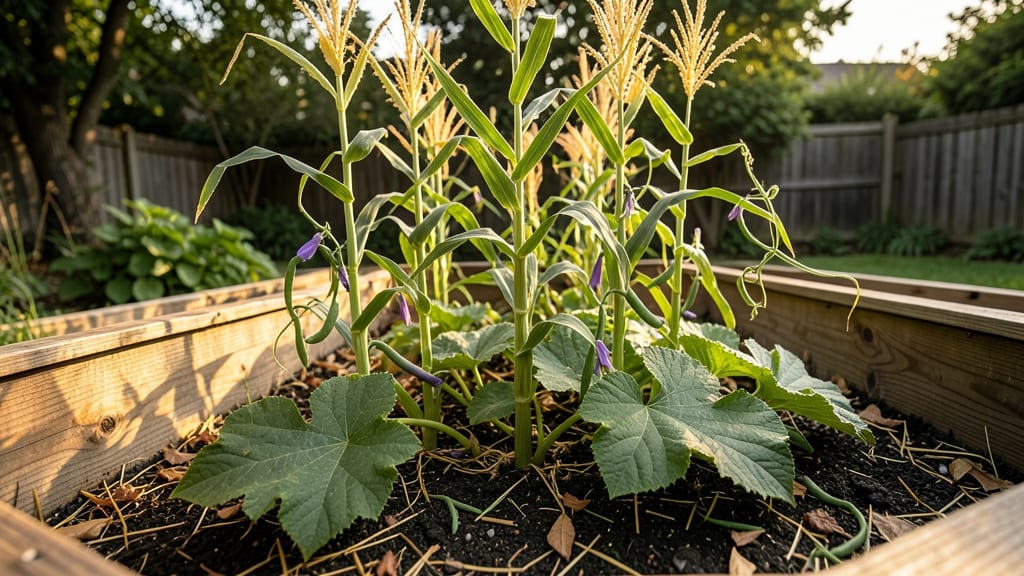
Imagine a raised garden bed where every plant supports the next—corn grows tall, beans climb its stalks, and squash sprawls beneath, creating a self-sustaining ecosystem. This Three Sisters layout mirrors Native American traditions and eliminates the need for synthetic fertilizers or pesticides.
Start by planting corn in the center (4-6 feet tall) as the vertical backbone. Surround it with pole beans, which fix nitrogen in the soil while climbing the corn stalks. At the base, add bush or vining squash to shade the soil, suppress weeds, and retain moisture. This trio thrives in full sun (6+ hours) and well-draining soil, with minimal maintenance once established.
Perfect for organic gardeners, this layout reduces watering needs, improves soil fertility, and delivers three harvests in one bed. It’s especially rewarding for those seeking a low-input, high-reward approach to gardening. 🌱
Herb Spirals: Basil, Thyme, Marigold Pollinator Magnet
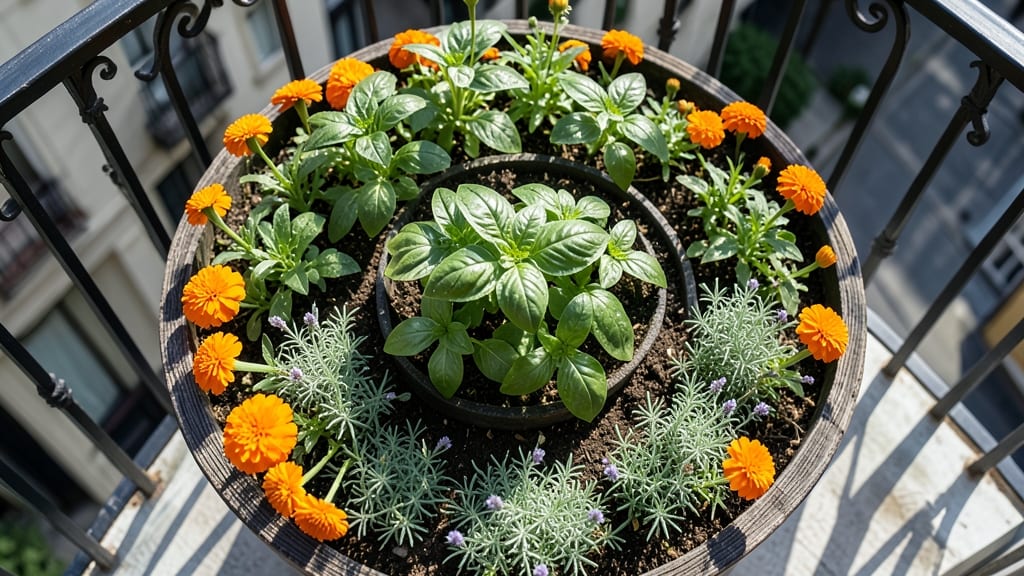
Turn even the tiniest balcony or urban plot into a thriving herb garden with a spiral design that maximizes space while working double-duty as a pollinator magnet. This layout combines basil (for pest control), thyme (aphid-repelling), and marigolds (bee attractors) in a compact, circular arrangement that fits snugly in corners or against walls.
Start by creating a shallow mound of soil in a spiral shape, planting marigolds at the center (where they’ll get full sun) and working outward to thyme (drought-tolerant and sun-loving) and basil (partial shade in afternoon). The spiral’s design ensures all plants receive optimal light while creating a natural windbreak. For best results, water at the base to keep foliage dry—this prevents fungal diseases in humid urban settings.
This layout is perfect for urban gardeners or anyone with limited space who still wants fresh herbs and a buzzing ecosystem. Plus, the fragrant combination deters pests while inviting bees—making it a dual-purpose powerhouse for small-scale growing. 🌻
Salad Tower: Lettuce, Radish, Nasturtium Stack
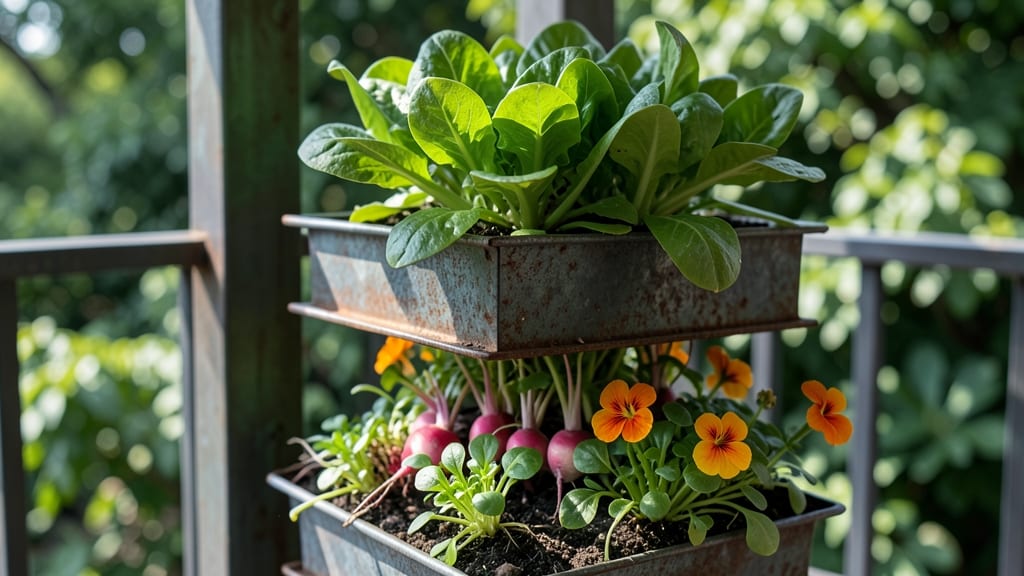
Turn your shade garden or small balcony into a fresh salad source with this three-tiered vertical stack—no sprawling beds required. This layout maximizes space while giving you quick harvests of crisp lettuce, peppery radishes, and edible nasturtium flowers, all thriving together in partial shade.
Start with lettuce at the bottom (needs 3-6 hours of sun daily) for a continuous supply of greens. Add radishes in the middle—their fast growth (30-40 days) deters pests like aphids while their roots loosen soil. Top with nasturtiums to attract hoverflies (natural pest controllers) and add vibrant color. Use a 5-gallon fabric grow bag or tiered planter to create the vertical effect.
This setup is ideal for cool-season gardeners or those with limited sun—perfect for patios, balconies, or the shady corner of your yard. You’ll enjoy fresh salads in weeks, not months! 🌿
Mediterranean Bounty: Rosemary, Tomatoes, Oregano Trio
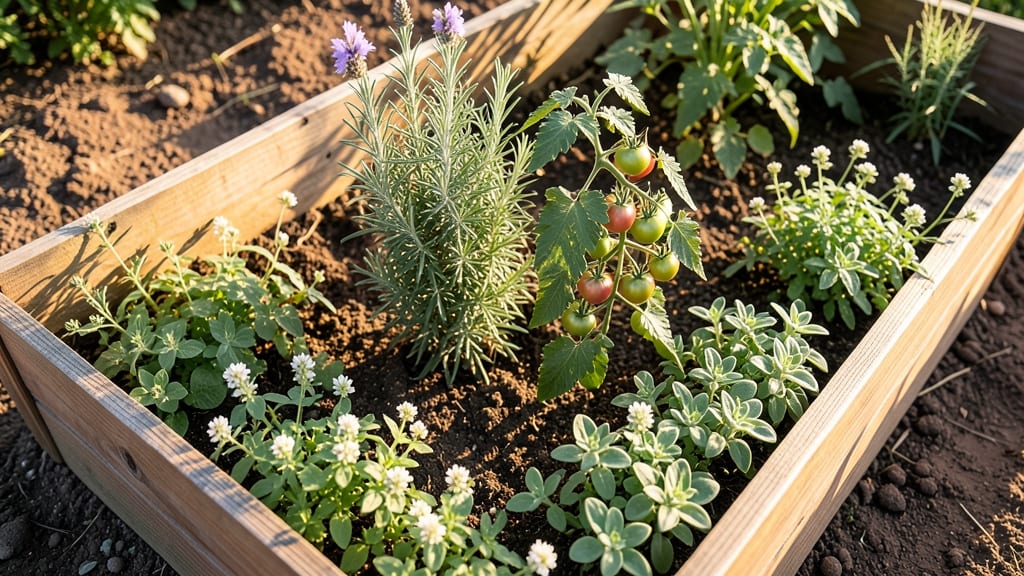
Craving a low-water, high-reward garden that thrives on sunshine and minimal fuss? The rosemary-tomato-oregano trio turns your raised bed into a fragrant, flavorful oasis with almost no extra effort. This Mediterranean powerhouse combo doesn’t just survive drought—it begins to thrive with just 6 hours of sun daily and occasional watering.
Position woody rosemary at the bed’s edges to deter cabbage moths and add aromatic borders, while tall tomato plants (like 'Sungold' cherries) take center stage. Tuck oregano near the tomatoes—its bright blooms attract pollinators while its roots suppress weeds. Mulch with gravel or straw to lock in moisture and keep soil temperatures ideal. Prune rosemary lightly after harvests to encourage bushier growth.
This layout is a game-changer for Mediterranean climates or xeriscaping projects, offering year-round greenery, edible flowers, and pest-resistant harmony. Even urban gardeners with limited water will love the resilience of this trio. 🌿
Pollinator Superhighway: Lavender, Bee Balm, Coneflower Row
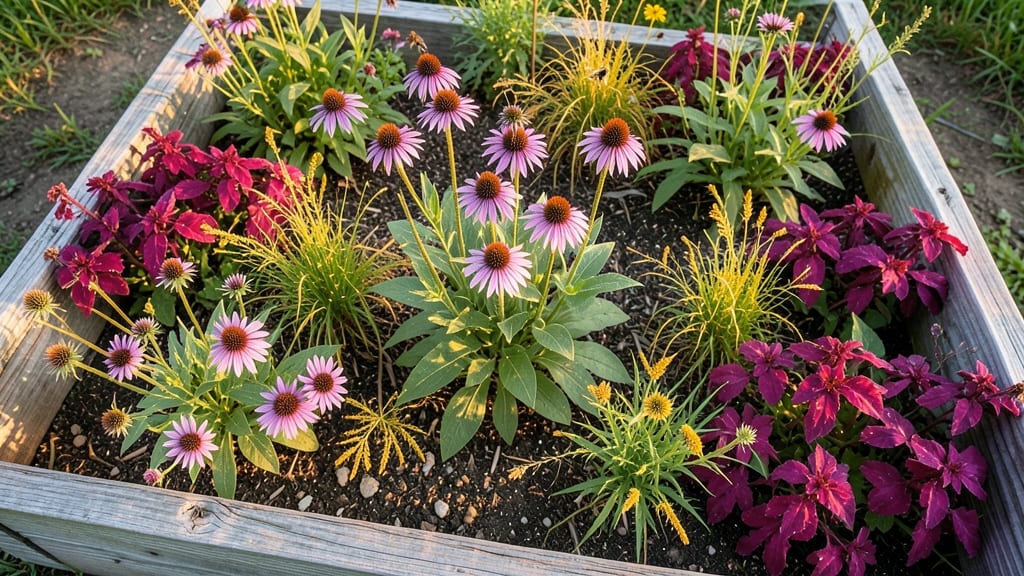
Turn your raised bed into a buzzing pollinator paradise with this effortless, year-round blooming trio. Unlike seasonal vegetable layouts, this design focuses on native perennials that thrive together, offering continuous food for bees, butterflies, and hummingbirds from spring through fall.
Plant lavender first for early spring blooms and drought resistance, followed by bee balm (Monarda) that blooms in mid-summer with vibrant pink flowers, and finish with coneflower (Echinacea) for late-summer to fall interest. Space them 18-24 inches apart in well-draining soil with 6 hours of sun, and watch your garden become a wildlife magnet. Deer rarely bother these plants, making them ideal for rural or suburban plots.
This layout requires minimal upkeep—just deadhead spent blooms occasionally—and rewards you with colorful blooms that keep pollinators visiting. Perfect for gardeners who want beauty without the fuss of annuals. 🌻
Asian-Inspired Umami Bed: Bok Choy, Cilantro, Mint Border
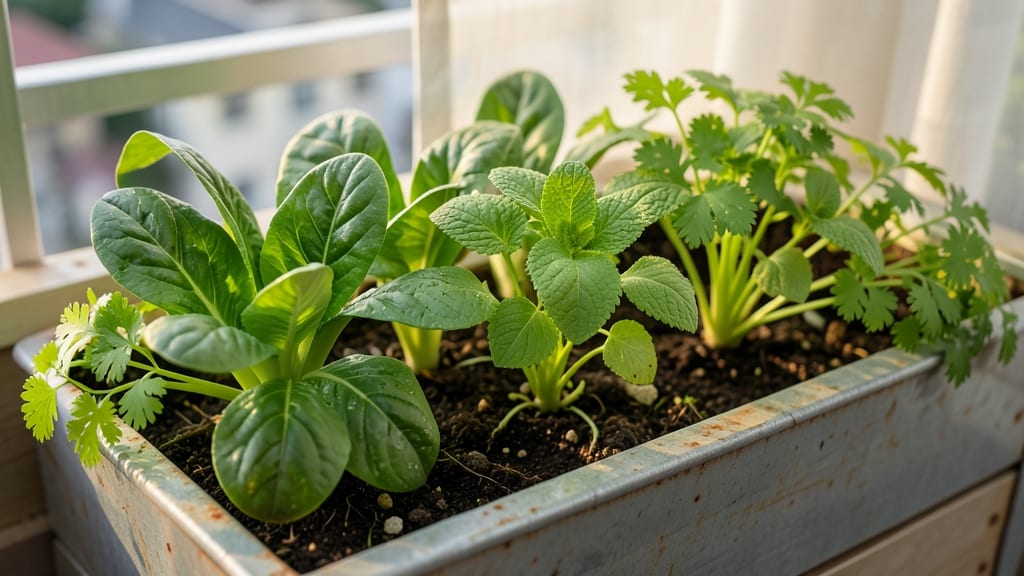
Craving a garden that’s as flavorful as it is functional? This Asian-inspired umami bed combines bok choy, cilantro, and mint for a pest-repelling, fast-growing trio that’s perfect for small spaces or urban balconies. The trio thrives in partial shade, making it ideal for spots where full sun isn’t an option.
Plant bok choy in the center—its broad leaves create a lush base—while cilantro and mint form a fragrant border. Cilantro deters aphids, mint keeps cabbage worms at bay, and bok choy grows quickly for harvests in just 30-40 days. This layout is perfect for gardeners who love Asian cuisine and want a low-maintenance, high-reward bed.
Urban gardeners and small-space growers will love this layout—it’s packed with flavor, repels pests naturally, and fits neatly into tight corners. Plus, the herbs add a fresh, aromatic border that’s as pretty as it is practical. 🌿
Pest-Repelling Veggie Block: Carrots, Onions, Chives Alliance
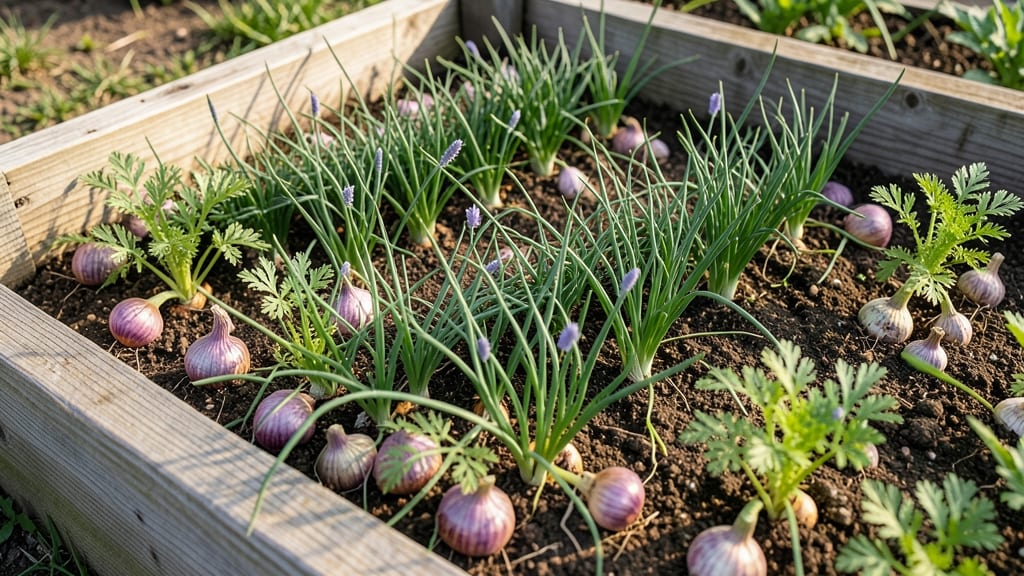
Tired of battling pests in your raised bed without harsh chemicals? This carrot-onion-chive trio creates a natural defense system that works underground and above—no sprays required. The sharp scent of onions repels carrot flies, while chives deter aphids and Japanese beetles, leaving your carrots to grow sweet and straight in loose, well-drained soil.
Start by planting onions and chives around the perimeter of your bed, where their strong aromas will deter flying pests. Nestle carrot seeds (or seedlings) in the center, ensuring they have at least 6 hours of sun daily and consistent moisture. The chives will also self-seed, creating a perpetual pest barrier. For best results, rotate this block yearly to prevent soil depletion.
This layout is a game-changer for organic vegetable gardeners who want to cut down on pesticides while boosting yields. The combination also improves soil structure, making it ideal for heavy or compacted soils. 💚
Winter Hardy Greens: Kale, Swiss Chard, Calendula Guardians
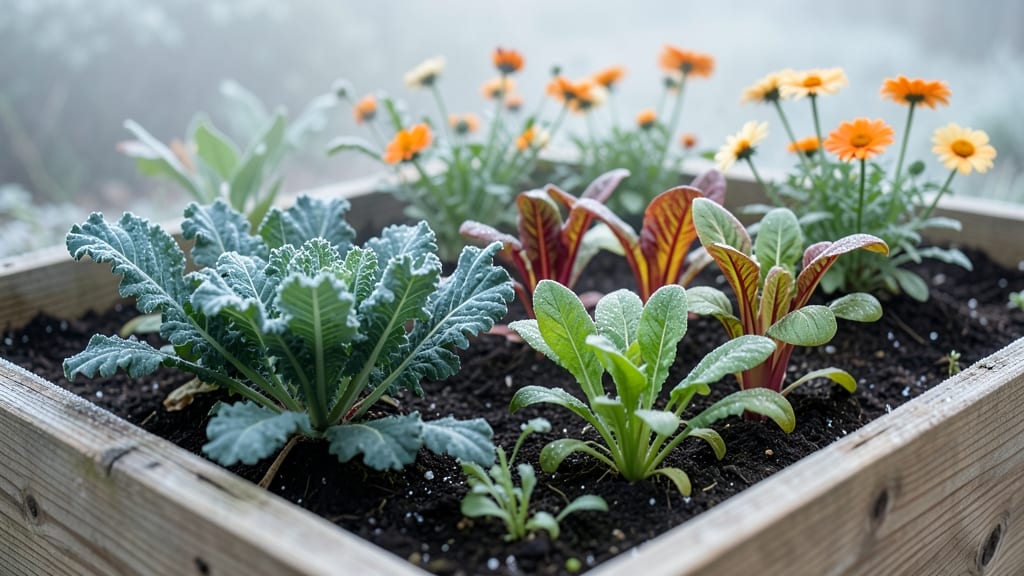
When winter’s chill arrives, don’t let your raised garden bed go dormant—kale, Swiss chard, and calendula transform cold months into a harvest bonanza. These hardy plants not only survive frost but thrive, offering tender greens and vibrant blooms that attract pollinators even in sub-zero temperatures.
Plant kale and Swiss chard in the center of your bed for continuous harvests—both tolerate 20°F temperatures and sweeten after light frosts. Surround them with calendula flowers, which deter pests like aphids and improve soil health through their deep roots. Mulch with straw to insulate roots and retain moisture, while adding a layer of compost in early spring ensures nutrient-rich soil for spring planting.
This layout is perfect for four-season gardeners or those in cold climates, providing fresh greens for winter salads and a pollinator-friendly foundation for spring blooms. Your garden stays productive—and beautiful—through every season! 🌱
Fruit Bush Understory: Blueberries, Strawberries, Clover Ground Cover
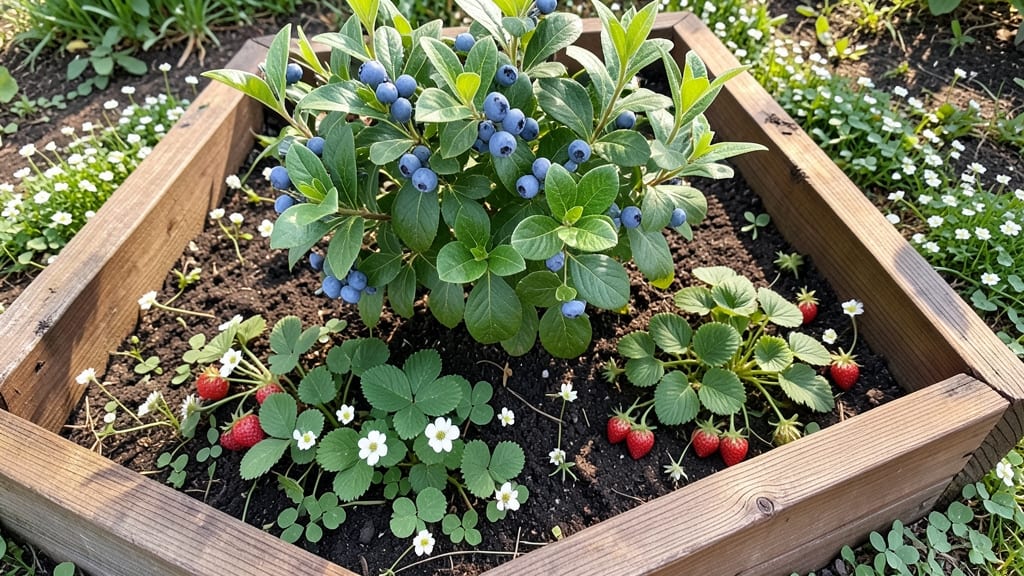
Want a raised garden bed that produces fruit year after year with almost no weeding? This acid-loving trio—blueberries, strawberries, and white clover—creates a self-sustaining understory that thrives in containers or small orchards. The clover acts as a living mulch, suppressing weeds while adding nitrogen to the soil, so your fruit bushes grow stronger with each season.
Start by planting blueberry bushes (choose compact varieties like 'Top Hat' for raised beds) along the back edge, spaced 3-4 feet apart. In front, add everbearing strawberries in shallow trenches to keep runners contained. Fill the gaps between plants with white Dutch clover, which stays green year-round, attracts pollinators, and prevents soil erosion. Water consistently to keep the clover lush—it’ll shade the soil and reduce evaporation.
This layout is a game-changer for small-space gardeners or anyone tired of battling weeds in berry patches. The clover’s nitrogen boost means you’ll need fewer fertilizers, and the pollinators will ensure better fruit set. Perfect for urban homesteaders or anyone who wants a low-maintenance berry harvest! 🌱
Edible Flower Border: Nasturtiums, Violets, Chives Delight

Want a raised garden bed that’s as beautiful as it is functional? This edible flower border combines nasturtiums, violets, and chives to create a vibrant, low-maintenance edge that repels pests, attracts pollinators, and adds fresh flavors to your meals. Unlike traditional ornamental borders, every plant here serves a purpose—from the peppery nasturtiums that deter squash bugs to the sweet violets that lure bees and butterflies.
Plant nasturtiums (annuals) along the outer edge for their bright orange blooms and pest-repelling properties, followed by violets (perennials) in the middle for their delicate flowers and early spring blooms. Tuck chives at the base to deter aphids and add a mild onion flavor to salads. All three thrive in full sun to partial shade and well-draining soil, making them ideal for borders around vegetable beds or as standalone containers. Harvest nasturtium and violet flowers for garnishes, and snip chives as needed for cooking.
This layout is perfect for urban gardeners, cutting garden enthusiasts, or anyone who loves edible landscapes. It’s especially great for small spaces where you want color, pollinators, and flavor without sacrificing functionality. 🌷