
Tools
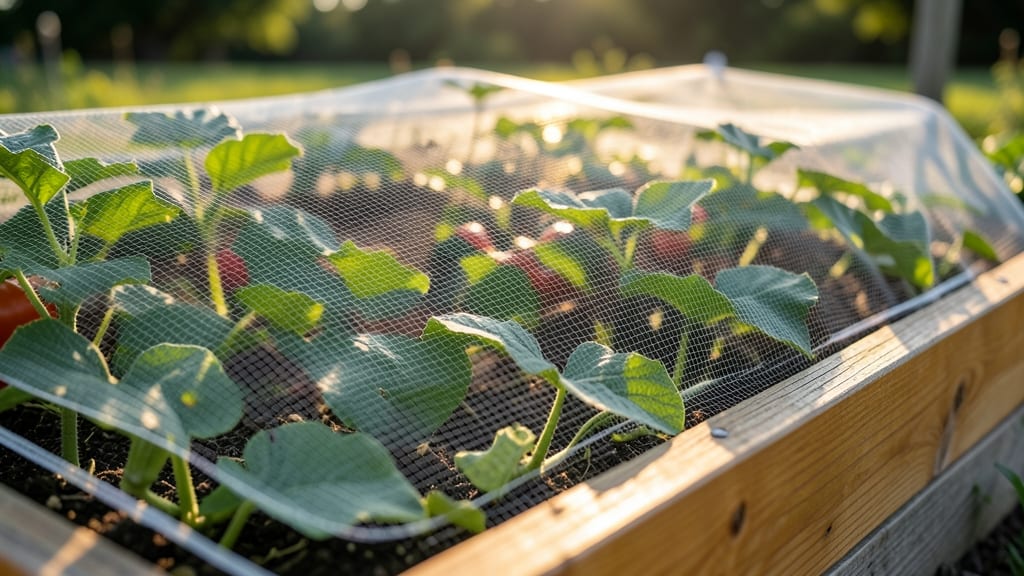
Missouri’s scorching summer sun can wilt plants before they thrive—but the right raised garden bed cover protects crops while trapping beneficial heat. These seven heat-resistant fabrics extend your growing season, conserve moisture, and shield delicate plants from pests and extreme temperatures.
Shade Cloth with 30% Blocking
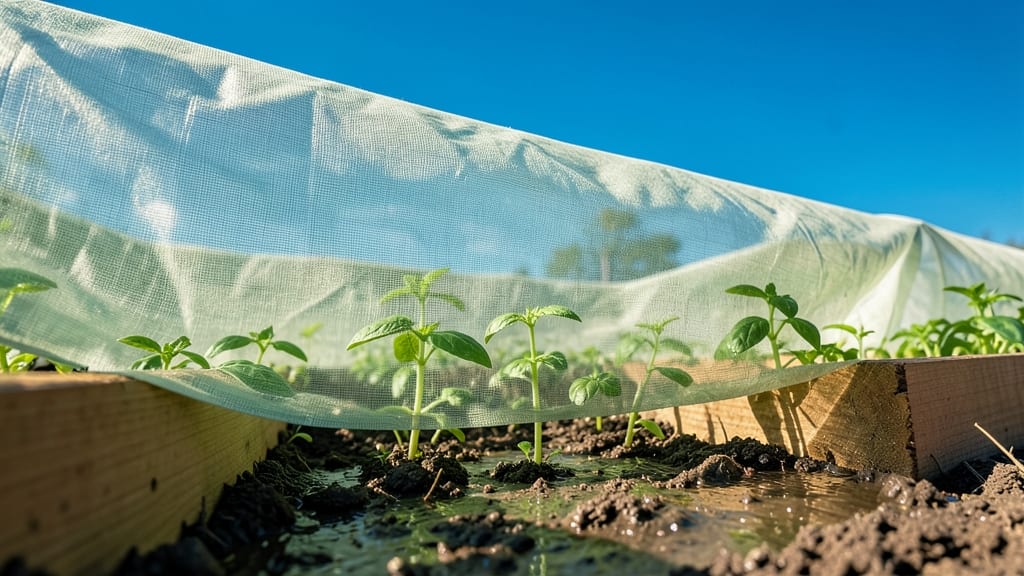
Missouri’s summer sun can turn your seedlings into crispy snacks before they even sprout—but 30% shade cloth is the perfect middle ground. This lightweight fabric filters just enough sunlight to protect delicate plants while letting airflow keep roots cool, making it ideal for heat-sensitive crops like lettuce, basil, and young tomatoes.
Unlike heavier covers that trap heat, 30% blocking shade cloth reduces soil temperatures by up to 10°F while still allowing 60% of sunlight to reach plants. Secure it with U-clips or stakes to prevent flapping, and use it during peak afternoon hours (11 AM–4 PM) for maximum protection without stunting growth. It’s especially useful for raised beds where soil heats up faster.
This is the go-to choice for new gardeners or anyone with tender seedlings struggling in Missouri’s brutal July heat. It’s affordable, reusable, and keeps your plants thriving without the risk of overheating. 🌱
Frost Blanket with UV Protection
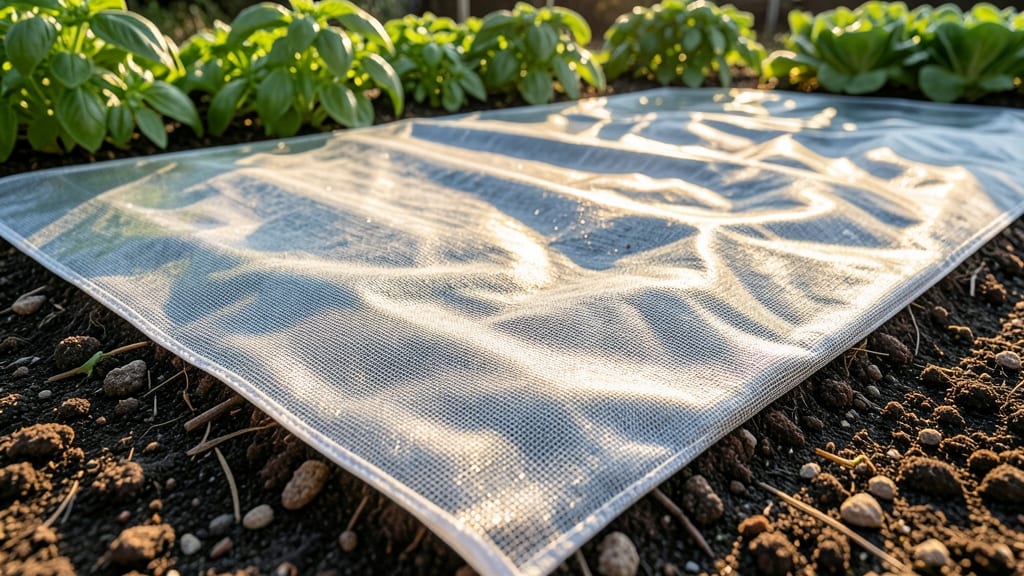
When Missouri’s summer heatwaves strike with unpredictable intensity, a frost blanket with UV protection becomes your secret weapon—it’s not just for winter! This dual-purpose fabric reflects up to 90% of sunlight, instantly reducing soil temperatures by 10-15°F while its tightly woven surface blocks flying pests like cabbage moths and squash bugs.
The reflective silver side should always face outward to deflect heat, while the matte side protects plants from direct glare. Secure edges with landscape staples or bricks to prevent wind damage, and leave small gaps at the ends for airflow during humid nights. It’s especially valuable for heat-sensitive crops like basil, peppers, and cucumbers that wilt quickly in Missouri’s 90°F+ afternoons.
This cover is a game-changer for gardeners who struggle with soil moisture loss during dry spells or pest outbreaks—it’s the ultimate multi-tasker for summer’s toughest conditions. 💚
Breathable Row Cover Fabric
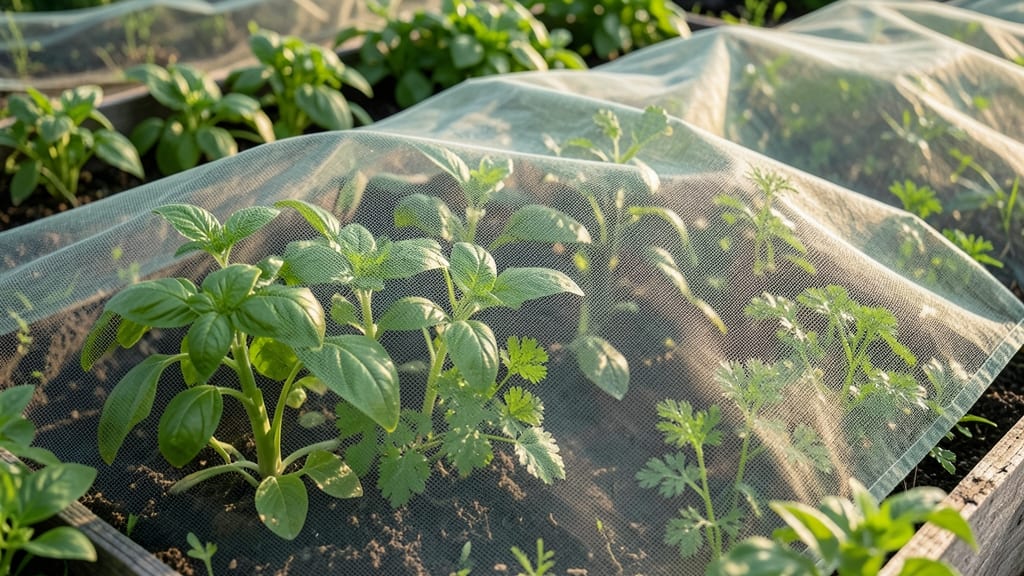
If your leafy greens and herbs are wilting or bolting before harvest, a breathable row cover fabric with 70% light transmission is your secret weapon. Unlike heavier covers, this mesh allows airflow while shielding plants from Missouri’s oppressive summer humidity—preventing fungal diseases like powdery mildew that thrive in stagnant air.
Perfect for lettuce, kale, cilantro, and dill, this fabric blocks pests while letting in enough sunlight for steady growth. Secure it with clip-on edges to avoid damaging stems, and remove it during heavy rains to prevent waterlogging. For Missouri’s 90°F+ days, use it in the afternoon when UV intensity peaks.
This cover is a game-changer for home gardeners who struggle with humidity-related plant stress—ideal for those growing heat-sensitive crops in raised beds. 🌿
Heavy-Duty Agribon Insulation
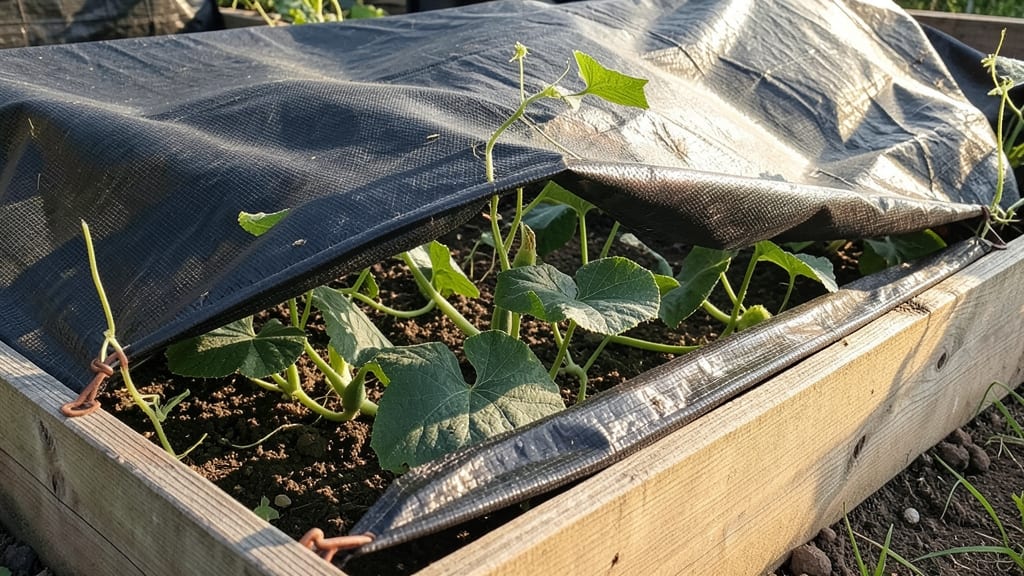
When Missouri’s July temperatures soar past 100°F, even heat-loving plants like cucumbers and melons can struggle—but heavy-duty agribon insulation acts like a climate-controlled blanket for your raised bed. This thick, black fabric blocks 90% of sunlight, slashing soil temperatures by up to 20°F while keeping moisture locked in, making it ideal for water-intensive crops that wilt under direct sun.
Unlike lighter covers, agribon’s durable construction resists tearing and lasts multiple seasons, while its opaque barrier prevents bolting in fast-growing vines. Secure edges with landscape staples or bricks to avoid flapping, and use it during peak heat hours (10 AM–6 PM) for maximum protection. It’s especially valuable for raised beds, where soil heats up faster and dries out quicker than ground-level plots.
This is the ultimate solution for serious gardeners growing heat-sensitive summer crops in Missouri’s brutal climate. With agribon, you’ll extend harvests and keep plants thriving—even when the mercury climbs. 💪
Reflective Bubble Insulation
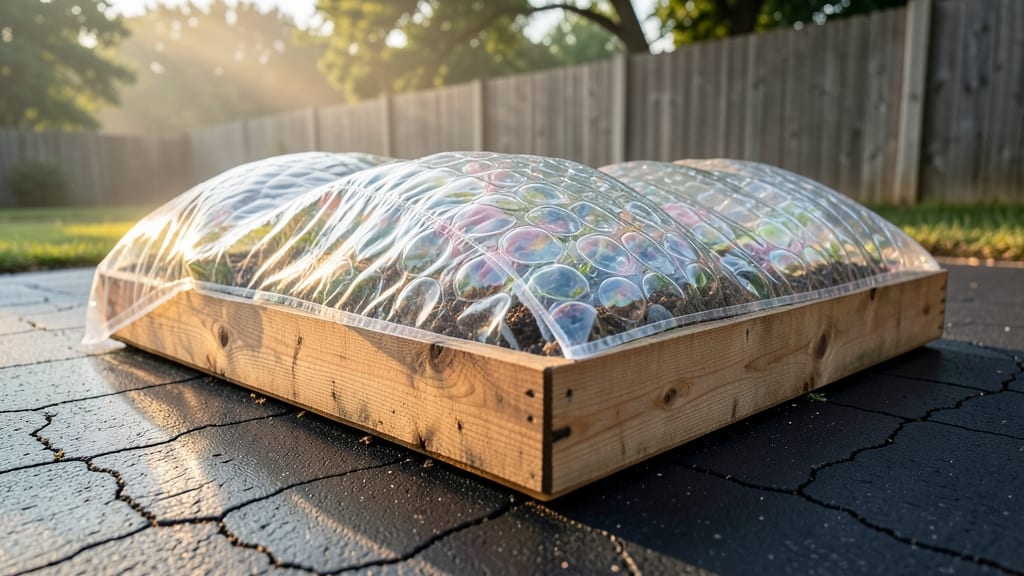
If your raised garden bed sits on blacktop or pavement, the surrounding heat radiates upward like an oven—making reflective bubble insulation your best defense. Unlike traditional covers that trap heat, this bubble-lined fabric actively radiates warmth away from plants and soil, creating a cooler microclimate where roots stay protected and foliage thrives.
The air pockets between reflective bubbles deflect up to 80% of solar radiation, reducing soil temperatures by 15-20°F compared to uncovered beds. Use it for heat-loving crops like peppers, strawberries, and eggplants that wilt in Missouri’s 90°F+ afternoons, or for shade-sensitive plants that need some light but not the full sun blast. Secure edges with landscape staples or bricks to prevent wind damage, and leave small gaps for airflow during humid nights.
This is the perfect solution for urban gardeners or anyone with raised beds on hot surfaces—it’s lightweight, reusable, and keeps your plants cool without sacrificing growth. 🌟
Pest-Proof Insect Netting
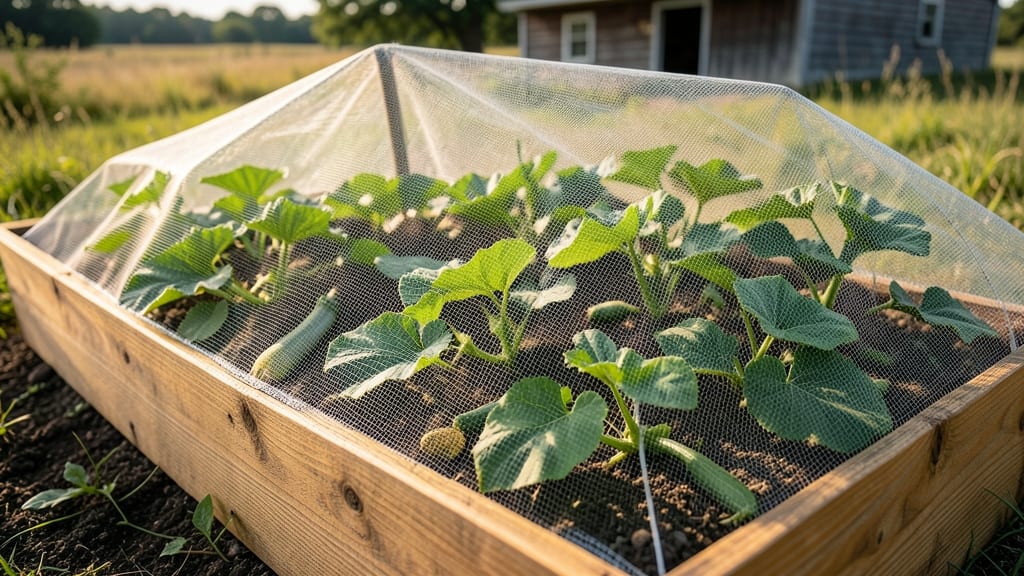
Missouri’s summer heat turns your garden into a buffet for squash bugs and Japanese beetles, but pest-proof insect netting is the ultimate shield. This ultra-fine mesh blocks 95% of flying insects while letting full sunlight and airflow reach your plants—no more lost zucchini or chewed leaves.
Choose 16-20 mesh netting (smaller holes = better pest control) and secure it with garden twine or zip ties to prevent gaps. It’s ideal for cucumbers, squash, and beans, which are magnets for Missouri’s most destructive pests. Unlike heavier covers, it won’t smother plants or trap heat—just drape it loosely over your raised bed and leave the ends open for ventilation.
This is the easiest solution for organic gardeners or anyone tired of battling pests without chemicals. 🌻
Thermal Blanket with Moisture Barrier
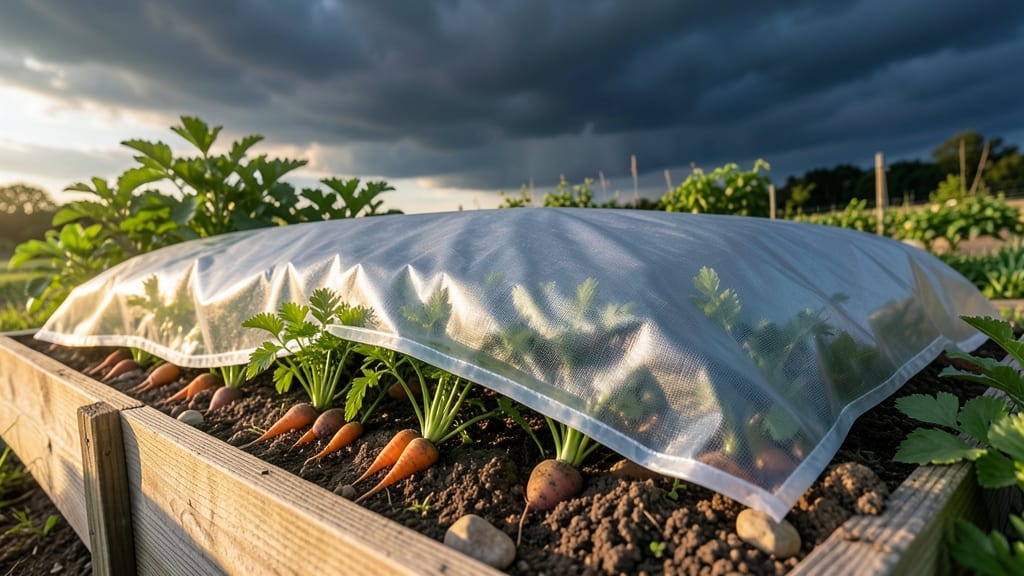
Missouri’s summer downpours can turn your carefully planted carrots and beets into a soggy mess—unless you use a thermal blanket with moisture barrier. This dual-purpose cover keeps soil dry while maintaining warmth, preventing the rot that plagues root crops when left exposed to heavy rain and humidity.
The key is pairing a waterproof layer (like black plastic) with a breathable thermal fabric that blocks excess moisture while allowing airflow. This combo works best for slow-growing root vegetables that need consistent soil conditions. Install it before spring rains peak and leave it on during Missouri’s July-August thunderstorms when downpours can drown tender crops.
This is the ultimate solution for organic gardeners or anyone growing moisture-sensitive crops—it’s reusable, easy to secure, and saves you from losing entire harvests to waterlogged soil. 💪