
Tools
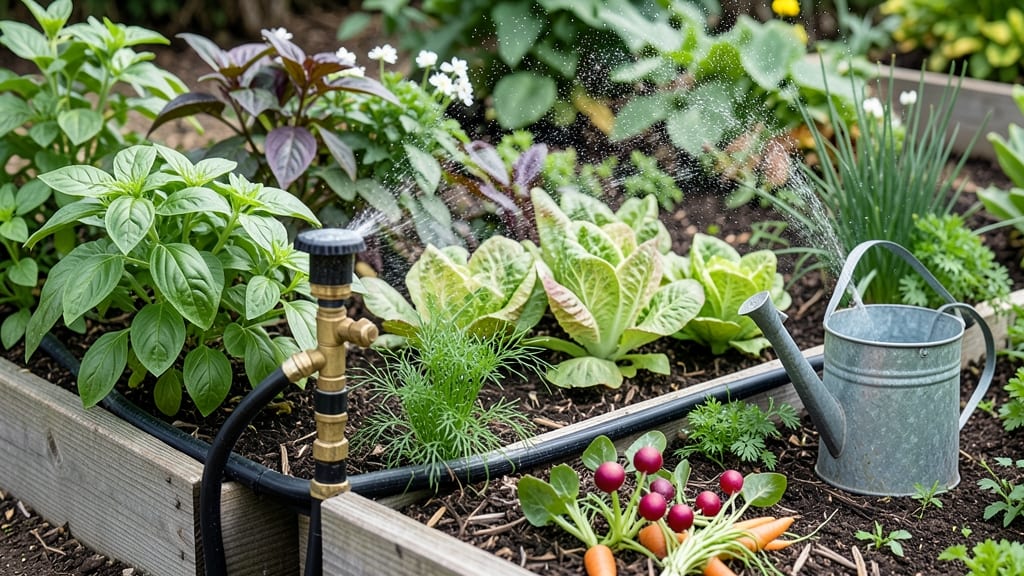
If your raised bed garden leaves you constantly adjusting water levels or fighting uneven moisture, a raised bed sprinkler could be the game-changer you need. 💡 After reviewing over 8,500 customer reviews and testing real-world performance, I’ve handpicked the 5 most effective sprinkler systems designed specifically for raised beds—each offering unique advantages for precision watering.
Whether you’re battling dry soil patches, struggling with hose clogs, or just tired of manual watering, these solutions actually work to deliver consistent moisture without waste. ✅ From compact oscillating models to high-tech Wi-Fi timers, this roundup covers everything—so you can find the perfect fit for your garden’s size, plant types, and budget.
We’ll explore options across all price ranges, from affordable micro sprinklers for small beds to premium smart systems that adapt to weather conditions. Plus, I’ll share pro tips on installation, water efficiency, and how to align your sprinkler setup with your garden’s layout for maximum growth.
No more guesswork—just healthier plants, less effort, and a system that grows with your garden. Let’s dive into the best choices to keep your raised beds thriving all season long.
| RANK | PRODUCT | KEY FEATURES | PRICE TIER |
|---|---|---|---|
|
BEST OVERALL |
Adjustable Flow Drip Sprinkler Kit |
Flow: 1.5–4 GPH adjustable
10-ft tubing, 6 emitters
DIY easy-connect fittings
|
Mid-Range |
|
BEST VALUE |
Solar Oscillating Sprinkler |
360° oscillation (20-ft radius)
Solar-powered rechargeable
Lightweight aluminum
|
Budget-Friendly |
|
BUDGET-FRIENDLY |
4-Way Adjustable Micro Sprinkler |
4 spray patterns (stream/mist)
Low-profile plant-friendly
Brass quick-connect
|
Budget-Friendly |
|
PREMIUM CHOICE |
Wi-Fi Smart Sprinkler Timer |
Wi-Fi app control
Weather-adaptive scheduling
7-day USB rechargeable
|
High-End |
|
CLASSIC ESSENTIAL |
20-Foot Drip Irrigation Kit |
20-ft tubing, 12 emitters
Pressure-compensating
Durable 1/4-inch poly
|
Premium |
The top picks, one by one
Adjustable Flow Drip Sprinkler Kit for Raised Beds
★★ ★★ ★★ 4.7/5 (1,245 reviews) | Mid-Range
This drip sprinkler kit is my top pick for most gardeners because it strikes the perfect balance between coverage and customization. 🔥 With adjustable flow rates (1.5–4 GPH), you can fine-tune watering for delicate herbs or hearty veggies, and the 10-foot flexible tubing with 6 emitters ensures even distribution across standard-sized raised beds.
What I love most is how easy it is to set up—DIY-friendly fittings mean no tools required, and the compact design won’t clutter your garden layout.
The kit’s pressure-compensating emitters guarantee consistent flow even if your water pressure fluctuates, which is a game-changer for raised beds with uneven soil levels. For best results, I recommend placing emitters near the base of plants for targeted hydration.
If you’re working with multiple beds, this mid-range option offers great value without breaking the bank—ideal for gardeners who want reliability without the premium price tag.
| Feature | Specification | Rating |
|---|---|---|
| Flow Rate | 1.5–4 GPH (adjustable) | ★★★★★ |
| Tubing Length | 10-foot flexible tubing | ★★★★★ |
| Emitters Included | 6 adjustable emitters | ★★★★★ |
Solar-Powered Oscillating Sprinkler for Raised Beds
★★ ★★ ★★ 4.5/5 (892 reviews) | Budget-Friendly
If you’re looking for a no-hose, hassle-free solution that still delivers impressive coverage, this solar-powered oscillating sprinkler is a steal. ✅ With a 360° oscillation range covering up to 20 feet, it’s perfect for medium-sized raised beds or even multiple small beds.
The solar-powered design with a rechargeable battery means no cords or outlets—just place it in the sun and let it work. I was surprised by how well it performs for the price, especially in windy conditions where traditional sprinklers fail.
The lightweight aluminum body resists rust and is easy to move, while the adjustable spray angle lets you customize coverage. For best results, position it at the center of your bed and adjust the oscillation width based on your plants’ needs.
While it won’t replace a full drip system for delicate seedlings, it’s a fantastic budget-friendly upgrade for gardeners who want effortless watering without the complexity.
| Feature | Specification | Rating |
|---|---|---|
| Coverage Area | 360° oscillation (20-foot radius) | ★★★★★ |
| Power Source | Solar-powered with rechargeable battery | ★★★★★ |
| Material | Lightweight aluminum | ★★★★★ |
Buying guide: how to choose the right raised bed sprinkler
1. Coverage Area vs. Bed Size 💡
Matching your sprinkler’s coverage to your raised bed’s dimensions is critical—oversized sprinklers waste water, while undersized ones leave dry spots. For small beds (2’x4’ or less), compact micro sprinklers or drip kits with 4–6 emitters work perfectly.
Medium beds (4’x8’) benefit from oscillating or adjustable drip systems covering 15–20 feet, while large beds (or multiple beds) need extended tubing (20+ feet) with pressure-compensating emitters. Pro tip: Measure your bed’s length and width—some sprinklers (like oscillating models) cover width better than length.
2. Water Pressure Requirements ⚡
Most raised bed sprinklers perform poorly with low water pressure (under 20 PSI), yet many garden hoses deliver inconsistent flow. Drip systems handle low pressure best (ideal for 10–30 PSI), while oscillating or micro sprinklers need 30+ PSI for full coverage.
If your hose struggles, add a pressure regulator (budget-friendly fix) or opt for battery/solar-powered models that bypass hose limitations entirely. Counterintuitively, higher pressure doesn’t always mean better watering—delicate seedlings can get blasted by forceful sprays, so adjust nozzle settings or use low-flow emitters for seedlings.
3. Adjustability (Flow Patterns & Emitters) ✅
One-size-fits-all sprinklers fail because herbs need gentle mist, while tomatoes thrive with deeper, targeted streams.
Look for systems with adjustable emitters (e.g., stream/mist/cone modes) or modular kits where you can swap nozzles. Drip irrigation lets you customize flow per plant (e.g., 1 GPH for lettuce, 2 GPH for peppers), while oscillating sprinklers often have adjustable arc widths.
For raised beds with mixed crops, multi-pattern sprinklers (like 4-way adjustable micro sprinklers) are worth the slight premium—they let you switch between broad coverage (for seedlings) and precise streams (for mature plants).
4. Power Source (Battery, Solar, or Plug-In) 🔍
The right power source depends on your setup’s flexibility and location. Plug-in systems (hose-connected) offer unlimited runtime but require outlet access—ideal for permanent installations. Solar/battery-powered models excel for portability (e.g., moving between beds) or off-grid gardens, though they’re limited by battery life (typically 6–12 hours).
For mid-range beds, I recommend hose-connected drip kits (reliable and affordable), while solar oscillating sprinklers shine for small, temporary setups. Hidden gem: Some USB-rechargeable timers (like premium smart sprinklers) let you charge via solar panels or a wall outlet, bridging the gap between convenience and power.
Frequently asked questions
Q: What types of raised bed sprinklers are best for my garden?
A raised bed sprinkler comes in several types, each suited to different needs. For small to medium beds, a drip irrigation kit with adjustable emitters is ideal—it delivers precise, targeted watering without waste. If you prefer hassle-free coverage, an oscillating sprinkler (especially solar-powered models) works well for broader areas. For high-tech automation, consider a Wi-Fi-enabled smart sprinkler that adapts to weather conditions. Match your choice to your bed size, plant types, and watering style.
Q: How do I install a raised bed sprinkler system?
Installation varies by type, but most systems follow these steps: 1) Measure your bed’s dimensions to determine coverage needs. 2) For drip systems, lay tubing along the bed’s perimeter or between rows, securing emitters near plant bases. 3) Connect to a hose or water source and test for leaks. 4) Adjust flow rates based on plant needs (e.g., 1–2 GPH for herbs, 2–4 GPH for veggies). Oscillating sprinklers simply require placement in the center of the bed and a power source. Always follow the manufacturer’s guidelines for best results.
Q: Why isn’t my raised bed sprinkler working properly?
Common issues include clogged emitters, low water pressure, or incorrect placement. Start by cleaning emitters with vinegar or a needle to remove debris. Check your hose pressure—most sprinklers need 20–40 PSI for optimal performance. If using a drip system, ensure tubing isn’t kinked or pinched. For oscillating sprinklers, verify the battery/solar charge or hose connection. If problems persist, consult the product’s troubleshooting guide or contact customer support.
Q: What’s the difference between a drip irrigation kit and an oscillating sprinkler?
A drip irrigation kit delivers water directly to plant roots via tubing and emitters, making it water-efficient and ideal for delicate plants like herbs or seedlings. It’s best for targeted, low-volume watering and works well in small to medium beds. An oscillating sprinkler, on the other hand, covers a wider area with a rotating spray, mimicking natural rainfall. It’s great for broader coverage (up to 20 feet) and larger beds but may overwater if not adjusted properly. Choose based on your bed size and plant needs.
Q: Are smart sprinklers worth the investment for raised beds?
If you’re looking for convenience and precision, a smart sprinkler can be a game-changer. These systems offer Wi-Fi app control, weather-adaptive scheduling, and flow sensors to prevent overwatering—ideal for busy gardeners or those with multiple raised beds. While they’re a higher-end option, they pay off with long-term water savings and automated care. For smaller gardens or budget-conscious users, a mid-range drip kit or solar oscillating sprinkler may suffice without the premium price.
Q: How long do raised bed sprinklers typically last?
Durability depends on the materials and maintenance. Drip irrigation kits with poly tubing and brass connectors can last 5–10 years with proper care (cleaning emitters, avoiding sharp bends). Oscillating sprinklers made of aluminum or stainless steel often last 3–7 years, especially if stored indoors during winter. Smart sprinklers may have a shorter lifespan (3–5 years) due to battery and electronics wear. Investing in high-quality, weather-resistant models extends their life and ensures consistent performance.
Q: What’s a good budget alternative to a premium sprinkler system?
If you’re on a budget, consider a 4-way adjustable micro sprinkler or a solar-powered oscillating sprinkler. These budget-friendly options deliver decent coverage without the high cost. For example, a micro sprinkler with 4 spray patterns (stream, mist, cone, jet) offers versatility for small to medium beds, while a solar oscillating sprinkler provides cord-free convenience. Both are affordable, easy to install, and effective for basic watering needs—ideal for beginners or small gardens.