
Tools
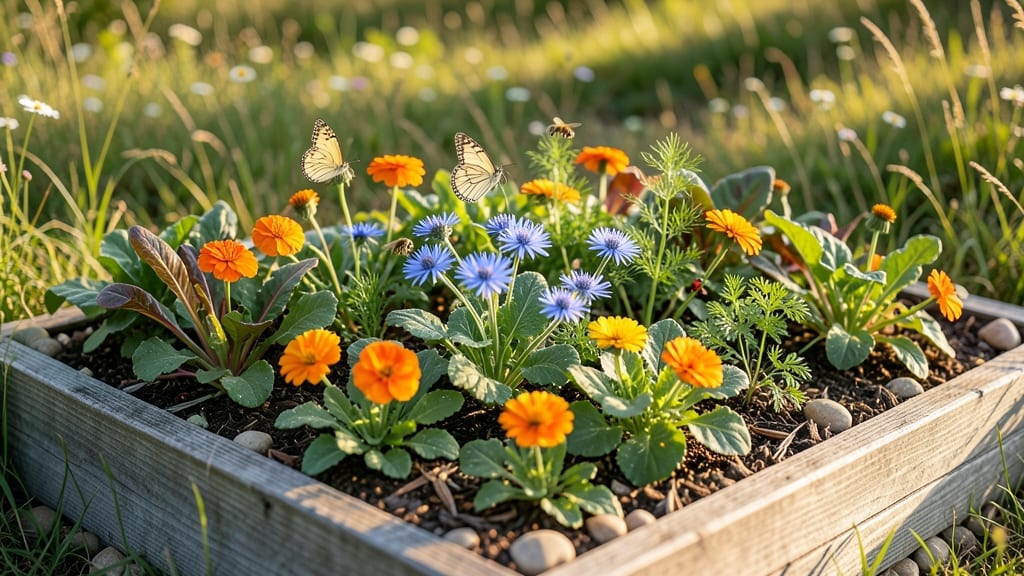
Maximize your small space with these 10 science-backed raised bed layouts designed to boost yields while keeping weeds and pests under control. Each plan optimizes sunlight, companion planting, and crop rotation for year-round success.
Square Foot Gardening Grid System
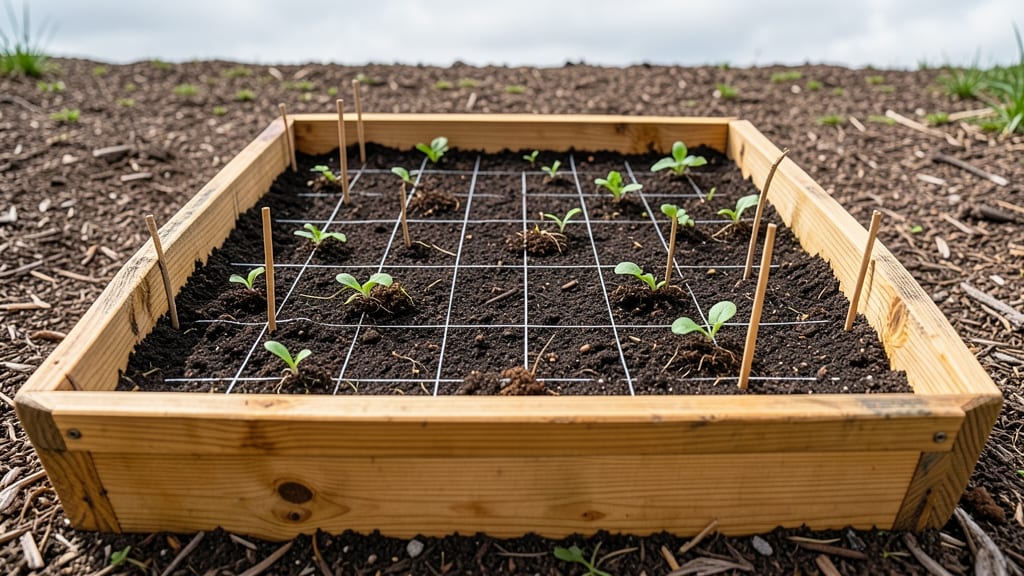
Transform your small raised bed into a high-yielding garden with Mel Bartholomew’s Square Foot Gardening—a system that turns every inch into productive space. By dividing your bed into a 1-foot grid, you eliminate wasted soil and ensure each plant gets the perfect amount of room to thrive.
Start by marking your bed with string and stakes to create a grid. Then, use Bartholomew’s planting chart to determine how many of each crop fit in a square (e.g., 16 lettuce per square, 4 onion plants, or 1 carrot plant). This method works especially well for urban gardeners or those with limited space, as it maximizes yield without requiring deep beds or complex layouts.
Perfect for beginners, this system simplifies crop rotation, reduces weeds, and makes harvesting a breeze. Once you master the grid, you’ll wonder how you ever gardened any other way. 🌱
Vertical Trellis Layout for Climbing Plants
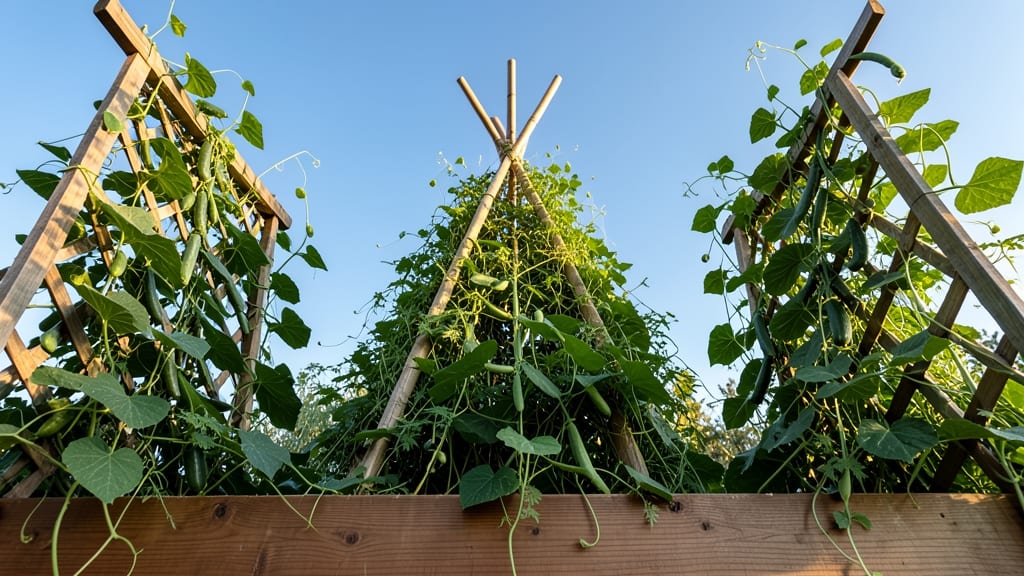
Turn your small raised bed into a vertical jungle with climbing plants that stretch toward the sky instead of sprawling across your limited space. This layout is a game-changer for growing cucumbers, pole beans, and peas, which thrive when trained up trellises, freeing up precious ground space for other crops like lettuce or radishes.
Start by installing bamboo stakes or wire mesh trellises at the bed’s edges—these are lightweight, affordable, and easy to assemble. Plant pole beans along the trellis edges for natural support, while cucumbers and peas can climb the center poles. For extra yield, interplant bush beans or shallow-rooted greens at the base. Water consistently to encourage vigorous vining, and prune any overcrowded foliage to improve airflow.
This setup is perfect for urban gardeners or anyone with limited square footage, doubling your harvest potential without expanding your footprint. Plus, the vertical greenery adds a stunning, dynamic look to your garden. 🌱
Companion Planting Blocks for Pest Control
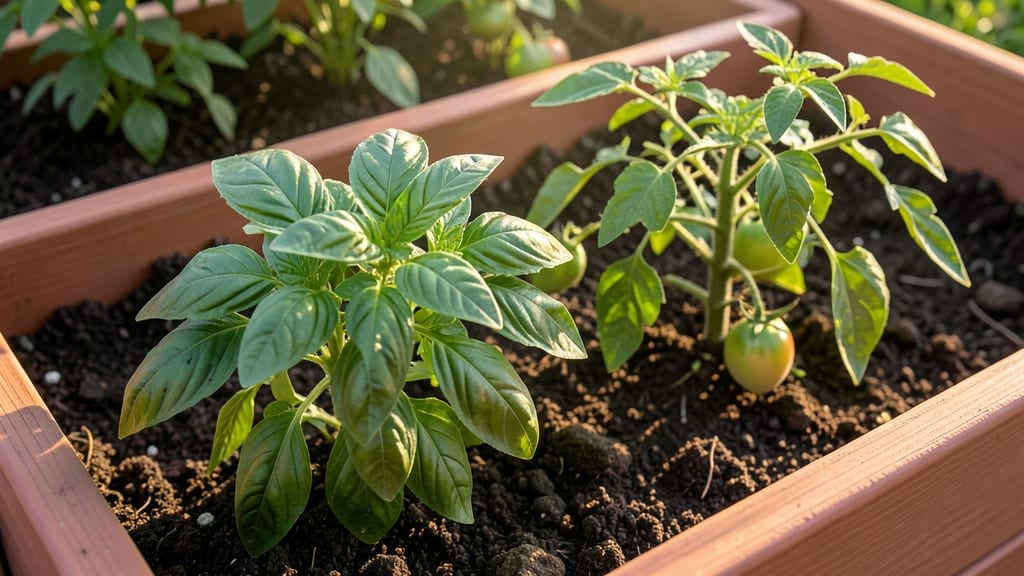
Tired of battling aphids, hornworms, and other garden pests? Companion planting blocks create a natural defense system by pairing plants that repel pests while enhancing each other’s growth—no chemicals required.
Start with basil and tomatoes: the strong scent of basil deters flies and mosquitoes while improving tomato flavor. Add marigolds near peppers to repel nematodes and whiteflies, or tuck nasturtiums around cucumbers to lure aphids away from your main crops. This layout also boosts soil health by diversifying root structures and attracting beneficial insects like ladybugs and lacewings.
Perfect for small raised beds, this method works especially well for beginner gardeners who want low-maintenance pest control. Try grouping onion family plants (like chives) with carrots to deter carrot flies, or dill and lettuce to keep slugs at bay. 🌻
Succession Planting Staggered Rows
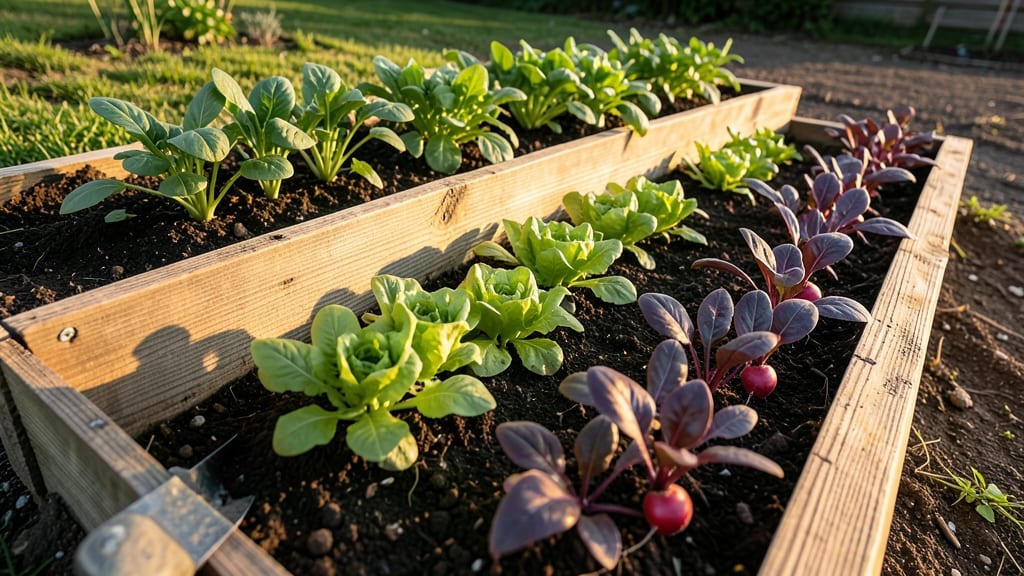
Tired of summer gaps between harvests? Succession planting staggered rows keeps your raised bed producing fresh greens from spring to fall without wasting space. Instead of planting all your radishes, lettuce, or spinach at once, space them in rows with 2-3 week intervals—harvest one batch while the next matures.
Start with quick growers like radishes (25 days) or baby spinach (30 days) in the front row, followed by slower leaf lettuce (45 days) behind them. This method works best in long, narrow beds where you can stagger 3-4 rows total. Keep soil moist but not soggy—these shallow-rooted crops thrive with consistent watering and partial shade in hot climates.
Perfect for home cooks, CSA subscribers, or anyone who wants homegrown greens year-round, this layout turns one-time plantings into a continuous harvest with minimal extra effort. 🌱
Mediterranean Herb and Vegetable Border
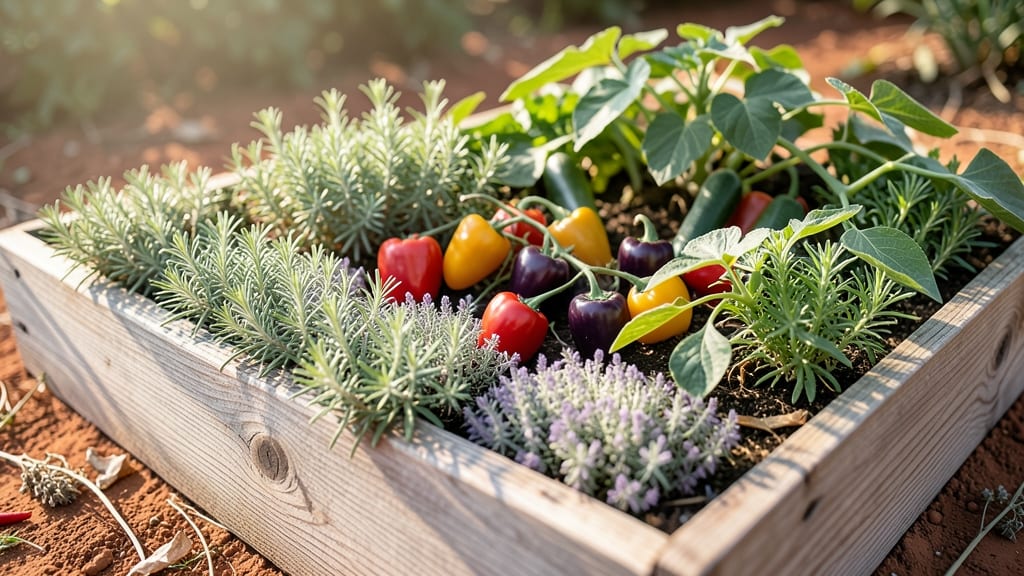
Transform your raised bed into a fragrant, low-maintenance oasis with a Mediterranean-style border that thrives in heat and drought. This layout marries aromatic herbs like rosemary and thyme with heat-loving veggies like peppers and zucchini, creating a visually stunning and productive space that requires minimal watering.
Plant drought-resistant herbs along the edges of your bed, where their silvery foliage contrasts beautifully with the deep greens of eggplants and peppers in the center. The herbs not only repel pests but also complement the vegetables' flavors—imagine fresh rosemary sprigs on your summer dishes! Water deeply but infrequently (every 7–10 days once established) to encourage deep root growth. This layout works especially well in USDA Zones 8–10, where summer temperatures can soar.
Perfect for gardeners in hot climates or those seeking a low-water, high-reward design, this border adds both beauty and functionality to your raised bed. 🌻
Four-Season Salad Bed Mix
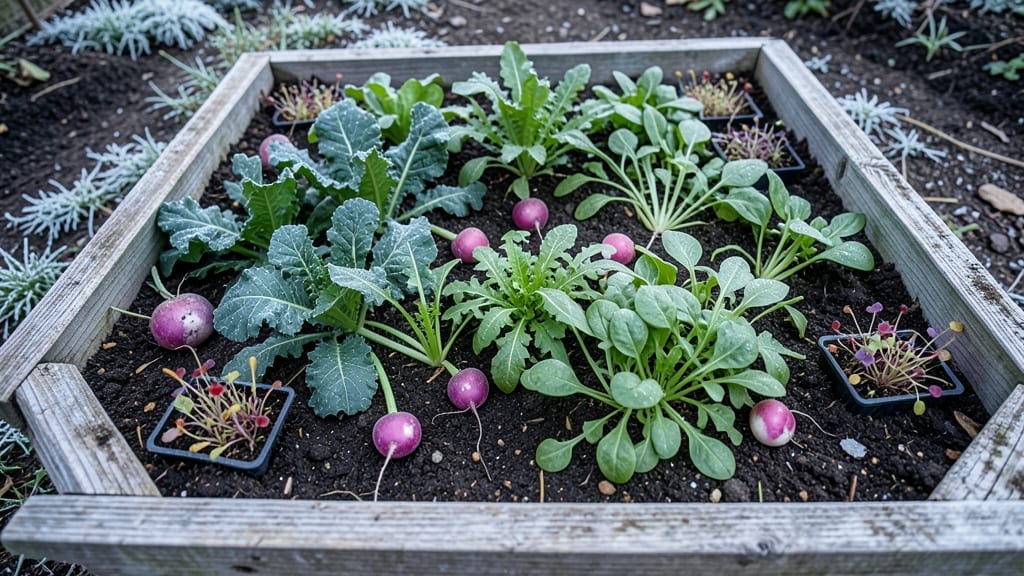
Say goodbye to salad-less winters! A four-season salad bed packed with cold-hardy greens like arugula, kale, and spinach ensures you’ll have fresh, crisp leaves even when temperatures drop. This layout also includes radishes (ready in 30 days) and microgreens (harvestable in 10–14 days) to keep your plate colorful year-round.
Start by dedicating one side of your raised bed to spinach and kale, which tolerate light frosts, while the center hosts arugula and radishes for quick harvests. Add microgreens in shallow trays along the edges—they grow fast and add a peppery kick to salads. Mulch with straw in winter to protect tender greens, and fertilize lightly with compost tea every 4–6 weeks to maintain vigor.
This layout is ideal for urban gardeners with limited space or anyone craving homegrown greens without summer-only restrictions. With minimal effort, you’ll enjoy year-round harvests that outshine store-bought options. 💚
Root Vegetable Isolation Zones
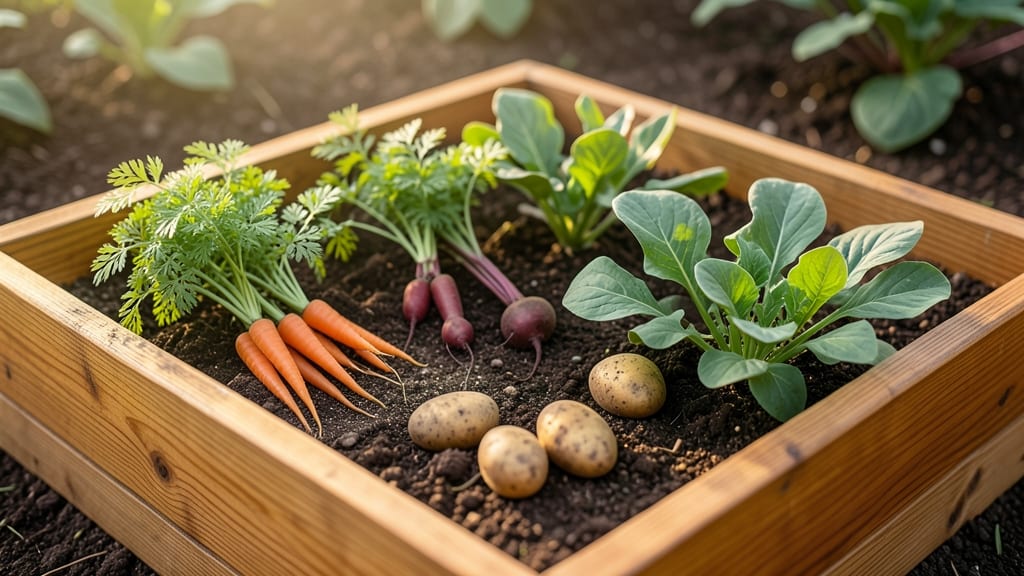
Frustrated with crooked carrots or stunted beets? Root vegetables like these need their own dedicated space to grow properly—without competition from shallow-rooted neighbors. This isolation zone layout ensures your deep-rooted crops (think carrots, beets, and potatoes) have room to spread and develop straight, unobstructed roots.
Start by reserving a corner or side of your raised bed for root vegetables, keeping them at least 12–18 inches apart in rows spaced 12–18 inches apart. Avoid planting them near shallow-rooted crops like lettuce or onions, which compete for nutrients and space. Loosen the soil deeply before planting—aim for at least 12 inches of depth—to prevent root binding. For extra organization, use wooden borders or string lines to mark rows.
This layout is a game-changer for gardeners who want perfectly shaped root vegetables without the hassle of weeding or crowding. Ideal for both beginners and experienced growers, it’s especially useful in raised beds where soil depth and space can be carefully controlled. 🌱
Asian-Inspired Stir-Fry Garden
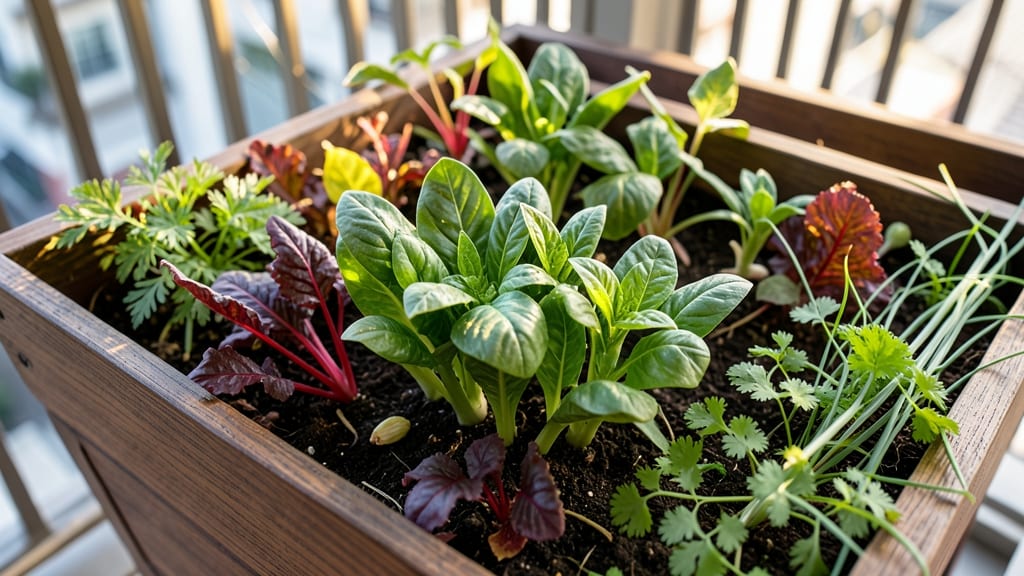
Turn your raised bed into a culinary powerhouse with an Asian-inspired stir-fry garden that delivers fresh ingredients in just 30–45 days. This layout is perfect for small spaces, urban balconies, or anyone craving homegrown flavors without the wait of traditional vegetable gardens.
Start by planting bok choy and green onions along the edges for quick harvests—both mature in under a month and add vibrant texture to dishes. Tuck Thai basil in the center for its fragrant, spicy leaves, and let snow peas climb a small trellis to save space. Keep the soil consistently moist (but not soggy) and fertilize lightly every 2–3 weeks for maximum growth. This combo thrives in full sun to partial shade, making it versatile for most climates.
Ideal for small-space gardeners or anyone who loves fresh, flavorful meals, this layout ensures you’ll have homegrown ingredients ready for stir-fries, soups, or garnishes all season long. 🌱
Shade-Tolerant Leafy Greens Layout
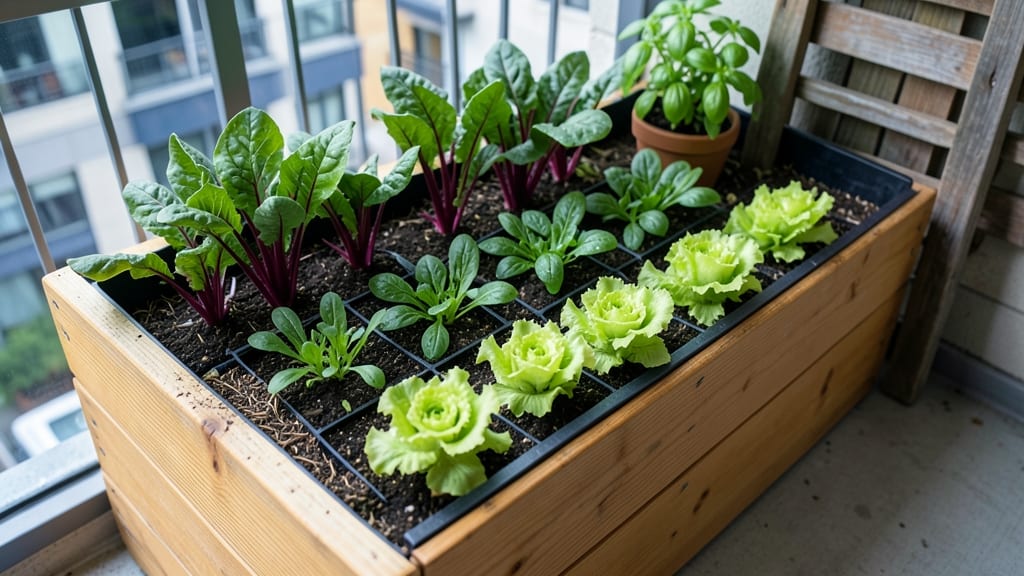
Not all raised beds get full sun—and that’s okay! A shade-tolerant leafy greens layout turns north-facing or partially shaded beds into productive powerhouses using Swiss chard, spinach, and lettuce varieties that thrive with just 3–6 hours of sunlight daily. This design is perfect for urban balconies, forest-edge gardens, or areas where tall trees cast long shadows.
Start by choosing heat-tolerant varieties like Fordhook Giant Swiss chard (with its stunning rainbow stems) or Bloomsdale spinach (slow-bolting for summer harvests). Mix in buttercrunch lettuce or oakleaf lettuce for milder flavors and textural contrast. Space plants 6–12 inches apart to allow airflow and prevent fungal issues common in damp shade. Mulch with straw to retain moisture and suppress weeds—critical in low-light conditions where soil stays cooler longer.
This layout is a lifesaver for beginner gardeners or those with limited sun exposure, delivering fresh greens even when other beds struggle. Plus, the vibrant colors of red-stemmed chard and deep purple spinach add a striking visual contrast to shady corners. 💚
Pollinator-Friendly Flower and Veggie Mix

Turn your raised bed into a buzzing hub of activity with a pollinator-friendly mix that benefits both your harvest and the local ecosystem. By interplanting nasturtiums, borage, and calendula among your vegetables, you’ll create a vibrant haven for bees, butterflies, and other beneficial insects—naturally boosting pollination and increasing your yield of crops like tomatoes, beans, and squash.
Start by planting edible flowers like borage (with its striking blue blooms) near cucumbers or squash, as bees adore them. Tuck nasturtiums around the edges of your bed—their bright orange flowers attract pollinators while acting as a natural pest deterrent. Calendula, with its cheerful yellow and orange petals, thrives alongside tomatoes and peppers, drawing in hoverflies that prey on aphids. For best results, space your flowers every 12–18 inches and keep them well-watered to ensure continuous blooms throughout the season.
This layout is a win-win for eco-conscious gardeners and those seeking higher yields with minimal effort. Plus, your garden will become a thriving ecosystem that supports local wildlife while keeping your veggies productive. 🌿