
Landscaping
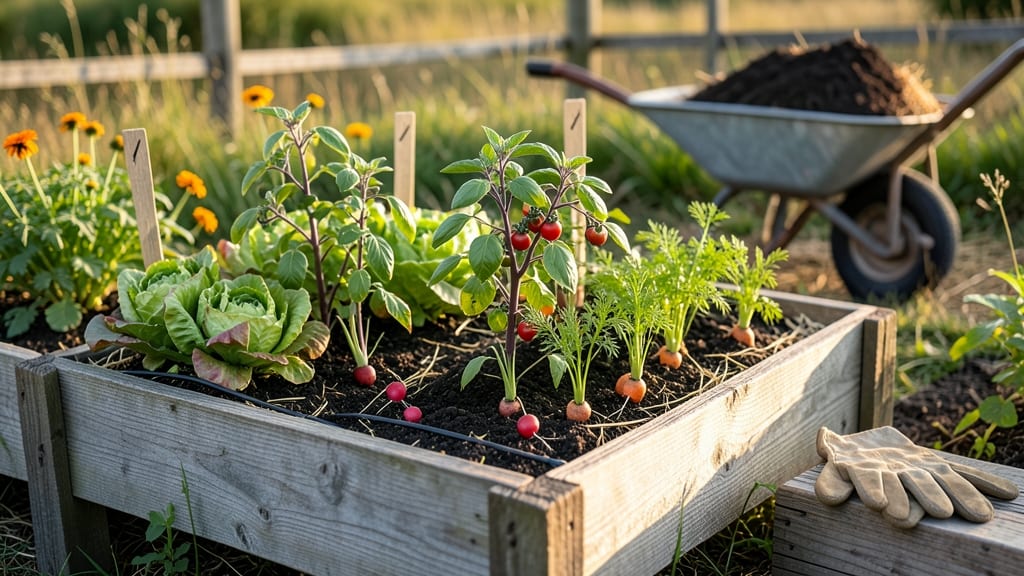
Raised bed planter ideas for small spaces transform tight areas into productive gardens by using creative materials like cedar pallets, recycled plastic lumber, or stacked cinder blocks with drainage fabric. Vertical setups with trellises or tiered wooden crates stretch growing space upward while boosting airflow and soil quality.
Small-space gardening doesn't mean sacrificing growing potential—it's all about smart design. 🌱 The key is choosing materials that balance durability with ease of assembly, like weather-resistant composite lumber that won't rot or cedar pallets that add rustic charm while resisting pests.
For urban balconies, tiered crates create vertical layers perfect for herbs and leafy greens, while corner builds maximize every inch of patio space. I've seen renters use foldable fabric planters that store flat when not in use, proving you don't need permanent structures to grow abundantly.
What sets these designs apart is how they address common challenges: drainage, weight, and mobility. A cinder block base with landscape fabric prevents soil erosion while keeping the structure stable, while lightweight plastic lumber makes moving beds between seasons a breeze.
The vertical approach isn't just about saving space—it also improves plant health by reducing soil compaction and increasing exposure to sunlight from multiple angles.
💡 In This Article
- Unconventional Raised Bed Materials Beyond Wood
- Space-Saving Raised Bed Designs for Urban Gardens
Unconventional raised bed materials beyond wood
Cedar pallets offer a budget-friendly option with natural pest resistance due to their high oil content, which deters insects and fungi. These 2x4-inch boards create beds that are typically 2-3 feet wide—ideal for small spaces where reach matters.
The rough texture also improves soil retention, though you'll want to sand any splinter-prone edges before planting. For urban balconies, I've used pallets stacked vertically with 1-inch gaps between layers to prevent rot while creating pockets for small herbs.
Recycled plastic lumber stands out for its 20-30 year lifespan and zero maintenance needs, making it perfect for renters or high-traffic areas. The material's hollow core reduces weight by 40% compared to wood while maintaining structural integrity.
Bricks or pavers create sturdy, modular beds when layered with landscape fabric between courses to prevent soil from seeping into gaps. For a zero-waste approach, repurposed containers like 5-gallon buckets or old tires (lined with pond liner) work surprisingly well for root crops like carrots or radishes.
Each material trades off different benefits: pallets cost nearly $0 but require sealing, while plastic lumber runs $50-$100 per 8-foot board but lasts decades. Bricks add permanence but limit mobility.
The key is matching your material to your space constraints—lightweight options like plastic or fabric planters let you rotate crops seasonally, while bricks suit permanent installations where you'll grow the same plants yearly.
Drainage becomes critical with non-porous materials like bricks or plastic. Always include 1-2 inches of gravel at the bottom or use fabric liners with drainage holes. For container solutions, drill ¼-inch holes in the bottom of buckets or tires to prevent waterlogging.
The trade-off? Containers dry out faster, so they're best for drought-tolerant plants like thyme or oregano unless you're willing to water daily.
Consider this sensory comparison: Pallet beds smell like fresh cedar when first assembled, while plastic lumber has a faint plastic aroma that fades after exposure to sunlight. Brick beds stay cool to the touch even in summer heat, creating a microclimate that protects roots from temperature swings.
The material choice isn't just practical—it shapes the entire gardening experience, from how your plants grow to how you interact with your space.
For maximum versatility, combine materials—use pallets for the frame but line them with heavy-duty plastic to extend their lifespan. This hybrid approach gives you the best of both worlds: natural aesthetics with modern durability. 🌿