
Tools
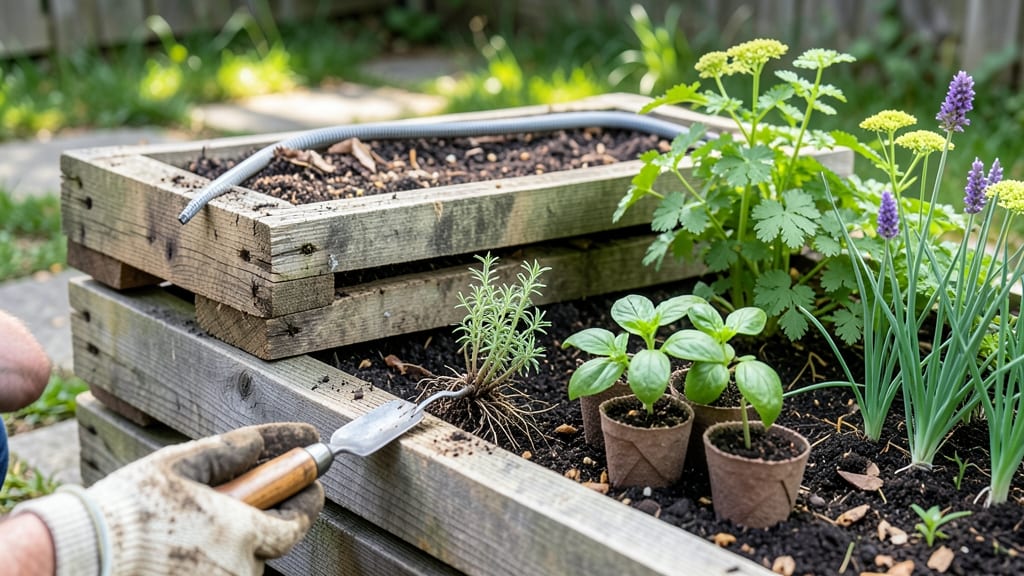
Building a raised bed garden from wooden pallets turned my cluttered yard into a thriving food forest. 🌱 The best part? It costs almost nothing and gives you total control over soil quality—no more fighting poor ground or weeds.
My first pallet bed produced twice as many tomatoes as the in-ground plot, and the drainage was so good I never had to worry about soggy roots.
You’ll need a few pallets (HT or MB rated for safety), some screws, and basic tools. Skip the pressure-treated wood—it can leach chemicals—and opt for clean, untreated pallets instead.
Line the bottom with landscape fabric to keep weeds at bay, then fill with a mix of compost, topsoil, and whatever amendments your plants crave. The key is keeping the depth at least 6-12 inches for most vegetables.
Once built, you’ll love how easy it is to customize. Add trellises for vining plants, divide the bed into sections for different crops, or even stack pallets vertically for herbs and shallow-rooted veggies.
My pallet beds stay weed-free for months because the soil stays loose and airy—no tilling required. The only downside? You’ll have to replace them every few years as the wood breaks down.
Perfect for small spaces, urban yards, or anyone tired of battling compacted soil. Start with one bed, then expand as your confidence grows. Here’s how to get started without breaking the bank or your back.
📚 In This Guide
- What you need
- Instructions
- Tips and common mistakes
- Wrapping up and next steps
What you need
- ● Wooden pallets: 2–4 (depending on desired bed size). Look for heat-treated (HT) or kiln-dried pallets (avoid chemically treated ones—check for the HT stamp).
- ● Staple gun or deck screws: (100–200 staples or 1.5-inch screws) to secure pallet boards.
- ● Landscape fabric: 1 roll (4’ x 50’) to line the bottom and block weeds.
- ● Garden soil: 1–2 cubic yards (mix with compost for nutrient-rich beds).
- ● Compost or aged manure: 1–2 bags (for soil enrichment).
- ● Drill or hammer: For assembling the frame.
- ● Measuring tape & pencil: To mark cuts if needed.
- ○ Saw (hand saw or circular saw): For trimming pallet boards to size (optional but helpful).
- ● Wood preservative: Non-toxic sealant to extend pallet life (e.g., linseed oil).
- ● Corner brackets or metal straps: For extra reinforcement.
- ● Drainage rocks: Small gravel or broken pottery at the bottom for water flow.
- ● Mulch: Straw or wood chips to retain moisture.
- ● Garden gloves & knee pads: For comfy, mess-free assembly!
Step-by-Step guide to building raised bed gardens from wooden pallets
Transforming pallets into productive raised beds is easier than you think—here’s how to build sturdy, upcycled planters that yield big harvests.
🪴 Step 1: Select and Prepare the Wooden Pallets
Choose heat-treated pallets (marked "HT" for heat-treated) to avoid toxic chemicals. Look for pallets with at least 4 feet of width—this gives you enough space for 4 plants side by side. Avoid pallets with nails or staples; opt for screw-attached wood or use a hammer to remove protruding fasteners. Sand rough edges to prevent splinters, especially if kids or pets will be nearby.
Check for warping or cracks—pallets should be structurally sound. If a pallet is slightly uneven, that’s okay; just arrange them so the high sides face outward. Real talk: I’ve used pallets with minor imperfections, and as long as they’re dry and stable, they work perfectly for raised beds.
🌱 Step 2: Assemble the Pallet Frame
Arrange 4 pallets in a rectangular shape, with the long sides facing up to create the bed’s walls. For a 4-foot by 8-foot bed, use two pallets for the long sides and one each for the short ends. Secure the corners by screwing 2x4 lumber across the joints—this reinforces stability and prevents the frame from spreading over time. Pre-drill holes to avoid splitting the wood.
Line the inside of the frame with landscape fabric to block weeds and grass from invading your soil. Staple the fabric to the pallet edges, leaving a 2-inch overhang at the bottom to prevent soil from escaping. This step saves you from pulling weeds later and keeps your bed neat.
💧 Step 3: Add Drainage and Fill with Soil
Place a layer of hardware cloth (1/4-inch mesh) over the landscape fabric to deter burrowing pests like voles. Fill the bed with a mix of equal parts topsoil, compost, and perlite—this ensures good drainage while retaining moisture. Avoid garden soil alone; it compacts easily and drains poorly. For a 4-foot by 8-foot bed, you’ll need about 1 cubic yard of soil mix (roughly 27 cubic feet).
Leave a 1-inch gap at the top of the pallet walls to prevent soil spillage during watering. If your pallets are shallow (less than 10 inches deep), add a 2-inch layer of straw or wood chips at the bottom for extra drainage. You’ll see roots thrive better when they’re not sitting in soggy conditions.
☀️ Step 4: Plant and Maintain Your Pallet Garden
Space plants according to their mature size—18-24 inches apart for tomatoes and peppers, 12 inches for leafy greens like lettuce. Water deeply 2-3 times per week, checking that the soil stays moist but not waterlogged. Pallet beds dry out faster than ground-level gardens, so mulch with straw or shredded leaves to retain moisture and suppress weeds.
Rotate crops yearly to prevent soil depletion. After harvesting, add a 2-inch layer of compost to replenish nutrients. I’ve kept the same pallet beds for years by refreshing the soil mix every season—no need to rebuild unless the wood starts rotting.
✂️ Step 5: Extend the Life of Your Pallet Beds
Seal the wood annually with non-toxic, food-safe sealant to protect against rot and insects. Avoid pressure-treated wood; the chemicals can leach into your soil. If pallets start sagging after 3-4 years, reinforce them with additional 2x4 supports screwed into the frame. With proper care, your pallet beds can last 5-7 years—long enough to grow multiple bountiful harvests.
Here’s the thing—pallets break down over time, but that’s okay. You can always disassemble and rebuild with fresh pallets. The key is to keep the soil rich and the structure sound. Watch your plants flourish in their new upcycled home!
Tips & tricks for perfect pallet raised beds
Here's what nobody tells you about building pallet gardens that actually last and produce.
Pallet Selection Insight: Look for pallets with clean, straight grain—avoid those with deep cracks or rot. The "HT" stamp isn't just about safety; heat-treated pallets resist moisture better, which means your beds will last longer. I've found that pallets with visible wood grain (not pressed boards) hold screws better and won't splinter as easily when you're planting. Confession: I skipped this check once and ended up with a bed that fell apart after one season.
Frame Stability Secret: When assembling your 4-foot by 8-foot frame in Step 2, use corner braces in addition to the 2x4 lumber. These metal brackets add extra reinforcement without being visible. I learned this the hard way after watching a windstorm push my first bed out of shape. The corner braces cost $5 at the hardware store and saved me from rebuilding entirely. Also, pre-drilling holes prevents wood from splitting when you screw in the 2x4 supports.
Soil Mix Upgrade: While the standard mix of equal parts topsoil, compost, and perlite works, I've had better results adding 1/4 cup of worm castings per cubic foot of mix. Worm castings boost microbial activity, which helps plants absorb nutrients more efficiently. For a 4-foot by 8-foot bed, that's about 7 cubic feet of soil mix—so you'd add roughly 2 cups of worm castings total. The extra cost pays off with healthier plants and bigger harvests.
Watering Wisdom: Pallet beds dry out faster than ground soil, but you don't need to water daily. The key is deep watering—aim for 1-1.5 inches of water per week, either all at once or split into two sessions. Use a rain gauge or measure your watering can to track this. I've seen beginners overwater because they think more is better, but soggy roots lead to rot. The 1-inch gap at the top of your pallets helps prevent spillage, but don't rely on it to catch excess water—drainage should happen through the hardware cloth at the bottom.
Pro Tips for Raised Bed Garden Wooden Pallets
- Here's what nobody tells you about building pallet gardens that actually last and produce.
- Pallet Selection Insight: Look for pallets with clean, straight grain—avoid those with deep cracks or rot.
- Frame Stability Secret: When assembling your 4-foot by 8-foot frame in Step 2, use corner braces in addition to the 2x4 lumber.
Frequently asked questions
Got questions about turning wooden pallets into raised bed gardens?
Here are some of the most common ones—plus quick, practical answers to help you grow with confidence!
Can I use any wooden pallet for a raised bed?
Not all pallets are safe! Look for HT (Heat-Treated) stamps—these are chemical-free and ideal for gardening. Avoid MB (Methyl Bromide) pallets, which may contain harmful residues. Always sand rough edges and line the bed with landscape fabric to prevent leaching.
How long does it take to build a pallet raised bed?
Most DIY pallet beds take 1–3 hours, depending on size and tools. Break it down:
- 30 mins to inspect/sand pallets
- 1 hour to assemble the frame
- 30 mins to add soil and plant
What’s the best soil mix for pallet gardens?
Pallets drain fast, so use a 50/50 mix of:
- High-quality potting soil (for nutrients)
- Perlite or compost (for moisture retention)
How do I keep pests out of my pallet bed?
Pallets attract pests like termites or rodents. Prevent them with these tricks:
- Elevate pallets off the ground with bricks or cinder blocks
- Use copper tape around edges to deter slugs/snails
- Plant pest-repelling herbs (basil, mint) at the edges
What can I do if my pallet bed collapses?
Weak pallets sag over time. Reinforce them by:
- Adding corner braces or metal straps
- Replacing rotted wood with cedar or redwood (naturally resistant)
- Shortening the bed’s length (4 feet max) to reduce weight stress
Wrapping up and next steps
Transforming wooden pallets into raised bed gardens isn’t just eco-friendly—it’s a game-changer for your gardening game! 🌱 With minimal effort and creativity, you’ve got a sturdy, budget-friendly planter that maximizes space and yields bountiful harvests.
Whether you’re a seasoned green thumb or a curious beginner, this project proves that sustainability and productivity go hand in hand.
Ready to dig in? Start small—pick your first crop, gather your tools, and let your pallet garden flourish! 🌿 Check out our guide on planting tips to turn your new planter into a thriving oasis.