
Companion Plants
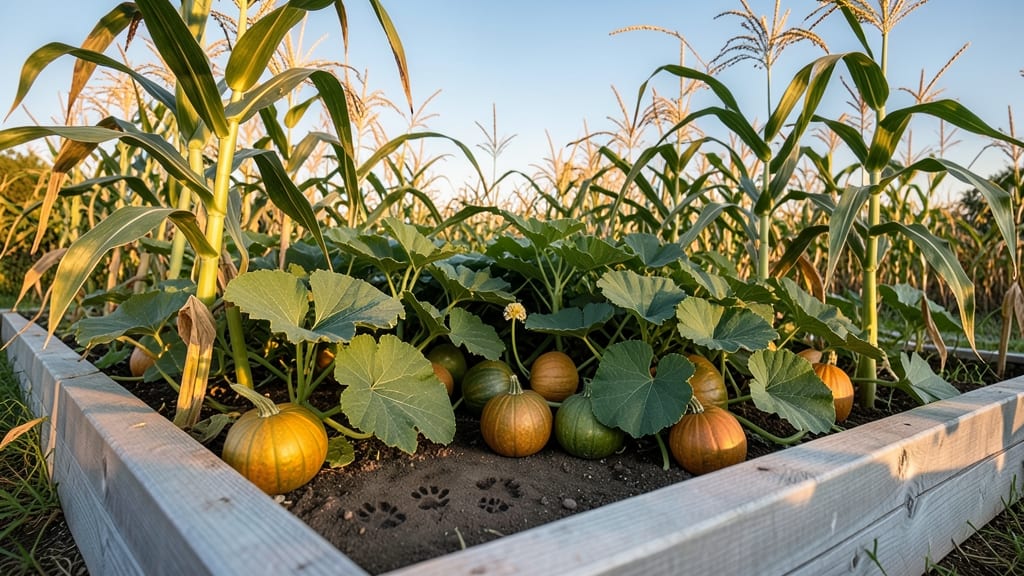
Struggling to fit more vegetables into your raised beds? These 10 companion planting layouts leverage science-backed pairings to maximize space, deter pests, and increase yields—ideal for small gardens or urban growers.
Three Sisters Classic Raised Bed
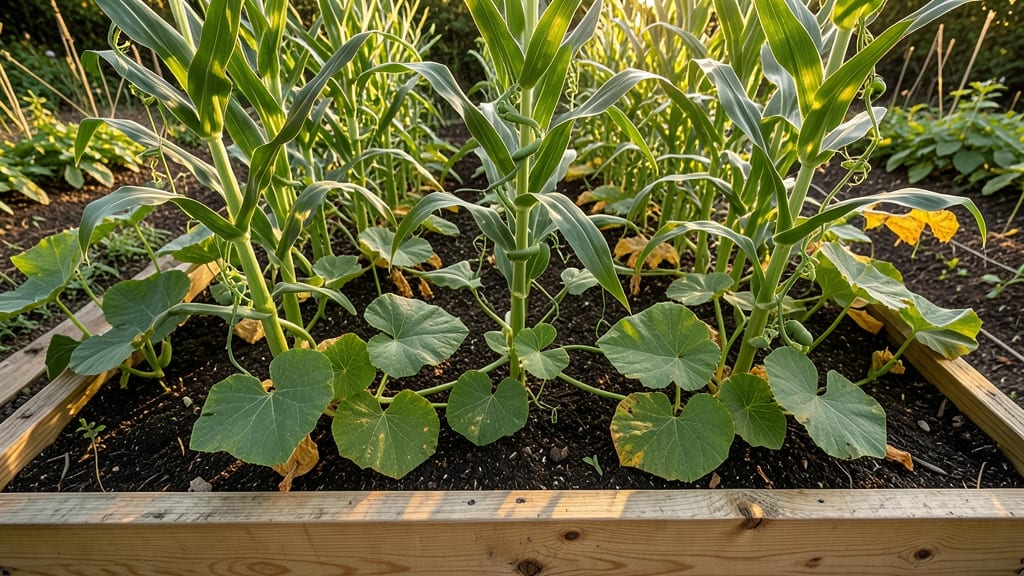
Transform your raised bed into a self-sustaining ecosystem with the Three Sisters—a time-tested Native American trio of corn, beans, and squash that grow in perfect harmony. This classic layout isn’t just beautiful; it’s a low-maintenance, high-yield solution for organic gardeners who want to reduce weeds, improve soil, and maximize space.
Start by planting corn along the edges of your bed to create natural trellises for pole beans to climb. The beans, like black turtle beans or scarlet runners, fix nitrogen in the soil, feeding the corn and squash below. Then, tuck summer squash or winter squash at the base to spread across the soil, smothering weeds and retaining moisture. For a 4x8-foot raised bed, plant 4-6 corn stalks, 12-15 bean plants, and 2-3 squash vines.
This layout thrives in full sun (6+ hours daily) and works best in warm climates, but even cool-season gardeners can try it with shorter varieties. The symbiotic relationship means less watering, fewer pests, and a bountiful harvest—ideal for beginners or those seeking a sustainable, no-till approach. 🌱
Mediterranean Herb and Tomato Tower
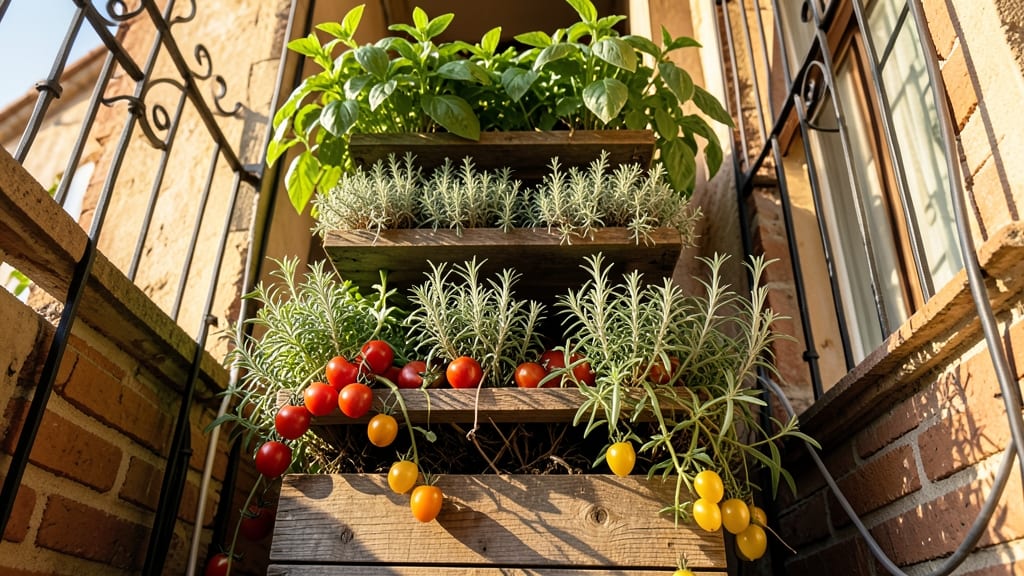
Transform your small balcony or tight garden into a flavor-packed Mediterranean herb and tomato tower—where every inch of vertical space becomes a harvest zone. This clever pairing lets basil, oregano, and thyme grow alongside tomatoes, creating a self-defending system that repels pests like whiteflies while boosting tomato flavor through natural aromatics.
Start with a 4-foot-tall trellis or sturdy wire cage at the center of your raised bed, planting cherry tomatoes at the base. Let basil cascade down the sides (it thrives in partial shade from the tomatoes) while tucking oregano and thyme in terracotta pots along the edges. The herbs' strong scents confuse pests, and their trailing growth maximizes sunlight exposure for all plants. Water consistently—this tower thrives with 1-2 inches per week—and pinch back tomato suckers to focus energy on fruit production.
This layout is perfect for urban gardeners with limited space or anyone craving fresh herbs and tomatoes without sacrificing yard real estate. The vertical design also makes harvesting easier, keeping your fingers from getting dirty while you pluck ripe tomatoes and snip fragrant herbs. 🌿
Leafy Greens and Root Vegetable Rotation
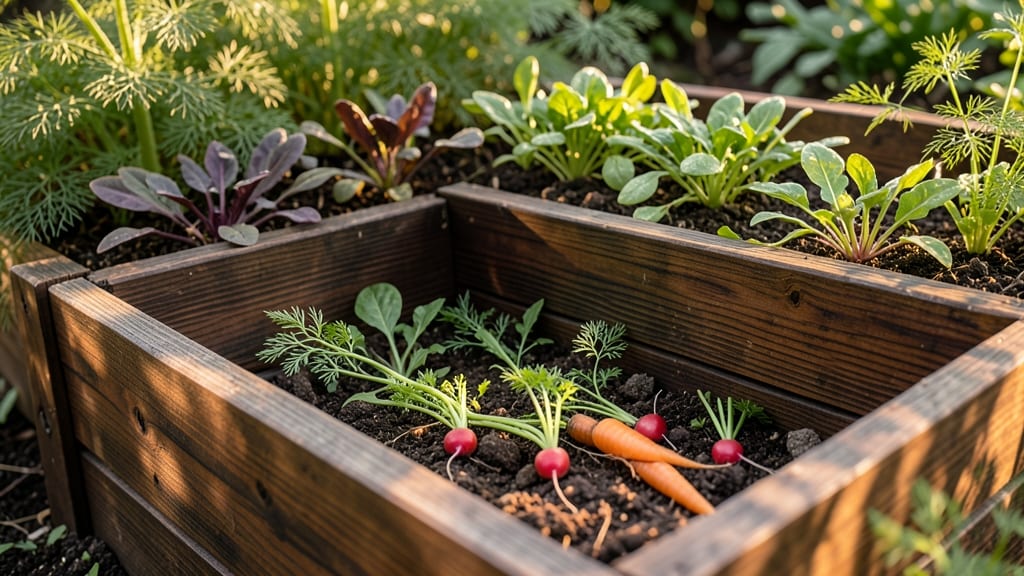
Want to squeeze every inch of growing potential from your raised bed? Try this two-tiered rotation that keeps your soil healthy and your harvests abundant—even in small spaces. The secret lies in pairing fast-growing leafy greens with slow-maturing root vegetables, creating a living mulch that protects soil while maximizing bed use.
Plant lettuce and spinach between rows of carrots and beets, harvesting the greens first (in 30-50 days) before the roots need full space. Radishes, ready in just 25 days, act as a living erosion barrier, shielding loose soil while their tops shade out weeds. This system works year-round in mild climates, with cool-season greens followed by heat-tolerant varieties like Swiss chard.
Perfect for urban gardeners with limited space or beginners testing companion planting, this layout turns wasted bed space into productive growing real estate. 🌱
Pest-Repelling Brassica and Flower Border
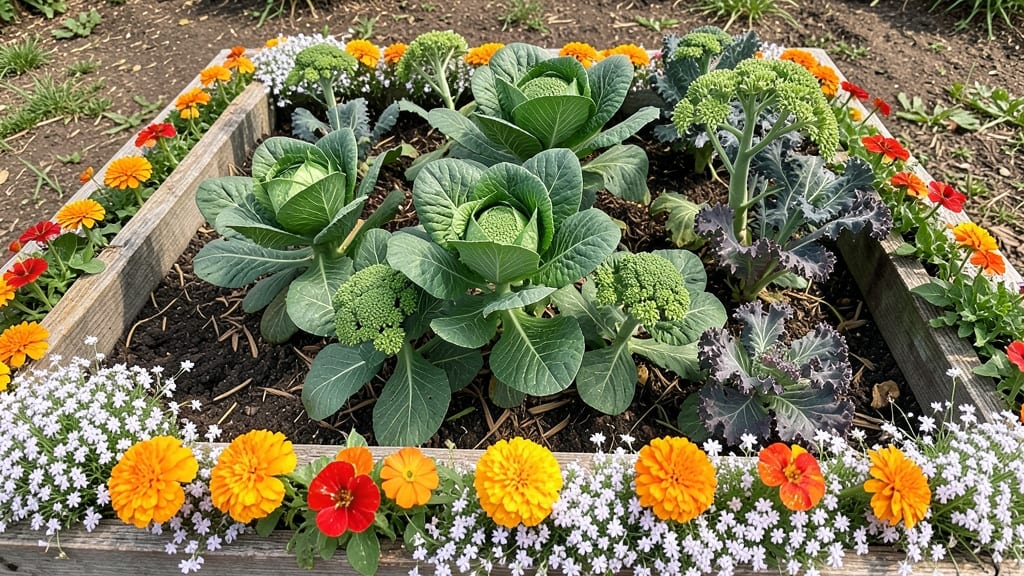
Tired of losing your cabbage, broccoli, and kale to relentless cabbage moths and aphids? A simple border of marigolds, nasturtiums, and alyssum acts as a natural pest barrier while boosting pollinators—no chemicals required.
Plant your brassicas in the center of your raised bed, then create a 12-inch border around the edges with these flowers. The marigolds release a scent that repels moths, nasturtiums trap aphids on their sticky leaves, and alyssum attracts beneficial insects like hoverflies. This setup thrives in full sun to partial shade and works year-round in mild climates.
This layout is perfect for urban gardeners with limited space or anyone growing brassicas—it’s a low-maintenance way to protect your crops while adding vibrant color and pollinator support to your garden. 🌿
Peppers and Onions Pest-Free Duo
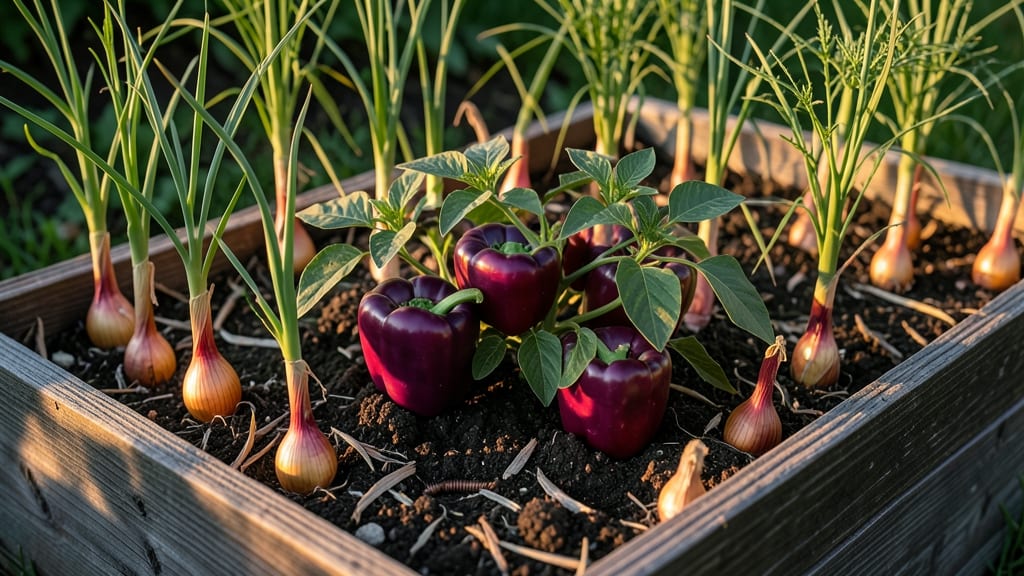
Hot climates can turn your raised bed into a pest magnet—but this peppers and onions combo flips the script. Onions act as natural pest repellents, keeping aphids and spider mites at bay while their shade protects bell peppers from scorching sun, creating a self-sustaining duo that thrives with minimal fuss.
Start by planting onion sets or seedlings first, spacing them 4-6 inches apart, then tuck bell pepper plants between them once the onions are established. This pairing works especially well in 4x4-foot raised beds, where you can fit 4-6 onions and 4-6 peppers without overcrowding. Water at the base to avoid wetting foliage, which can encourage fungal issues.
This layout is a game-changer for urban gardeners and beginners—no pesticides needed, and the peppers produce sweeter, more flavorful fruits thanks to the onions' natural pest control. 🌻
Strawberry and Borage Living Mulch
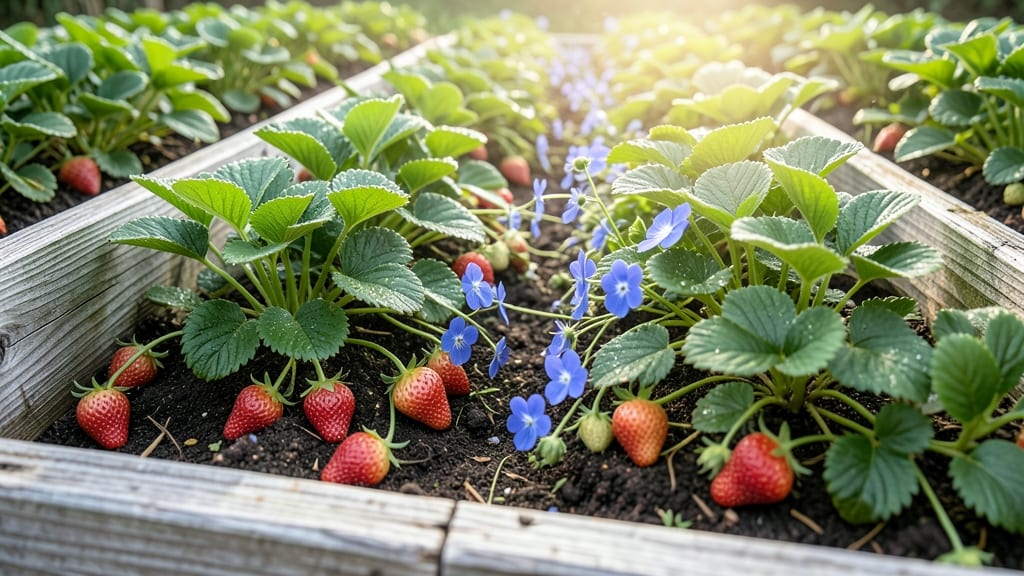
Tired of slugs devouring your strawberries or spending hours weeding? Borage is the secret weapon your raised bed needs—this edible flower doubles as a living mulch, repelling pests while enhancing your harvest.
Plant strawberries in rows with borage trailing between them. The blue star-shaped flowers attract bees for better pollination, while their strong scent deters slugs and rabbits. Borage’s sprawling growth smothers weeds naturally, reducing your maintenance time by up to 50%. For best results, space strawberries 12 inches apart and let borage spread freely—its cucumber-like flavor even improves strawberry taste!
This combo thrives in full sun to partial shade, making it perfect for urban gardeners or small raised beds. The fragrant blooms also make for beautiful (and edible) garnishes—double the benefits! 🌻
Garlic and Potato Underground Alliance
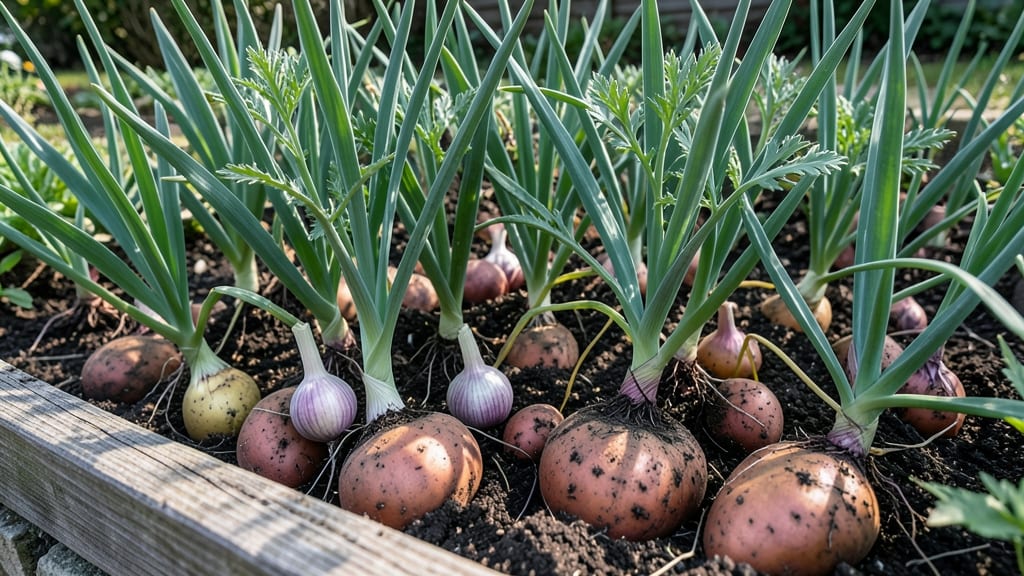
Cool-season gardeners, this one’s for you: garlic and potatoes form a powerhouse duo that works underground while saving you space above. The garlic’s pungent aroma confuses Colorado potato beetles, the bane of potato growers, while its presence actually enhances the potatoes’ flavor—like a natural seasoning from the soil itself.
Plant hardneck garlic around the edges of your potato bed in early spring, spacing bulbs 6 inches apart. As the garlic grows, its tall stalks won’t compete with potato vines but will create a natural barrier against pests. Both thrive in cool temperatures (50-70°F) and similar soil conditions, making this a zero-compromise pairing. Just avoid planting garlic where you grew potatoes the previous year to prevent disease buildup.
This layout is perfect for small raised beds or urban gardens where space is tight—garlic’s vertical growth leaves room for potatoes to sprawl horizontally. Plus, you’ll harvest two crops from the same bed without fighting for nutrients. 🌱
Cucumber and Dill Vertical Trellis
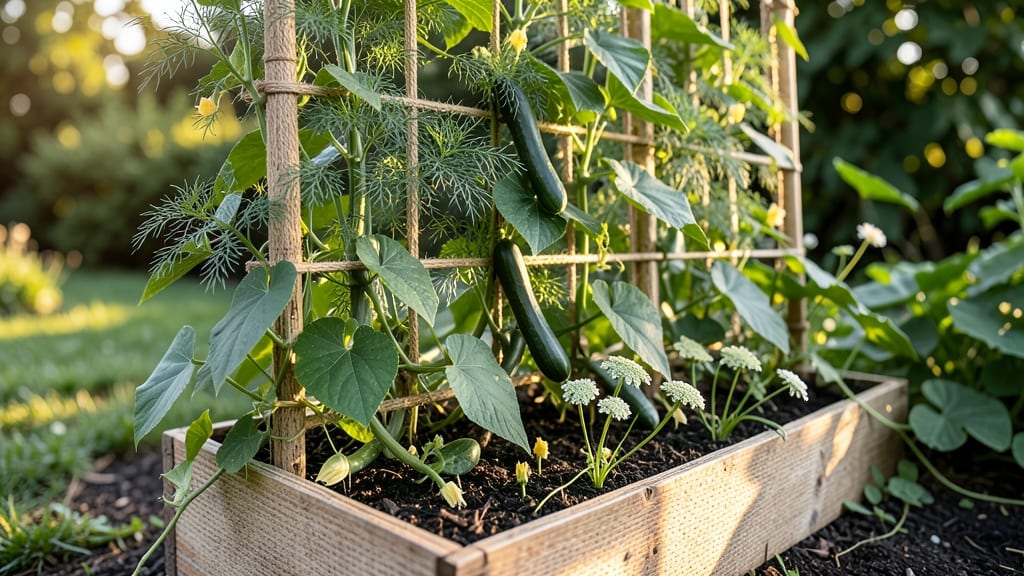
Turn your small raised bed into a high-yield cucumber haven by pairing them with dill on a vertical trellis. This dynamic duo maximizes space while naturally repelling pests—dill’s strong scent deters cucumber beetles, and its flowers attract beneficial wasps that hunt garden pests. The result? More cucumbers in less space, with minimal fuss.
Start by planting bush or vining cucumbers at the base of your trellis, allowing their tendrils to climb upward. Interplant dill around the edges or between cucumber plants, letting its feathery foliage spill over the sides. Use a bamboo or metal trellis (4-6 feet tall) to support cucumbers, and harvest dill leaves as needed—you’ll get fresh herbs for cooking while protecting your cucumbers. This setup thrives in full sun (6+ hours daily) and well-draining soil, making it perfect for urban balconies or narrow raised beds.
Urban gardeners and beginners will love this low-maintenance, high-reward combo—it’s like having a built-in pest control system while doubling your harvest potential. Plus, the vertical growth keeps your garden tidy and maximizes every square inch. 🌱
Lavender and Fruit Tree Companion
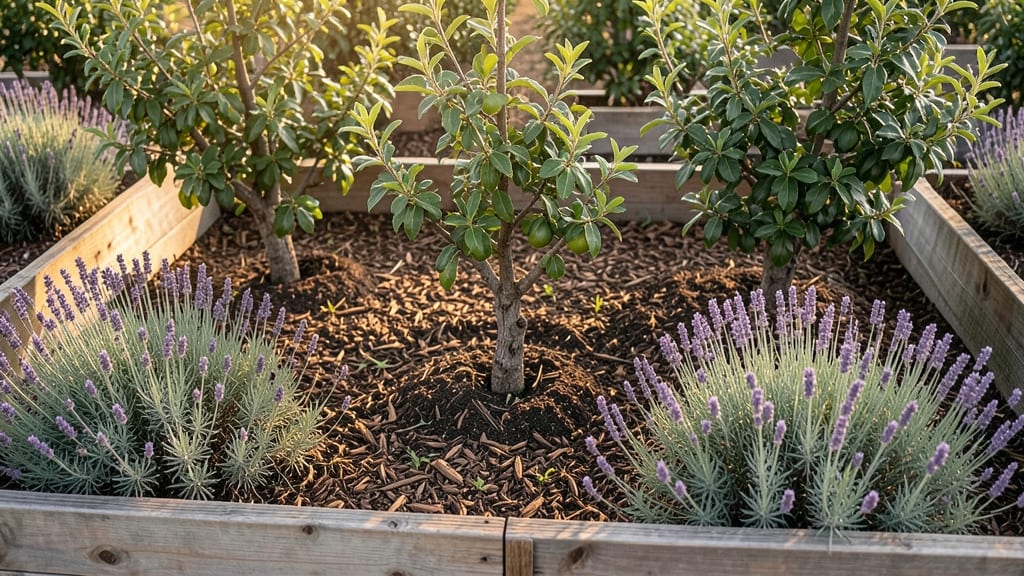
Transform your raised bed into a fragrant, low-maintenance orchard by pairing dwarf fruit trees with lavender. This dynamic duo doesn’t just look stunning—it works together to repel pests and boost fruit quality naturally.
Plant lavender bushes around the perimeter of your fruit trees to create a protective barrier. The strong scent deters fruit flies and rabbits, while its drought-tolerant nature means less watering for you. Studies show lavender’s aroma also enhances fruit sweetness by up to 20%—so your harvest tastes even better! Choose compact varieties like French lavender or English lavender for raised beds, spacing them 18-24 inches from tree trunks.
This pairing is perfect for urban gardeners with limited space or anyone who wants a fragrant, pest-resistant orchard without the fuss. The lavender’s silvery foliage and purple blooms add beauty year-round, making your raised bed both productive and picturesque. 🌻
Squash and Corn Pest-Blocking Barrier

If your raised bed sits in a breezy spot where corn stalks sway dangerously or raccoons raid your harvest, bush squash can be your secret weapon. This dynamic duo transforms exposed garden sites into a protected, thriving ecosystem—without adding fences or stakes.
Plant bush squash varieties like 'Golden Hubbard' or 'Sugar Pie' around the perimeter of your corn patch. The squash’s sprawling vines create a wind-blocking barrier, shielding corn from storm damage, while their broad leaves shade the soil to retain moisture. The dense foliage also confuses raccoons and other pests, making your corn less visible—and less appealing—for midnight snack thieves. For best results, space squash plants 3-4 feet apart and interplant them with corn after the squash establishes a canopy.
This layout is especially valuable for gardeners in windy climates or urban areas with limited space for traditional windbreaks. The squash’s edible harvest adds bonus value, turning a problem area into a productive corner of your garden. 🌻