
Landscaping
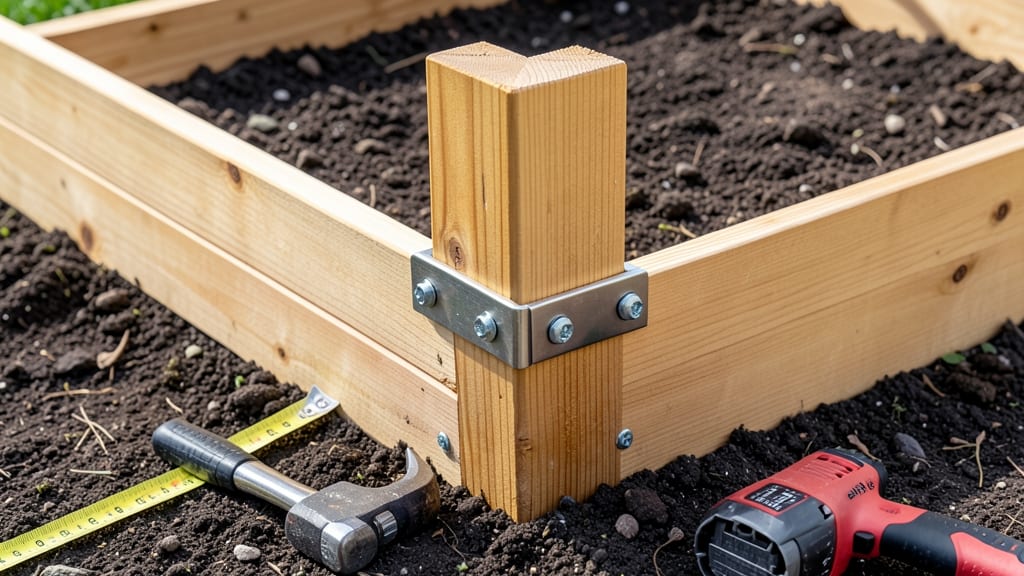
Choosing the right raised bed corner posts is the foundation of a garden that stands the test of time — and the wrong choice can turn your dream bed into a wobbly eyesore in just a few seasons.
Picture this: You’ve spent hours building your raised bed, filling it with rich soil, and planting your favorite veggies—only for the corners to sag after the first heavy rain. That’s the reality when you skip the durability showdown between pressure-treated wood and metal posts.
One will last decades with minimal upkeep, while the other might need replacing sooner than you’d like.
In this guide, we’ll break down the pros and cons of each material, from cost and maintenance to long-term stability. Whether you’re a DIY enthusiast or a seasoned gardener, knowing which posts will keep your bed solid and stylish is key to a thriving garden.
By the end, you’ll have the confidence to pick the perfect posts for your 6a zone project—no guesswork, just a sturdy, long-lasting raised bed that’s ready for years of growing.
Pressure-treated wood corner posts: longevity, cost, and maintenance deep dive
When building raised garden beds, the corner posts are the unsung heroes—holding everything together while battling moisture, pests, and weather. Pressure-treated wood corner posts are a popular choice because they offer a balance of durability, affordability, and ease of installation.
But how long will they really last, and what does maintaining them entail? Let’s break down the lifespan, cost, and upkeep so you can make an informed decision for your garden project.
Pressure-treated wood gets its strength from chemicals infused deep into the lumber to resist rot, fungi, and insects. This makes it a top contender for raised bed corner posts, especially in regions with high humidity or frequent rainfall.
However, not all pressure-treated wood is created equal—modern formulations (like ACQ or MCQ) are safer for vegetable gardens than older CCA-treated wood, which contained arsenic. Always check the label before purchasing for your edible garden.
Now, let’s compare pressure-treated wood corner posts to other materials in terms of cost, durability, and maintenance. The table below highlights key factors to consider when choosing your raised bed’s foundation.
The 5–20 year lifespan of pressure-treated wood depends heavily on the quality of treatment and how well you maintain it. Older beds (5+ years) often show signs of splintering or warping if not sealed regularly.
For a 4x8-foot raised bed, you’ll need 4 corner posts, totaling around $40–$120 upfront. While this is cheaper than metal or composite, the long-term costs add up if you skip maintenance.
To extend the life of your pressure-treated corner posts, start with proper installation. Bury the bottom 6–12 inches below ground to prevent soil moisture wicking up the wood.
Use galvanized screws or stainless steel hardware to avoid rust stains. After assembly, apply a waterproof sealant or outdoor stain to create a protective barrier against the elements.
Every 2–3 years, inspect your posts for cracks, soft spots, or mold. Sand down rough areas and reapply sealant to keep them looking fresh.
If you notice black streaks or swelling, it’s a sign of fungal decay, and you may need to replace the affected posts sooner. Regular maintenance isn’t just about aesthetics—it’s about preventing structural failure in your raised bed.
One downside of pressure-treated wood is its environmental impact. Older treatments contained harmful chemicals, but modern options like ACQ (ammoniacal copper quat) are safer for gardens. If sustainability is a priority, consider cedar or redwood for a chemical-free alternative, though they cost more upfront.
For the most eco-friendly choice, recycled metal or composite posts are worth exploring, despite their higher initial cost.
For DIYers, installing pressure-treated corner posts is straightforward. Start by marking the bed’s dimensions on the ground, then dig holes for the posts using a post hole digger. Set the posts in concrete or compacted gravel for extra stability.
Attach the bed frames with corner brackets or screws, ensuring everything is level. A 4-foot spirit level is your best friend here—uneven beds can lead to water pooling and root rot.
If you’re building a multi-level raised bed or one taller than 2 feet, consider adding internal supports or bracing to prevent leaning. Pressure-treated wood can warp over time, especially in hot climates, so reinforcing the structure early saves headaches later.
For heavy loads (like soil + mulch + plants), opt for thicker posts (4x4 inches) to distribute weight evenly.
In summary, pressure-treated wood corner posts are a budget-friendly, durable option for raised beds—if you’re willing to put in the maintenance effort. With proper sealing and occasional inspections, they can last 10+ years and keep your garden thriving.
For a low-maintenance alternative, metal or composite posts might be worth the extra cost. Either way, your garden’s longevity starts with the right foundation.
Metal corner posts for raised beds: rust-proof strength and installation secrets
When building raised beds, metal corner posts offer unmatched durability and stability compared to wood. Unlike pressure-treated lumber, metal won't rot or warp—but choosing the right type matters. Galvanized steel, aluminum, and powder-coated options each have unique strengths for different climates and budgets.
Metal posts can support heavier loads than wood, making them ideal for deep beds filled with soil and compost. However, installation requires precision to prevent shifting. Let's break down the best metal options and their real-world performance to help you make the right choice for your garden.
Galvanized steel corner posts are the heavyweight champions of durability, with a zinc coating that resists rust for 15-25 years in most climates. These posts can handle heavy soil loads and extreme weather, making them perfect for northern climates or beds filled with dense compost. The trade-off? They're heavier to install and require concrete footings for stability.
For lighter-duty beds in humid climates, aluminum posts offer corrosion resistance without the weight. They won't rust but can dent more easily under heavy pressure. Powder-coated metal posts strike a balance—combining steel's strength with a protective finish that resists chipping and fading.
These are ideal for moderate climates where you want longevity without the maintenance of galvanized steel.
Installation is where metal posts shine—and where mistakes happen. Unlike wood, metal doesn't bend or warp, so precise measurements are critical. Use a post hole digger to bury posts 12-18 inches deep and fill gaps with gravel for drainage.
For galvanized steel, add concrete footings to prevent shifting in windy conditions. Aluminum posts can often use sand or gravel alone, reducing installation time.
Cost-wise, metal posts run $15-$40 each, depending on material and finish. While more expensive upfront than wood, they eliminate the need for annual sealing or replacement.
Over 10 years, metal often costs less than maintaining pressure-treated wood. Pro tip: Buy posts with pre-drilled holes for screws to save time during assembly.
For my 4x8-foot raised beds, I chose galvanized steel posts with concrete footings—they’ve held up perfectly through three winters with no rust or shifting. The extra upfront cost paid off in zero maintenance and long-term stability.
If you're building a large-scale garden or need posts for heavy soil, metal is the way to go.