
Companion Plants
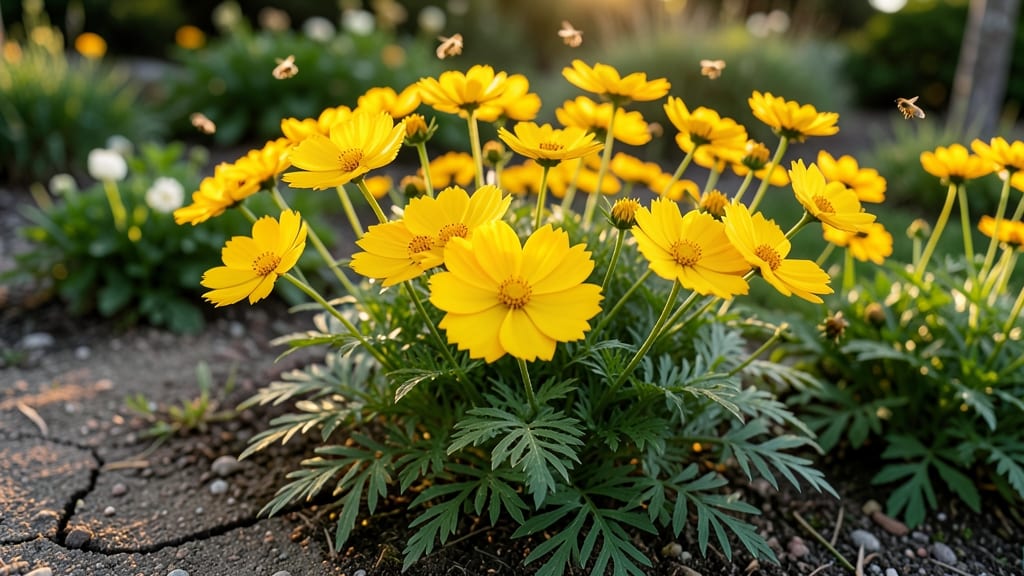
Transform your garden into a vibrant pollinator paradise with these 10 flower bed plants. Each variety supports bees, butterflies, and hummingbirds while delivering year-round color and texture for a thriving outdoor space.
Lavender English Hedge for Fragrant Pollinator Haven
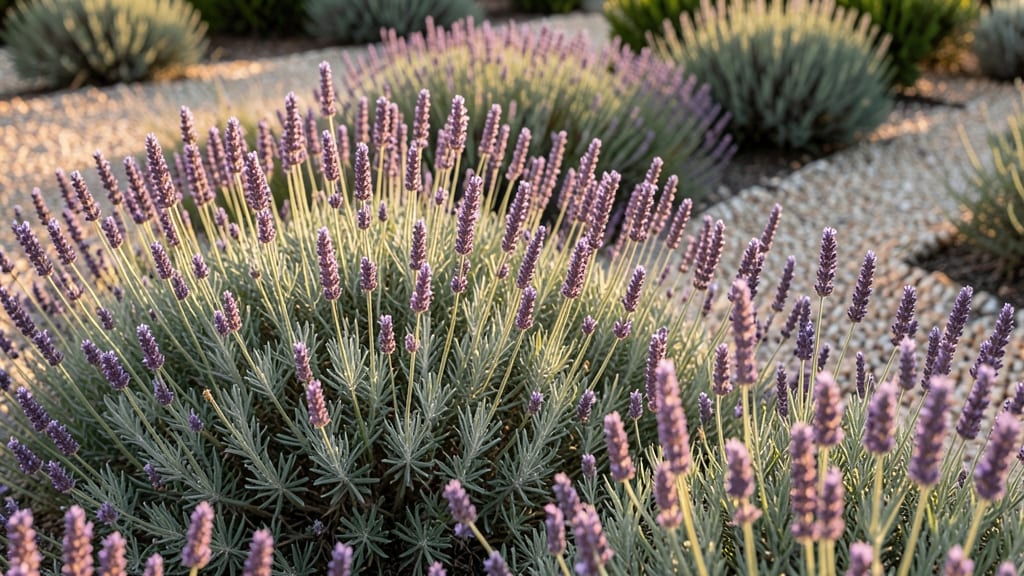
If you crave a garden that smells like a Mediterranean breeze while requiring almost no water, lavender English hedge is your secret weapon. This drought-resistant perennial thrives in full sun and produces fragrant purple blooms that pollinators can't resist—while its silvery foliage adds striking texture year-round.
Plant it in sunny borders or containers for a low-maintenance hedge that repels pests like mosquitoes and deer. Prune lightly after flowering to encourage bushier growth, and enjoy its year-round fragrance even when not in bloom. Urban gardeners and beginners will love its resilience and minimal care needs. 🌱
Black-Eyed Susan Golden Annual for Long-Blooming Beauty
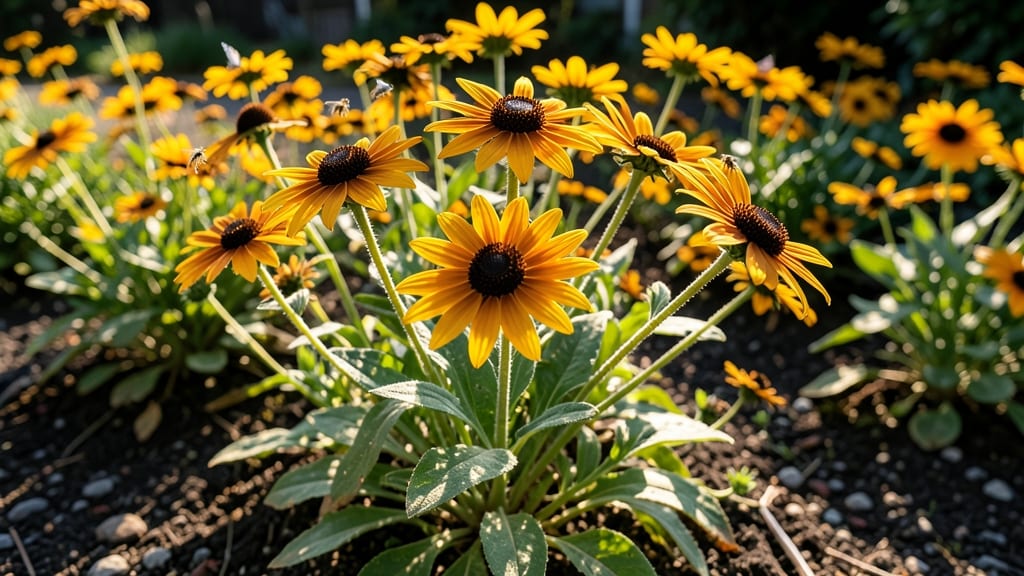
If you're looking for a heat-loving annual that thrives in the dog days of summer and keeps blooming until frost, Black-Eyed Susan (Rudbeckia hirta) is your golden ticket. This cheerful plant turns any mixed flower bed into a sunlit spectacle while providing essential nectar for butterflies.
Plant seeds directly in well-draining soil after the last frost, spacing them 12-18 inches apart for full sun exposure. Deadhead spent blooms to encourage continuous flowering, and watch as its bright yellow petals with dark centers create a striking contrast against green foliage. This annual is drought-tolerant once established, making it perfect for low-maintenance gardens.
Gardeners in hot climates will love how Black-Eyed Susan thrives where other plants wilt, offering late-season color that attracts pollinators when many gardens have faded. It's the ideal choice for sunny borders, cottage gardens, or wildflower meadows. 🌻
Coneflower Purple Perennial for Late-Season Pollinators
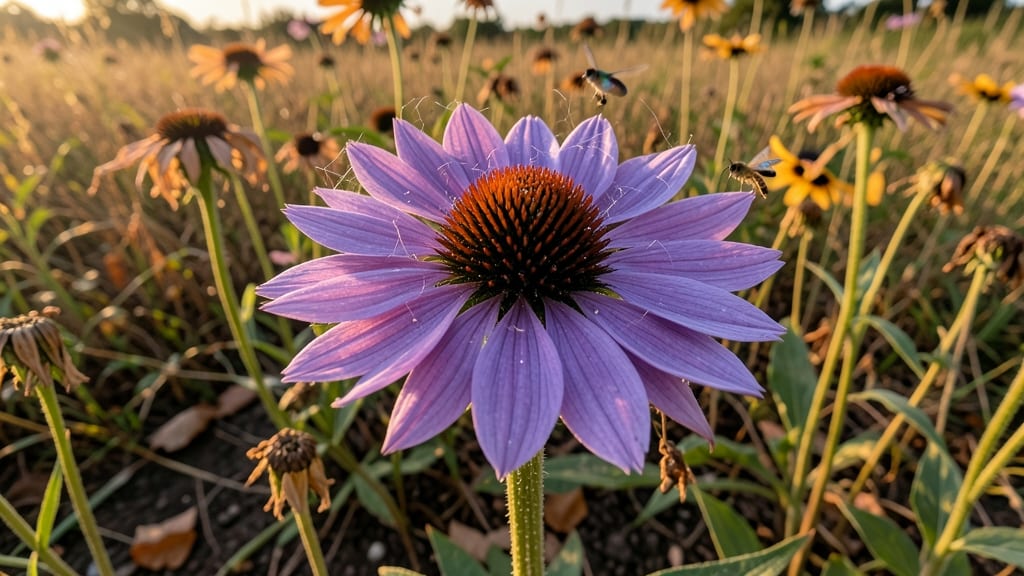
When summer blooms start fading but your garden still needs life, purple coneflower steps up as the unsung hero of late-season pollinators. This hardy perennial keeps bees, butterflies, and hummingbirds buzzing well into fall when other flowers have called it quits.
Native to North America, Echinacea purpurea thrives in poor, rocky soil and only needs 3-6 hours of sun daily. Its daisy-like blooms produce seed heads that birds adore, adding another layer of wildlife support. Deadheading spent blooms encourages more flowers and extends the season.
Perfect for beginner gardeners or those with challenging soil, coneflower’s disease resistance means fewer worries and more rewards. Plant it in clusters for maximum impact and pollinator traffic. 🌻
Salvia Blue Spires for Hummingbird Magnet Power
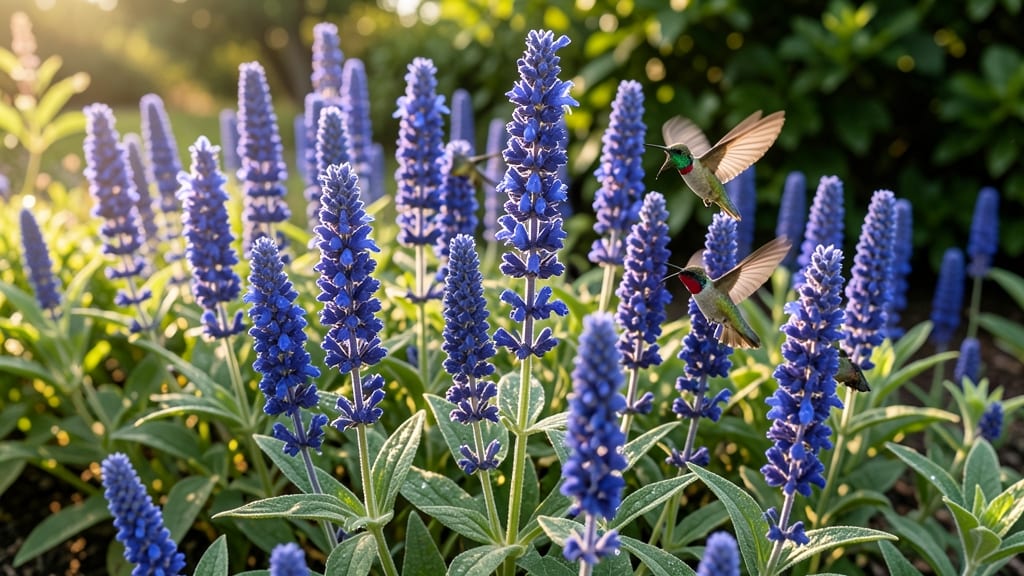
Watch hummingbirds dart and hover like tiny helicopters around your garden with Salvia Blue Spires. This drought-tolerant superstar produces striking velvety blue spikes that bloom continuously from spring to fall, making it a hummingbird's favorite buffet.
Thriving in full sun, this perennial handles dry spells with ease and grows 3-4 feet tall, creating vertical drama in your flower beds. Plant in well-draining soil and space them 18-24 inches apart for a striking, long-lasting display that keeps pollinators visiting all season.
Perfect for beginners or busy gardeners, Salvia Blue Spires requires minimal care while delivering maximum impact and wildlife support. 🌟
Marigold French Orange for Pest-Repelling Color
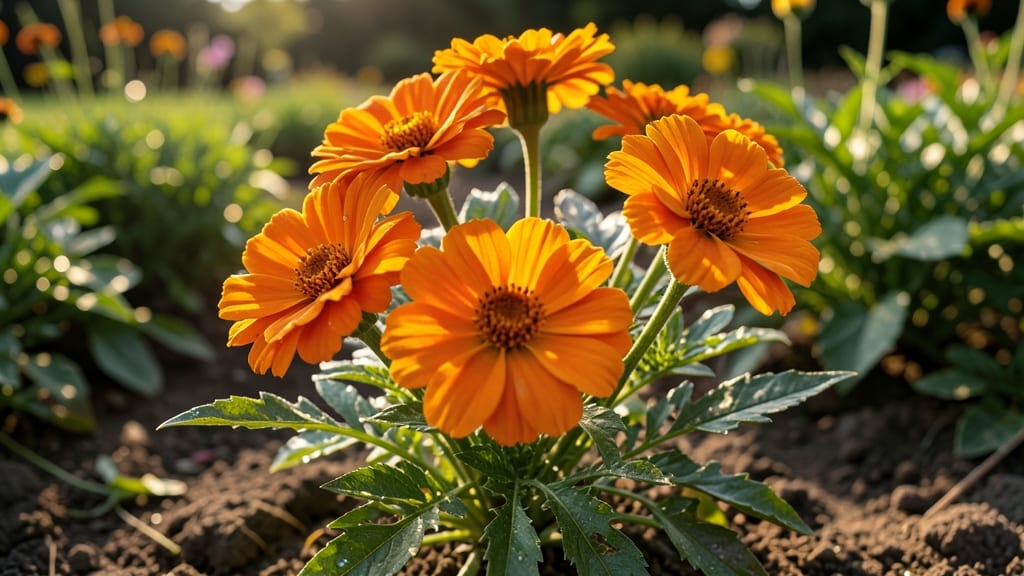
Want a two-in-one plant that repels pests and brightens your garden? Marigold French Orange delivers bold, fiery blooms while acting as a natural defense against aphids and nematodes—no chemicals needed.
These heat-loving annuals thrive in full sun and well-drained soil, blooming nonstop from summer through frost. Plant them along vegetable edges or in containers to create a living pest barrier—their strong scent confuses aphids, while their nectar-rich flowers lure bees and butterflies. Deadhead spent blooms to encourage more flowers and deter pests even longer.
Perfect for beginner gardeners or anyone tired of battling pests, these marigolds add vibrant color with almost zero effort. 🌻
Rudbeckia Goldsturm for Easy-Care Sunshine
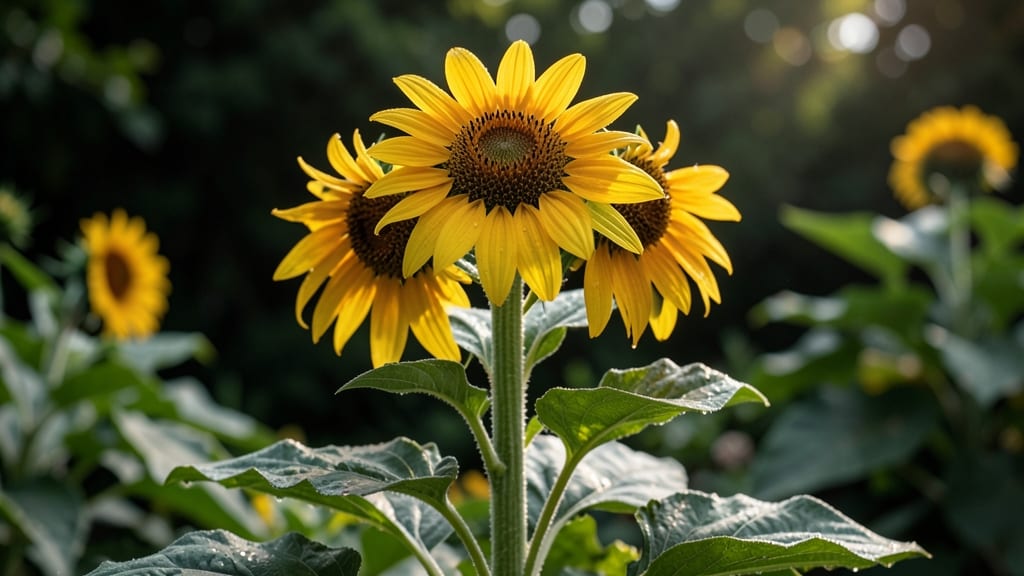
Looking for a perennial superstar that blooms effortlessly and keeps your garden buzzing with life? Meet Rudbeckia Goldsturm, the golden-yellow workhorse that thrives where others struggle. Unlike sun-loving showoffs, this beauty handles partial shade like a champ, making it perfect for shadier corners of your flower bed.
This late-season performer starts blooming in midsummer and keeps going until frost, providing a cheerful contrast to fading annuals. Its daisy-like golden-yellow flowers attract bees and butterflies while resisting powdery mildew better than most. Simply deadhead spent blooms to encourage more flowers—no fancy fertilizers or fuss required.
Ideal for beginner gardeners or busy pollinator enthusiasts, Rudbeckia Goldsturm delivers year-round interest with its sturdy foliage and seed heads that birds love in winter. Plant it once, and enjoy decades of easy-care sunshine. 🌻
Bee Balm Crimson Beauty for Hummingbird Feasts
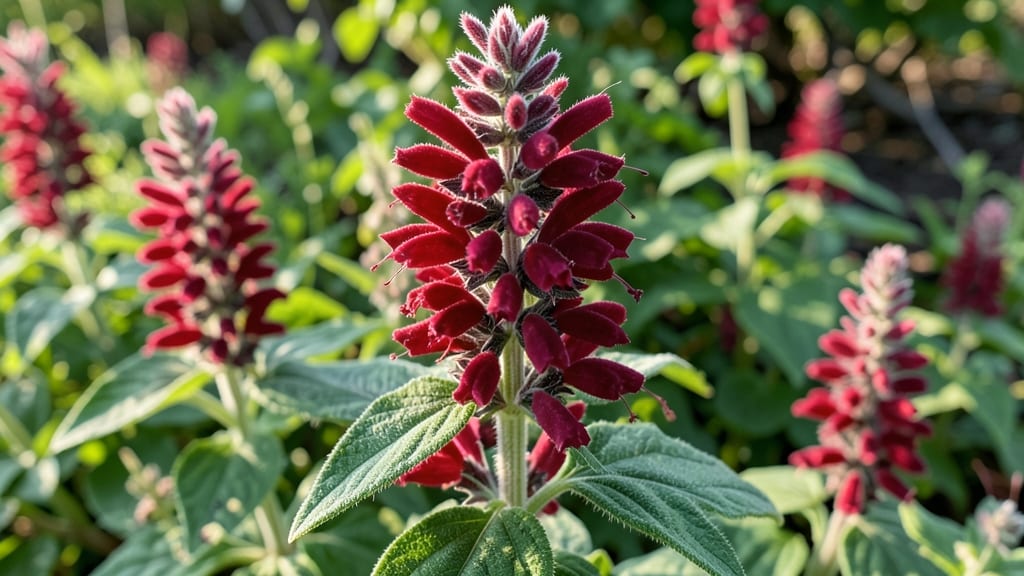
Watch your garden transform into a hummingbird hotspot with Bee Balm Crimson Beauty, a showstopper that combines bold color with wildlife magnetism. This native perennial produces clusters of deep red, tubular blooms that hummingbirds can't resist, while its fuzzy leaves add texture to any flower bed.
Thriving in moist, well-drained soil and partial shade, it spreads easily to create lush patches that deter deer—making it perfect for woodland edges or shady borders. The flowers also attract bees, butterflies, and beneficial wasps, creating a mini ecosystem right in your yard. Deadhead spent blooms to encourage continuous summer-to-fall flowering.
Perfect for beginner gardeners or pollinator enthusiasts, Bee Balm Crimson Beauty delivers year after year with minimal fuss. Plant it near seating areas to enjoy the hummingbird shows up close! 🌻
Zinnia Profusion Pink for Cut Flower Gardens
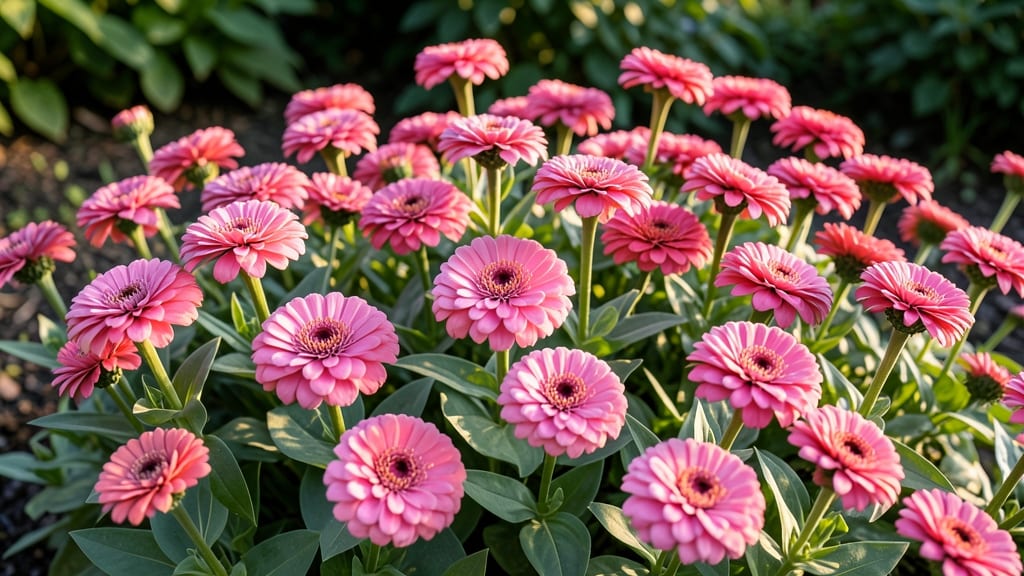
Looking for a pollinator magnet that keeps blooming until frost? Zinnia Profusion Pink delivers a nonstop show of cheerful pink blooms while resisting disease—making it the workhorse of cut flower gardens.
This compact annual thrives in full sun (6+ hours daily) and produces abundant blooms perfect for bouquets or fresh arrangements. Its disease-resistant varieties mean fewer deadheading chores, and the butterfly-friendly** flowers attract pollinators all season. Deadhead spent blooms to encourage even more flowers until the first frost.
Ideal for beginner gardeners or urban spaces, these zinnias add vibrant color with minimal fuss. Plant in well-draining soil and enjoy a garden that stays lively and buzzing with activity. 🌻
Aster New England Purple for Fall Color
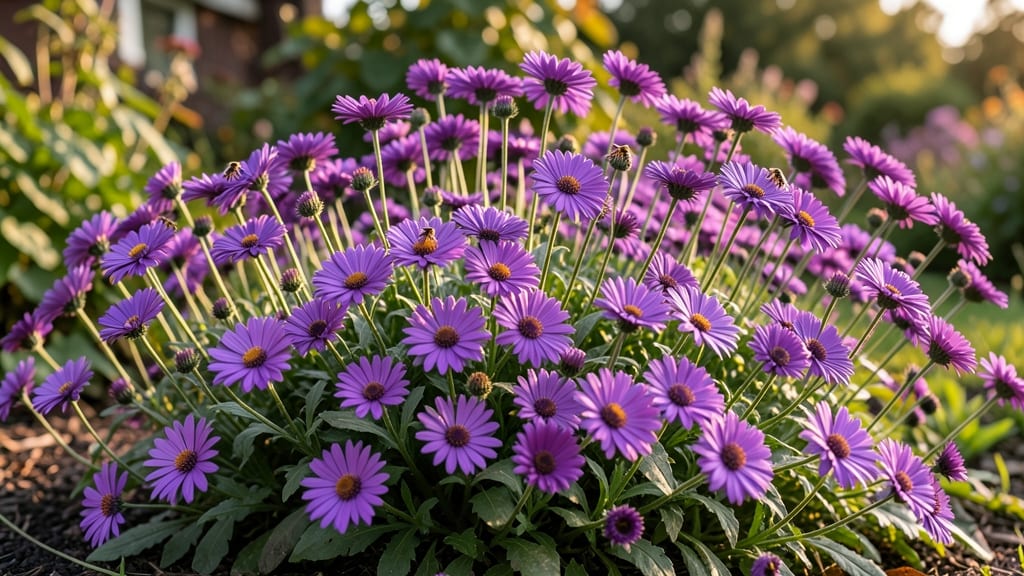
When summer blooms start fading, Aster New England Purple steps in to steal the show with its vibrant purple daisies that thrive in cooler weather. This late-blooming perennial isn’t just a beauty—it’s a lifeline for migrating monarchs and bees, offering vital nectar when other flowers have retired for the season.
Plant it in full sun to partial shade and well-drained soil for the best results. Unlike many perennials, Aster New England Purple loves the crisp air of autumn, blooming from late summer through frost. Its sturdy stems hold up well to rain, making it a reliable choice for fall gardens. Plus, its seed heads provide winter interest for birds.
Perfect for pollinator gardens, cottage-style beds, or as a cut flower, this aster brings both color and purpose to your garden. 🌟
Coreopsis Moonbeam for Drought-Tolerant Elegance

If you're dreaming of a low-water flower bed that still bursts with color, Coreopsis Moonbeam is your secret weapon. This cheerful perennial delivers bright yellow daisy-like blooms from early summer through fall, creating a sunlit oasis that thrives on neglect.
Unlike many drought-tolerant plants, Coreopsis Moonbeam attracts bees and butterflies with its nectar-rich flowers while requiring no extra watering once established. It handles poor soil and full sun beautifully, making it perfect for hot, dry climates or busy gardeners. Simply deadhead spent blooms to encourage more flowers all season long.
This is the ideal choice for urban gardeners or anyone with limited time—it’s low-maintenance yet high-impact, turning even the driest spots into a pollinator hotspot. 🌻