
Landscaping
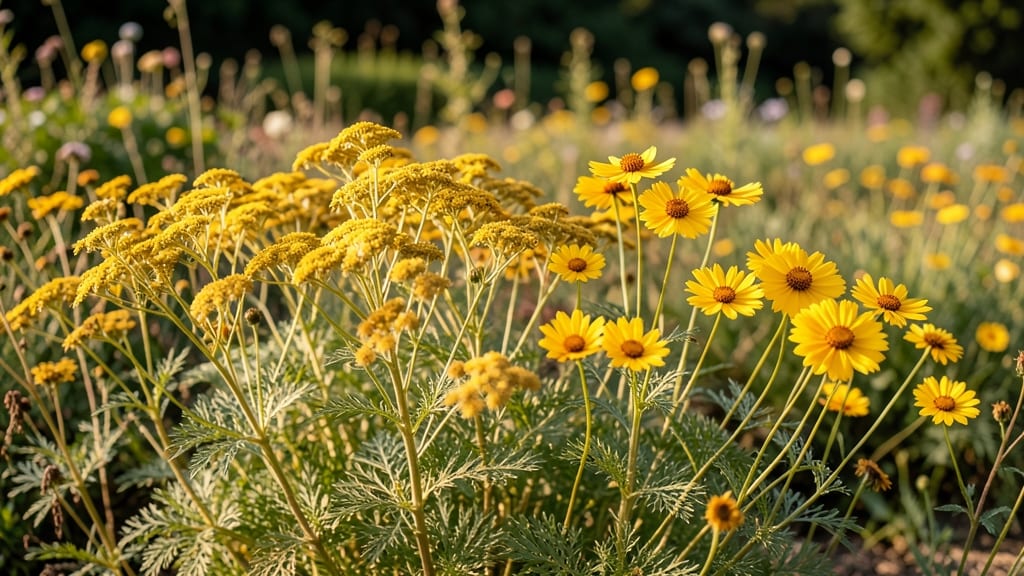
Transform your sun-drenched garden into a vibrant, low-maintenance paradise with these 10 perennial flower bed ideas. Perfect for hot, sunny spots, these blooms demand minimal care while delivering year-round color and texture.
Black-Eyed Susan Meadow Garden
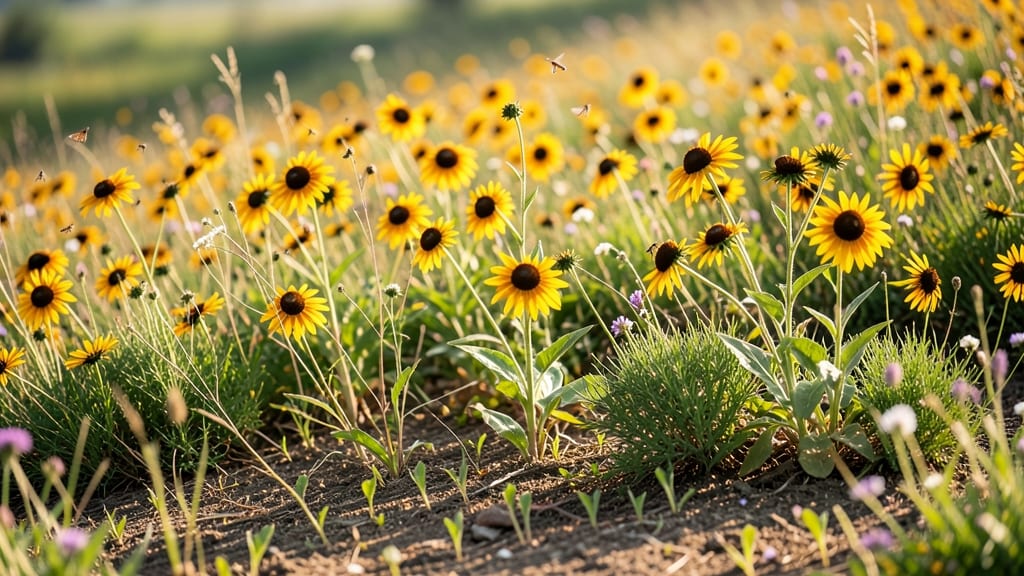
If you adore the effortless charm of wildflower meadows but want a garden that’s easy to maintain, a Black-Eyed Susan meadow is your perfect match. These golden blooms thrive in full sun, require almost no deadheading, and attract pollinators like bees and butterflies all season long.
Plant Rudbeckia hirta alongside native grasses and coneflowers for a natural, cottage-style look. The drought-resistant nature of Black-Eyed Susans means they’ll flourish even in hot, dry spells, making them ideal for low-water landscapes. For best results, space plants 12-18 inches apart and enjoy blooms from mid-summer to fall with almost zero effort.
This garden is especially magical for those who love a relaxed, romantic vibe without the fuss. It’s perfect for beginners, eco-conscious gardeners, and anyone craving a pollinator-friendly haven. 🌻
Lavender and Rosemary Pollinator Paradise
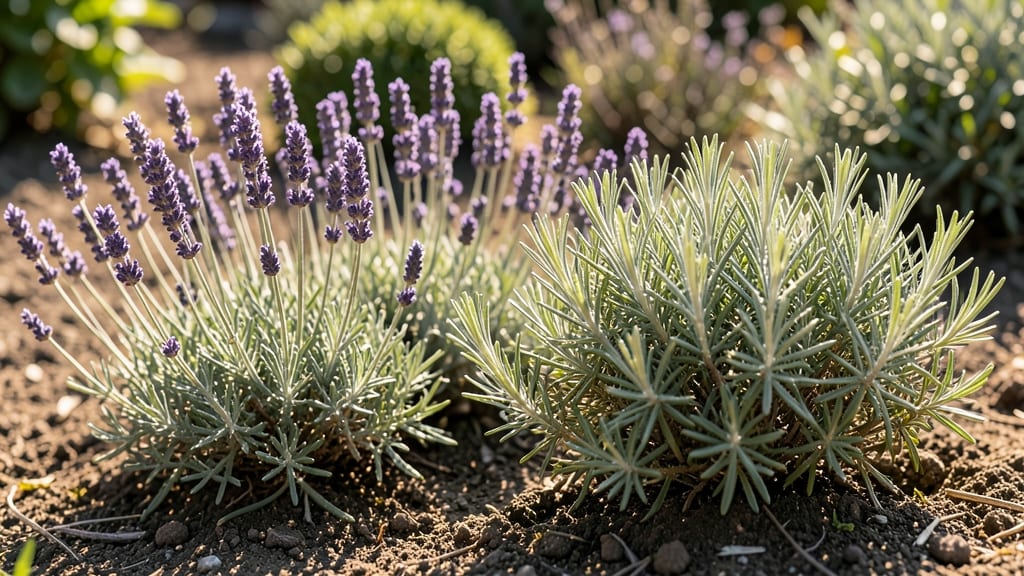
Skip the high-maintenance blooms—this fragrant duo of lavender and rosemary thrives in full sun, repels pests, and demands almost no attention. Their silvery foliage and aromatic blooms create a sensory garden experience that’s as practical as it is beautiful.
Plant lavender (like 'Munstead' or 'Grosso') 18-24 inches apart and rosemary ('Arp' or 'Hill Hardy') in clusters for a textured look. Both love well-draining soil and drought conditions, making them perfect for Mediterranean-style gardens or cottage borders. Prune lavender lightly after blooming to encourage bushiness, while rosemary benefits from occasional trimming to maintain shape.
This pairing isn’t just pretty—it’s functional. The scent deters deer and rabbits, while pollinators adore the flowers. Urban gardeners and beginners will love how these plants thrive with neglect, offering year-round greenery and seasonal blooms from spring through fall. 🌿
Daylily Rainbow Border
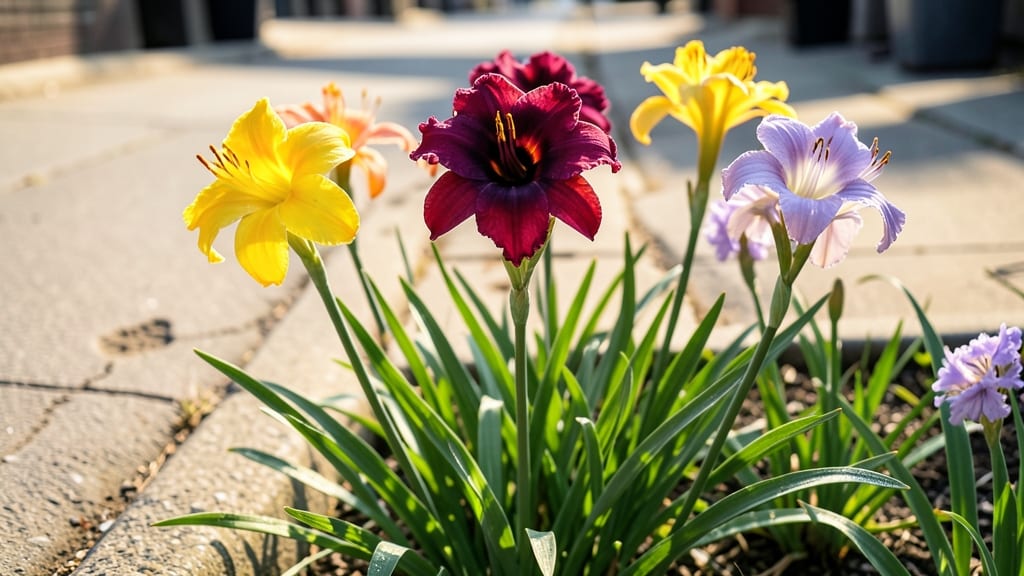
Tired of perennials that wilt under foot traffic or demand constant attention? Daylilies are the ultimate workhorse for urban gardens, offering 24+ hours of bloom time per stalk and colors ranging from sunshine yellow to deep magenta. These plants thrive in full sun to partial shade and tolerate everything from drought to heavy clay soil.
Plant them in a neat, 3-4 foot wide border with 18-24 inches between clumps for full coverage. Their grass-like foliage stays tidy year-round, and they multiply slowly—perfect for filling gaps without becoming invasive. Choose varieties like 'Stella de Oro' for compact growth or 'Happy Returns' for extra-long blooming seasons. They even handle light trimming after flowering to encourage reblooming.
This border is perfect for busy gardeners, city dwellers, and anyone who wants vibrant color with zero fuss. 🌻
Russian Sage and Blanket Flower Mix
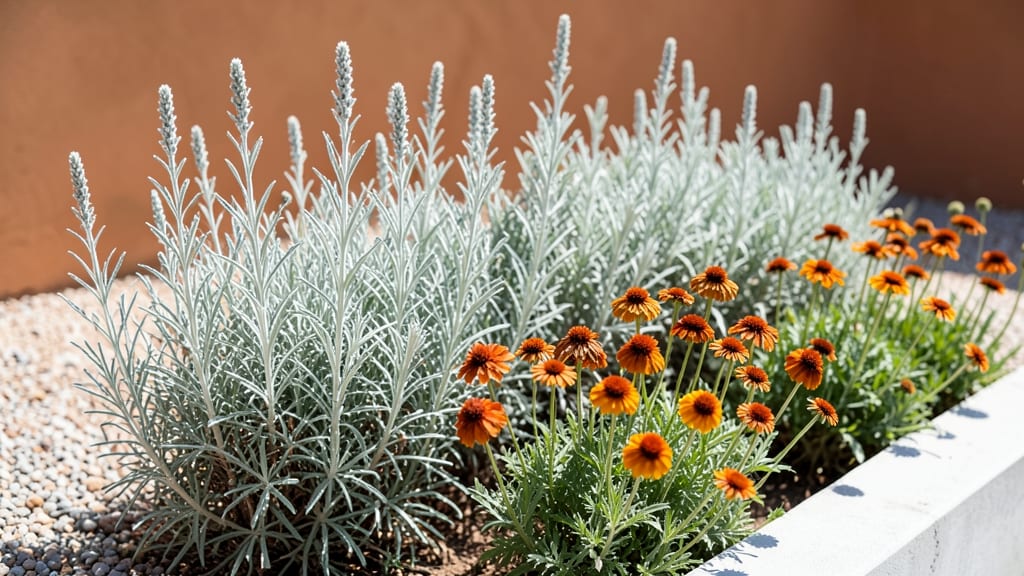
Want a low-maintenance perennial duo that thrives in full sun while demanding almost no water? The Russian sage and blanket flower combination delivers silvery foliage and bold blooms that last from summer through fall—ideal for modern landscapes where efficiency meets beauty.
Plant Russian sage (Perovskia atriplicifolia) for its airy, lavender-blue spikes that attract bees and hummingbirds, while blanket flower (Gaillardia) adds vibrant orange and red daisy-like blooms. Both tolerate drought once established and prefer well-drained soil, making them perfect for xeric gardens or rain-starved regions.
This mix is especially great for cutting gardens—Russian sage’s long stems hold up beautifully in bouquets, while blanket flower’s cheerful blooms add pops of color. Urban gardeners and busy homeowners will love how little these plants need to stay thriving. 🌻
Coneflower and Bee Balm Pollinator Hotspot
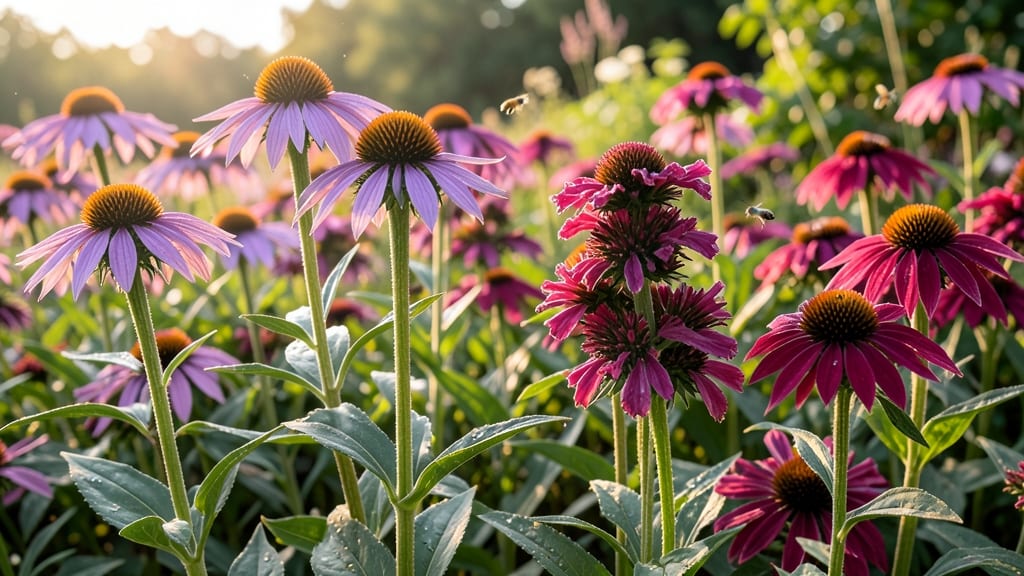
Turn your garden into a buzzing haven for pollinators with a coneflower and bee balm duo that works harder than any other combination. These two powerhouse perennials provide nectar-rich blooms from early summer through fall, making them the ultimate magnet for bees, butterflies, and hummingbirds.
Plant purple coneflowers (Echinacea) for their sturdy stems and long-lasting blooms, which thrive in full sun with well-drained soil. Pair them with bee balm (Monarda), whose fragrant, tubular flowers attract hummingbirds while repelling pests like deer. Both are drought-tolerant once established, requiring only occasional watering once rooted.
This combo is perfect for eco-conscious gardeners and wildlife enthusiasts, offering both beauty and function. Place it along fence lines or borders to create a year-round pollinator buffet that keeps your garden thriving. 🌻
Sedum 'Autumn Joy' Rock Garden
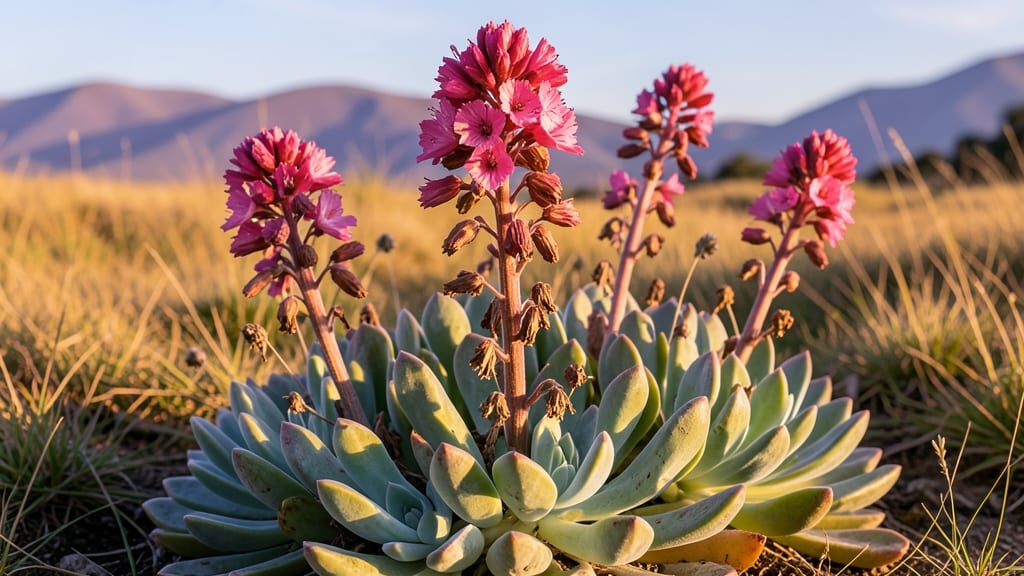
Tired of perennials that wilt in the heat or demand constant watering? Sedum 'Autumn Joy' is the ultimate drought-proof superstar that thrives in full sun while storing water in its thick, succulent-like leaves. This hardy perennial turns heads with its deep pink blooms that deepen to coppery tones as fall arrives, offering seasonal color when many gardens fade.
Plant it in rock gardens, slopes, or containers where water drains quickly—it handles poor soil and extreme heat with ease. Space clusters 12-18 inches apart for a lush, cascading effect, and enjoy blooms from late summer through frost. Deadhead spent flowers to encourage more blooms, but otherwise, this plant requires almost no maintenance beyond occasional pruning.
This is the perfect solution for urban gardeners, beginners, or anyone with hot, dry conditions who wants a low-water, high-impact perennial. Its striking fall color makes it a standout in any sunny garden. 🌻
Salvia 'May Night' and Yarrow Combination
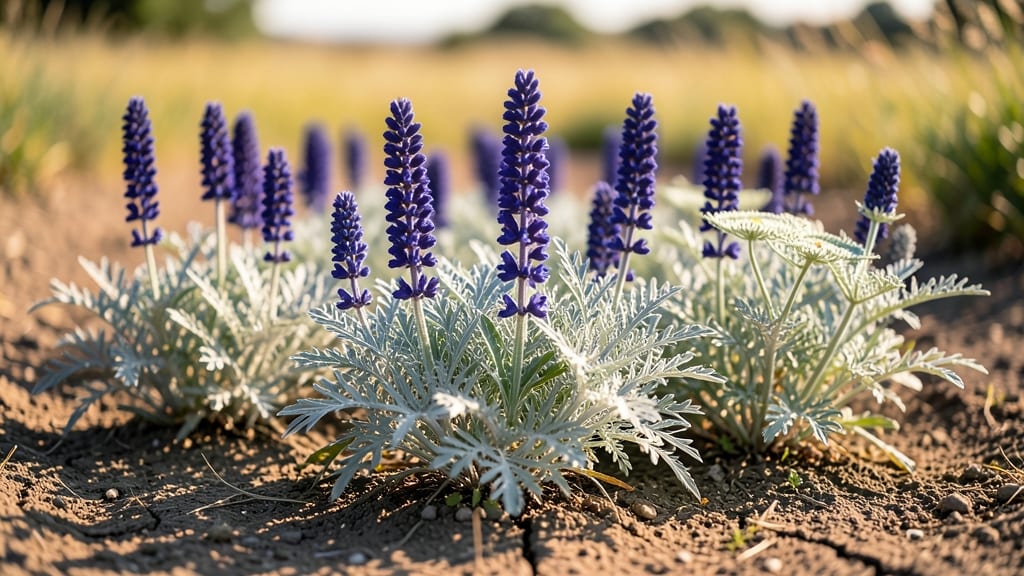
Craving a formal garden with a touch of elegance that requires almost no water? The Salvia 'May Night' and yarrow combination delivers deep, velvety blue blooms paired with delicate, feathery foliage for a sophisticated yet effortless look.
Plant Salvia 'May Night'—known for its striking 6-inch-long spikes of cobalt-blue flowers—that thrives in full sun and well-drained soil. Tuck in Achillea millefolium (yarrow) with its fuzzy, fern-like leaves and cheerful white or yellow blooms for contrast. Both are drought-tolerant once established, making them perfect for low-water landscapes or xeric gardens. Space them 18-24 inches apart for a lush, structured bed that blooms from early summer through fall.
This pairing is ideal for gardeners who love structured designs but want minimal upkeep. The long-lasting blooms and pollinator-friendly nature make it a winner for formal gardens, urban courtyards, or even container arrangements. 💚
Butterfly Weed and Black-Eyed Susan Edge
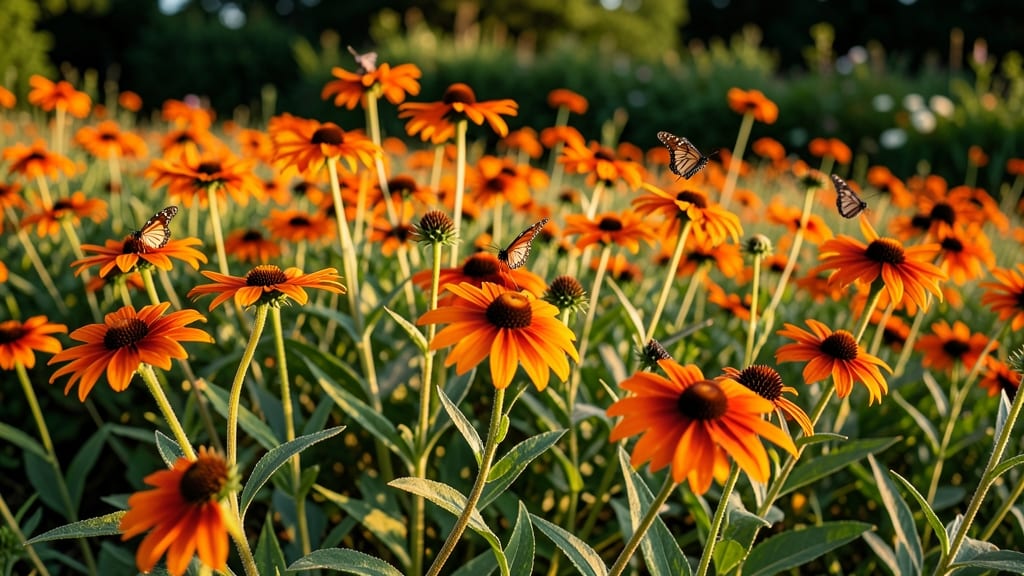
Want to create a pollinator paradise that doubles as a stunning border? The butterfly weed (Asclepias tuberosa) and black-eyed Susan (Rudbeckia hirta) combo delivers vibrant orange blooms that attract monarch butterflies while adding bold color to your garden edges. This native duo thrives in full sun and requires almost no maintenance once established.
Plant butterfly weed—known for its milky sap and narrow leaves—along the front of your border, spacing clumps 12-18 inches apart. Behind it, tuck black-eyed Susans (with their golden-yellow petals and dark centers) 18-24 inches apart for a cascading effect. Both plants are drought-tolerant and deer-resistant, making them perfect for sunny, low-water gardens. Deadhead spent blooms to encourage more flowers, but otherwise, these perennials are nearly self-sufficient.
This edge is ideal for gardeners who want to support monarch butterflies while adding a pop of color that lasts from mid-summer to fall. It’s especially magical for pollinator enthusiasts and those with small spaces who want maximum impact with minimal effort. 🌱
Liatris 'Kobold' Spike Garden
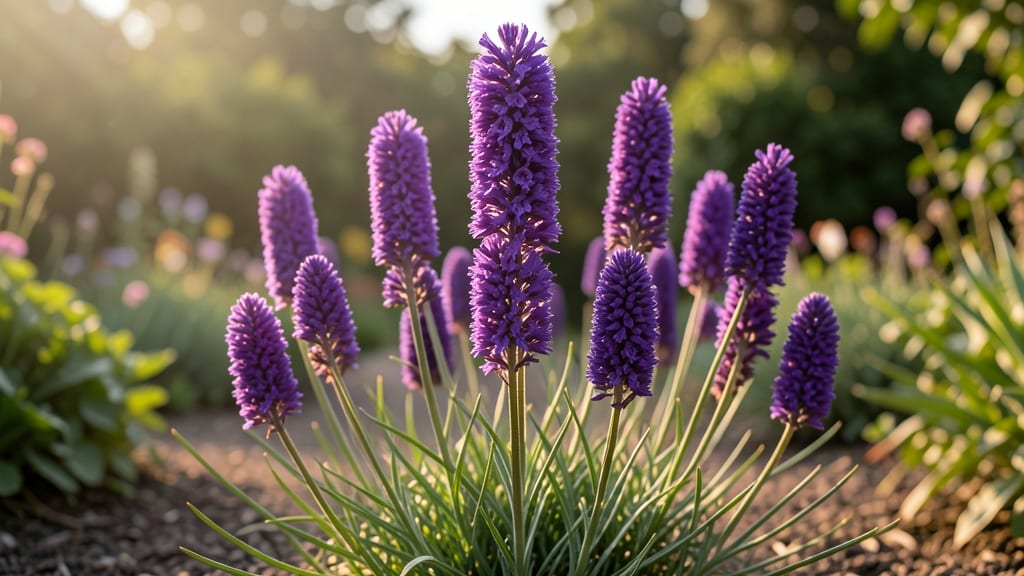
When your summer garden starts to fade but you crave more drama, Liatris 'Kobold' steps in with its dramatic purple spikes that bloom in late summer—just when most perennials are winding down. This compact variety reaches 18-24 inches tall, making it perfect for adding vertical interest without overwhelming smaller spaces.
Plant Liatris 'Kobold' in full sun with well-draining soil, and you'll get 3-4 weeks of vibrant blooms that attract butterflies and bees. Its deep roots make it drought-tolerant once established, and its narrow habit fits beautifully in borders or cutting gardens. Pair it with salvia or black-eyed susans for a late-season color punch that keeps your garden looking fresh.
This is the ideal choice for gardeners who want height and impact with minimal effort, especially those with cutting gardens or small urban spaces. The blooms hold their color beautifully in arrangements, too! ✨
Goldenrod and Coreopsis Sunburst Bed

When summer starts to fade and most gardens lose their vibrancy, a Goldenrod and Coreopsis Sunburst Bed bursts into action with its cheerful yellow blooms. This dynamic duo thrives in full sun, offering late-season color when many perennials have already called it quits, while also serving as a magnet for beneficial insects like bees and butterflies.
Plant tall goldenrod varieties (like Solidago canadensis) at the back for height and texture, reaching 3-5 feet, while coreopsis ('Moonbeam' or 'Zagreb') adds mid-height blooms in shades of yellow and orange. Both are drought-tolerant once established, making them perfect for hot, dry climates. Space goldenrod 18-24 inches apart and coreopsis 12-18 inches apart for a full, sunlit display that lasts from August through October.
This bed is ideal for gardeners who want to extend their seasonal interest without extra work—simply cut back spent stems in early spring and watch them return with even more vigor. It’s especially magical for pollinator gardens and urban spaces where every inch counts. 🌟