
Landscaping
Tired of seasonal color that fades too quickly? These 10 perennial flower bed plans deliver vibrant blooms from spring through fall with minimal upkeep—ideal for busy gardeners who still crave show-stopping results.
Sunny Border with Black-Eyed Susans
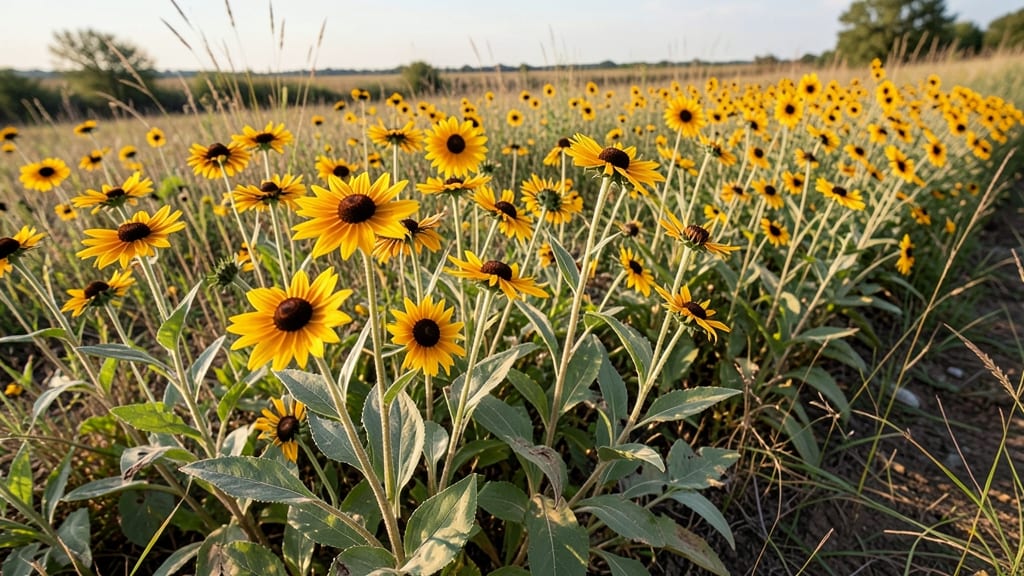
Craving a border that bursts with color without demanding constant attention? Black-eyed Susans (Rudbeckia hirta) are your go-to perennial for a sun-drenched, low-fuss display that thrives even in challenging soil.
These cheerful, golden-yellow blooms stand out from late summer through fall, attracting bees, butterflies, and birds while requiring almost no special care. Plant them in full sun (6+ hours daily) with well-drained soil—even rocky or sandy spots work—and watch them spread naturally over time. Pair them with purple coneflowers or salvia for a striking contrast that keeps the pollinators buzzing all season.
Perfect for beginners or busy gardeners, this border needs minimal pruning (just cut back faded blooms in early spring) and handles drought like a champ. Add a few ornamental grasses for texture, and you’ve got a maintenance-free masterpiece. 🌻
Shade-Loving Woodland Garden Design
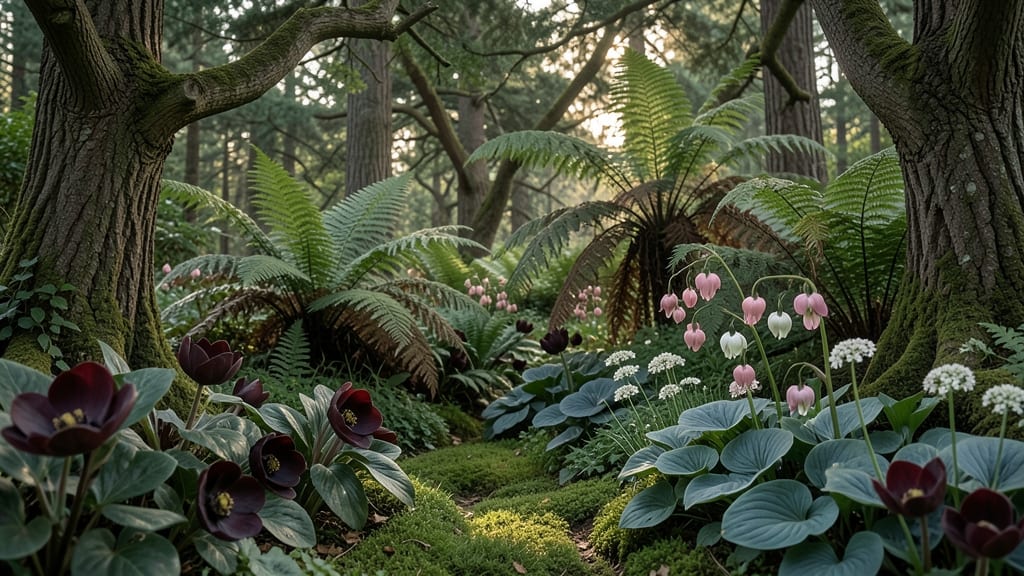
Turn those forgotten shady corners into a thriving woodland retreat with a design that thrives under tree canopies and northern exposures. This isn't just a garden—it's a lush, textured escape that brings life to spaces where most plants refuse to grow.
Start with hellebores for early spring blooms that tolerate dry shade, then layer in astilbes for feathery plumes that dance in summer breezes. Add ferns like maidenhair or ostrich for delicate foliage that thrives in moist, dappled light. These plants create natural layers that mimic a forest understory while requiring minimal care once established.
Perfect for gardeners with limited sunlight or urban spaces under trees, this design proves you don't need sun to create beauty. The secret? Focus on foliage texture and seasonal interest rather than just color. 🌿
Pollinator Paradise with Coneflowers
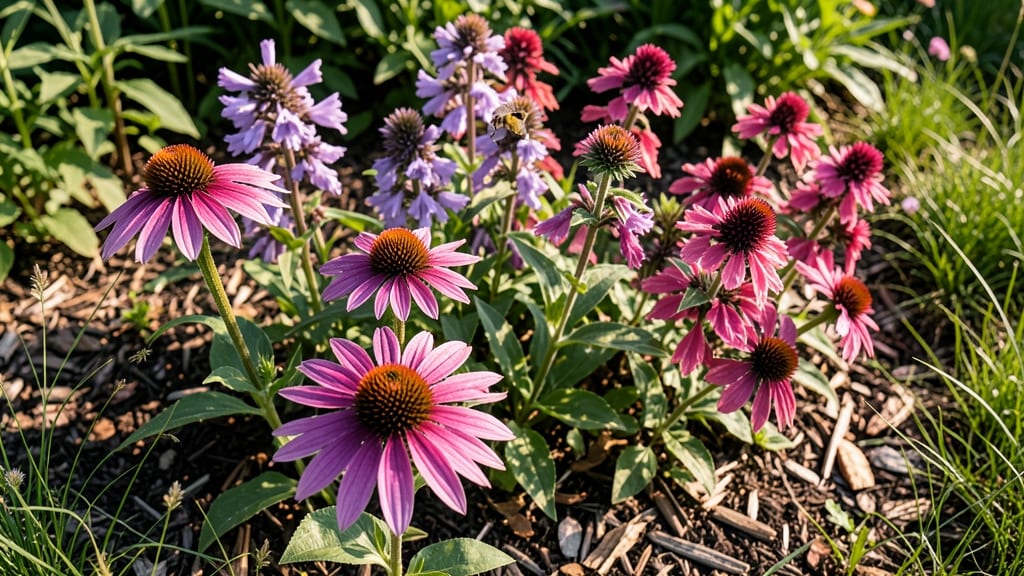
Want to create a garden that buzzes with life while supporting local ecosystems? A pollinator paradise featuring purple coneflowers (Echinacea purpurea) and bee balm (Monarda) transforms your yard into a thriving hub for bees, butterflies, and hummingbirds—no fancy equipment required.
Start by planting purple coneflowers in full sun to partial shade, spacing them 18-24 inches apart for optimal airflow. Pair them with bee balm, which blooms from mid-summer to fall and thrives in moist, well-drained soil. Both perennials are drought-tolerant once established, making them perfect for eco-conscious gardeners who want to reduce water usage without sacrificing beauty.
This design isn’t just for experts—beginners will love how resilient these plants are. Just add mulch to retain moisture and watch your garden become a haven for pollinators while adding vibrant color to your landscape. 🌻
Low-Maintenance Ground Cover Beds
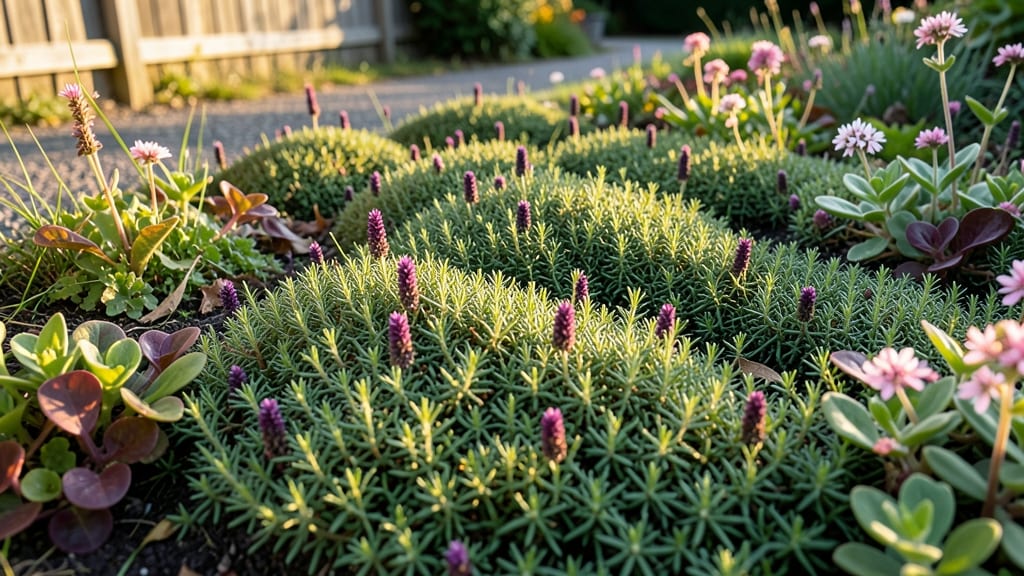
Tired of mowing, watering, and patching bare spots in your lawn? Ground cover beds using creeping thyme, ajuga, and sedum replace grass with a living carpet that thrives on neglect. These plants spread naturally, smothering weeds while requiring only occasional trimming to keep them tidy.
Start by preparing the soil with a light layer of compost to encourage root growth. Space creeping thyme and ajuga 12-18 inches apart, while sedum can be planted closer together for denser coverage. Once established, these plants need minimal watering—ideal for slopes or high-traffic areas where grass struggles.
Perfect for busy gardeners or eco-conscious homeowners, these beds eliminate the need for fertilizers and pesticides. Plus, they add texture and seasonal interest with blooms from spring to fall. 🌿
Seasonal Color Wheel with Peonies
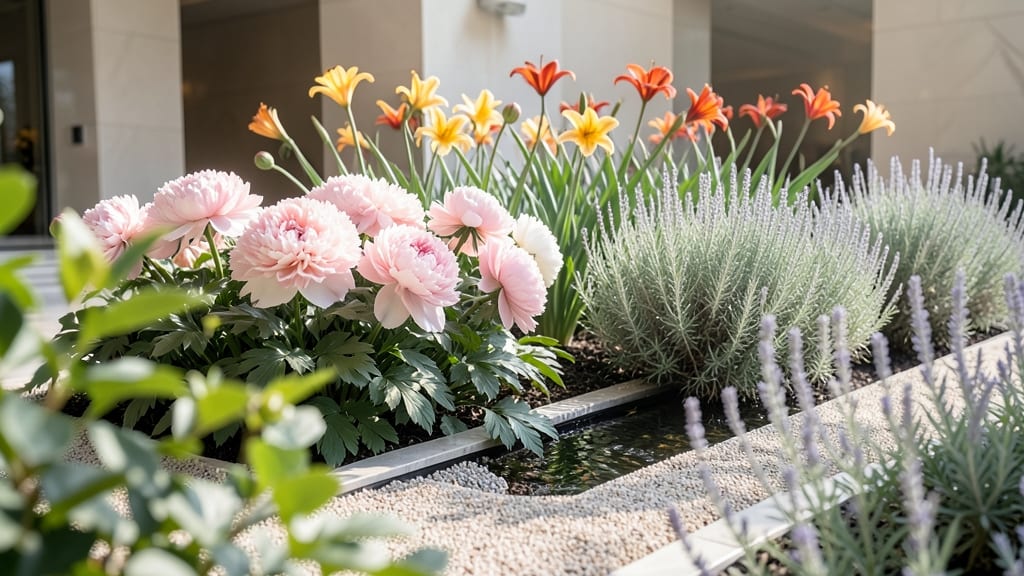
Craving a garden that feels like a luxury hotel lobby but with zero fuss? The seasonal color wheel with peonies delivers drama from late spring through early summer, then hands the baton to daylilies and Russian sage for a seamless, year-round show.
Start by anchoring your bed with herbaceous peonies (like 'Sarah Bernhardt' or 'Bowl of Beauty') for their lush, fragrant blooms that last 2-3 weeks. Pair them with daylilies (such as 'Stella de Oro' or 'Happy Returns') for heat tolerance and late-summer rebloom, then add Russian sage ('Purple Haze') for vertical interest and drought-resistant foliage. All three thrive in full sun to part shade and share similar soil needs—well-drained, slightly alkaline soil with good organic matter.
This trio is ideal for formal gardens, urban courtyards, or even container arrangements. The peonies' early-season opulence transitions beautifully into the daylilies' golden hues, while Russian sage's silvery foliage adds texture through fall. 🌷
Drought-Tolerant Desert-Inspired Beds
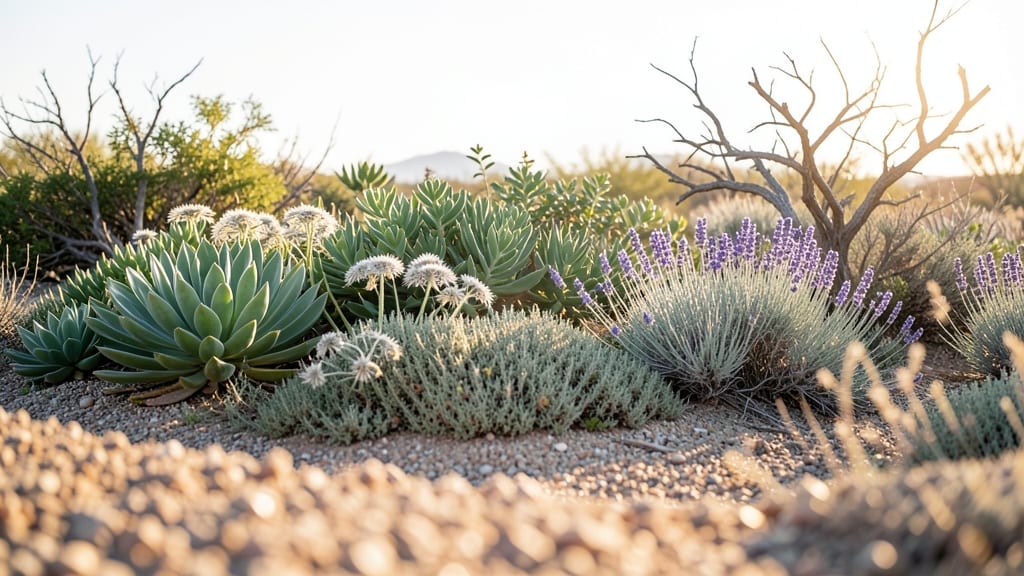
If you live in a dry climate or want to slash your water bill, a desert-inspired perennial bed is your answer. This design thrives on neglect—using succulents, yarrow, and lavender to create a striking, low-water landscape that mimics nature’s most resilient ecosystems.
Start with a base of drought-tolerant succulents like sedum or echeveria for texture, then layer in Achillea (yarrow) for bright yellow blooms that last all summer. Add English lavender for fragrance and pollinator appeal—all three plants need water just once every 2-3 weeks once established. Use coarse gravel mulch to retain moisture and suppress weeds, and place this bed in full sun for best results.
This plan is perfect for urban gardeners with rooftop containers or southwestern landscapes where water conservation is key. With minimal care, you’ll get a garden that’s both beautiful and sustainable. 🌻
Cutting Garden Perennials Mix
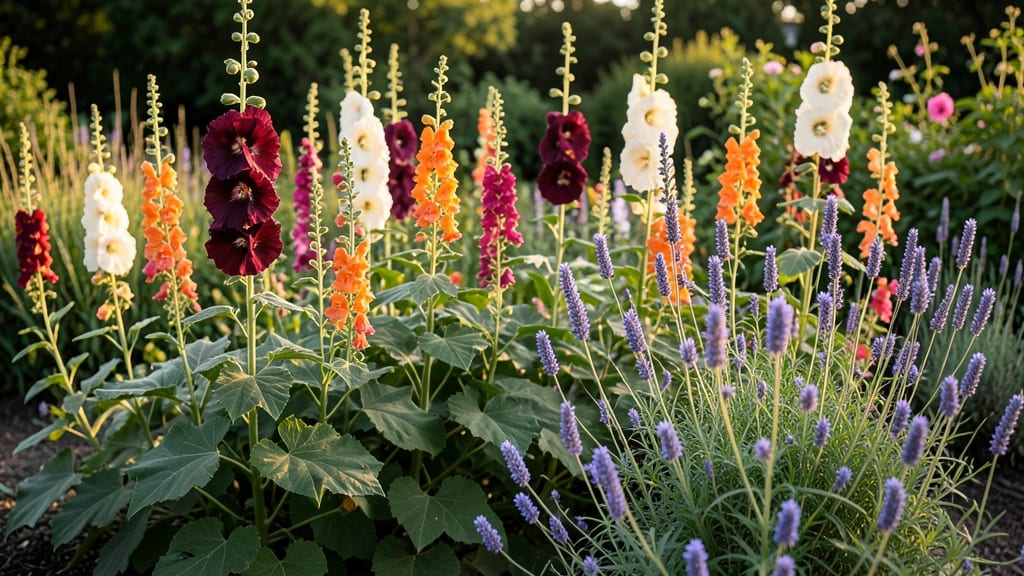
Want a garden that keeps giving—literally? A cutting garden mix with hollyhocks, snapdragons, and liatris delivers fresh bouquets from early summer through fall with minimal effort. These stalwart perennials boast sturdy stems that hold up to cutting, unlike floppy annuals that wilt after just a day in a vase.
Plant hollyhocks (6-8 feet tall) along fences for vertical drama, snapdragons (2-3 feet) in clusters for vibrant color, and liatris (2-3 feet) for late-summer spikes that bees adore. Deadhead spent blooms regularly to encourage continuous flowering, and water at the base to keep stems strong. This mix thrives in full sun to partial shade with well-drained soil—ideal for both florists and home gardeners who love fresh-cut flowers. 🌻
Wildflower Meadow Revival Plan
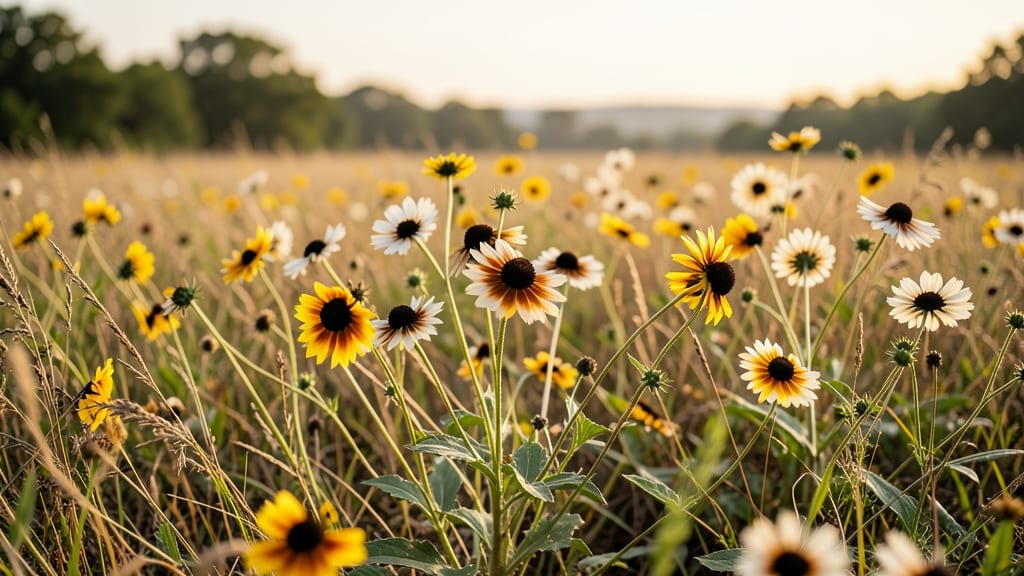
Skip the manicured edges and embrace the wild beauty of a prairie-inspired meadow that thrives with almost no effort. This naturalistic planting plan uses coreopsis, black-eyed Susans, and goldenrod to create a swaying, golden sea of color that mimics the Midwest's iconic landscapes—ideal for large, open spaces where traditional flower beds feel too structured.
Start by clearing the area and loosening the soil just 6–8 inches deep—no need for perfect tilling. Scatter seeds densely (about 10–15 seeds per square foot) in early spring or fall, then lightly rake them in. Once established, these perennials spread on their own, crowding out weeds naturally. Water deeply once a week for the first year, then let rainfall take over—these plants are drought-tolerant once roots are deep.
Perfect for gardeners who love the look of wild elegance but hate constant upkeep, this meadow plan also supports local pollinators while requiring zero deadheading or staking. Let the wind do the work and watch your space transform into a golden, buzzing oasis. 🌻
Container-Friendly Perennial Combinations
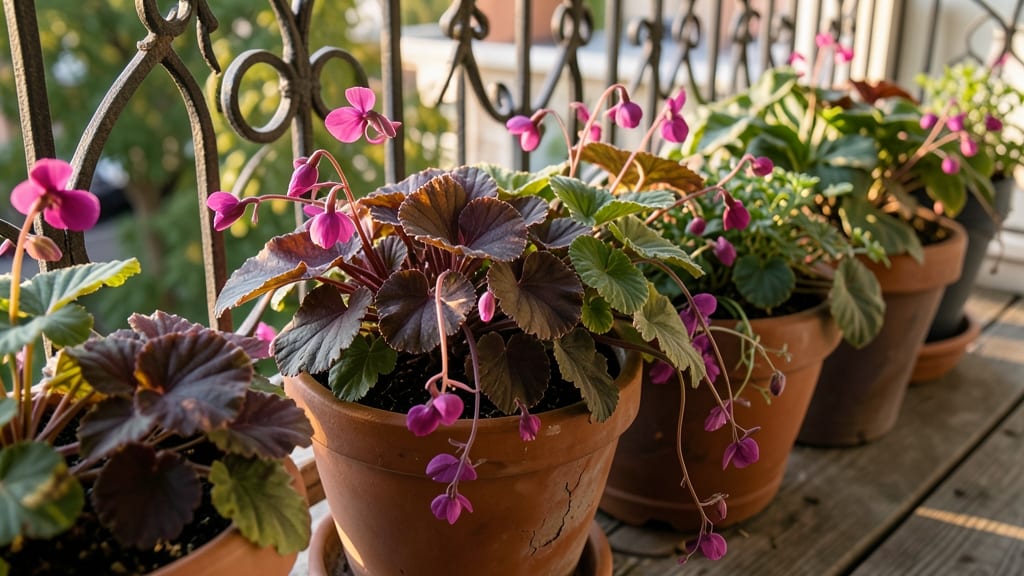
Turn your balcony or patio into a vibrant mini-garden with container-friendly perennials that pack big color into small spaces. Unlike annuals, these plants return year after year, offering season-long interest with minimal replanting.
Try pairing heuchera (for striking foliage), fuchsia (for cascading blooms), and nepeta (for pollinator-friendly flowers) in a 12-inch pot. Use well-draining potting mix and place in morning sun to afternoon shade to prevent wilting. Water when the top inch feels dry, and fertilize lightly in spring. This trio thrives together, with foliage that changes color through seasons.
Perfect for urban gardeners, renters, or anyone with limited space, these combinations prove you don’t need a yard to enjoy a lush, low-maintenance garden. 💚
Fragrant Evening Garden Layout

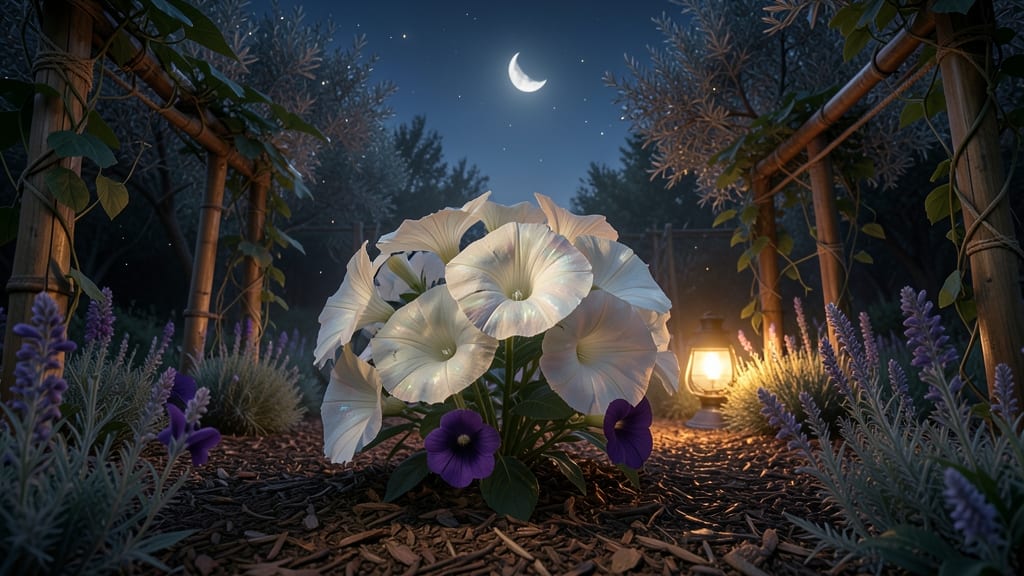
Turn your garden into a twilight sanctuary with a fragrant evening garden layout that wakes up after sunset. While most flowers nap at night, moonflower (Ipomoea alba) unfurls its creamy blooms under the stars, filling the air with a sweet, tropical scent that peaks around midnight. Pair it with evening primrose (Oenothera biennis), whose soft yellow flowers release a honey-like fragrance as the sun dips below the horizon.
For a climbing element, jasmine (Jasminum officinale) vines will twine up trellises or fences, releasing its intoxicating perfume when nightfall arrives. Plant these in partial shade to full sun, ensuring they receive at least 4-6 hours of sunlight daily to fuel their evening performance. Mulch with wood chips to retain moisture and extend the blooming season. This layout thrives in USDA zones 5-10, making it adaptable for most climates.
Romantic gardeners and evening strollers will adore this sensory experience, while urban dwellers can recreate it in containers on patios or balconies. Just add a solar-powered garden light to highlight the blooms as they open. 🌿