
Landscaping
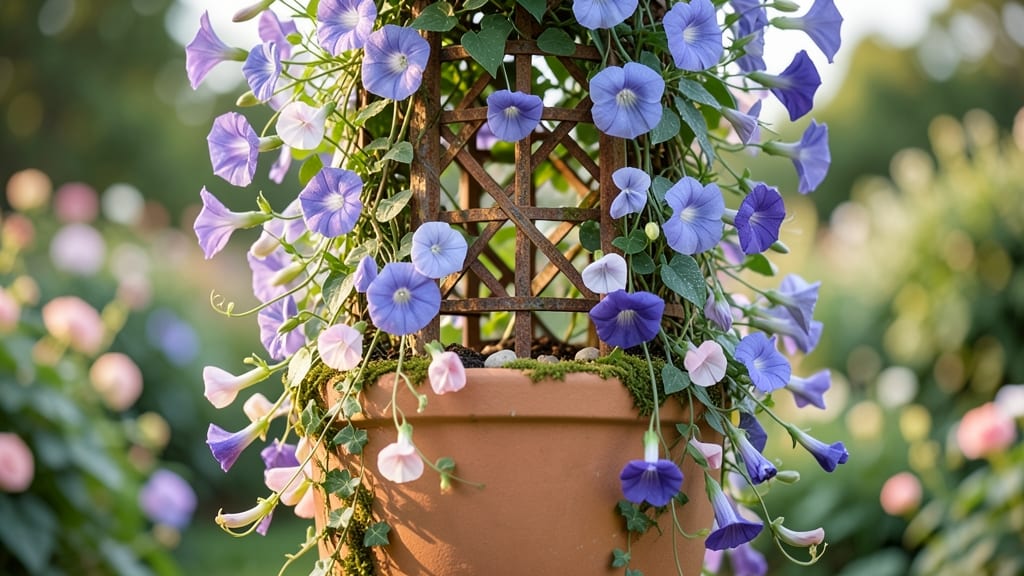
Small gardens deserve just as much beauty as large ones. These 10 space-saving flower bed ideas maximize impact with minimal square footage, featuring low-maintenance plants, vertical designs, and seasonal color rotations to keep your garden thriving year-round.
Tiered Raised Planters for Vertical Growth
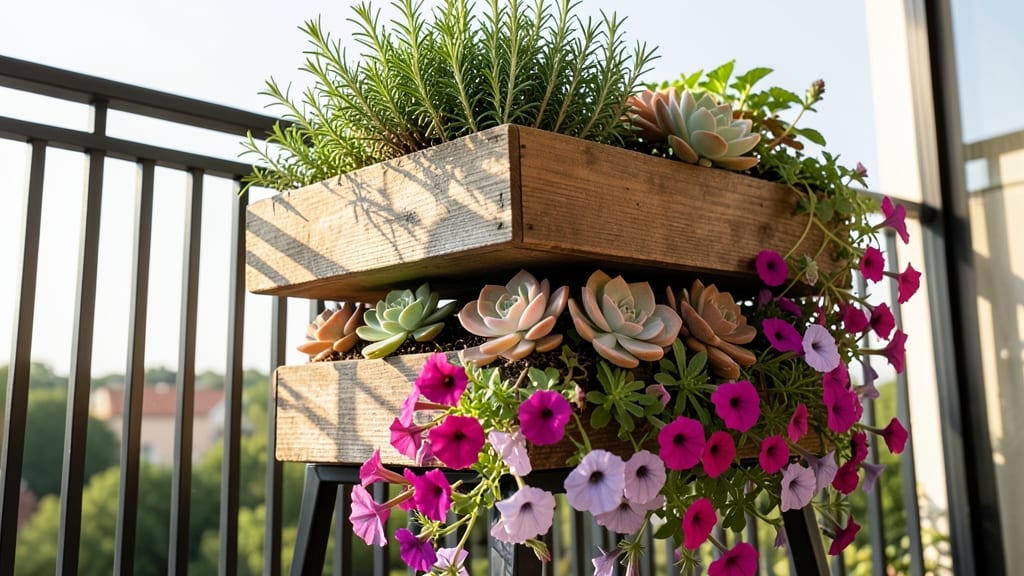
Turn your balcony or patio into a lush, multi-level garden without sacrificing precious floor space. Tiered raised planters stack vertically, creating a stunning visual cascade of herbs, succulents, and trailing petunias—all while keeping your plants within easy reach for pruning and harvesting.
Start with the top tier for sun-loving succulents like echeveria, which thrive in well-draining soil and need minimal watering. The middle layer is ideal for herbs such as basil or thyme, which appreciate a bit of shade from the top tier and frequent harvesting. Finish with trailing petunias or nasturtiums in the bottom planter to spill over the edges, adding softness and movement. Use lightweight materials like cedar or composite wood to avoid overloading small spaces.
This design is perfect for urban gardeners or anyone with limited ground space. Plus, the layered look draws the eye upward, making your garden feel larger and more dynamic. 🌻
Window Box Flower Beds with Seasonal Swaps
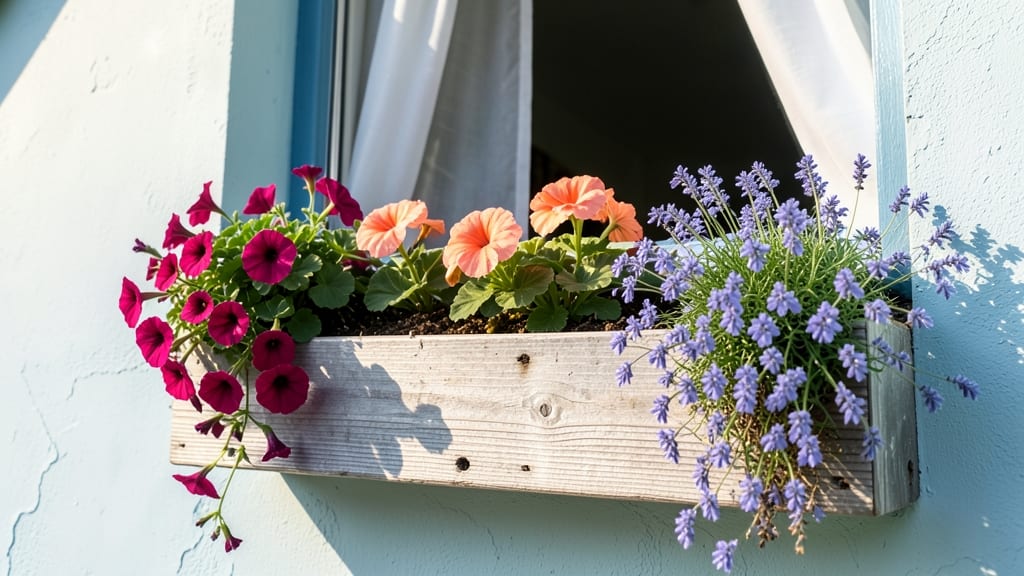
Turn an overlooked window into your garden’s most eye-catching feature with window box flower beds that bloom nonstop. Unlike static displays, these beds use a seasonal swap system—simply refresh your annuals every 3 months to keep color vibrant year-round, even in tight spaces.
Start with drought-resistant stars like geraniums (spring/summer) and pansies (fall/winter), which thrive in shallow boxes and need minimal watering. Add trailing fuchsia or sweet potato vine for cascading drama, and mix in herbs like thyme for fragrance. The key? Use lightweight potting mix and ensure proper drainage—no soggy roots here!
This design is perfect for urban gardeners or renters who want curb appeal without the upkeep. With just a few swaps, your windows become living art that brightens every season. ✨
Spiral Herb and Flower Garden Design
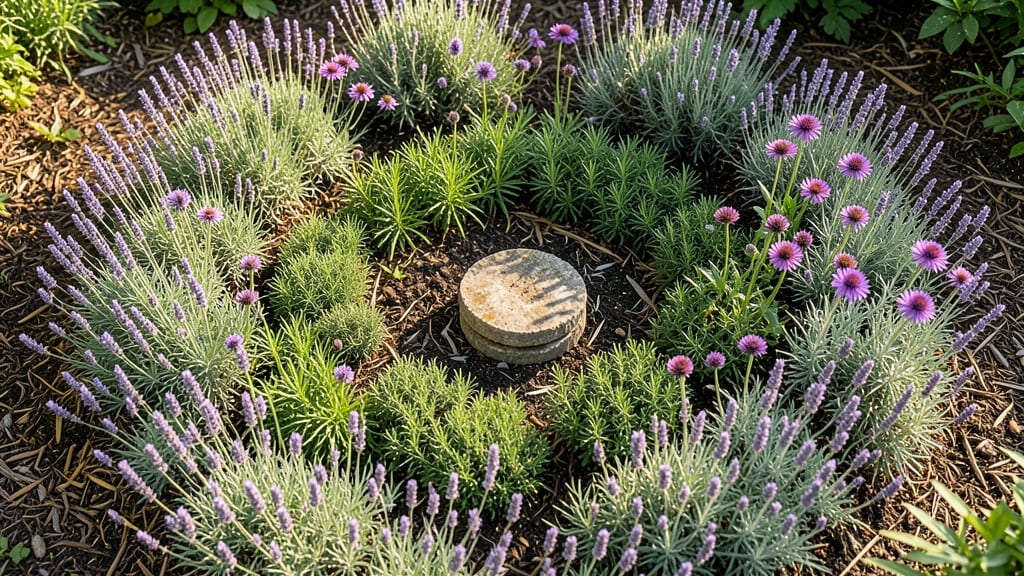
Turn your small yard into a fragrant, functional oasis with a spiral herb and flower garden—a design that packs dual purpose into minimal space. This circular layout lets you grow both culinary herbs like thyme and rosemary alongside pollinator magnets such as lavender and coneflowers, all while creating a natural focal point that draws the eye inward.
The spiral shape maximizes edge planting (where roots get more soil contact), letting you fit more plants in less area. Start with a 3-4 foot diameter circle, using well-draining soil mixed with compost. Place taller herbs like rosemary at the outer edges and lower-growing thyme or oregano toward the center. Add a winding stone path down the middle for easy access—perfect for snipping fresh herbs while enjoying the blooms.
This design is ideal for urban gardeners with limited square footage or anyone who loves the idea of a low-maintenance, sensory-rich garden that supports both your dinner table and local pollinators. 🌿
Hanging Basket Flower Combinations
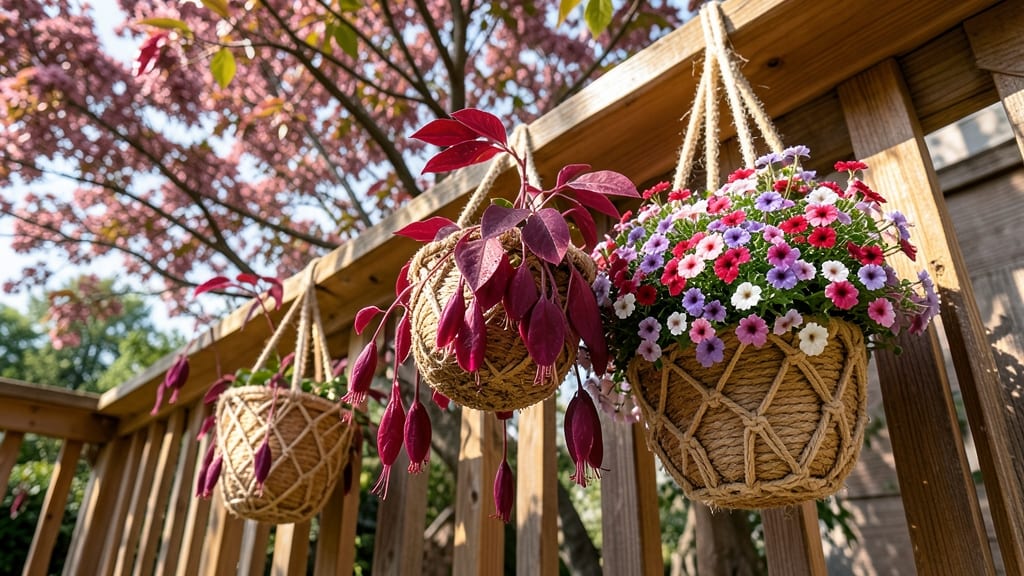
Patios and decks can become vibrant canvases without sacrificing ground space—hanging baskets bring blooms to eye level while creating a cascading, 3D effect that draws the eye upward. The secret lies in pairing fuchsia (with its velvety, drooping blooms) and calibrachoa (tiny but prolific flowers) for a lush, continuous display that thrives in containers.
For best results, choose baskets with 12-18 inches of depth and plant a thriller-spiller-filler combo: start with a focal plant like trailing fuchsia, add mid-height calibrachoa for volume, and fill gaps with lobelia or begonia for texture. Water daily in hot weather, but ensure baskets have drainage holes to prevent root rot. Place in morning sun to protect delicate petals from afternoon heat.
This design is perfect for urban gardeners or anyone with limited square footage—it transforms blank walls or railings into living art while requiring minimal ground space. The cascading effect also creates a natural privacy screen for outdoor seating. 🌻
Miniature Cottage Garden with Perennials
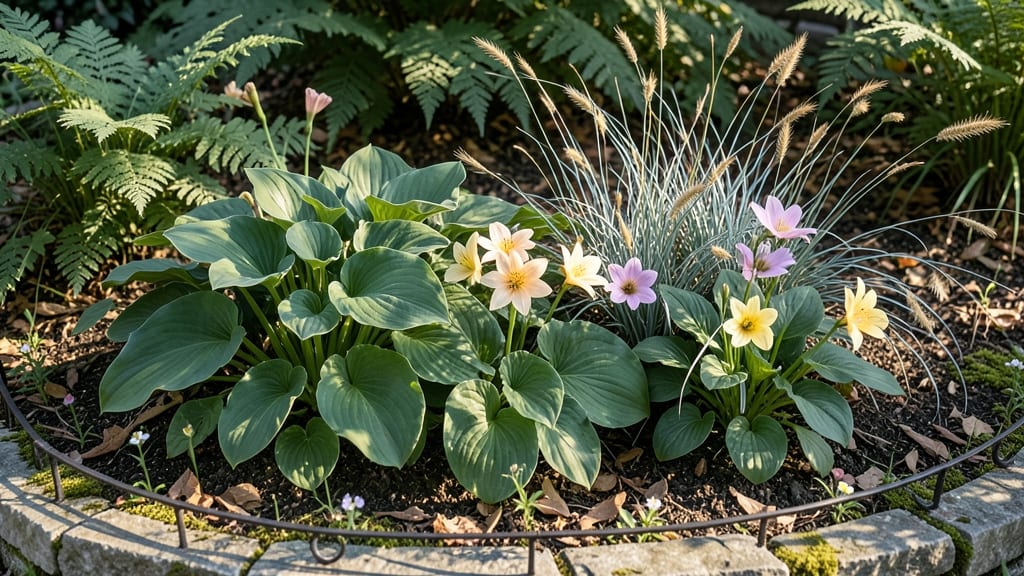
Skip the fleeting beauty of annuals—this miniature cottage garden delivers charm that lasts for years with slow-growing perennials that thrive in tight spaces. The secret? A carefully curated mix of hostas, daylilies, and ornamental grasses that grow at different rates, creating natural layers without needing constant pruning.
Start with hostas in the back for lush, deep-green foliage (they love shade), then add daylilies in mid-height for bold blooms that return yearly, and top with airy grasses like fountain grass for movement. Border the bed with low stone edges to define the space without overwhelming it. These plants need minimal water once established and handle most soil types, making them ideal for beginners or busy gardeners.
This design is perfect for anyone who wants a low-maintenance, high-impact garden that feels like a classic English cottage—without the upkeep. The mix of textures and heights creates depth instantly, fooling the eye into thinking the space is larger. 💚
Pallet Wood Planter with Succulents and Wildflowers
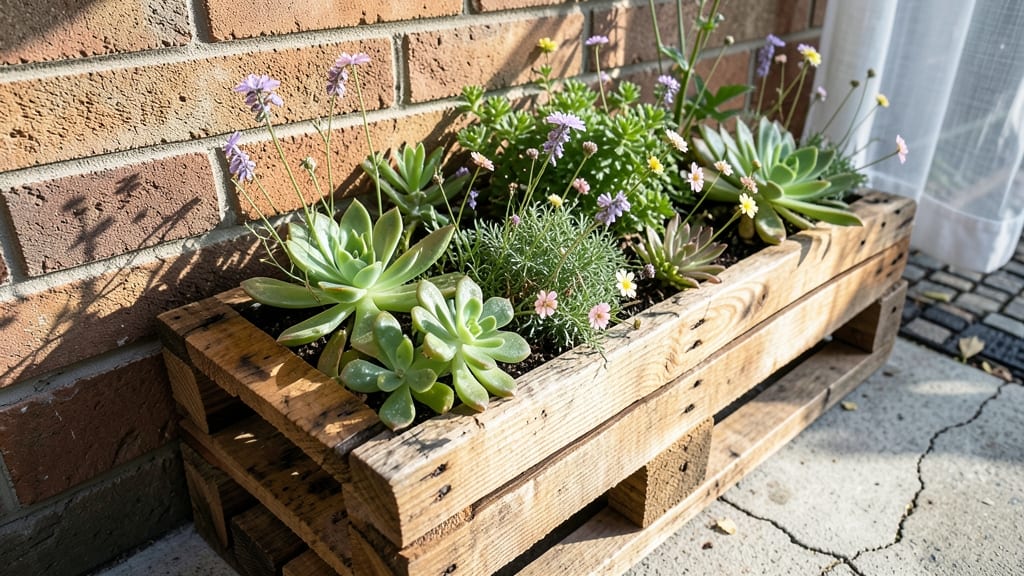
Give your small garden an instant rustic-chic upgrade with a repurposed pallet planter that requires almost no maintenance. This DIY project transforms discarded wood into a stylish home for drought-tolerant succulents and native wildflowers—perfect for urban spaces, patios, or even leaning against a fence.
Fill the planter with a mix of sedum and echeveria for bold foliage, then tuck in wildflowers like blue flax or black-eyed Susans for seasonal color. The key to success? Use a well-draining cactus mix and place your planter in partial shade—these plants thrive with watering just once a week. The natural wood texture adds warmth while the plants create a living tapestry of textures.
This design is ideal for busy gardeners or beginners who want beauty without the upkeep. Plus, the vertical orientation makes it perfect for small spaces, adding visual interest without taking up valuable ground room. 🌿
Moon Garden with Nocturnal-Blooming Flowers
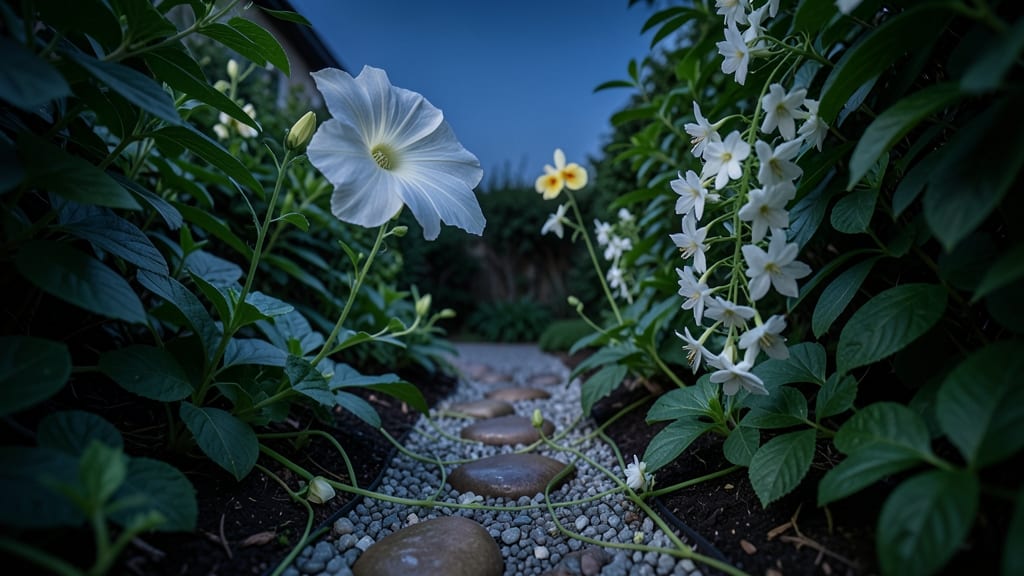
Transform your small garden into an enchanting evening retreat with a moon garden—a secretive space that comes alive after dark. This design uses nocturnal-blooming flowers like moonflowers (Ipomoea alba), evening primrose (Oenothera biennis), and white night-blooming jasmine (Cestrum nocturnum) to create a fragrant, luminous display when the sun sets.
Plant these in a small circular or rectangular bed near seating areas, pathways, or even container pots on a patio. Moonflowers unfurl their large, milky-white blooms at dusk and close by morning, while evening primrose emits a delicate lemon scent as it opens. Add silvery foliage plants like lamb’s ear or dusty miller for contrast. These plants thrive in well-draining soil and need only moderate watering—perfect for low-maintenance gardeners.
This design is ideal for creating a romantic ambiance in tight spaces, like courtyard gardens or balcony edges. Perfect for evening strolls or al fresco dining, it turns your small garden into a nighttime sanctuary. ✨
Square Foot Gardening Grid for Small Plots
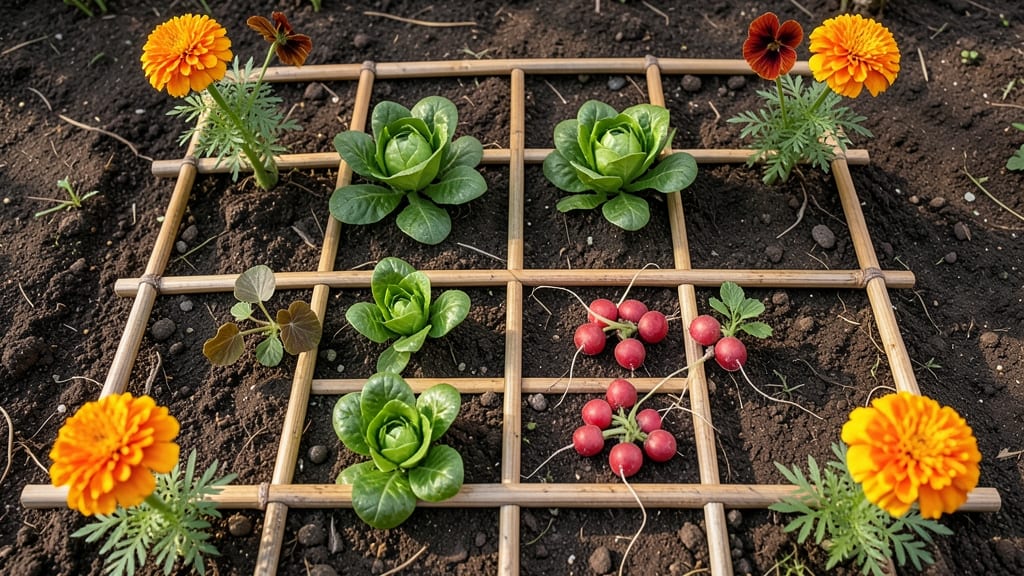
Turn even the tiniest patch of soil into a high-yield paradise with a square foot gardening grid—a game-changer for small plots where every inch counts. This method divides your space into 1-foot squares, letting you plant marigolds, nasturtiums, lettuce, or radishes with surgical precision, ensuring no wasted space or overcrowding.
Start by outlining your bed with wooden borders or string, then fill each square with the right mix: 16 basil plants, 4 onions, or 9 nasturtiums per square (check a square foot chart for exact spacing). Use lightweight, nutrient-rich soil and mulch to retain moisture. The beauty? You can interplant fast growers (like radishes) with slow growers (like tomatoes) for year-round harvests.
This system is perfect for urban gardeners, beginners, or anyone with limited space—it’s like having a tiny, edible puzzle where every piece has a purpose. Plus, the geometric design adds a modern twist to traditional flower beds. 🌱
Rock Garden with Alpine Flowers
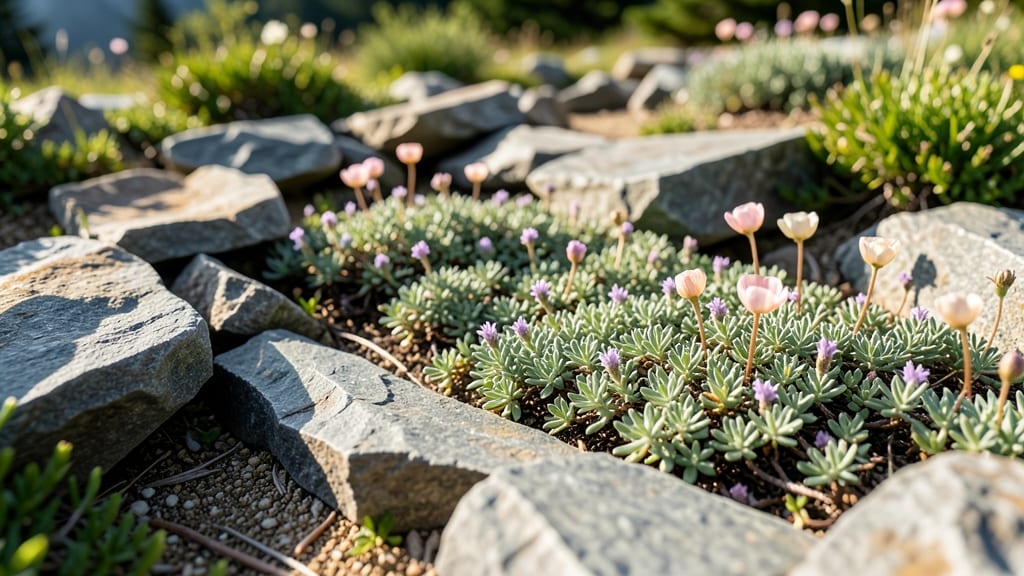
Bring the drama of mountain meadows to your tiny garden with a rock garden that thrives on neglect. Unlike traditional flower beds, this design mimics alpine habitats using crevice plants like creeping thyme and Lewisia, which love sunny, dry conditions and need watering only when the soil feels bone-dry.
Start with a shallow bed filled with small river rocks (1-3 inches deep) to create natural crevices where plants can nestle. Plant creeping thyme along edges for its fragrant foliage and purple blooms, while Lewisia adds pops of pink or purple in spring. Add sedum or sempervivum for extra texture—all of these plants handle full sun and drought like pros. Use a gravelly soil mix to prevent moisture retention, and avoid mulch to keep the alpine look.
This design is perfect for urban gardeners with sunny balconies or dry-climate yards, offering year-round interest with almost zero maintenance. The rocky texture also adds a modern, minimalist contrast to lush greenery. 💚
Container Flower Tower with Trellis

Make your small garden feel grand with a container flower tower—a vertical masterpiece that turns empty corners into a blooming waterfall. Instead of sprawling vines, this design harnesses the upward growth of clematis, morning glories, or sweet peas on a central trellis, creating a lush, layered display that draws the eye upward and maximizes limited space.
Start with three large, stacked pots (12-16 inches in diameter) filled with well-draining potting mix enriched with compost. Plant your climbing flowers at the base of the trellis, securing them with soft ties to encourage upward growth. Add spiller plants like impatiens or sweet potato vine around the base to fill gaps and create a fuller look. Place the tower in full sun to partial shade, depending on your climber’s needs, and water consistently to keep the soil moist but not soggy.
This design is perfect for urban gardeners, entryway decor, or small patios—it adds height and drama without taking up valuable ground space. Plus, the vertical structure makes it easy to maintain and rotate plants seasonally for year-round color. 🌷