
Mower
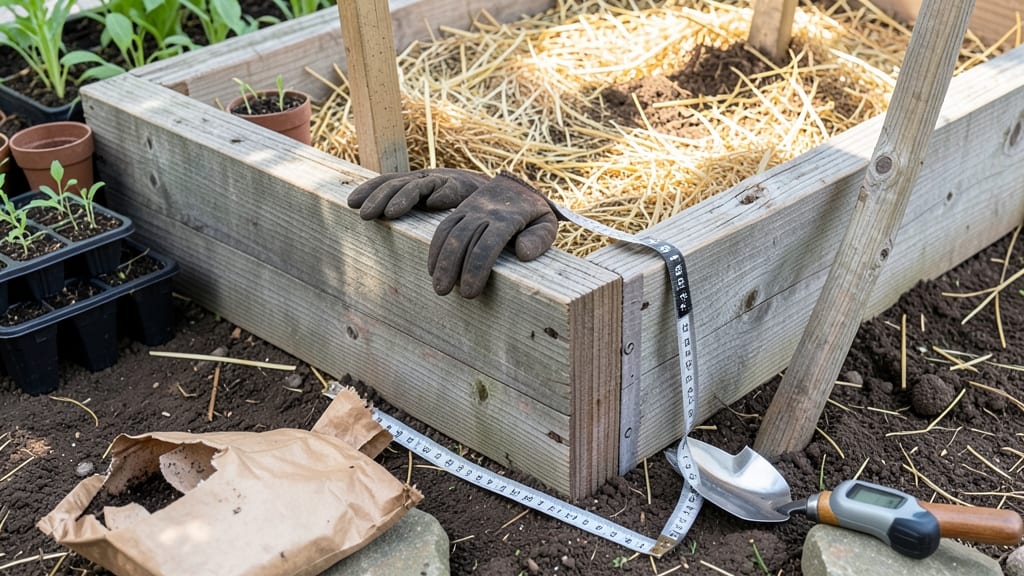
The ideal raised bed dimensions are 4 feet wide by 8 feet long with 12 to 18 inches of depth, balancing ergonomic reach with optimal root space for most vegetables and herbs.
These proportions strike the perfect balance between accessibility and plant health. A 4-foot width lets you work from either side without stepping into the bed, reducing soil compaction and making maintenance easier. 🌱 The 8-foot length maximizes growing space while staying manageable for most gardeners to tend.
Depth matters too—12 to 18 inches supports deep-rooted crops like carrots and potatoes while preventing soil from becoming too dense over time.
For smaller spaces, you can adjust dimensions—like using 3-foot-wide beds for tighter areas—but avoid widths over 4 feet to maintain accessibility. The depth can also vary slightly depending on what you're growing; for example, strawberries need shallower beds, while tomatoes thrive with deeper soil.
💡 In This Article
- How Raised Bed Dimensions Impact Plant Growth and Accessibility
- Customizing Raised Bed Sizes for Small Spaces and Specific Crops
How raised bed dimensions impact plant growth and accessibility
Raised bed dimensions directly influence how well your plants grow by controlling root space and soil aeration. A 4-foot width is ideal because it allows you to reach the center from either side without stepping inside, which prevents soil compaction—a common issue that restricts root growth.
Studies show that compacted soil can reduce root penetration by up to 30%, limiting nutrient uptake. The width also aligns with the average arm's reach (24-30 inches), making planting and harvesting more efficient while reducing strain on your back.
The 8-foot length balances space efficiency with manageability. Longer beds (up to 12 feet) maximize growing area, but they can become unwieldy for weeding and harvesting. Shorter beds (4 feet) are easier to maintain but require more pathways between them.
The 12-18 inch depth is critical: it provides enough room for deep-rooted crops like carrots and potatoes while preventing soil from becoming too dense over time. Shallower beds (6 inches) may work for shallow-rooted herbs but limit options for larger plants.
Soil volume matters too—each plant needs a specific "root zone" to thrive. For example, a tomato plant requires about 1 cubic foot of soil, while a lettuce plant needs only 0.1 cubic feet.
A 4x8-foot bed with 12-inch depth yields roughly 32 cubic feet of soil, enough for 32 lettuce plants or 32 tomato plants (or a mix). This volume ensures roots can spread without competing for space, which directly impacts yield and plant health.
Drainage is another key factor tied to depth. Raised beds with 12-18 inches of soil allow excess water to drain efficiently, preventing root rot—a common issue in shallow or poorly drained beds. The sides of raised beds also help contain soil, reducing erosion and keeping weeds at bay.
Without proper depth, water pools at the bottom, suffocating roots and creating anaerobic conditions that hinder growth. 🌱
Accessibility isn’t just about reach—it’s also about reducing physical strain. Bending over deep beds (24+ inches) can cause back pain, especially for gardeners with mobility issues. The 12-18 inch range strikes a balance: deep enough for most crops but shallow enough to work comfortably.
For taller gardeners, adding 2-3 inches of extra depth can accommodate deeper-rooted plants without sacrificing ergonomics.
Consider this: a 4x8-foot bed with 18-inch depth holds about 576 gallons of soil, while a 3x6-foot bed with the same depth holds only 324 gallons. The larger volume supports more diverse planting and better moisture retention, especially in hot climates.
This is why professional gardeners often recommend sticking to the 4-foot width while adjusting length based on available space.
Finally, the dimensions affect weed control. Narrower beds (3 feet) allow sunlight to reach the soil more evenly, reducing weed growth, but wider beds (5+ feet) create shaded areas where weeds thrive. The 4-foot standard minimizes these issues while maximizing productivity. 💫