
Tools
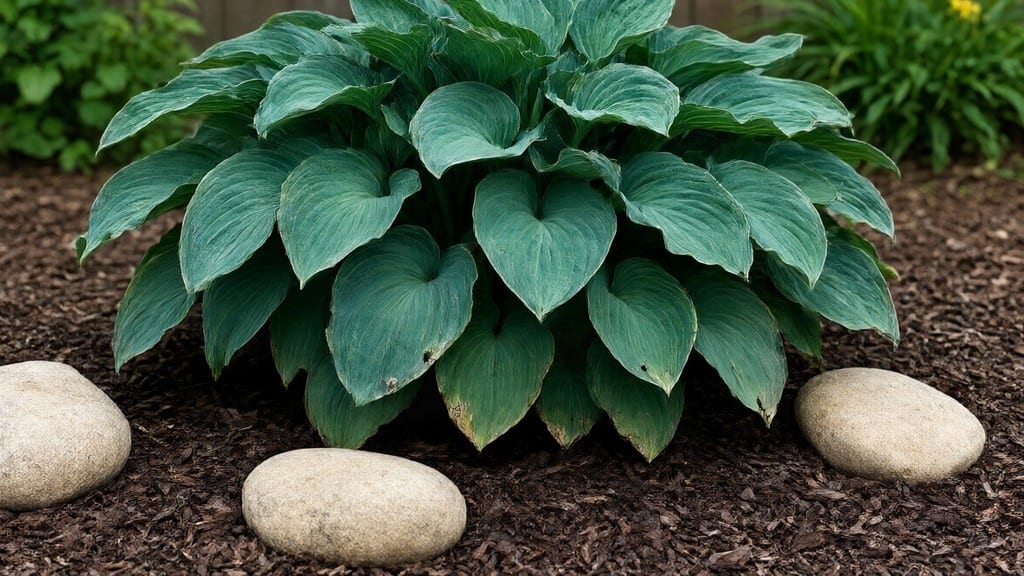
These hosta garden images prove how shady spots bloom into jewel-toned gardens that steal the show all season—bold blues, chartreuse edges, and lush foliage anchoring every scene. 🌿 The key is mixing textures: pair velvety blue hostas with spiky ferns or airy astilbes for drama.
Think beyond the classic green: variegated hostas add golden streaks, while deep purple varieties create rich contrast. Layer them by height—tall hostas like ‘Sum and Substance’ behind shorter varieties—to frame pathways or highlight garden edges. Containers work too: mix hostas with heucheras or coral bells for portable shade pockets.
Seasonal color shifts make hostas magical. New growth unfurls in spring, deepens through summer, and often turns bronze or purple in fall. Add winter interest with evergreen hostas like ‘Francee’ or ‘Blue Angel,’ which stay striking even when other plants fade. The foliage alone tells a story—no flowers needed.
Pro tip: Use hostas to define spaces—under trees, along fences, or as a living border. Their slow-spreading habit keeps them tidy, and their resistance to deer and rabbits makes them low-maintenance stars. Let’s bring that shade garden to life with foliage that feels like a hug for your eyes.
📚 In This Guide
- What you need
- Instructions
- Tips and common mistakes
- Wrapping up and next steps
What you need
- ● Hosta plants: Choose 5–10 varieties (e.g., Hosta 'Blue Angel', 'Halcyon', or 'Francee') based on size, color, and texture. Start with 1–2 plants per square foot for dense coverage.
- ● High-quality potting mix: 2–3 bags (50 lbs each) of organic, well-draining soil (e.g., Miracle-Gro Moisture Control or FoxFarm Ocean Forest).
- ● Compost or organic matter: 1–2 bags (40 lbs) to enrich soil fertility.
- ● Mulch: 1–2 bags (3 cubic feet) of shredded bark or pine straw to retain moisture and suppress weeds.
- ● Garden trowel: 1 medium-sized (Fiskars or Radiant brand recommended).
- ● Garden fork: 1 sturdy fork for aerating soil.
- ● Pruners: 1 pair of bypass pruners for trimming.
- ● Garden gloves: 1 pair of heavy-duty, breathable gloves (e.g., Workrite).
- ● Watering can or hose: 1 with a spray nozzle for gentle watering.
- ● Measuring tape: 1 (25-foot) for spacing plants accurately.
- ○ Garden kneeler: 1 (optional but comfy for long sessions!).
- ● Slow-release fertilizer: 1–2 bags (e.g., Osmocote Smart-Release Plant Food) for year-round nourishment.
- ● Garden stakes or labels: 10–20 stakes + markers to track varieties.
- ● Decorative rocks or edging: For a polished look (e.g., black lava rocks or copper edging).
- ● Shade fabric: 1 roll (for areas with partial sun to protect young hostas).
- ● Camera or phone: For capturing those hosta garden images you’ll want to share!
How to design a stunning hosta garden for shade
Hostas thrive where others struggle—here’s how to create a lush, low-maintenance shade garden that steals the show all season.
🌿 Step 1: Choose Hostas for Texture and Color Contrast
Pick 4 varieties that complement each other in size, leaf shape, and hue. I like pairing blue-green 'Blue Angel' with deep purple 'Halcyon' for bold contrast. Add a variegated 'Francee' for light accents and a compact 'Patriot' for height variation. Plant larger varieties in the back, smaller ones toward the front to create depth.
Check leaf edges too—some hostas have wavy margins while others stay smooth. Mixing textures makes the garden feel dynamic. For example, 'Guacamole' with its ruffled edges pairs beautifully with the sleek leaves of 'June'. Sketch your layout first to visualize how colors and shapes will interact in different light conditions.
☀️ Step 2: Select the Perfect Shade Location
Hostas tolerate partial to full shade, but 4-6 hours of morning sun brings out their best colors. Avoid deep, dry shade where leaves stay dull and growth stalls. I test spots by placing a white board where I plan to plant—if it stays cool to the touch all day, it’s too dark for vibrant foliage.
North-facing beds or east-facing areas with afternoon shade work best. If your yard has only dense tree shade, choose tolerant varieties like 'Francee' or 'Sum and Substance'—they handle lower light better than others. Mark your planting zones with stakes so you don’t accidentally place sun-loving plants nearby.
🪴 Step 3: Prepare Soil for Healthy Growth
Hostas love rich, moist, well-draining soil with a pH between 6.5 and 7.5. Amend heavy clay with 2-3 inches of compost worked into the top 12 inches of soil. I also mix in a handful of slow-release fertilizer at planting to give roots a nutrient boost without burning tender foliage.
Test drainage by digging a 12-inch deep hole—if water pools after 30 minutes, add sand or perlite to improve airflow. Hostas hate soggy roots, so raised beds or mounded soil help in wet climates. Mulch with 3 inches of shredded bark to retain moisture and suppress weeds, but keep mulch 2 inches away from crowns to prevent rot.
🌱 Step 4: Plant for Long-Term Impact
Dig holes twice as wide as the root ball but only as deep as the crown—burying too deep suffocates plants. Space small hostas 12-18 inches apart, medium varieties 24 inches apart, and large ones 36 inches apart. This gives leaves room to spread and prevents fungal diseases from crowded foliage.
Water deeply after planting to settle soil around roots, then add a 2-inch layer of mulch to lock in moisture. I water again in 3-5 days to encourage root establishment. Avoid overhead watering once leaves emerge—wet foliage invites slugs and powdery mildew. Instead, water at the base early in the morning for best results.
✂️ Step 5: Maintain for Season-Long Beauty
Remove yellow or damaged leaves in early spring to make room for new growth, but leave dormant foliage until late winter—it protects crowns from freezing. I fertilize lightly in early spring and mid-summer with a balanced 10-10-10 formula, using only half the recommended dose to avoid leaf burn.
Divide clumps every 3-4 years when centers become bare—hostas spread aggressively! Dig up plants in early spring or fall, separate crowns with a sharp knife, and replant immediately. This keeps your garden looking fresh and prevents overcrowding. In fall, add a thin layer of compost to replenish nutrients lost over the season.
Tips & tricks for perfect hosta garden design
A few strategic moves will transform your shade garden from ordinary to extraordinary. These are the secrets I've learned after designing hosta gardens that stay vibrant all season long.
Color Contrast Secret: In Step 1, when selecting your 4 varieties, I recommend adding a silver or chartreuse hosta like 'Blue Ice' to create dramatic contrast with the purple and blue-green varieties. This unexpected pop of color makes your garden feel more dynamic. Also, consider the foliage's intensity—darker leaves like 'Halcyon' will make lighter varieties like 'Francee' appear even more striking.
Light Testing Hack: The 4-6 hours of morning sun in Step 2 is crucial, but here's how to test it perfectly: Place a white board where you plan to plant in the morning and check it every hour. If it stays cool to the touch by noon, that spot gets too little light. I've found that east-facing locations often provide the ideal balance of morning sun and afternoon shade.
Soil Prep Pro Tip: When preparing your soil in Step 3, don't just add compost—mix in a handful of worm castings too. They're packed with beneficial microbes that help hostas absorb nutrients more efficiently. I also recommend testing your soil's pH before amending. Most garden centers offer cheap test kits, and getting your pH in the 6.5-7.5 range makes all the difference for vibrant foliage.
Planting Spacing Strategy: In Step 4, when spacing your hostas, think about their mature size—not their current size. A small hosta like 'Patriot' might look cute 12 inches apart now, but in 3 years it could be 2 feet wide. I like to space all hostas at least 18 inches apart to give them room to grow without competing for nutrients. This also prevents fungal diseases that thrive in crowded, humid conditions.
Pro Tips for Hosta Garden Images
- A few strategic moves will transform your shade garden from ordinary to extraordinary.
- Color Contrast Secret: In Step 1, when selecting your 4 varieties, I recommend adding a silver or chartreuse hosta like 'Blue Ice' to create dramatic contrast with the purple and blue-green varieties.
- Light Testing Hack: The 4-6 hours of morning sun in Step 2 is crucial, but here's how to test it perfectly: Place a white board where you plan to plant in the morning and check it every hour.
Frequently asked questions
What’s the best time of year to plant hostas for maximum growth?
Plant hostas in early spring or early fall when soil temperatures are cool (50–70°F). This gives roots time to establish before extreme heat or cold. Avoid planting in summer—hostas hate stress from transplant shock in hot weather! Pro tip: Water deeply after planting to reduce shock.
How do I protect my hostas from slugs and snails without chemicals?
Slugs and snails love hostas! Try these natural fixes:
- Copper tape around pots or garden edges creates a mild electric barrier they avoid.
- Set out beer traps (bury a shallow dish filled with beer—slugs crawl in and drown).
- Handpick pests at dusk (when they’re most active) and drop them in soapy water.
- Mulch with dried coffee grounds or diatomaceous earth (food-grade only!).
Can I grow hostas in containers? What’s the ideal pot size?
Hostas thrive in containers with well-draining soil and adequate moisture. For small varieties (like ‘Blue Mouse Ears’), use 10–12” pots. Larger types (e.g., ‘Sum and Substance’) need 18–24” pots or bigger. Add organic matter (like compost) to the potting mix and fertilize monthly during growing season.
Do hostas survive winter? How do I winterize them?
Most hostas are hardy to USDA Zones 3–9, but young plants or tender varieties may need protection. In colder climates:
- Apply a 2–3” layer of mulch (straw or shredded leaves) after the first frost.
- Avoid heavy mulch in spring—wait until soil warms to prevent rot.
- For container hostas, move pots to a sheltered spot or wrap them in bubble wrap.
What are some low-maintenance hosta alternatives for busy gardeners?
If hostas feel high-maintenance, try these shade-loving, slug-resistant pals:
- Hellebores (Lenten Rose) – Blooms early, deer-resistant, and thrives in shade.
- Astilbe – Feathery plumes add texture; cut back spent blooms for neatness.
- Ferns (e.g., Japanese Painted Fern) – Lush fronds with minimal care.
- Lungwort (Pulmonaria) – Drought-tolerant once established, with spotted foliage.
Wrapping up and next steps
Hostas are the unsung heroes of shade gardens—offering bold colors, textures, and year-round interest with minimal fuss.
Whether you’re drawn to their glossy blue leaves, ruffled edges, or dramatic variegation, these perennials bring effortless elegance to even the darkest corners. Start small with a few varieties, experiment with container gardening, or dive into a full shade retreat—your garden’s personality will thank you!
🌱 Next Steps:
- Browse hosta garden images for inspiration and sketch your dream shade layout.
- Visit a local nursery to touch the foliage and pick plants that excite you.
- Share your progress—tag us @YourGardenName for a chance to be featured!