
Landscaping
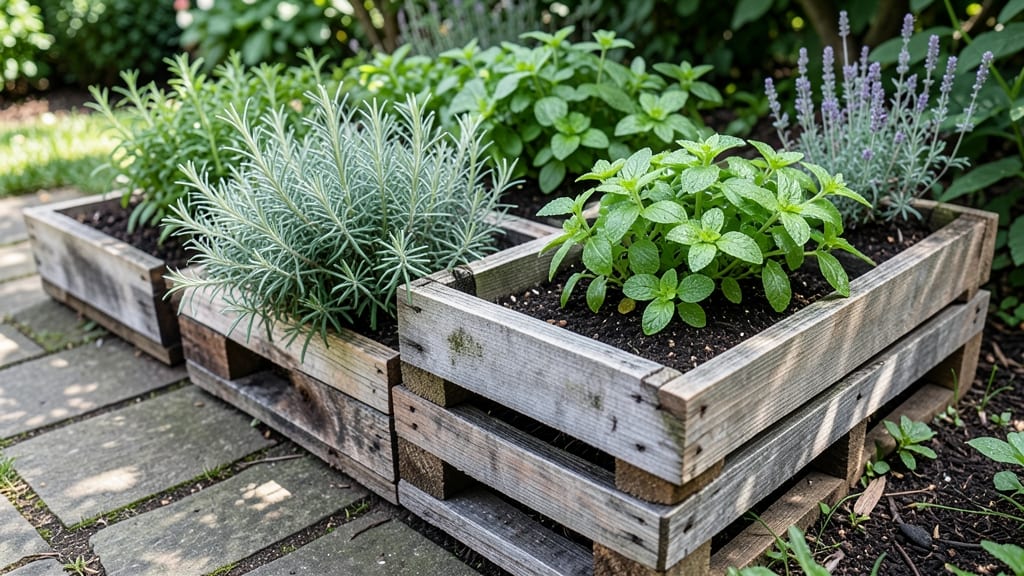
Transform your herb garden into a thriving, flavor-packed space with these 10 creative bed ideas. Smart spacing and layout hacks maximize growth, minimize pests, and boost harvests—perfect for both beginners and seasoned gardeners.
Square Foot Herb Grid Layout
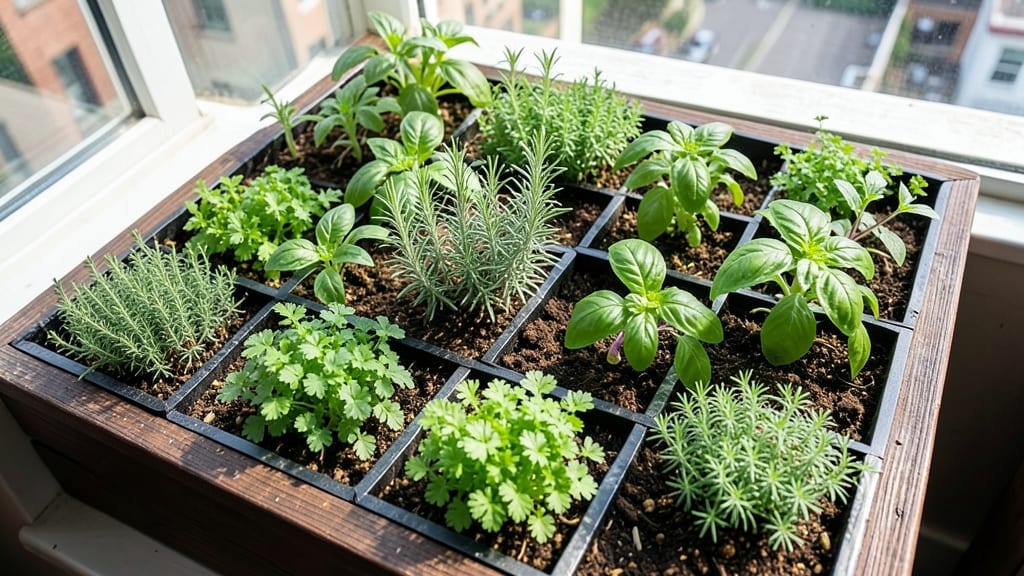
Small urban gardens don’t need to mean sacrificing your favorite herbs—this square foot grid layout turns tight spaces into high-yield herb havens. By dividing your bed into 12-inch squares, you eliminate overcrowding and ensure each plant gets the perfect amount of sunlight and nutrients.
Start by marking your bed with a grid (use stakes or spray paint). Plant one herb per square, grouping fast growers like basil with slow growers like rosemary to balance harvest times. Label each square with plant names or a simple sketch to track growth. This method works especially well for container gardens or raised beds, where space is limited but flavor potential is unlimited.
Urban gardeners and beginners will love this system—it’s foolproof, customizable, and ensures you’ll never waste space (or money) on overplanted herbs again. 🌱
Spiral Herb Garden Design
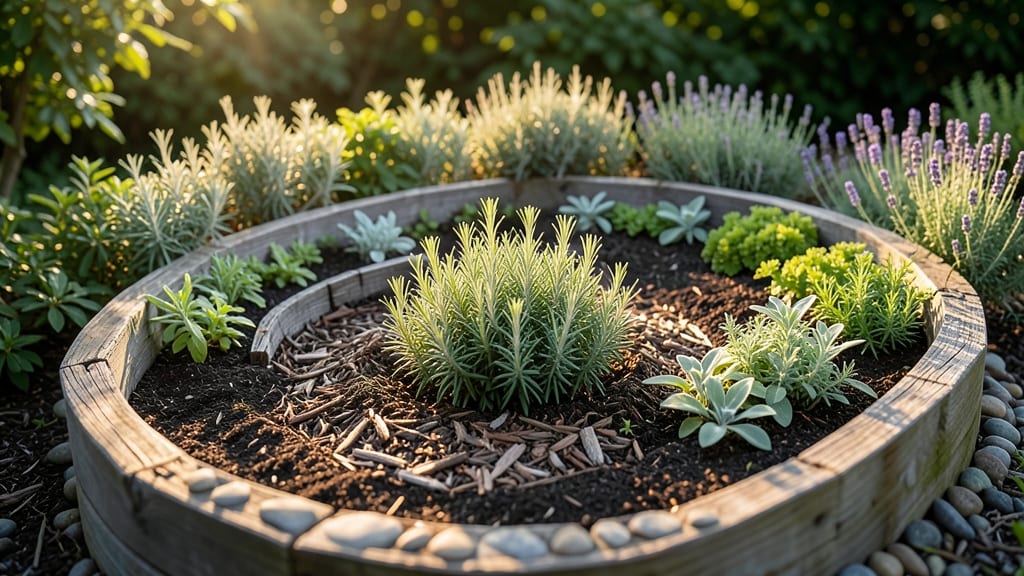
Want to grow rosemary, oregano, and sage together without competing for sunlight? A spiral herb garden creates natural microclimates—warmer, drier spots near the center for drought-loving herbs like rosemary, and cooler, moister areas on the outer edges for thyme or lavender.
Start by shaping your bed in a sunwise spiral (counterclockwise in the Northern Hemisphere) to mimic the earth’s energy flow. Place sun-hungry herbs like rosemary at the center, where they’ll bask in 6+ hours of direct sun, while partial-shade lovers like parsley or cilantro thrive on the outer curves. Use gravel or stones at the center to absorb heat and retain moisture for the spiral’s core.
This design is ideal for small spaces or gardeners who love a mediterranean-inspired look. Plus, the spiral’s natural flow makes harvesting a breeze—no more bending or reaching! 🌿
Hanging Herb Basket System
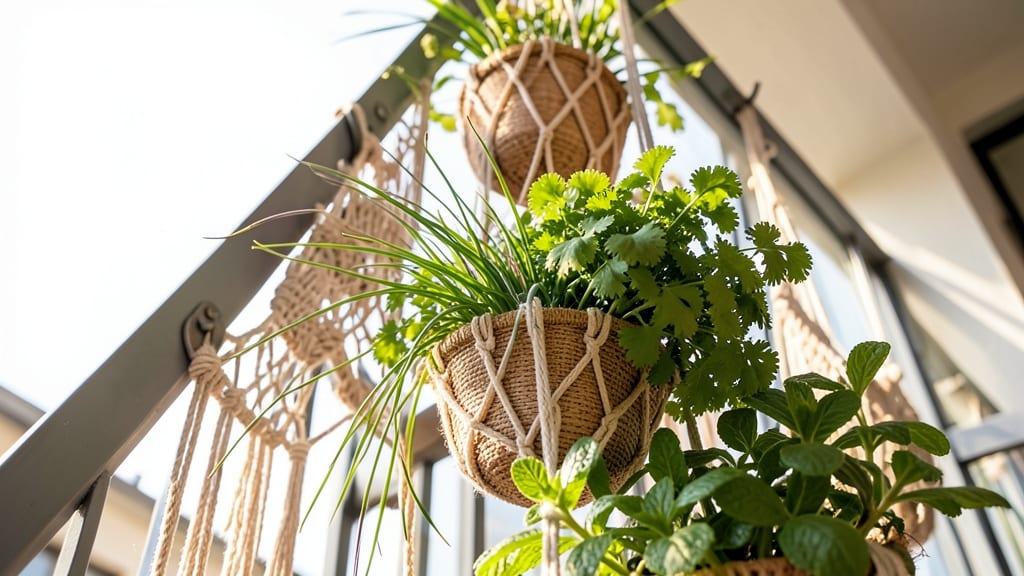
Turn your balcony or patio into a fragrant herb haven with a hanging herb basket system—the perfect solution for small spaces where ground room is limited. This vertical approach lets chives, mint, and cilantro cascade beautifully while keeping your herbs within easy reach for harvesting.
Start with cocofibre or plastic baskets (10-12 inches wide) and line them with moisture-retentive coconut coir to prevent roots from drying out. Plant trailing herbs like mint and chives near the edges and upright varieties like parsley or dill in the center. Hang baskets at varying heights to create a lush, tiered display—just ensure they receive at least 4-6 hours of sunlight daily. Water from below to encourage deep root growth and deter pests.
This system is a game-changer for urban gardeners, renters, or anyone with limited outdoor space. Plus, the cascading greenery adds a touch of whimsy to any outdoor area while keeping your herbs thriving. 🌿
Companion Planting Herb Bed
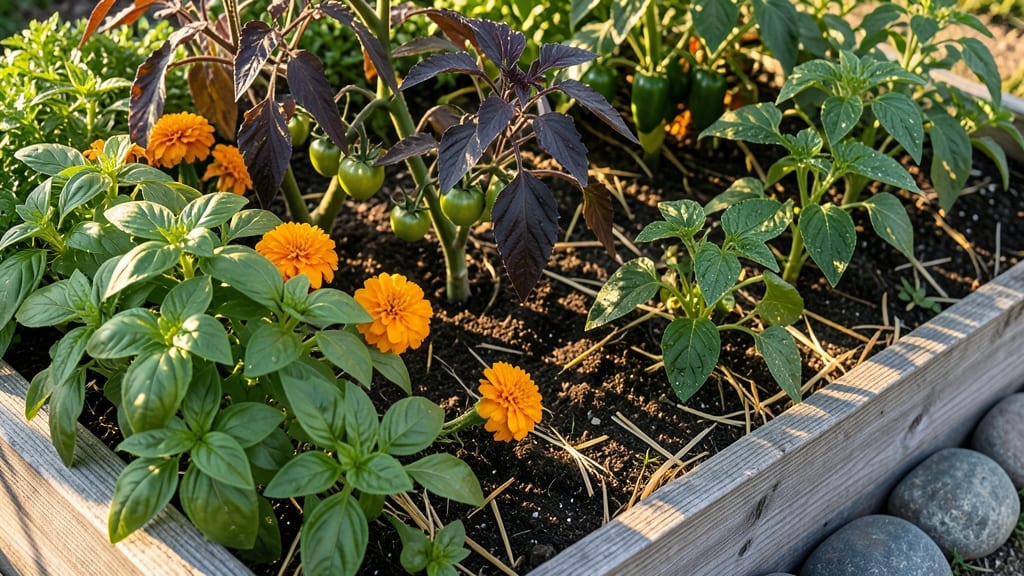
Want a vegetable garden that thrives without chemical sprays? A companion planting herb bed turns your edible space into a natural pest-deterrent powerhouse. By strategically placing herbs like basil and marigolds alongside tomatoes and peppers, you’ll confuse pests, improve flavor, and even boost growth—all while keeping your garden chemical-free.
Start by planting basil around tomatoes to repel mosquitoes and whiteflies while enhancing flavor. Add marigolds between rows to deter nematodes and attract beneficial insects like ladybugs. For peppers, tuck in thyme or oregano to ward off aphids. This setup works especially well in raised beds or in-ground plots with full sun, giving you a double harvest of both herbs and veggies.
Perfect for home cooks and organic gardeners, this method cuts down on pests while adding layers of fragrance and beauty. Your garden will be healthier—and your dinner plate, too! 🌿
Tiered Herb Tower Planters
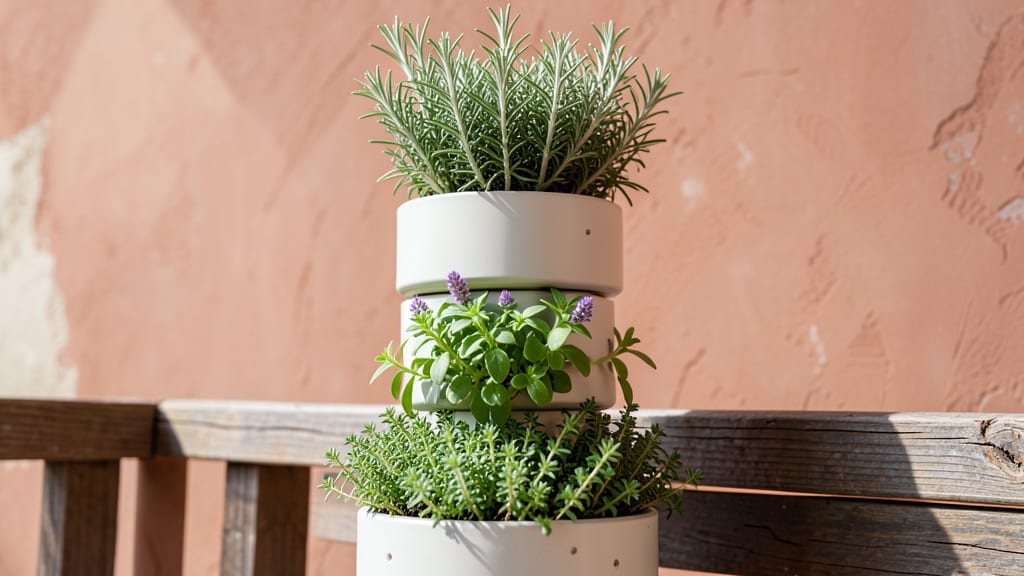
If your balcony or patio feels too small for a traditional herb garden, tiered herb towers are the game-changer you need. These vertical planters stack herbs by height—placing tall rosemary at the top and low-growing thyme at the base—so every plant gets its ideal growing conditions without fighting for space.
Start by selecting a sturdy tower with at least three tiers (wooden or metal works best). Fill the top layer with sun-loving herbs like rosemary or lavender, the middle with medium-height varieties like oregano, and the bottom with spreading herbs like thyme or mint. Use well-draining soil and place the tower in at least 6 hours of sun for optimal growth. The vertical design also makes harvesting easier—no more bending or reaching!
Perfect for urban gardeners, renters, or anyone with limited ground space, tiered towers add visual interest while maximizing your herb yield. Plus, they’re easy to move if your sunlight shifts throughout the day. 🌿
Moonlight Herb Circle
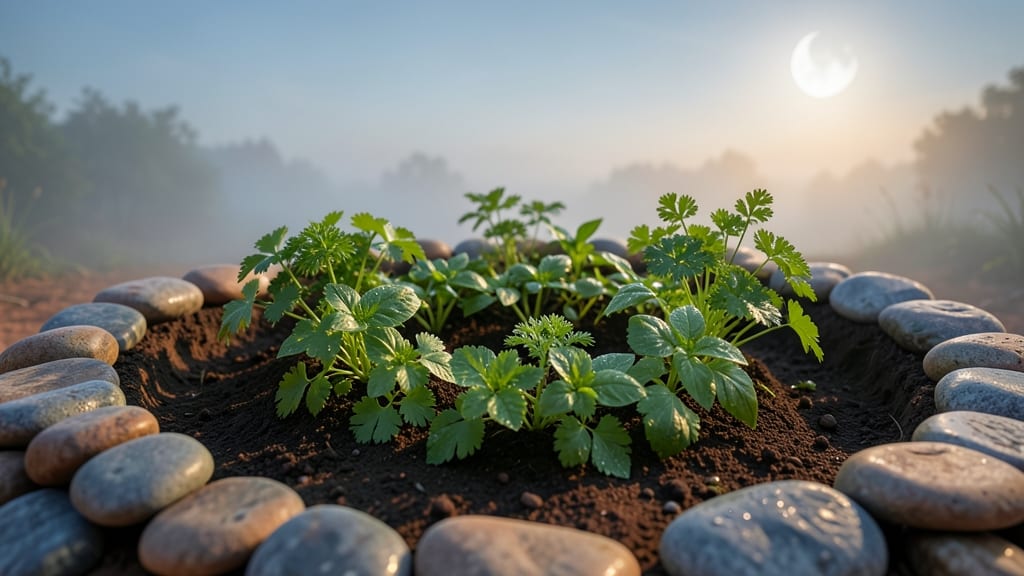
Ever wonder why some herb gardens thrive while others struggle? The answer might be hiding in the lunar phases. A Moonlight Herb Circle aligns your plantings with the moon’s cycles to boost growth, flavor, and even pest resistance—no crystal ball required.
Start by creating a circular bed with cilantro or parsley at the center (fast growers that benefit from the moon’s energy). Surround them with dill, fennel, or sage on the outer edges, where they’ll mature more slowly but still flourish. Plant during a waxing moon (when the moon is growing) for leafy herbs, and a waning moon for root crops like parsley. Add a small marker in the center to track the moon’s phases—this simple ritual keeps your herbs in sync with nature’s rhythms.
This method is ideal for perennial gardeners or those who love a touch of whimsy in their beds. Plus, the circular shape creates a stunning focal point that’s perfect for meditation spaces or kitchen gardens. 🌻
Window Box Herb Display
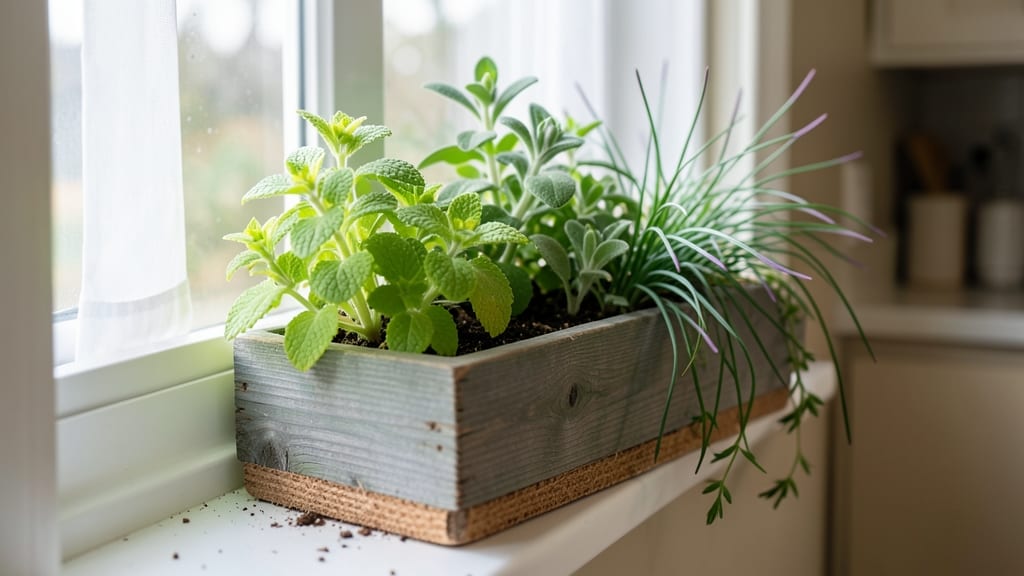
Turn your kitchen into a fragrant, functional oasis with a window box herb display—where fresh lemon balm, sage, and chives grow just steps from your stove. This space-saving design transforms overlooked windowsills into a year-round herb pantry, perfect for cooks who crave convenience and curb appeal.
Start with a deep, narrow window box (at least 8 inches deep) filled with well-draining potting mix. Plant lemon balm and mint at the edges to spill over gracefully, while sage and thyme thrive in the center. Position the box where it receives 4-6 hours of sunlight daily, and water from the bottom to prevent soil erosion. For extra charm, add terracotta pots or wooden accents to match your home’s style.
This setup is ideal for urban dwellers, apartment gardeners, or anyone with limited outdoor space. Plus, the intoxicating scent of fresh herbs wafting through your kitchen will make every meal feel like a gourmet experience. 🌻
Underground Clay Pot Herb Planters
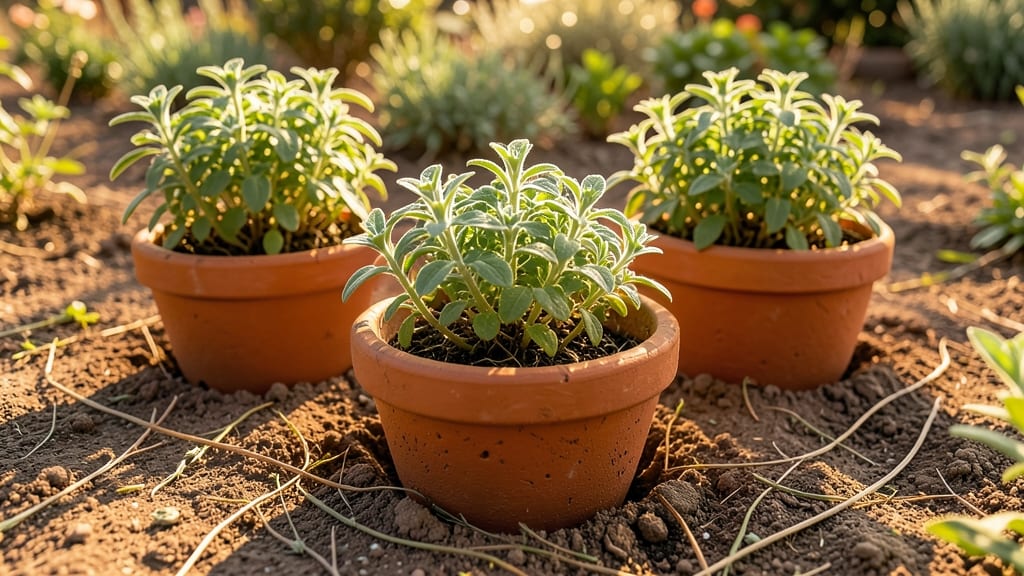
Struggling to keep your Mediterranean herbs from wilting in scorching summer heat? Underground clay pot planters solve this by burying pots just below the soil surface—keeping roots cool while allowing them to spread freely. This clever trick mimics the natural growing conditions of herbs like oregano and tarragon, which love stable temperatures and well-draining soil.
Start by selecting unglazed terracotta pots (they breathe better than plastic) and bury them halfway in the ground, leaving only the top rim exposed. Fill with a mix of sandy soil and compost to replicate their native, drought-resistant environment. Water deeply but infrequently—these pots regulate moisture like a pro, reducing evaporation. Place them in full sun for maximum flavor, and watch your herbs thrive without the stress of extreme temperatures.
This method is perfect for hot-climate gardeners or anyone growing heat-sensitive herbs. The buried design also hides the pots neatly, blending seamlessly into your garden while keeping your herbs happy and productive. 💚
Herb and Flower Pollinator Bed
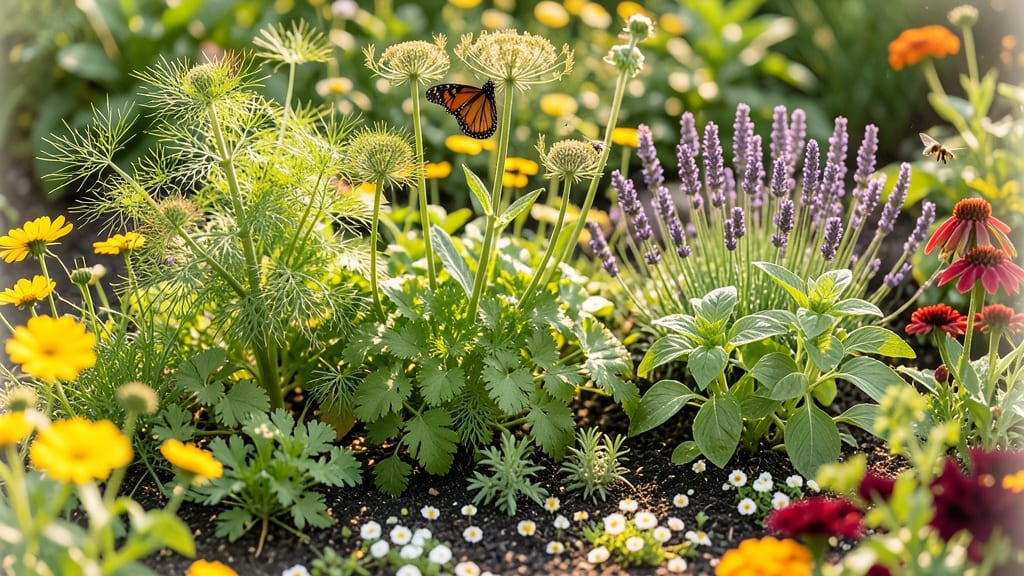
Turn your herb garden into a buzzing hub of life with a herb and flower pollinator bed—where every bloom and leaf works together to attract bees, butterflies, and other beneficial insects. This isn’t just about aesthetics; it’s about creating a dynamic ecosystem where dill, fennel, and cilantro thrive alongside bee balm, coneflowers, and lavender, enhancing both flavor and biodiversity.
Start by planting umbel-shaped herbs like dill and fennel near pollinator magnets such as purple coneflowers or bee balm. These flowers provide nectar and pollen, while the herbs benefit from cross-pollination, resulting in more robust flavors and higher yields. Place your bed in full sun (6+ hours daily) and use well-draining soil to keep both herbs and flowers happy. Add a small water source, like a shallow dish, to give pollinators a drink and encourage them to linger.
This design is perfect for eco-conscious gardeners who want to support local wildlife while enjoying the freshest herbs. Plus, your kitchen will thank you for the extra burst of flavor from these pollinator-powered plants! 🌻
Modular Herb Pallet Garden

Tired of static herb beds that don’t adapt to your changing needs? A modular herb pallet garden turns simple wooden pallets into customizable, movable planters—perfect for herbs with wildly different water needs like drought-tolerant rosemary and moisture-loving mint. This system lets you rearrange your garden as seasons shift, ensuring every plant thrives in its ideal conditions.
Start by sanding and treating pallets to prevent splinters, then line them with landscape fabric to block weeds. Fill each pallet with well-draining soil tailored to your herbs—use cactus mix for rosemary and regular potting soil for mint. Stack pallets vertically or place them side by side, grouping herbs by sunlight needs. The best part? You can roll or slide them into sunnier spots as the sun moves or move them indoors during frost. Add wheels to pallets for even easier mobility!
This flexible setup is ideal for renters, urban gardeners, or anyone with limited space who wants a low-cost, adaptable herb garden. Plus, the rustic charm of repurposed pallets adds character to any patio or balcony. 🌱