
Vegetables
Barcelona’s gardens provide vibrant urban sanctuaries where modern architecture meets native Mediterranean plants, offering serene escapes like Park Güell’s whimsical mosaics, the peaceful Jardins de Joan Brossa, and the historic Jardins de la Maternitat.
Barcelona’s green spaces are where the city’s artistic soul meets nature’s resilience. 🌿 These meticulously designed gardens showcase everything from Gaudí’s playful cacti collection at Park Güell to the rare succulent displays in Mossèn Costa i Llobera’s terraced gardens.
What makes them special is how they adapt to Barcelona’s coastal climate—drought-resistant plants thrive alongside lush olive groves, creating a sustainable urban oasis. Whether you’re chasing spring’s vibrant blooms or autumn’s golden foliage, each garden tells a story of both history and ecological harmony.
Beyond their beauty, these spaces offer practical perks too. Many feature wheelchair-accessible paths, while hidden gems like Can Caralleu’s walled garden provide quiet corners away from crowds.
Pro tip: Pair your visit with a café stop at nearby La Font del Gat—its terrace overlooks Jardins de Joan Brossa and serves the perfect post-walk horchata. The best part? Most gardens are free to enter, making them Barcelona’s best-kept secret for affordable relaxation.
💡 In This Article
- Barcelona’s Most Iconic Gardens and Their Botanical Features
- Best Barcelona Gardens for Seasonal Visits and Hidden Gems
Barcelona’s most iconic gardens and their botanical features
Barcelona’s gardens aren’t just green spaces—they’re living museums of Mediterranean ecology and architectural innovation. Take Park Güell, where Antoni Gaudí’s whimsical mosaics blend with over 300 cactus species, including rare Euphorbia and Opuntia varieties.
These drought-resistant plants thrive in Barcelona’s 16-20°C average temperatures and minimal rainfall, proving Gaudí’s genius in creating a self-sustaining ecosystem that mirrors the city’s coastal climate resilience.
The terraced Jardins de Mossèn Costa i Llobera take climate adaptation further with its 1,500+ succulents arranged in geometric precision. The garden’s microclimate—protected by its 19th-century walled design—creates ideal conditions for agaves and aloes that would otherwise struggle in Barcelona’s urban heat.
What’s fascinating is how the garden’s limestone substrate enhances drainage, preventing root rot while mimicking the Mediterranean’s natural rocky terrain.
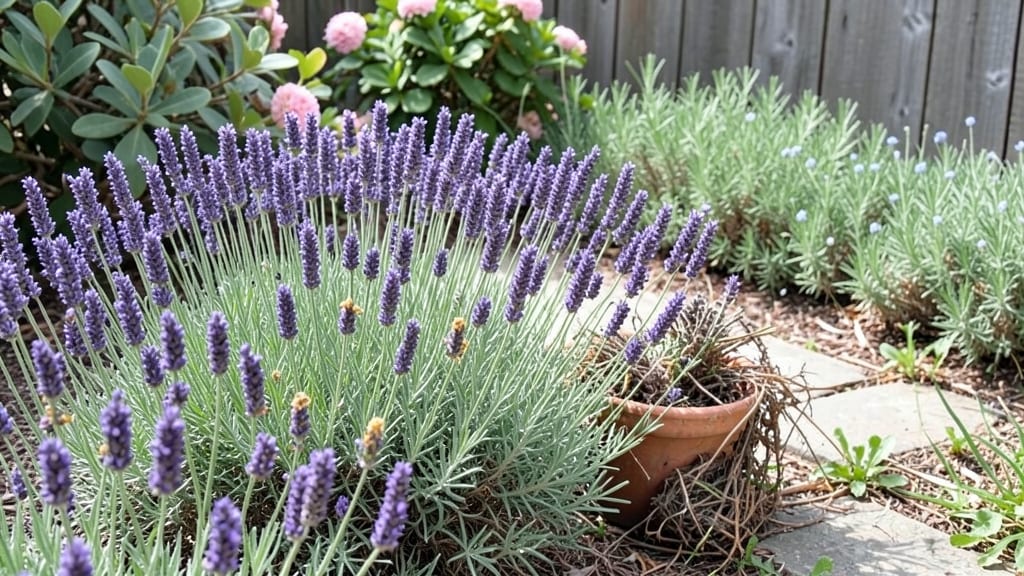
Contrast this with Jardins de Joan Brossa, where the focus shifts to native flora like rosemary, lavender, and olive trees—plants that require minimal irrigation once established.
The garden’s undulating paths follow natural water flow patterns, reducing erosion while creating a sensory experience where textures range from smooth lavender stems to rough olive bark. This thoughtful design reflects Barcelona’s 300mm annual rainfall, where water conservation is key.
What unites these gardens is their symbiosis between architecture and botany. Park Güell’s trencadís mosaics use broken ceramic tiles to create habitats for lizards and insects, while Mossèn Costa’s terraces double as rainwater catchment systems.
Even the Jardins de la Maternitat, with its 18th-century formal gardens, incorporates citrus trees—their fragrant blossoms attracting pollinators while their fruit thrives in Barcelona’s mild winters (5-10°C).
The science behind these choices is striking: Mediterranean plants like cistus (rockrose) and helichrysum (curry plant) have evolved to survive on less than 500mm annual rainfall, making them perfect for Barcelona’s climate.
Their deep root systems access groundwater, while their small, waxy leaves reduce evaporation. This isn’t just landscaping—it’s ecological engineering that turns urban spaces into self-sustaining ecosystems.
Here’s the takeaway: Each garden’s plant selection isn’t arbitrary—it’s a response to Barcelona’s microclimates, from the cooler coastal breezes near the sea to the warmer inland areas.
The result? Gardens that feel both wild and meticulously curated, where every oleander bush and palm tree serves a purpose beyond aesthetics. 🌿