
Tools
Garden tomato problems like blossom drop and cracked fruit can turn your harvest into a nightmare—until you know the real fixes. 🌱 I’ve lost entire tomato plants to these issues, but the solutions are simpler than you think, and they’re all organic.
The key is understanding what’s really causing the problem before you reach for sprays or fertilizers.
Blossom drop happens when plants get too hot, too cold, or don’t have enough water at the right time. Cracked fruit? That’s usually from uneven moisture—soaking dry soil one day and letting it dry out the next.
Both issues are fixable with small adjustments, and once you see the results, you’ll wonder why you didn’t try this sooner.
By the end of this guide, you’ll know exactly how to stabilize your plants, prevent stress, and even salvage existing fruit. No more wasted effort or disappointing harvests—just strong, productive vines that give you tomatoes all season long. Let’s get those plants back on track.
Whether you’re dealing with one problem or a whole season of struggles, these solutions work for container gardens, raised beds, or in-ground plots. The best part? You won’t need any fancy tools or expensive products—just a few smart tweaks to how you care for your plants.
Root Causes Of Tomato Troubles
Understanding why your garden tomatoes act up is half the battle—once you know the science behind the struggle, you can fix it fast. Let’s break down the most common culprits behind blossom drop and cracked fruit, so you can stop guessing and start growing like a pro.
Tomatoes are tropical plants at heart, and they hate sudden temperature changes.
When nighttime temps dip below 55°F (13°C) or daytime highs soar above 90°F (32°C), your plants throw a fit—leading to blossom drop (flowers falling off) or cracked fruit (as the plant struggles to keep up with rapid growth).
- Why it happens: Cold stress disrupts pollination (bees and wind avoid chilly flowers), while heat causes abscission (the plant sheds blossoms to conserve energy).
Meanwhile, uneven water uptake from hot days + cool nights makes fruit split as it expands too fast. - Actionable fix: Use row covers for early spring or shade cloth in summer. Mulch heavily to stabilize soil temps and water deeply at dawn to prevent stress.
Tomatoes are thirsty but picky—they need consistent moisture, but too much (or too little) throws their whole system off balance.
| Problem | Why It Happens | Fix It Fast |
|---|---|---|
| Blossom Drop | Drought stress triggers ethylene gas (a plant hormone that signals "drop flowers"). | Water 1–1.5 inches per week (deep soak, not sprinkles). Use drip irrigation to avoid wetting leaves. |
| Cracked Fruit | Uneven watering causes rapid swelling—think of a balloon filling too fast! | Keep soil evenly moist (stick your finger in—top 1–2 inches should stay damp). Avoid late-day watering. |
Tomatoes are heavy feeders, and if their diet is off, they’ll rebel with blossom drop (lack of phosphorus/potassium) or weak, splitting fruit (too much nitrogen).
- Why it happens:
- Low phosphorus (P): Stunts root growth → flowers can’t develop properly → drop like confetti.
- Low calcium (Ca): Weak cell walls → blossom-end rot (a type of cracking) or fruit splitting.
- Too much nitrogen (N): Leads to leafy monsters with no fruit, or soft, watery tomatoes prone to cracking.
- Actionable fix:
- Side-dress with bone meal (for P) or crushed eggshells (for Ca) at planting and mid-season.
- Avoid fresh manure (too much N!)—use composted instead.
- Epsom salt spray (1 tbsp/gallon) can boost magnesium, preventing yellowing leaves that stress the plant.
Tomatoes are self-pollinating, but sometimes they need a little help—especially in greenhouses, rainy weather, or when bees are scarce.
- Why it happens:
- No vibration: Bees shake flowers to release pollen; without them, flowers fall off unpollinated.
- Humidity: Rainy days wash away pollen, leading to small, misshapen tomatoes or blossom drop.
- Actionable fix:
- Hand-pollinate by gently shaking plants early in the morning (when flowers are open).
- Invite pollinators with native flowers (like marigolds or basil) near your tomato patch.
- Use a small paintbrush to transfer pollen from flower to flower if bees are MIA.
Tomatoes hate sharing—when roots get cramped, they stress out, leading to poor fruit set and weak vines that can’t support heavy tomatoes (hello, cracks!).
- Why it happens:
- Root-bound plants compete for water, nutrients, and space, triggering abscission (dropping blossoms).
- Too much shade from overgrown foliage → leggy, weak stems that snap under fruit weight.
- Actionable fix:
- Space plants 18–24 inches apart (or use cages/trellises to save space).
- Prune suckers (those little shoots in the leaf axils) to improve airflow and direct energy to fruit.
- Thin seedlings early—keep only the strongest 2–3 plants per hill.
Not all tomato troubles are environmental—pests and pathogens can sabotage your harvest before it even starts.
| Culprit | How It Causes Problems | Stop It Now |
|---|---|---|
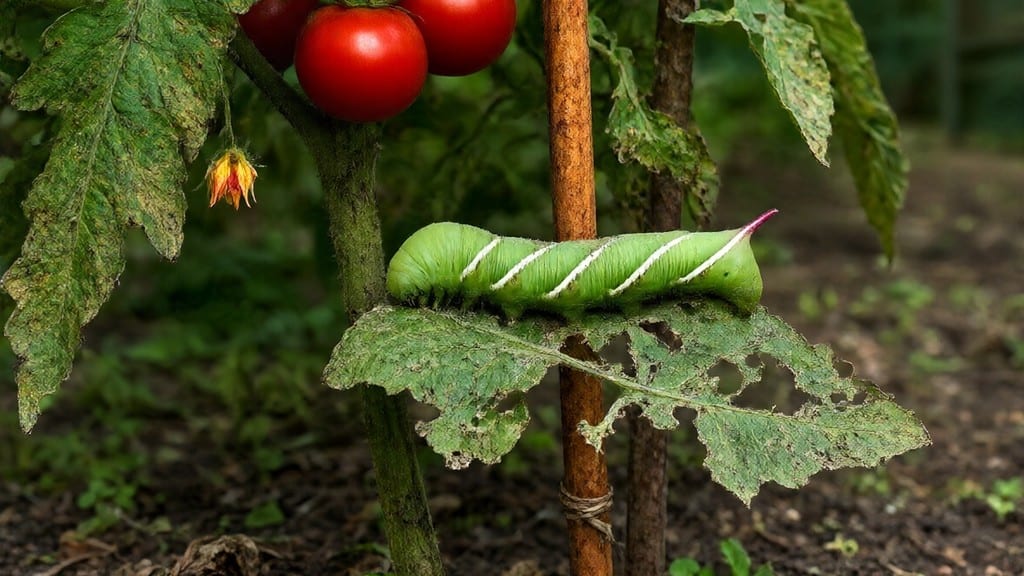
| Hornworms | Munch on flowers and fruit → blossom drop and chewed tomatoes. | Handpick at night (they’re sneaky!) or spray BT (Bacillus thuringiensis). |
| Aphids/Whiteflies | Suck sap, weakening plants → flowers abort and fruit cracks from stress. | Blast off with water spray or use neem oil. |
| Fungal Issues | Blight (early/late) clogs pores → poor gas exchange → blossom drop. | Rotate crops, prune lower leaves, and water at the base. |
| Viral Diseases | Weakens vascular system → stunted growth and misshapen fruit. | Remove infected plants immediately and sterilize tools. |
If your seedlings struggle after moving to the garden, they’ll drop blossoms or produce small, cracked tomatoes as they recover.
- Why it happens:
- Root damage during transplanting → slow nutrient uptake → flowers can’t survive.
- Temperature shock (moving from a cozy greenhouse to a chilly night) → stress hormones trigger abscission.
- Actionable fix:
- Hardening off seedlings 7–10 days before planting (acclimate them to outdoor temps gradually).
- Plant at the right time (after last frost, when soil is at least 60°F/15°C).
- Use a root stimulator (like mycorrhizal fungi) to help roots establish faster.
Fixing Common Tomato Troubles
Now that you know the root causes behind your garden tomato woes—whether it’s blossom drop, cracked tomatoes, or pests and diseases—let’s roll up our sleeves and tackle them head-on. Below are practical, step-by-step solutions tailored to each issue, plus prevention tips to keep your tomato plants thriving.
Problem: Flowers fall off before turning into fruit, leaving you with sparse harvests.
🔥 Fix It Fast (Emergency Measures)
- 💧 Adjust Watering Immediately
- Water deeply once a week (or more in extreme heat) to avoid stress. Shallow watering causes uneven moisture, triggering drop.
- Pro Tip: Use drip irrigation or soaker hoses to deliver water directly to roots—no wasted evaporation!
- 🌡️ Cool Things Down
- If temps hit above 90°F (32°C), provide shade cloth (30-50%) during peak afternoon heat.
- Nighttime Tip: Mulch with straw or grass clippings to regulate soil temperature.
- 🍽️ Feed for Fertility
- Apply a balanced fertilizer (10-10-10) or fish emulsion when flowers appear. Too much nitrogen = fewer fruits!
- DIY Boost: Mix 1 tbsp Epsom salt per gallon of water and spray foliage weekly for magnesium support.
🛡️ Prevent Future Drop
- Choose heat-tolerant varieties like ‘Heatmaster’ or ‘Solar Fire’ for hot climates.
- Avoid over-fertilizing early in the season—focus on phosphorus and potassium (like 5-10-10) when flowers form.
- Hand-pollinate on windless days: Gently shake plants or use a small paintbrush to transfer pollen.
Problem: Tomatoes split open—ugly and wasteful!
🍳 Immediate First Aid
- 💧 Control Watering Like a Pro
- Stop watering 3-4 days before harvest if cracks appear. Consistent moisture = fewer splits.
- Even Better: Use moisture meters to keep soil 60-70% humidity—not soggy, not dry.
- 🌿 Prune for Airflow
- Remove lower leaves touching the ground to prevent soil-borne diseases (which worsen cracking).
- Prune suckers (side shoots) to direct energy to fruit, not foliage.
- 🥘 Harvest Early & Use Smartly
- Pick firm, green tomatoes and ripen indoors if cracks start. Store in a paper bag with a banana for ethylene gas.
- Cooking Hack: Use cracked tomatoes in sauces, soups, or salsas—they’re still delicious!
🎯 Long-Term Prevention
- Mulch heavily with straw or wood chips to prevent rapid soil drying.
- Plant in well-draining soil—amend clay soil with compost or perlite.
- Choose crack-resistant varieties like ‘Mountain Merit’ or ‘Better Boy.’
Problem: Bugs, fungi, or bacteria are stealing your tomatoes.
🔪 Treat Infestations Fast
| Problem | Solution | Prevention |
|---|---|---|
| Aphids/Whiteflies | Spray with soapy water (1 tsp dish soap + 1L water) or neem oil. | Introduce ladybugs or lacewings. |
| Blight (Early/Late) | Remove infected leaves, copper fungicide, or baking soda spray (1 tbsp + 1L water + few drops soap). | Rotate crops, avoid overhead watering. |
| Hornworms | Handpick at night (they’re huge and easy to spot!) or use BT (Bacillus thuringiensis). | Plant basil or marigolds nearby. |
| Fusarium Wilt | Solarize soil (cover with clear plastic for 4-6 weeks) or replant in fresh soil. | Resistant varieties like ‘Defiant’ or ‘Mountain Spring’. |
💡 Pro Tips for Pest-Free Tomatoes
- Interplant with herbs: Basil, cilantro, and dill repel pests naturally.
- Row covers: Use floating fabric to block insects early in the season.
- Coffee grounds: Sprinkle around plants to deter slugs and ants.
To keep your plants healthy and productive, follow this weekly routine:
- Water deeply at soil level (avoid wetting leaves).
- Inspect leaves daily for pests/diseases (early action = big wins!).
- Prune suckers and stake/tie plants as they grow.
- Rotate crops yearly to prevent soil-borne issues.
Final Thought: Most tomato problems are fixable with small adjustments—consistent watering, smart fertilizing, and a little preventive love. Try one solution at a time, and soon you’ll be feasting on homegrown, problem-free tomatoes! 🍅🔥
Frequently asked questions
Why do my tomato flowers keep falling off before they turn into fruit?
This is called blossom drop, and it usually happens due to temperature stress (below 55°F or above 90°F), uneven watering, or too much nitrogen fertilizer. The plant sheds flowers to conserve energy. Try watering deeply at dawn, using shade cloth in heatwaves, and switching to a balanced fertilizer like 5-10-10 when flowers appear.
How can I prevent my tomatoes from cracking?
Cracked tomatoes happen when soil moisture fluctuates too much—soaking dry soil then letting it dry out again. Keep soil consistently moist (top 1-2 inches should stay damp) and avoid late-day watering. For existing cracks, harvest early and ripen indoors. Mulching with straw also helps stabilize moisture levels.
What should I do if my tomato leaves develop yellow spots?
Yellow spots could signal early blight or nutrient deficiency. Remove infected leaves immediately and avoid overhead watering. For prevention, apply copper fungicide and rotate crops next season. If it's a magnesium deficiency, spray leaves with Epsom salt solution (1 tbsp per gallon) every 2 weeks.
Can I save a tomato plant with blossom-end rot?
Blossom-end rot (dark sunken spots on fruit) means your plant needs more calcium. Crush eggshells into powder and sprinkle around the base, or use a calcium supplement like gypsum. Prune affected fruit to redirect the plant's energy, and maintain even moisture to prevent new cases.
How do I know if my tomato plant needs more sunlight?
Leggy stems, pale leaves, and poor fruit set are classic signs of insufficient light. Tomatoes need 6-8 hours of direct sunlight daily. If your plants are in shade, try moving them to a sunnier spot, using reflective mulch, or installing a small greenhouse. Varieties like 'Sun Gold' tolerate partial shade better than heirlooms.