
Planting
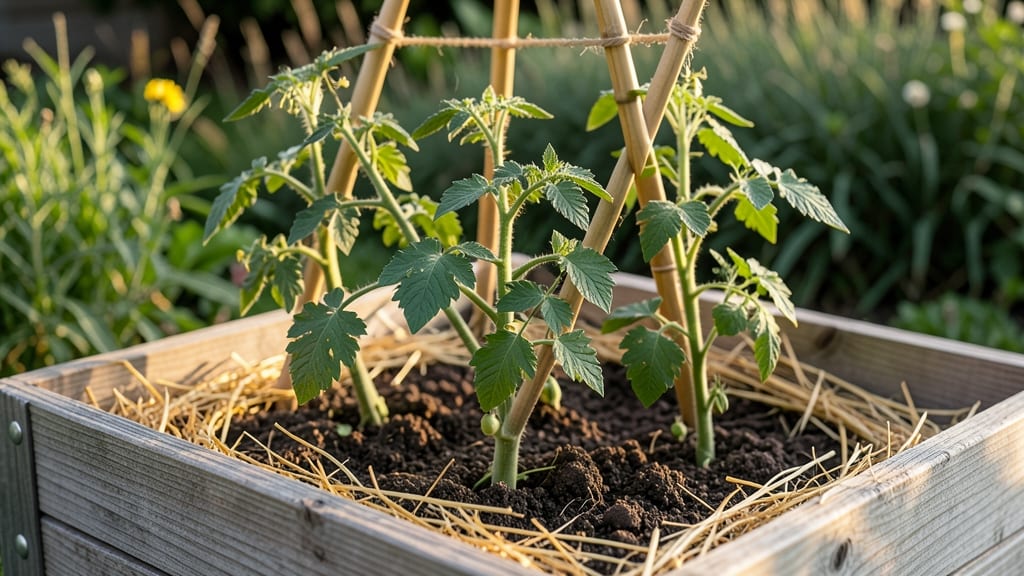
My raised bed garden tomato spacing secrets start with a simple grid: 18 inches for compact bush varieties and 24 inches for sprawling vines. 🌱 Last summer, my overcrowded cherry tomatoes produced half the yield because the plants fought for sunlight and air—until I redid the spacing and watched them explode with fruit.
The key is matching plant size to your bed width: 4-foot beds fit two rows of tomatoes with 24-inch spacing between plants and 18 inches between rows.
For bushier types like 'Tiny Tim' or 'Patio Princess,' you can squeeze them into 18-inch squares, but give vines like 'Brandywine' or 'Celebrity' their full 24 inches to avoid stunted growth. You'll notice healthier foliage, fewer diseases, and bigger harvests when plants aren't competing.
The extra space also makes pruning and harvesting easier—no more tangled vines or hidden rot spots. Plus, airflow prevents fungal issues like blight, which can wipe out a crowded bed in days. This spacing works for any raised bed size, from 2x4-foot starter beds to 8x4-foot monster plots.
The only rule? Stick to the grid, and your tomatoes will repay you with bigger, sweeter fruit all season long.
📚 In This Guide
- What you need
- Instructions
- Tips and common mistakes
- Wrapping up and next steps
What you need
- ● Raised bed frame: Wood (cedar or redwood, untreated), metal, or composite—at least 12" deep (18"+ ideal). Dimensions: 4’x8’ (standard) or custom size (minimum 2’x4’ for small batches).
- ● Garden soil: 60% high-quality potting mix (e.g., Miracle-Gro or Fox Farm) + 40% compost (avoid garden soil—it compacts!). Calculate ~1 cubic foot per square foot of bed depth.
- ● Tomato plants: Determinate (bush) varieties: 9–12 plants (spaced 18" apart in a 3x4 grid).
- ● Indeterminate (vining) varieties: 4–6 plants (spaced 24" apart in a 2x3 grid).
- ● Stakes or cages: Bush tomatoes: 6–8" wooden stakes or 5’ tomato cages (1 per plant).
- ● Vining tomatoes: 6–8’ bamboo stakes or 7’+ cages (1 per plant).
- ○ Trellis netting (optional but helpful for vines): 10–12’ rolls of 1"x2" mesh (e.g., Gardeners.com brand).
- ● Drip irrigation or soaker hoses: 1/4" tubing + emitters (spaced 12–18" apart). Pro tip: Add a timer for hands-off watering!
- ● Mulch: 2–3" layer of straw or shredded leaves to retain moisture.
- ● Soil amendments: Balanced fertilizer (e.g., 10-10-10) or composted manure (mix 1 cup per plant into soil).
- ● Pruning shears: For trimming suckers (indeterminate varieties).
- ● Plant markers: Label stakes or rock markers to track varieties.
- ● Row cover: Frost cloth for early-season protection.
- ● pH test kit: Ensure soil pH is 6.0–6.8 (tomatoes love slightly acidic soil!).
Step-by-step instructions for raised bed tomato spacing
Here's the foolproof method I use to maximize yields in my raised beds without overcrowding.
🌱 Step 1: Plan Your Layout Based on Tomato Type
First, sketch your bed layout on paper. Bush varieties like 'Roma' or 'Patio' need an 18-inch grid—this gives them enough space to spread while still packing in plants. For indeterminate vines like 'Sungold' or 'Brandywine', use a 24-inch grid so they can climb and sprawl without competing for light.
I always start by marking the center of each grid square with a pencil. This ensures perfect spacing even if I get distracted mid-planting. For a 4-foot by 8-foot bed, you'll fit 8 bush plants or 5 vine plants in a single row. Double-check your math—crowding now means blight later.
☀️ Step 2: Position Plants for Sun and Airflow
Tomatoes need 6-8 hours of direct sun, so place your tallest varieties on the north side of the bed. This prevents smaller plants from being shaded out as vines grow. I like to stagger rows slightly (like brickwork) to improve airflow—this cuts down on humidity-related diseases like early blight.
Watch for microclimates in your bed. If one corner stays damp longer, avoid planting there. You'll know airflow is right when you can walk between plants without brushing against leaves—this keeps foliage dry and reduces fungal risks.
🪴 Step 3: Dig Holes and Plant at the Right Depth
Dig holes just deep enough to bury one-third of the stem—this encourages strong root growth. For bush tomatoes, I use a trowel to make holes 12 inches apart within your grid. For vines, widen the hole slightly to accommodate their wider root systems later.
Gently loosen the roots if they're circling in the pot, then place the plant so the stem is straight and the top leaves sit just above soil level. Fill in with the bed's existing soil, pressing lightly to remove air pockets. Water immediately to settle everything—this prevents gaps that invite weeds.
✂️ Step 4: Add Support and Mulch Immediately
Install cages or stakes right after planting to avoid disturbing roots later. For bush tomatoes, I use 5-foot cages buried 6 inches deep. For vines, drive 6-foot stakes into the hole and tie the main stem loosely with soft twine—tightening as it grows prevents stem damage.
Spread 2-3 inches of mulch (straw or shredded leaves) around each plant, leaving a 2-inch gap around the stem to prevent rot. This keeps soil moist, suppresses weeds, and protects fruits from soil-borne diseases. Check mulch depth weekly—it breaks down fast in summer heat.
🌿 Step 5: Monitor and Adjust Spacing as Plants Grow
After 4-6 weeks, check for leaf overlap—this is your cue to thin or prune. For bush varieties, remove the smallest plant if leaves touch. For vines, prune side shoots that grow below the first flower cluster to direct energy upward.
If you notice yellowing leaves between plants, it's a sign of overcrowding. Thin immediately by removing entire plants at the base—don't leave stumps. You'll see stronger, healthier plants within 2 weeks of proper spacing adjustments.
Tips & tricks for perfect raised bed tomato spacing
These practical strategies will help you avoid common mistakes and get the most out of your tomato plants.
Tomato Type Matters: The 18-inch grid for bush varieties like 'Roma' is non-negotiable—they'll spread aggressively if given more space. For vines like 'Sungold', the 24-inch spacing gives them room to sprawl without competing for sunlight. I've learned this the hard way after seeing crowded vines produce fewer fruits. Remember, indeterminate vines keep growing all season, so that extra space pays off big time!
Visual Layout Trick: Before planting, use a simple string-and-stakes method to mark your grid. Stretch string between stakes at 18-inch or 24-inch intervals, then adjust until you're happy with the spacing. This visual guide prevents uneven planting that can lead to overcrowding later. I always do this step—it saves me headaches when the plants mature.
Sunlight Strategy: The 6-8 hours of direct sun requirement is critical, but don't forget about morning sun. Place your tallest varieties on the north side to prevent shading smaller plants as they grow. I've seen gardens where afternoon sun was prioritized, but morning light is actually more valuable for photosynthesis. Also, watch for microclimates—wet corners can invite disease.
Pruning Timing: When checking for leaf overlap after 4-6 weeks, don't rush to prune. Wait until you see actual leaf contact before removing any plants. The 2-week recovery time mentioned is real—give your tomatoes time to adjust after thinning. I've made the mistake of pruning too early, which stressed my plants and slowed their growth.
Pro Tips for Raised Bed Garden Tomato Spacing
- These practical strategies will help you avoid common mistakes and get the most out of your tomato plants.
- Tomato Type Matters: The 18-inch grid for bush varieties like 'Roma' is non-negotiable—they'll spread aggressively if given more space.
- Visual Layout Trick: Before planting, use a simple string-and-stakes method to mark your grid.
Frequently asked questions
Got questions about spacing tomatoes in your raised bed? You’re not alone!
Here are answers to the most common queries to help you grow a thriving tomato patch with confidence.
What’s the best tomato spacing for raised beds?
For bush (determinate) tomatoes, aim for 18–24 inches apart in all directions. Vining (indeterminate) varieties need 24–36 inches to sprawl or climb. Taller plants benefit from staking or trellising to save space and improve airflow.
When is the best time to plant tomatoes in a raised bed?
Plant after the last frost when soil temps hit 55–65°F (use a soil thermometer!). For warm climates, spring or early summer works best. Transplants (vs. seeds) give you a head start—just harden them off first for 7–10 days.
Can I grow tomatoes closer together if my raised bed is small?
Yes, but expect smaller yields and more disease risk. If you must squeeze, try 12–16 inches for bush types and prune aggressively to improve airflow. Alternatively, grow compact varieties like ‘Tiny Tim’ or ‘Patio Princess’ (18–24” spacing).
Why are my tomatoes cracking or rotting despite proper spacing?
Overcrowding can trap moisture, but uneven watering (soil too dry/wet) and poor drainage are bigger culprits. Use mulch to stabilize soil moisture, avoid late-season fertilization (boosts water uptake), and ensure raised beds have drainage holes.
Should I mix tomatoes with other plants in a raised bed?
Companion planting works—try basil, marigolds, or onions to repel pests. Avoid brassicas (cabbage family) or corn, as they compete for nutrients. Leave 12–18 inches between tomato plants and companions to prevent shading.
Wrapping up and next steps
Perfecting your raised bed garden tomato spacing is the secret to a bountiful, healthy harvest—whether you’re growing compact bush varieties or sprawling vine types!
By following the 18-inch grid for bushes and 24-inch spacing for vines, you’ll give your plants room to thrive, reduce disease risk, and make maintenance a breeze. 🌱
Now that you’re armed with the right spacing know-how, it’s time to roll up your sleeves and plant! Start with healthy seedlings, prep your soil, and watch your garden transform into a tomato paradise. Happy gardening—your future salads (and bragging rights) will thank you! 🍅✨