
Tools
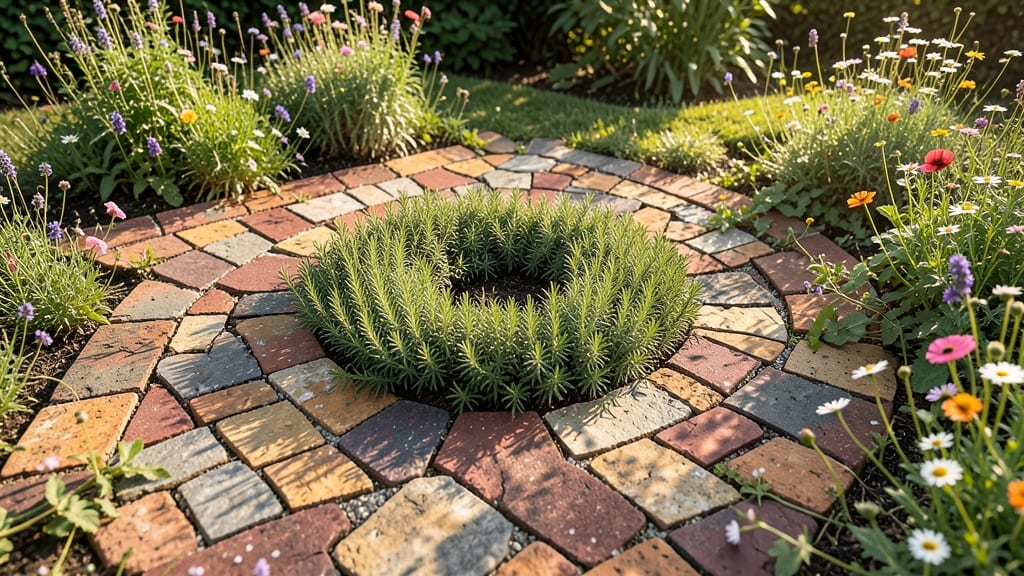
Transform your garden into a showstopper with these brick garden bed ideas that combine rustic charm with modern design. Whether you're framing flower beds, vegetable patches, or container gardens, bricks add lasting structure and timeless appeal.
Classic Soldier Brick Border Edging
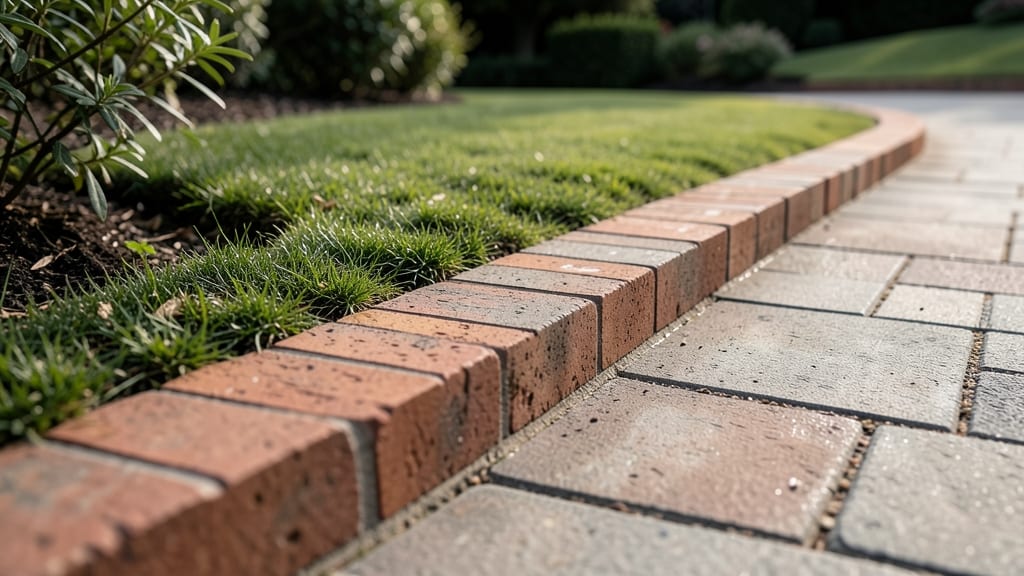
Looking for a timeless, polished garden border that instantly elevates your outdoor space? Soldier brick edging delivers that classic, symmetrical look with minimal effort—perfect for formal gardens, pathways, or high-traffic areas where durability is key.
This traditional technique involves laying bricks vertically in a single row, creating a clean, straight line that frames beds with precision. Use mortar for permanence or flexible landscape adhesive for easier DIY installation. For extra longevity, choose fired clay bricks that resist weathering and won’t shift over time. The uniform height (typically 4-6 inches) works universally with perennials, shrubs, or even vegetable gardens.
Soldier bricks are ideal for beginners or those seeking low-maintenance structure—no complex patterns or curves required. Their versatility makes them a staple in cottage, modern, and traditional gardens alike. 🌟
Curved Brick Herringbone Pattern
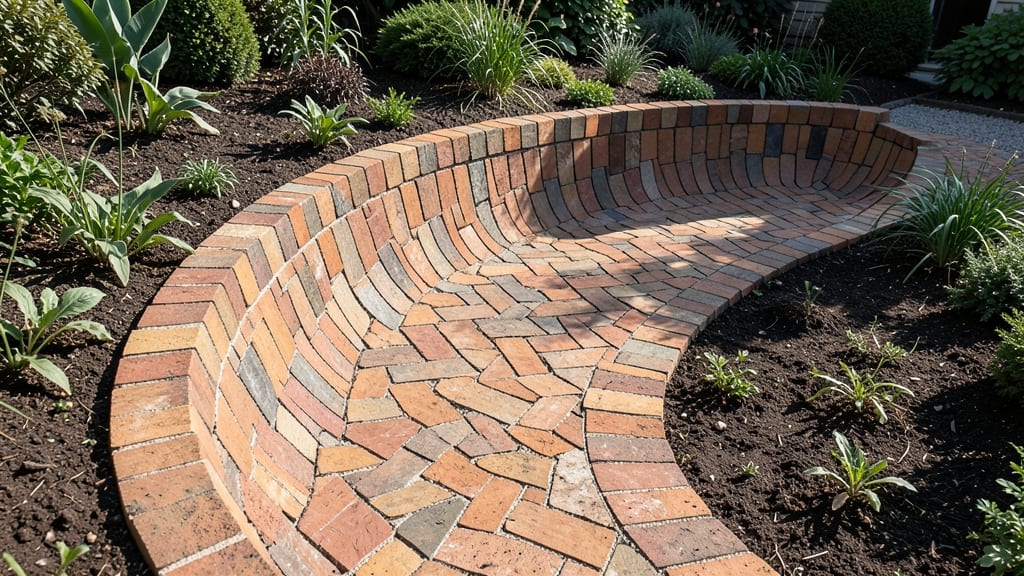
Tired of straight-edged garden beds that feel too rigid for your organic space? A curved brick herringbone pattern brings movement and sophistication to circular or kidney-shaped beds, creating a seamless flow that feels natural yet polished.
This design alternates bricks at 90-degree angles, forming a zigzag pattern that follows the bed’s curves. Use interlocking pavers for easy installation—just lay them in the herringbone layout and secure with landscape adhesive. For extra durability, choose bricks in earthy tones like warm terracotta or soft gray to complement perennials like peonies or daylilies. The interlocking design also resists shifting over time.
Perfect for gardeners who love structure with a soft touch, this pattern works beautifully in cottage gardens, modern landscapes, or even urban courtyards. The visual interest makes it a conversation starter while keeping maintenance simple. ✨
Raised Brick Planter Boxes
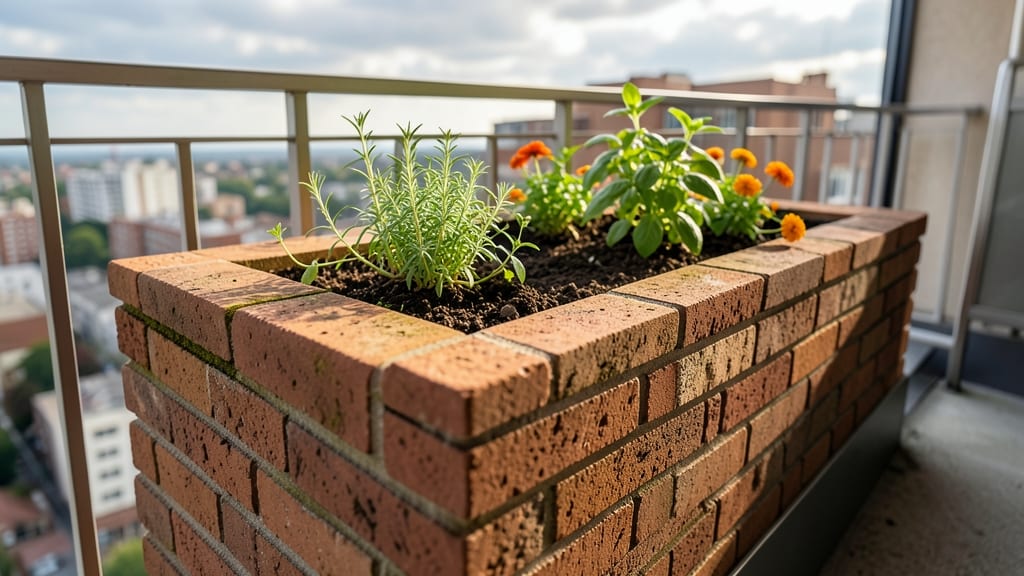
Transform your small patio or urban balcony into a thriving garden with raised brick planter boxes—the perfect solution for controlling soil quality and preventing erosion. These elevated beds let you grow vegetables, herbs, or flowers even in areas with compacted or poor soil, while keeping pests at bay naturally.
Build your planter with firebricks or pavers (at least 6 inches deep) to ensure proper drainage and root growth. Fill with a mix of topsoil and compost for nutrient-rich planting, and choose plants like basil, cherry tomatoes, or marigolds that thrive in contained spaces. The elevated design also makes harvesting easier on your back!
This option is ideal for urban gardeners, renters, or anyone with limited space who still wants a lush, productive garden. Plus, the rustic brick aesthetic adds charm to any outdoor area. 🌱
Brick and Stone Mixed Accent Edging
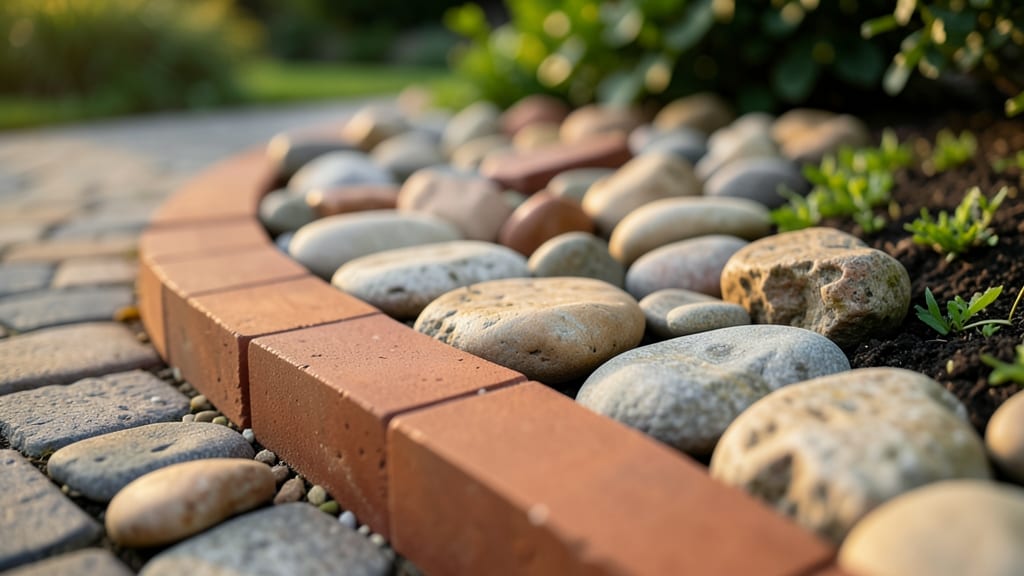
Struggling to choose between the sleek lines of brick and the organic charm of natural stone? Mixed accent edging solves this dilemma by weaving both materials together for a rustic yet refined look that feels effortlessly natural.
Alternate red bricks with smooth river stones or fieldstone in a repeating pattern to create visual rhythm while maintaining an earthy aesthetic. This technique works beautifully in woodland gardens, cottage-style beds, or even modern herb spirals. For stability, use landscape adhesive or sand between bricks, while leaving gaps between stones to allow for natural drainage and moss growth over time.
This approach is ideal for gardeners who love textural contrast and want to minimize maintenance—stones suppress weeds better than bricks alone, while the brick structure keeps everything neatly contained. 🌿
Brick Garden Bed Steps
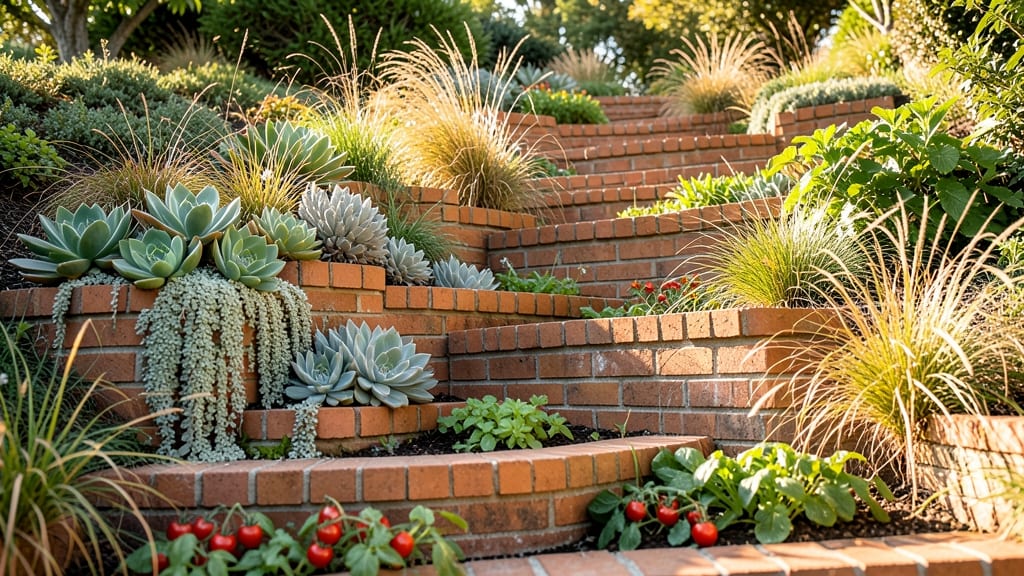
Transform a sloped yard or small garden into a vertical oasis with brick garden bed steps—this tiered system lets you grow more without sacrificing space. Each step creates a distinct planting zone, perfect for cascading plants like succulents, ornamental grasses, or even shallow-rooted veggies like lettuce or strawberries.
Start by laying bricks in staggered rows to form gentle steps (2–4 inches high per level). Use mortar or landscape adhesive to secure them, then fill each tier with well-draining soil. The elevated design improves drainage for moisture-sensitive plants while adding dramatic visual layers. For extra charm, plant taller varieties on the top step and trailing plants like sedum or creeping thyme to soften the edges.
This design is ideal for urban gardeners, small-space growers, or anyone with a sloped yard—it turns wasted space into productive planting zones while adding architectural interest. The modular steps also make it easy to adjust levels as your garden evolves. 🌿
Brick and Metal Combination Planters
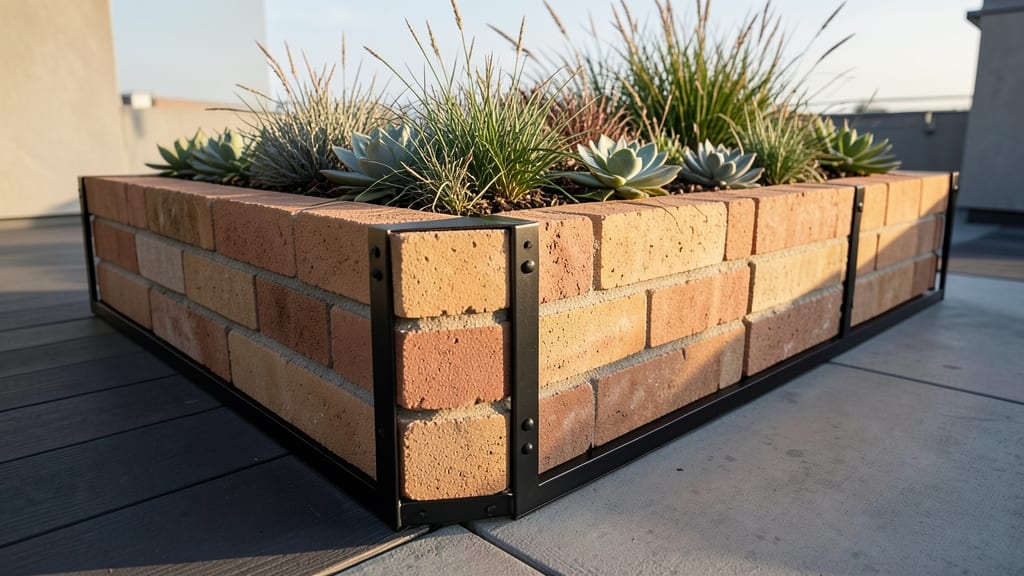
Want a modern, low-maintenance garden that still feels grounded in nature? Brick and metal combination planters blend rustic texture with sleek industrial lines, creating a striking contrast that’s perfect for contemporary spaces—think urban courtyards, rooftop gardens, or minimalist patios.
Start with a brick base (firebricks or pavers) for stability and drainage, then pair it with galvanized metal frames for structure and durability. The metal’s clean lines keep the look polished, while the bricks add warmth and organic texture. Fill with drought-tolerant plants like zinnias, lavender, or succulents to minimize upkeep while maximizing visual impact. This combo is ideal for small spaces where you want big style—no heavy stonework required!
These planters are a game-changer for urban gardeners or DIYers who love a modern aesthetic but want to avoid plastic or flimsy materials. The metal’s rust resistance ensures longevity, while the bricks provide the perfect weight to prevent tipping. 💡
Brick Garden Bench with Built-In Planters
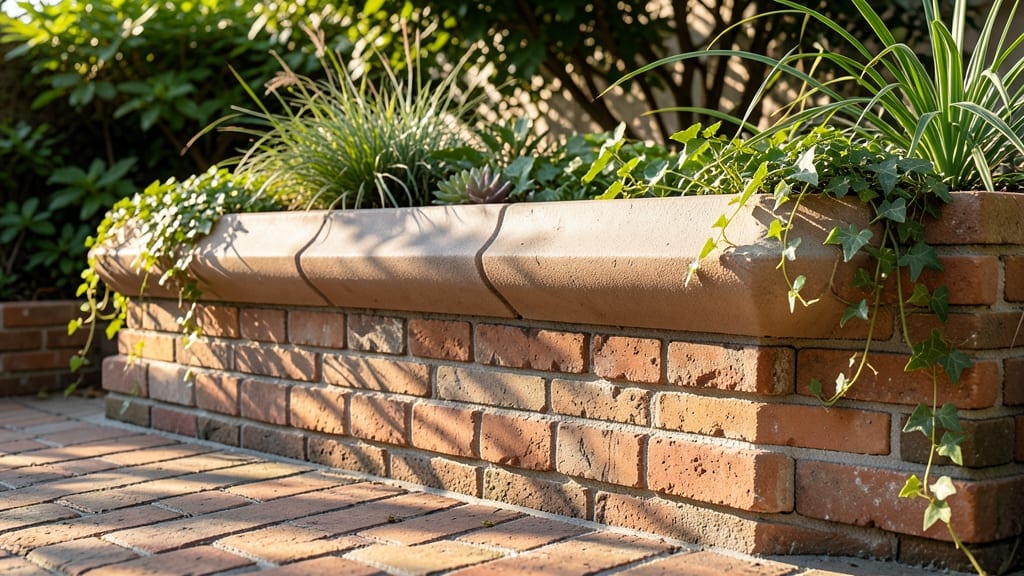
Turn your patio into a functional oasis with a brick garden bench that doubles as built-in planters—perfect for small spaces where every square inch counts. This clever design lets you relax and grow, blending seating with lush greenery without sacrificing style.
Construct the base with weathered bricks or pavers to create planters along the sides, then top with a sturdy wooden seat. Fill the planters with trailing plants like sweet potato vine or petunias to soften the brick edges, while adding herbs or succulents for low-maintenance greenery. The built-in design keeps soil contained and roots protected from foot traffic.
This solution is ideal for urban gardeners, small patios, or cozy corners where you want to maximize beauty and utility. Add string lights or solar-powered lanterns above for an enchanting evening spot. 🌻
Brick Garden Arches and Tunnels
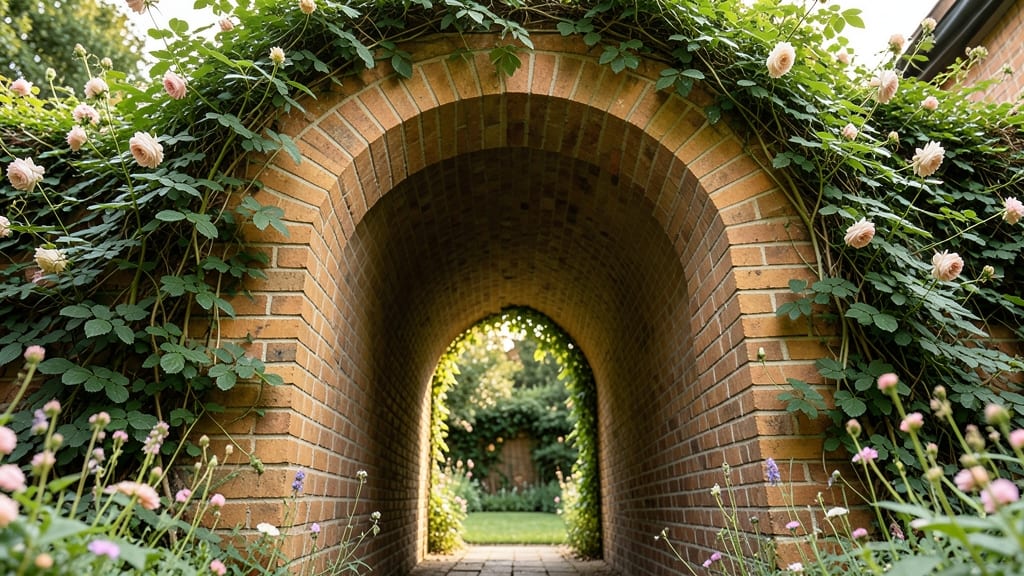
Want to add a touch of enchantment to your garden? Brick garden arches and tunnels transform ordinary spaces into whimsical vertical gardens that feel straight out of a fairy tale. These structures aren’t just decorative—they create functional growing space for climbing plants while adding architectural charm to any yard.
Build semi-circular or full tunnels using firebricks or pavers arranged in a curved pattern, then secure them with mortar or landscape adhesive. Train climbing roses, clematis, or even cucumbers to twine through the arches, creating a living canopy that blooms throughout the season. For extra durability, use weather-resistant bricks that won’t crack under plant weight or seasonal changes.
This design is perfect for gardeners who love romance and vertical gardening—ideal for cottage gardens, Victorian-inspired yards, or even modern urban spaces. The arches also provide shade for heat-sensitive plants below while adding a magical focal point to your landscape. 🌷
Brick Garden Pathway with Edging
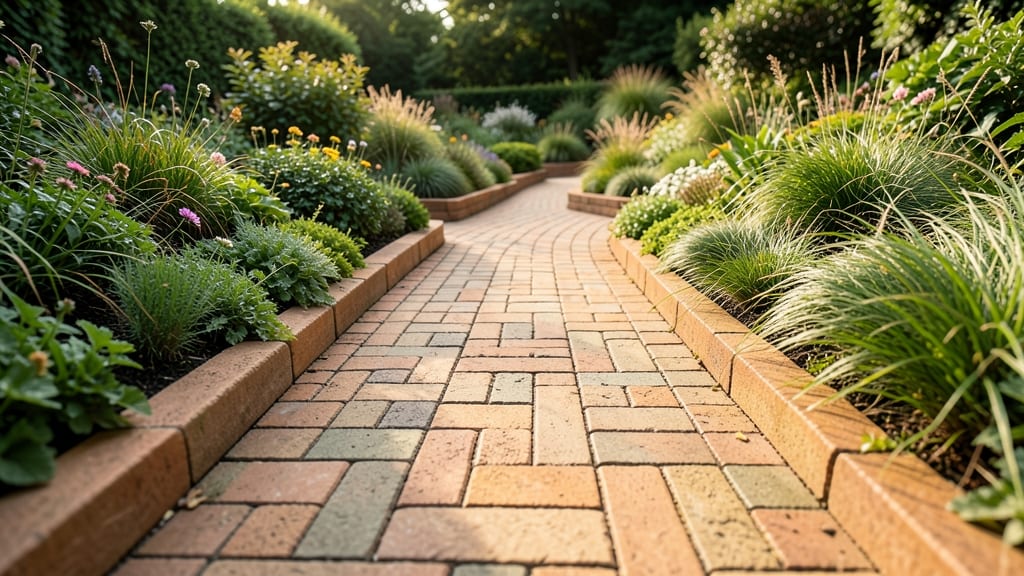
Want to turn unused walkway space into a lush, functional garden feature? A brick pathway with edging creates a dual-purpose design that guides foot traffic while adding plantable borders along the sides—perfect for large gardens where every inch counts.
Start by laying bricks in a straight or gently curving path (3–4 inches wide), then add low brick edging on either side to contain soil. Fill the edging pockets with a mix of topsoil and compost, then plant drought-tolerant ground covers like creeping thyme, moss, or sedum. The edging bricks can be secured with landscape adhesive or sand for stability, while the pathway itself can be stabilized with polymeric sand to prevent shifting.
This design is ideal for large properties or cottage gardens where you want to blend structure with softness. The edging creates a defined planting zone that suppresses weeds naturally, while the pathway keeps muddy feet off your lawn. Plus, the contrast of hard bricks and soft greenery adds visual interest year-round. 🌿
Recycled Brick Mosaic Garden Accents

Turn your garden into a one-of-a-kind eco-art piece with recycled brick mosaics, where every salvaged brick tells a story. This sustainable technique transforms broken bricks, pavers, or even old fireplaces into vibrant, geometric borders that frame herb spirals, flower beds, or pathways—all while reducing landfill waste.
Start by arranging bricks in abstract patterns (like chevrons or zigzags) using a mix of colors and textures. Secure them with landscape adhesive or sand for stability, then fill gaps with gravel or moss for a natural finish. Pair with drought-tolerant plants like rosemary, thyme, or sedum to highlight the mosaic’s colors while keeping maintenance low. The irregular shapes create visual intrigue that straight-edged designs can’t match.
This method is perfect for sustainable gardeners, DIY enthusiasts, or anyone craving a unique look without the environmental footprint. Plus, the mosaic’s durability means it’ll stay stunning for years—just like the garden it frames. 💚