
Tools
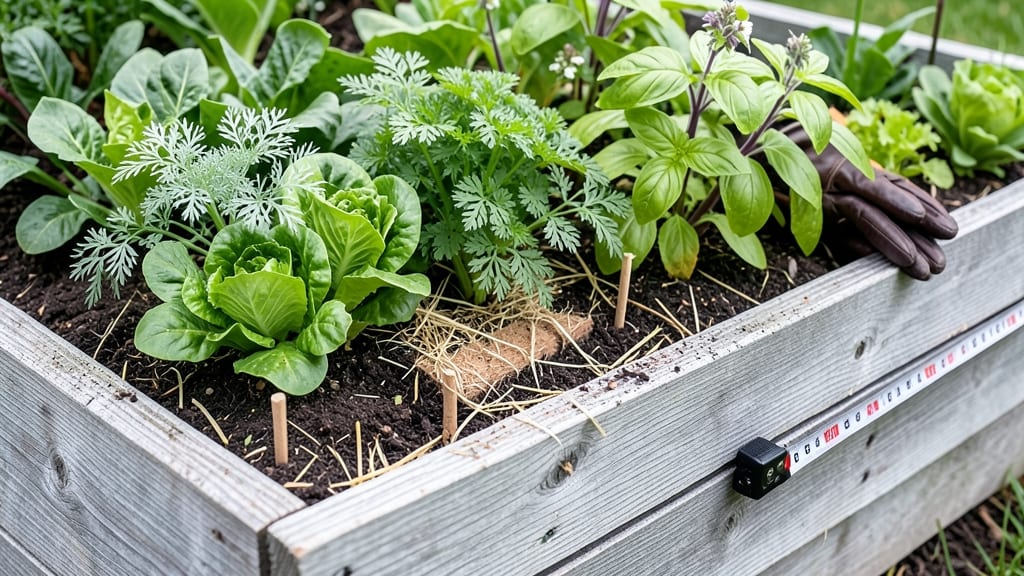
Determining garden bed height depends on your plants' root needs and your gardening style, with most experts recommending a height between 6 to 12 inches to balance root growth, drainage, and ease of maintenance.
This height range isn't arbitrary—it aligns with how deep most plants' roots grow while keeping soil workable. 🌱 For instance, shallow-rooted herbs like basil thrive in beds just 6 inches deep, while deeper-rooted perennials like lavender need the full 12 inches to establish properly.
The extra height also improves drainage and reduces soil compaction, which is especially helpful in clay-heavy soils or areas with heavy rainfall.
Beyond plant needs, bed height affects how comfortable gardening becomes. A 10-inch height is ideal for most people to work without bending excessively, though taller beds (up to 18 inches) can be better for those with mobility challenges.
The key is matching your design to both your plants and your physical needs—whether that means raised cedar beds or simple in-ground mounds.
💡 In This Article
- How Root Depth and Soil Health Dictate Garden Bed Dimensions
- Accessibility and Design Tips for Raised vs In-Ground Beds
How root depth and soil health dictate garden bed dimensions
The depth of your garden bed directly impacts how well plants establish their root systems.
Most vegetables and flowers develop roots that spread 12-18 inches deep, but the top 6-12 inches of soil contains 80% of active roots for nutrient absorption. 🌱 Deeper beds (12+ inches) are essential for perennials like asparagus or fruit trees, whose roots can extend 3-5 feet downward, while shallow-rooted annuals like lettuce thrive in beds as little as 6 inches deep.
Soil aeration becomes critical as bed depth increases. Compacted soil restricts root growth and reduces microbial activity, which is why loose, well-draining soil is ideal. For example, clay soils benefit from deeper beds because they naturally compact when wet, while sandy soils may need additional organic matter to retain moisture.
The 6-12 inch range strikes a balance—deep enough to prevent root binding but shallow enough to maintain workable soil texture.
Moisture retention is another key factor. Deeper beds hold water longer, reducing the frequency of irrigation, but they also require proper drainage to prevent root rot.
A 12-inch bed with 4-6 inches of compost or mulch at the base can retain moisture for weeks, while a 6-inch bed may dry out faster in hot climates. This is why raised beds often include gravel or perforated pipes at the bottom to regulate water flow.
Microbial activity thrives in the topsoil layer, which is why most root systems concentrate there. The 6-12 inch zone contains the highest density of beneficial bacteria and fungi that break down organic matter, releasing nutrients for plants.
For instance, mycorrhizal fungi—critical for nutrient exchange—typically colonize within the top 12 inches of soil. Deeper beds allow these microbes to flourish without becoming compacted.
Consider the plant types you're growing when deciding on depth. Shallow-rooted herbs like thyme or oregano do well in 6-inch beds, while deeper-rooted crops like carrots or potatoes need at least 12 inches to develop fully.
The 6-12 inch range accommodates 90% of common garden plants, making it the most versatile choice for mixed beds.
One exception is container gardening, where depths may vary more widely. For example, a 10-inch pot might suffice for dwarf varieties, but larger containers should still aim for 12+ inches to prevent root circling.
The key is matching bed depth to the plant's mature root zone while ensuring the soil remains loose and fertile.