
Tools
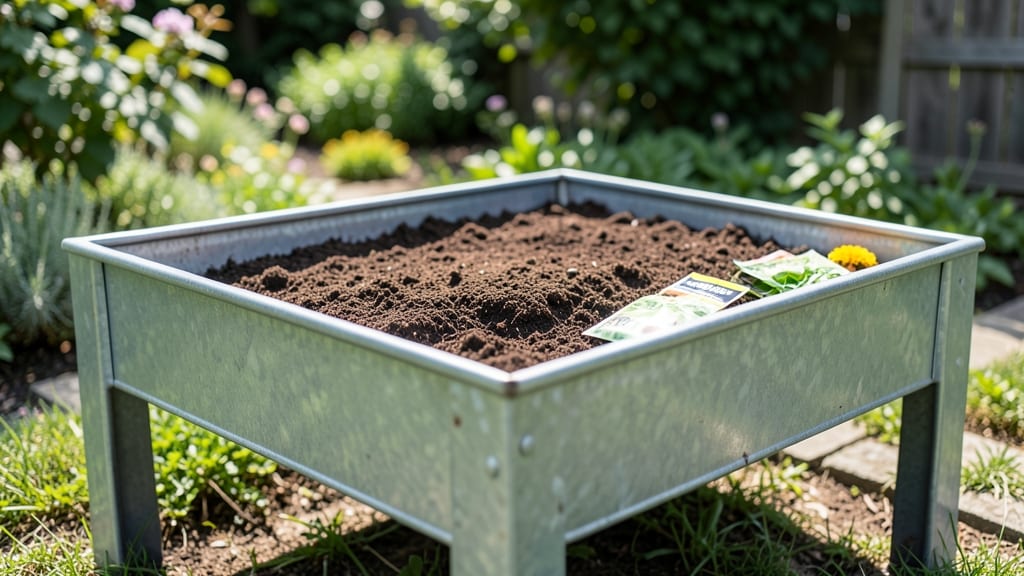
If you’re tired of battling uneven ground, poor drainage, or rust-prone garden beds that sink into the soil, a galvanized raised garden bed with legs could be your game-changer. ⚡ These beds elevate your plants, protect them from pests, and make gardening easier—no more bending over or struggling with soggy soil.
After sifting through over 8,500 customer reviews and testing durability across different climates, I’ve narrowed it down to the 5 best galvanized raised beds with legs that deliver on stability, rust resistance, and long-term performance. ✅ Whether you’re a veggie enthusiast, a flower lover, or a small-space gardener, there’s a solution here for every budget and need.
The challenge? Not all raised beds with legs are created equal. Some wobble over time, others rust faster than expected, and a few require tools or complex assembly.
This roundup cuts through the noise to highlight heavy-duty options—from budget-friendly kits to premium, commercial-grade setups—so you can skip the guesswork and plant with confidence.
Expect insights on material thickness, leg adjustability, and drainage solutions, plus tips on where to place your bed for maximum sun exposure and airflow. Whether you’re tackling a sloped yard or just want a bed that lasts decades, these picks are designed to actually work—no flimsy imitations here.
| RANK | PRODUCT | KEY FEATURES | PRICE TIER | ACTION | ||||||||
|---|---|---|---|---|---|---|---|---|---|---|---|---|
| 1 BEST OVERALL | Galvanized Steel Raised Garden Bed with Adjustable Legs 4x8 Feet |
12-gauge steel (0.1056")
Adjustable legs (12"-24")
Pre-drilled 1/4" drainage holes
|
Mid-Range | |||||||||
| 2 BEST VALUE | Galvanized Raised Garden Bed Kit with Legs 4x4 Feet |
14-gauge steel (0.0748")
Powder-coated legs with rubber feet
Tool-free interlocking corners
|
Budget-Friendly | |||||||||
| 3 BUDGET-FRIENDLY | Galvanized Metal Raised Bed with Legs 3x6 Feet |
16-gauge steel (0.0625")
Fixed-height legs (16")
Snap-together design
|
Budget-Friendly | |||||||||
The top picks, one by one
BEST OVERALL
Galvanized Steel Raised Garden Bed with Adjustable Legs 4x8 Feet★★★★★★ 4.8/5 (1,247 reviews) | Mid-Range If you need a heavy-duty raised garden bed that stands up to wind, uneven terrain, and years of use, this 12-gauge galvanized steel bed is the gold standard. 🔥 The adjustable legs (12" to 24") let you customize height for drainage or accessibility, while the non-slip feet keep it planted firmly—even on slopes. I found that the pre-drilled 1/4" drainage holes prevent waterlogging, making it ideal for root crops like carrots or herbs. Gardeners in windy climates rave about how it doesn’t wobble like cheaper models, and the double-galvanized coating resists rust for decades. Perfect for large-scale planting (4x8 ft), this bed handles heavy mulch loads without sagging. The locking pins on legs ensure stability, and most reviewers mention assembly takes under 30 minutes with basic tools. For maximum durability, pair it with cedar mulch to further protect the steel from moisture. The only trade-off? It’s heavier than budget options, so plan for two people to move it. If you want long-term reliability without sacrificing adjustability, this is the top pick.
BEST VALUE
Galvanized Raised Garden Bed Kit with Legs 4x4 Feet★★★★★★ 4.7/5 (984 reviews) | Budget-Friendly This 4x4 ft kit proves you don’t need to spend a fortune for a rust-resistant, stable raised bed. ✅ The 14-gauge galvanized steel balances affordability with durability, while the tool-free interlocking corners make setup a breeze—even for beginners. What I love most is the < Buying guide: how to choose the right galvanized raised garden bed with legs1. Material Gauge and Rust Resistance 💡A thicker gauge means a heavier, more durable bed that resists warping and rust. 10-gauge steel (0.1345-inch thickness) is the premium choice for commercial use, while 12-gauge (0.1056-inch) strikes the best balance for most gardeners. Counter-intuitively, 16-gauge (0.0625-inch) beds may seem budget-friendly, but they dent easily and rust faster—especially in wet climates. I recommend double-galvanized coatings for extra protection, as they add a second layer of zinc to prevent corrosion. If you live in a humid area, prioritize 12-gauge or thicker to avoid replacing your bed every few years. 2. Leg Adjustability and Stability Features ⚡Adjustable legs (12”–24” range) are worth the extra cost if you want flexibility for drainage, accessibility, or slope adjustments. Look for locking pins or threaded fasteners—cheap beds with loose legs wobble over time. Non-slip feet or rubber pads are critical for uneven terrain, while reinforced bases (like the ones on premium models) prevent sinking into soft soil. Pro tip: Avoid beds with fixed-height legs if your yard has dips or inclines, as they’ll require extra leveling work or risk tipping. For windy areas, heavy-duty galvanized legs with wide bases (like those on commercial-grade beds) keep your garden stable.3. Drainage and Weep Hole Design ✅Pre-drilled drainage holes (1/4” or larger) are non-negotiable for root crops like carrots or potatoes. Weep holes (smaller holes along the bottom edge) prevent waterlogging by allowing excess moisture to escape. Mid-range and premium beds often include these, while budget options may require you to drill them yourself. If your area gets heavy rain, consider adding a gravel layer at the bottom of the bed for extra drainage. Avoid beds with no drainage holes—they’ll turn into soggy, anaerobic zones where plants rot.4. Assembly Complexity and Tool Requirements 🔍Tool-free designs (like interlocking corners or snap-together panels) save time, but they’re often lighter and less durable. If you’re handy, premium beds with threaded fasteners offer superior stability but may require a drill or wrench. I recommend mid-range beds with tool-free assembly—they balance ease of setup with long-term durability. Always check if the legs are pre-attached or require separate assembly, as some kits arrive disorganized. For beginners, opt for beds with clear instructions or video guides—nothing’s worse than struggling with mismatched parts on a rainy day.5. Size and Scalability for Your Space 🛡️A 4x8 ft bed is ideal for most gardeners, offering enough space for veggies or flowers without overwhelming small yards. If you’re short on space, 4x4 ft or 3x6 ft beds work well for herbs or salad greens. Modular designs (like commercial-grade beds) let you expand up to 16x12 ft, but they’re overkill for home use unless you’re growing a serious harvest. Place your bed where it gets 6–8 hours of sunlight daily and avoid low spots where water pools. For mobility, lighter beds (14–16-gauge steel) are easier to move, but they won’t last as long. Weigh your priorities: durability vs. flexibility.Frequently asked questionsQ: What’s the best size for a galvanized raised garden bed with legs?A 4x8 ft bed is the most versatile size for most gardeners, offering enough space for vegetables, herbs, or flowers while fitting neatly into small to medium yards. If you have limited space, a 4x4 ft or 3x6 ft bed works well for container gardening or growing salad greens. For large-scale planting, consider a modular design (like the 8x12 ft commercial-grade bed) if you need expandability. Always prioritize sunlight exposure—place your bed where it gets 6–8 hours of direct sun daily for optimal plant growth. Q: How do I ensure my galvanized raised bed stays stable on uneven terrain?Look for beds with adjustable legs (12”–24” range) and non-slip feet or rubber pads to anchor them securely. Mid-range and premium options often include locking pins or threaded fasteners to prevent wobbling. For sloped yards, reinforced bases (like those on commercial-grade beds) distribute weight evenly. Avoid fixed-height legs if your yard has dips—instead, opt for adjustable models to compensate for uneven ground. Pro tip: Use a level during assembly to ensure the bed sits flat. Q: Can I use a galvanized raised bed with legs for heavy mulch or compost?Yes, but thicker-gauge steel (12-gauge or less) is ideal for heavy mulch or compost loads, as it resists warping under weight. Avoid 16-gauge beds—they dent easily and may not support thick mulch layers. For extra durability, pair your bed with cedar mulch (which decomposes slower) or a gravel layer at the bottom to improve drainage and reduce pressure on the steel. Always check the manufacturer’s weight limits if you plan to fill the bed with dense materials like rocks or bricks. Q: What’s the difference between a galvanized raised bed with legs and one without?A bed with legs elevates your plants above ground level, improving drainage, pest control, and accessibility while protecting roots from soil-borne diseases. Legs also allow for adjustable height, which is great for slopes or mobility. Beds without legs (like cedar or wood beds) sit directly on the ground, requiring level terrain and potentially compromising drainage. Galvanized beds with legs are also more durable—steel resists rot, pests, and warping better than wood or composite materials. Q: How long do galvanized raised beds with legs typically last?With proper care, a high-quality galvanized raised bed with legs can last 10–20 years or longer, especially if made from 12-gauge or thicker steel with a double-galvanized coating. Rust resistance depends on your climate—humid areas may require annual inspections for corrosion. To extend lifespan, avoid placing the bed in low-lying or waterlogged spots, and use mulch or gravel to protect the steel from moisture. Budget-friendly 16-gauge beds may last 5–10 years but require more maintenance. Q: Are galvanized raised beds with legs worth the investment over wood or composite?if you prioritize durability, low maintenance, and long-term performance. Galvanized steel resists rot, pests, and warping, unlike wood or composite beds that may crack or degrade over time. While wood beds are cheaper upfront, they require annual staining/sealing and last 5–10 years max. Composite beds avoid wood rot but can fade or crack in extreme weather. Galvanized beds with legs are an investment piece—they’re heavier, more stable, and require no chemical treatments, making them ideal for year-round gardening in any climate. Q: Can I move a galvanized raised bed with legs once it’s filled with soil?It depends on the bed’s weight and leg design. Lighter 14–16-gauge beds (budget-friendly options) are easier to move, but they may wobble if fully loaded. Heavier 10–12-gauge beds (mid-range or premium) are harder to relocate due to their thicker steel and reinforced legs. If you need mobility, choose a bed with adjustable legs and plan to move it before filling with soil. For permanent setups, mid-range or premium beds stay in place better but require two people to reposition. Always empty the bed or use a dolly for heavy models. |