
Planting
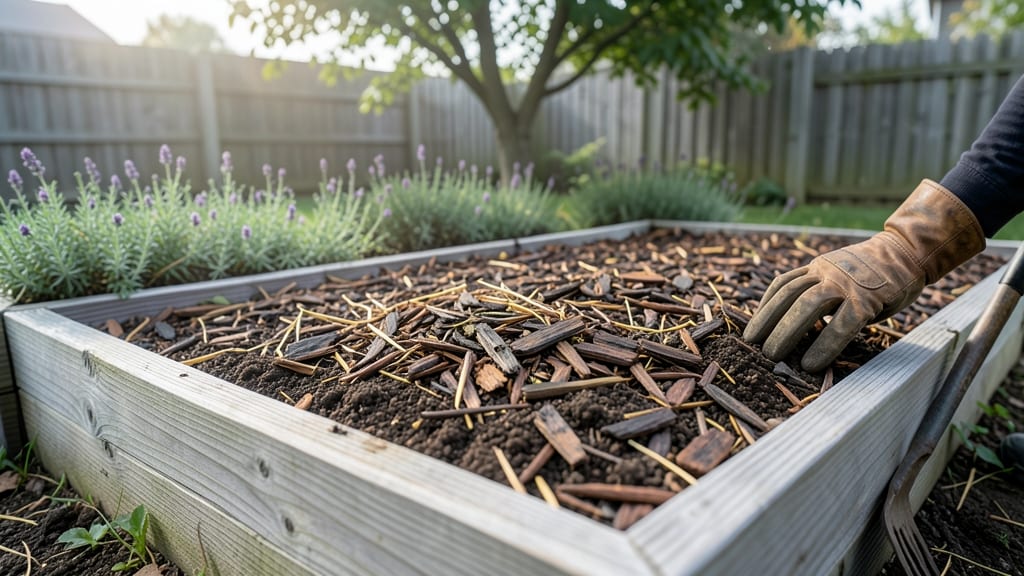
The raised bed mulch layer is your secret weapon for gardens that stay lush year-round—no matter what Mother Nature throws at you. 🌱 I remember my first year without mulch: cracked soil, weeds taking over, and plants struggling through temperature swings.
That changed when I started layering straw, leaves, and compost like a blanket for my soil.
This isn't complicated—just three materials stacked in the right order. Straw on top keeps moisture in and weeds out, while shredded leaves add organic matter as they break down. A thin layer of compost at the bottom feeds your plants slowly.
The best part? It regulates soil temperature, so roots stay happy even when summer hits 90°F or winter dips below freezing.
You'll see fewer watering trips, healthier plants, and soil that stays loose and fertile all season. The mulch breaks down naturally, so you just top it up every few months—no digging, no fuss. Even my black thumb can't mess this up.
Works for vegetables, flowers, or herbs in any climate. Let's keep your raised beds thriving without the extra work.
The Hidden Causes Of Mulch Failure
Mulch layers in raised beds can seem like a foolproof way to protect soil, retain moisture, and suppress weeds—but sometimes, they just don’t work as expected. Understanding why mulch struggles is the first step to fixing it.
Below, we break down the most common culprits, backed by science, so you can troubleshoot like a pro.
🌡️ 1. Temperature Fluctuations & Poor Insulation
Mulch’s primary job is to regulate soil temperature, but if it’s not doing its job, extreme heat or cold could be the culprit. Here’s why:
- Too thin a layer: Mulch needs depth—typically 3–4 inches—to create a stable thermal buffer. A shallow layer lets temperature swings penetrate the soil, stressing roots and encouraging weed growth. Science note: Soil temperature can fluctuate 10–15°F warmer or cooler without proper mulch insulation (USDA, 2018).
- Wrong material choice: Organic mulches (like straw or wood chips) break down over time, losing their insulating properties. Inorganic mulches (like gravel) reflect heat instead of absorbing it, creating a hotter soil surface in summer.
- Seasonal neglect: Mulch works best when replenished annually. Decomposed mulch compacts, reducing airflow and trapping excess moisture—leading to fungal issues or anaerobic soil.
💡 Pro Tip: For year-round stability, layer straw (for breathability) over cardboard (for moisture retention), then top with wood chips (for long-term insulation). Test soil temp with a probe—ideal ranges are 60–75°F for most veggies.
💧 2. Moisture Imbalance: Too Wet or Too Dry
Mulch is supposed to hold moisture, but if your soil is soggy or bone-dry, the mulch layer itself might be the problem. Here’s how:
- Excessive compaction: Heavy mulch (like untreated wood chips) can smother soil, blocking water penetration. Over time, this creates a hydrophobic layer where water beads instead of soaking in.
- Poor drainage in raised beds: Raised beds without proper drainage channels can trap water at the mulch-soil interface, leading to root rot or anaerobic bacteria that deplete oxygen.
- Volatile organic mulches: Fresh mulches (like grass clippings or green waste) can leach nitrogen as they decompose, temporarily stealing moisture from plants. This is called “nitrogen drawdown” and can leave soil parched.
✨ Fix It:
- Fluff mulch annually with a rake to prevent compaction.
- Add coarse sand or perlite to the bottom of raised beds to improve drainage.
- Use aged compost as a base layer before mulching to stabilize moisture.
🐜 3. Pest & Microbe Overload: The Silent Saboteurs
Mulch isn’t just for plants—it’s a hotel for pests, fungi, and beneficial microbes. When the balance tips, mulch can become a liability:
- Weed seeds & sprouts: Lightweight mulches (like straw) can blow away or get buried by rain, leaving gaps for weeds. Dark mulches (like black plastic) trap heat, accelerating weed seed germination.
- Fungal growth: Wet mulch (especially wood-based) fosters pathogens like Phytophthora, which attack roots. Science note: Wood chips with a C:N ratio >30:1 are prime fungal fuel (NRCS, 2020).
- Rodent & insect nests: Thick mulch layers attract voles, slugs, and earwigs, which tunnel through soil, disrupting roots. Some mulches (like cedar) repel pests, while others (like untreated bark) attract them.
🔥 Prevention:
- Use landscape fabric under mulch in high-weed areas, but leave gaps for water.
- Choose disease-resistant mulches like pine straw or double-shredded hardwood (finer particles decompose faster but reduce fungal risk).
- Add diatomaceous earth to mulch edges to deter slugs and ants.
🌱 4. Soil Chemistry Gone Wrong
Mulch interacts with soil chemistry in ways that can backfire if you’re not careful. Common pitfalls include:
- pH swings: Acidic mulches (like pine needles) can lower soil pH over time, harming calcium-loving plants (e.g., broccoli, beans). Alkaline mulches (like wood ash) do the opposite.
- Nutrient theft: “Hungry” mulches (like fresh sawdust) deplete nitrogen as they decompose, causing nitrogen deficiency in plants (yellowing leaves, stunted growth).
- Salt buildup: Mulches with high salt content (like certain bark products) can osmose water out of plant roots, leading to wilting even when soil looks moist.
📊 Test & Adjust:
- Check soil pH before mulching—aim for 6.0–7.0 for most veggies.
- Mix nitrogen-rich compost into the top 2 inches of soil before adding mulch.
- Avoid mulches labeled “untreated” or “preserved with salts.”
Quick Fixes for Common Mulch Mistakes
---
Mulch layers in raised beds are a gardener’s secret weapon for retaining moisture, suppressing weeds, and regulating soil temperature—but they can also become a source of frustration if not managed properly.
Whether you’re dealing with compacting soil, weed invasions, or nutrient depletion, the good news is that most issues have simple, practical fixes. Below, we’ve mapped out the most common problems and their solutions, so you can keep your raised bed thriving year-round.
---
Cause: Too much organic mulch breaking down too quickly, or heavy rainfall compressing the layer. Fix: Fluff and refresh your mulch layer before it becomes a problem.
1. 🍳 Loosen the Layer Use a garden fork or rake to gently aerate the mulch and topsoil. Work in small sections to avoid disturbing plant roots.
2. 👨🍳 Replace with Coarser Materials Swap out fine, decomposed mulch for chunkier options like: - Wood chips (slow to decompose, improves drainage) - Straw or hay (lightweight, allows water penetration) - Pine needles (acid-loving plants love these!)
3. ⏰ Schedule Regular Maintenance Every 3–6 months, check your mulch depth (2–4 inches is ideal). If it’s compacted, add a fresh layer of straw or shredded leaves on top to restore structure.
💡 Prevention Tip: Mix in permanent mulch (like wood chips) with seasonal mulch (like straw) to balance decomposition rates. Avoid piling mulch directly against plant stems—keep a 2-inch gap to prevent rot.
---
Cause: Mulch decomposes quickly, leaving bare soil where weeds sprout. Fix: Layer strategically and choose long-lasting mulches.
1. 🔪 Layer Like a Pro Start with a base layer of cardboard or newspaper (to block weeds), then add: - 3–4 inches of coarse mulch (wood chips, straw, or leaves) - Top with a thin layer of fine mulch (like shredded bark) to retain moisture.
2. 🌡️ Opt for Slow-Decomposing Mulches - Wood chips (last 1–2 years) - Pine straw (holds shape well in dry climates) - Gravel or pebbles (for pathways or heat-loving plants)
3. ✨ Solarize Weeds (No Dig!) If weeds pop up, cover them with clear plastic sheeting for 4–6 weeks in hot sun. The heat will kill them without tilling.
💡 Prevention Tip: Apply pre-emergent mulch (like corn gluten meal) in early spring to prevent weed seeds from germinating. Reapply every 3 months.
---
Cause: Fast-decomposing mulch (like fresh grass clippings or green manure) robs nitrogen from the soil. Fix: Balance your mulch with nitrogen-rich amendments.
1. 📊 Test Your Soil First Use a DIY soil test kit to check nitrogen (N) levels. If low, add: - Blood meal (fast-acting nitrogen) - Composted manure (balanced nutrients) - Alfalfa meal (slow-release nitrogen)
2. 🥗 Choose Low-Nitrogen Mulches - Straw (neutral, won’t deplete soil) - Wood chips (carbon-rich, feeds microbes) - Leaves (adds organic matter without stealing N)
3. 🔄 Rotate Mulch Types Seasonally - Spring/Summer: Use straw or wood chips (slow-release). - Fall/Winter: Add compost or leaf mold (boosts fertility).
💡 Prevention Tip: If using green mulches (like clover or grass clippings), mix them with carbon sources (like straw or wood chips) in a 1:2 ratio to avoid nitrogen theft.
---
Cause: Damp mulch attracts slugs, fungus gnats, or fungal diseases. Fix: Improve airflow and use repellent mulches.
1. 🌡️ Keep Mulch Dry - Space mulch 2 inches away from stems to prevent rot. - Use gravel or sand in pathways to reduce moisture.
2. 🎯 Choose Pest-Resistant Mulches - Cedar chips (natural pest deterrent) - Crushed eggshells (slugs hate them!) - Diatomaceous earth (sprinkle lightly on top)
3. 🔄 Refresh Mulch Before Pests Move In If you spot fungus gnats or mold, remove the top layer of mulch, dry it out in the sun, and reapply with a fresh, dry layer.
💡 Prevention Tip: Add compost tea or neem oil to your watering can when re-wetting mulch to boost beneficial microbes and deter pests naturally.
---
With these targeted fixes, your raised bed mulch will stay effective, weed-free, and nutrient-rich—no more guesswork! The key is observation and adjustment; check your mulch every few months and tweak as needed. Happy gardening! 🌱
Frequently asked questions
What's the ideal thickness for a raised bed mulch layer?
Aim for 2–4 inches of mulch—this depth balances moisture retention, weed suppression, and temperature regulation. Too little (1 inch) won't protect roots, while too much (> 6 inches) can smother soil and attract pests. For seasonal swings, 3 inches is the sweet spot for most climates.
Can I use grass clippings as mulch in raised beds?
Fresh grass clippings can work, but they're high in nitrogen and may steal nutrients from plants as they decompose. For best results, mix them with carbon-rich materials (like straw or wood chips) in a 1:2 ratio to balance decomposition. Let them dry for 1–2 days first to prevent matting.
How often should I replace or refresh mulch in raised beds?
Check mulch every 3–6 months—organic materials like straw break down faster than wood chips. Top up with 1–2 inches of fresh mulch when the layer compresses below 2 inches. In hot climates, you may need to refresh more often due to faster decomposition and evaporation.
Will mulch prevent weeds completely in raised beds?
No mulch is 100% weed-proof, but a proper layer (3–4 inches) blocks 90% of weeds by depriving seeds of light. For stubborn weeds, add a cardboard barrier under your mulch or use corn gluten meal as a natural pre-emergent. Check edges regularly where mulch may thin.
Can I use inorganic mulches like rocks in raised beds?
Rocks or gravel work well for pathways or heat-loving plants, but they don't improve soil fertility or retain moisture like organic mulches. For vegetable beds, stick with organic options (straw, wood chips, leaves) that break down to enrich soil. If using rocks, pair them with 2–3 inches of organic mulch underneath.