
Landscaping
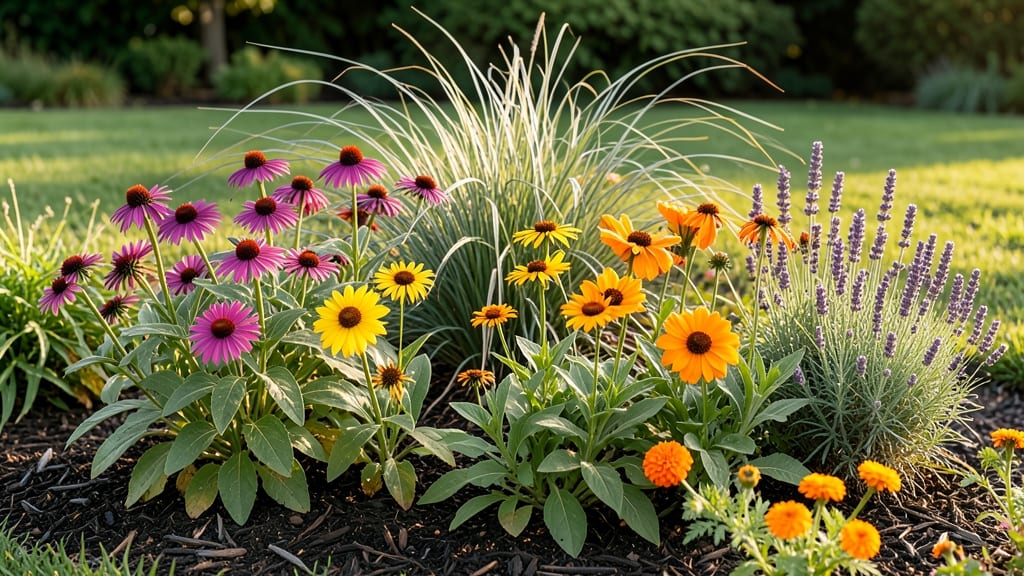
Your front yard flower bed designs could be the neighborhood's secret weapon—year-round curb appeal that makes passersby pause and take photos. ✨ I used to think flower beds were just about pretty blooms, but layering plants by height, color, and bloom time turns a flat garden into a living artwork that changes with every season.
The magic happens in the planning: group tall plants like delphiniums or black-eyed Susans at the back, mid-height coneflowers or salvias in the middle, and low-spreading annuals like pansies or ajuga at the front.
Add evergreens like boxwood or heuchera for structure, and you’ve got a design that’s visually balanced no matter the season. By late summer, you’ll have a bed that’s lush and full, with something blooming from spring’s tulips through fall’s asters.
The key is mixing perennials for structure with annuals for seasonal pops—plus, you’ll attract pollinators and cut back on maintenance headaches. Whether your style leans cottage, modern, or pollinator-friendly, the same principles apply. Let’s sketch out a design that fits your space and personality—no green thumb required!
📚 In This Guide
- What you need
- Instructions
- Tips and common mistakes
- Wrapping up and next steps
What you need
- ● Soil & Amendments: Topsoil (2–3 cubic yards, depending on bed size)
- ● Compost or organic matter (1–2 bags, 40 lb each)
- ● Slow-release fertilizer (e.g., 10-10-10, 1–2 lbs per 10 sq ft)
- ● Plants & Mulch: Perennials, annuals, or shrubs (quantity varies by design—plan for 3–5 plants per sq ft for dense beds)
- ● Mulch (2–3 cubic feet, shredded hardwood or pine bark)
- ● Tools: Garden shovel or spade
- ● Hoe or garden rake
- ● Pruners (bypass for clean cuts)
- ● Wheelbarrow (for hauling soil/mulch)
- ● Measuring tape & stakes (for layout)
- ● Edging tools (metal or plastic) for clean borders
- ● Drip irrigation kit or soaker hoses for low-maintenance watering
- ● Garden kneeler or pad (for comfort during planting)
- ● Decorative stones or pebbles (for pathways or accent borders)
- ● Seasonal add-ons: Solar-powered lights, trellises, or wind chimes
Instructions: crafting a stunning front yard flower bed with seasonal impact
Here's how to design a front yard flower bed that thrives through every season—no guesswork, just bold beauty.
🌱 Step 1: Define Your Design Shape and Size
Sketch your flower bed shape on paper first—rectangular, curved, or free-form—then mark it on the ground with spray paint or stakes. I always keep beds 8-12 feet wide for easy maintenance, with a path at least 3 feet wide around the edges. Measure twice before cutting sod or laying edging, because once you dig, you can't undo mistakes.
For year-round interest, I divide the space into three layers: back (tall plants), middle (medium height), and front (low-growing or spreading). This creates depth and prevents smaller plants from getting lost. Use a 4-foot rule—tallest plants go at the back, gradually decreasing in height toward the front.
🪴 Step 2: Prepare the Soil for Seasonal Success
Remove all grass, weeds, and debris from the area, then loosen the soil to a depth of 12 inches using a shovel or rototiller. I like to mix in 2-3 inches of compost to improve drainage and fertility, especially if your soil is heavy clay or sandy. For nutrient-rich beds, add a 5-10-10 fertilizer at a rate of 1 pound per 100 square feet and work it into the top 6 inches of soil.
Test your soil's pH before planting—most flowers thrive in a range of 6.0-7.0. If your soil is too acidic or alkaline, amend it with lime or sulfur as needed. A well-prepared bed means your plants will establish faster and handle seasonal changes without stress.
☀️ Step 3: Plan for Seasonal Layers With Strategic Plant Placement
Start with your back row, planting tall perennials like black-eyed Susans or coneflowers that provide summer-to-fall color. For winter interest, add evergreens like boxwood or holly that keep the bed looking lush year-round. I always include at least one ornamental grass for texture and movement in the wind.
Fill the middle layer with mid-height perennials like daylilies or Russian sage that bloom in late spring to early summer, followed by fall-blooming asters or goldenrod. For early season color, add bulbs like daffodils or tulips that push through the soil in late winter to early spring.
🌿 Step 4: Add Low-Growing Annuals for Instant Color
Use annuals like petunias, impatiens, or pansies in the front row to fill gaps and provide immediate color. These plants thrive in partial shade to full sun and bloom continuously from spring through fall. I always plant them in odd-numbered groups—three, five, or seven plants per cluster—for a natural, balanced look.
For winter color, add pansies or violas, which tolerate light frost and bloom until late spring. Mulch the bed with 2-3 inches of shredded bark or leaves after planting to retain moisture, suppress weeds, and protect roots during temperature swings.
✂️ Step 5: Maintain Through the Seasons
Water deeply once a week during the first growing season to encourage deep root growth, then adjust based on rainfall. I always water in the early morning to reduce evaporation and fungal diseases. Deadhead spent blooms regularly to encourage more flowers and keep the bed looking tidy.
In early spring, fertilize with a balanced 10-10-10 formula to jumpstart growth. Divide and replant perennials every 3-5 years to keep them vigorous, and replace annuals in late summer with fall-blooming varieties like mums or chrysanthemums for a fresh look.
Tips & tricks for stunning seasonal flower beds
Creating a flower bed that thrives year-round requires a few strategic moves—here’s how to elevate your design from good to showstopping.
Layering is Everything: When planning your three-tiered design (back, middle, front), think vertically as much as horizontally. Tall perennials like black-eyed Susans should reach 3-4 feet in the back row, while middle plants like daylilies should max out at 2 feet. Front-row annuals like petunias should stay under 1 foot—this creates that "wow" depth. I’ve found that spacing taller plants 18-24 inches apart prevents them from shading out smaller neighbors below.
Soil Prep Makes All the Difference: That 12-inch soil loosening in Step 2 isn’t just about roots—it’s about drainage. If your area has heavy clay, mix in sand to improve aeration, and for sandy soil, add peat moss to retain moisture. Pro tip: Test your soil’s pH before planting—most flowers thrive between 6.0-7.0, but some like azaleas prefer 5.0-5.5. A simple soil test kit (around $10) can save you from wasted plants.
Seasonal Swaps Keep It Fresh: In Step 4, when you’re adding annuals, plan for seasonal rotations. Replace spring pansies with cold-hardy kale in late fall for texture, then swap in heuchera (coral bells) in winter for striking foliage. This keeps your bed dynamic without requiring constant replanting. I also add ornamental kabacha squash in late summer for unexpected color—it thrives in full sun and lasts until frost.
Maintenance Shortcuts: That once-a-week watering in Step 5 works, but here’s a game-changer: Install a drip irrigation system on a timer. Set it for 15-20 minutes every other day in summer, then reduce to 10 minutes weekly in cooler months. It saves time, prevents fungal diseases from overhead watering, and delivers moisture right to the roots where plants need it most.
Pro Tips for Front Yard Flower Bed Designs
- Creating a flower bed that thrives year-round requires a few strategic moves—here’s how to elevate your design from g...
- Layering is Everything: When planning your three-tiered design (back, middle, front), think vertically as much as hor...
- Soil Prep Makes All the Difference: That 12-inch soil loosening in Step 2 isn’t just about roots—it’s about drainage....
Frequently asked questions
Got questions about transforming your front yard flower bed into a stunning seasonal showstopper? We’ve got answers! Here are some of the most common concerns—and how to tackle them with confidence.
What’s the best time of year to plant a front yard flower bed?
The ideal timing depends on your climate, but spring (after the last frost) and early fall (6-8 weeks before frost) are the sweet spots. Cool-season flowers (like pansies) thrive in fall, while heat-lovers (like marigolds) wait for spring. Pro tip: Check your USDA hardiness zone for local guidance!
How much does a professional-designed flower bed cost?
Costs vary widely—basic DIY beds run $100–$500 (plants + materials), while pro-designed beds with hardscaping (stone, mulch, irrigation) can hit $1,500–$5,000+. Splurge on perennials (they return yearly!) to save long-term. Get quotes from 3 landscapers to compare!
How do I keep pests and weeds out of my flower bed?
Prevention is key! Use mulch (3–4 inches deep) to block weeds, choose pest-resistant plants (like lavender or zinnias), and hand-pull weeds weekly. For stubborn critters, try neem oil or companion planting (e.g., marigolds deter nematodes). Healthy soil = happy plants that fend off pests naturally!
Can I mix annuals and perennials in the same bed?
Annuals (like petunias) add bold color and quick impact, while perennials (like coneflowers) provide structure. Group them by sun/water needs—place thirsty annuals near irrigation and drought-tolerant perennials at the edges. This combo keeps your bed vibrant year-round with minimal replanting!
What do I do if my flower bed looks dull mid-season?
Don’t panic! Deadhead spent blooms, add a pop of color with fast-growing annuals (like cosmos or sweet alyssum), or swap out tired perennials for late-summer varieties (e.g., black-eyed Susans). A fresh layer of mulch also refreshes the look. Rotate plants seasonally for a dynamic display!
Wrapping up and next steps
Transforming your front yard into a vibrant, year-round masterpiece is easier than you think! With the right front yard flower bed designs, you can create layers of color, texture, and seasonal interest that wow neighbors and passersby.
Whether you’re drawn to bold perennials, whimsical cottage charm, or modern minimalism, the key is planning with intention—and a little creativity.
Ready to bloom with confidence? Start small—sketch a design, gather your materials, and dive in! Even a single bed can make a stunning statement. Your front yard’s potential is limitless—let your green thumb shine! 🌸