
Landscaping
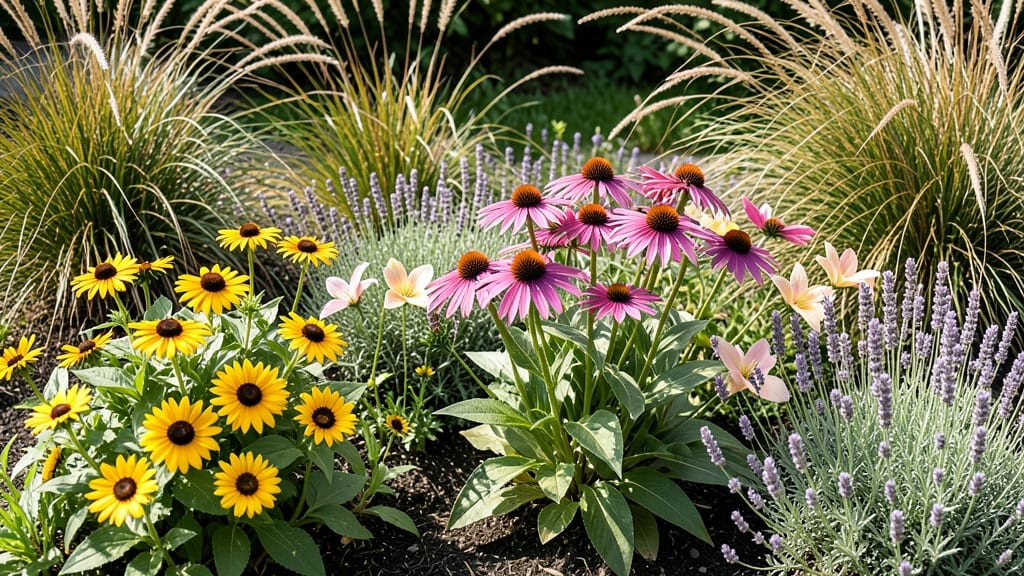
Your front yard flower bed in front of house pictures should be the first thing that makes neighbors do a double-take. 🌸 Bold color blocks transform a plain strip of grass into a showstopper that announces "welcome" before you even open the door.
I've designed beds that pop year-round—spring with tulips, summer with sunflowers, and fall with fiery mums—while keeping maintenance simple enough for busy homeowners.
The secret isn't planting randomly—it's creating 3-4 distinct color zones that repeat every 2-3 feet.
Start with a dark green backdrop (like boxwood or hemlock) to make bright blooms sing, then layer in two dominant colors (think purple salvia + orange marigolds) with one contrasting accent (white daisies or silver foliage). This creates visual rhythm without overwhelming your space.
By mid-summer, you'll have a bed that looks like a professional designed it—vibrant, balanced, and full of texture. The key is mulching heavily to suppress weeds and placing taller plants toward the back so nothing gets hidden.
Even in winter, the structure remains elegant with dormant stems and evergreens.
Works for any house style—modern, cottage, or ranch—and scales from a 6-foot-wide strip to a full garden bed. Let's make your curb appeal the envy of the block without breaking the bank or your back.
📚 In This Guide
- What you need
- Instructions
- Tips and common mistakes
- Wrapping up and next steps
What you need
- ● Topsoil or garden soil: 1–2 cubic yards (depending on bed size and depth; aim for 6–12 inches deep). Use a high-quality blend with compost for nutrient-rich soil.
- ● Mulch: 2–3 bags (shredded bark, pine straw, or cocoa hulls work well). Pro tip: Mulch helps retain moisture and suppress weeds—perfect for low-maintenance beds! 🌡️
- ● Flowering plants: Perennials (e.g., coneflowers, black-eyed Susans, daylilies): 12–24 plants (spaced 12–18 inches apart).
- ● Annuals (e.g., petunias, marigolds, zinnias): 20–30 plants for vibrant, seasonal pops of color.
- ○ Shrubs or ornamental grasses (optional but impactful): 2–4 plants for texture and height.
- ● Garden edging: Flexible plastic, metal, or stone (enough to outline the bed; typically 1–2 linear feet per side).
- ● Hand tools: Garden trowel (for planting small flowers)
- ● Garden shovel or spade (for digging)
- ● Pruners (for trimming)
- ● Garden gloves (to protect your hands!)
- ● Watering supplies: Garden hose with a spray nozzle or a watering can.
- ● Decorative elements: Garden stakes, pebbles, or solar-powered lights to add flair.
- ● Fertilizer: Slow-release granular fertilizer to give your plants a nutrient boost.
- ● Soil test kit: To check pH and nutrient levels before planting.
- ● Wheelbarrow: For hauling soil, mulch, or plants efficiently.
How to design a high-impact front-yard flower bed
Here's my approach to creating a bold, photograph-worthy flower bed that transforms curb appeal instantly.
🌿 Step 1: Define Your Color Block Palette
Start by selecting 3-4 dominant colors that harmonize with your home's exterior. I recommend using a 60-30-10 rule: 60% one color, 30% a complementary hue, and 10% contrasting accent. For example, pair deep burgundy (like Black Baccara Dahlias) with sunny yellow (Rising Sun Hydrangeas) and cool blue (Delphiniums) for maximum visual punch.
Sketch a rough layout on graph paper, assigning each color to a distinct zone. This prevents muddy blends and ensures each plant group pops. I like to use high-contrast pairings—like purple and orange—to make the bed stand out in photos. Test your palette by printing small color swatches and arranging them on your driveway to see how they look in natural light.
☀️ Step 2: Plan for Height and Seasonal Layers
Design your bed with three height tiers: back (tallest), middle, and front (shortest). Tall plants like Joe Pye Weed (6 feet) or Bee Balm (4 feet) should anchor the back row, while mid-height options like Coneflowers (3 feet) and Black-Eyed Susans (2 feet) fill the middle. Front-row plants like Salvia (18 inches) or Daylilies (12 inches) create a lush, finished edge.
Include seasonal interest by mixing perennials (like Peonies for spring) with annuals (like Petunias for summer). I always add one late-season bloomer (like Chrysanthemums) to keep color going into fall. Group plants in odd-numbered clusters (3, 5, or 7) for a natural, balanced look that photographers love.
✂️ Step 3: Prepare the Soil and Plant Strategically
Remove all grass and weeds, then loosen the soil to 12 inches deep with a shovel or rototiller. Amend with 2-3 inches of compost and 1 cup of 10-10-10 fertilizer per square foot to ensure vibrant blooms. For clay soil, mix in 1 part sand to improve drainage—nothing kills a bold bed faster than waterlogged roots.
Plant in groups of 3-5, spacing mature plants according to their labels (usually 18-24 inches apart). I like to dig a hole twice as wide as the root ball but only as deep as the top of the root flare. Water deeply after planting to eliminate air pockets, then add 2 inches of mulch to retain moisture and suppress weeds. Avoid mulching too close to stems—keep it 3 inches away to prevent rot.
💧 Step 4: Maintain for Long-Lasting Impact
Water deeply 2-3 times per week during the first growing season, aiming for 1 inch of water per week. Use a soaker hose to deliver moisture at the base without wetting foliage (which reduces disease risk). In hot climates, water early morning to prevent evaporation and fungal issues. I set a weekly reminder to check soil moisture—if the top 2 inches feel dry, it's time to water.
Deadhead spent blooms weekly to encourage continuous flowering and maintain a polished look. Fertilize monthly with a balanced liquid feed during the growing season, and prune leggy stems in early spring to promote bushier growth. For maximum photographability, add 1-2 ornamental grasses (like Miscanthus) for texture and movement in the breeze.
Tips & tricks for stunning front-yard flower beds
These pro strategies will help you create a show-stopping flower bed that doesn't just look beautiful but stays vibrant all season long.
Color Theory Mastery: When selecting your 3-4 dominant colors in Step 1, consider the color wheel's complementary pairs—purple and yellow, or blue and orange—create maximum visual impact. I've found that using a 60-30-10 ratio works best when you want bold contrast without overwhelming the eye. For extra photographability, add a metallic foliage plant like 'Purple Smoke' bush to reflect light and make colors pop even more.
Plant Placement Pro Tip: In Step 2, when arranging your three height tiers, place your tallest plants (6 feet Joe Pye Weed) slightly off-center to create visual interest. This prevents a "boxy" look that can appear static in photos. I also recommend adding one unexpected texture element, like a sculptural ornamental grass, to break up the color blocks and add depth.
Soil Science Secret: The 12-inch deep soil loosening in Step 3 is crucial, but don't stop there—test your soil's pH before amending. Most flowering plants thrive in 6.0-7.0 pH range. If your soil is too acidic, add lime; if too alkaline, work in sulfur. I've seen beds with perfect color palettes fail because the wrong soil pH stunted growth. A simple $10 soil test kit from your garden center solves this before you plant.
Maintenance Hack: For that weekly deadheading in Step 4, I've found that using clean, sharp pruners and doing it first thing in the morning prevents attracting pests. Store your spent blooms in a small bucket of water until you're ready to compost them—this keeps your workspace tidy while providing nutrients for next year's garden. And remember: never deadhead annuals like Petunias—they bloom continuously without needing this step.
Pro Tips for Flower Bed In Front Of House Pictures
- These pro strategies will help you create a show-stopping flower bed that doesn't just look beautiful but stays vibrant all season long.
- Color Theory Mastery: When selecting your 3-4 dominant colors in Step 1, consider the color wheel's complementary pairs—purple and yellow, or blue and orange—create maximum visual impact.
- Plant Placement Pro Tip: In Step 2, when arranging your three height tiers, place your tallest plants (6 feet Joe Pye Weed) slightly off-center to create visual interest.
Frequently asked questions
Got questions about creating a stunning flower bed in front of your house? You’re not alone! Here are answers to some of the most common queries to help you design with confidence.
What’s the best time of year to plant a flower bed?
For most regions, spring (after the last frost) and early fall are ideal. Spring gives plants a full growing season, while fall allows roots to establish before winter. Check your local frost dates—cool-season flowers (like pansies) can even handle light frost!
How much does a professional flower bed installation cost?
Costs vary widely: a basic DIY bed with perennials might run $100–$300, while a custom-designed, professionally installed bed with hardscaping and premium plants can cost $1,500–$5,000+. Factor in soil prep, mulch, and ongoing maintenance for long-term beauty.
Can I use annuals instead of perennials for a low-maintenance look?
Annuals like petunias, marigolds, or zinnias offer bold color and quick results, but they’ll need replanting yearly. For a mix, try perennials for structure (e.g., coneflowers) + annuals for pops of color. Just budget for seasonal replacements.
How do I keep pests away from my flower bed?
Start with healthy soil (compost + organic matter) to deter pests. Use neem oil or insecticidal soap for aphids/beetles, and plant pest-repelling companions like marigolds (aphids) or lavender (mosquitoes). Mulch helps too—it retains moisture and discourages weeds that attract pests.
Will my flower bed survive harsh winters?
Hardy perennials (e.g., black-eyed Susans, daylilies) thrive in winter, but tender plants (like tropicals) may need mulch or winter protection. In cold climates, cut back dead foliage in late winter to prevent rot. Evergreens and ornamental grasses add year-round interest!
Wrapping up and next steps
A stunning flower bed in front of your house isn’t just about aesthetics—it’s a bold statement that boosts curb appeal and creates a welcoming vibe. 🌸 Whether you’re drawn to vibrant color blocks, textured layers, or low-maintenance designs, the key is to play with contrast, scale, and seasonal interest to make your space stand out.
With the right plants, layout, and a little creativity, you can transform your outdoor space into a showstopper.
Ready to take the plunge? Start small—sketch a simple design, gather a few key plants, and experiment with containers or mulch for instant impact. Your front yard deserves to shine! 🌿