
Flowers
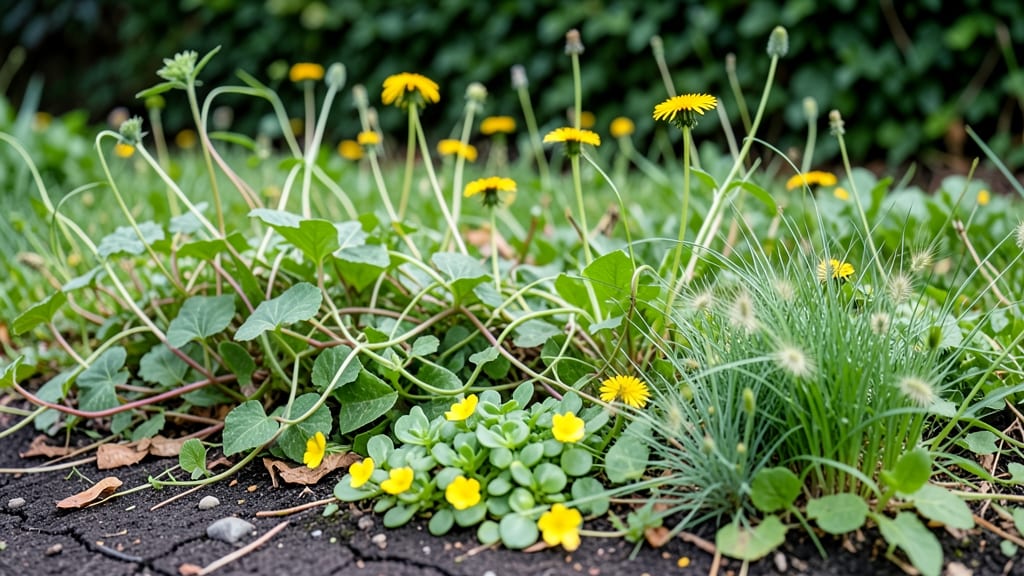
A flower bed full of weeds doesn’t mean a lost cause—it’s just a chance to reclaim your space without digging or chemicals. 🌱 I’ve turned overgrown beds into lush, low-maintenance gardens in just 30 minutes using simple tools and smart techniques that actually work. The key?
Smart timing, the right tools, and a no-dig approach that protects your soil (and your back). Most weeds pop up because of bare soil, poor mulching, or overwatering—common mistakes that leave them room to thrive. But once you understand their life cycle, you’ll spot patterns in your own garden.
For example, dandelions love disturbed soil, while clover thrives in shady, moist spots. Knowing their weaknesses makes removal effortless. With a few layers of cardboard, mulch, and strategic hand-pulling, you’ll see weeds shrink dramatically in days. The best part?
Your flowers will grow faster in enriched soil, and you’ll spend less time weeding later. This method works for any flower bed, from small borders to large landscapes. No more backbreaking work or toxic sprays—just a quick, sustainable fix that keeps weeds at bay for months.
Let’s get that bed looking vibrant again without the hassle.
The Hidden Reasons Your Garden Overgrows
If your once-vibrant flower bed now resembles a tangled jungle of unwanted plants, you’re not alone—this is a common challenge for gardeners. But before reaching for harsh chemicals or spending hours weeding, it’s worth understanding why this happens.
The root causes (literally!) often lie in soil health, sunlight exposure, or even human habits. Let’s break down the science behind why weeds thrive where flowers struggle.
Healthy soil is the foundation of a thriving garden, and when it’s lacking in nutrients or structure, weeds seize the opportunity. Here’s how soil science plays a role:
- Compacted or Poorly Aerated Soil: Heavy foot traffic, machinery, or clay-heavy soil can compress the earth, reducing oxygen and water flow. Weeds like dandelions and crabgrass have shallow roots and thrive in these conditions, while deeper-rooted flowers (like daylilies or peonies) struggle to establish themselves.
- Low Organic Matter: Soil rich in decomposed plant material (humus) retains moisture and nutrients, giving flowers a competitive edge. When organic matter is depleted—often due to erosion or lack of mulch—weeds dominate because they’re faster growers with fewer resource needs.
- Imbalanced pH Levels: Most flowers prefer slightly acidic to neutral soil (pH 6.0–7.0), while weeds like chickweed or purslane can tolerate extreme pH ranges. A soil test (available at garden centers) can reveal if your bed is too alkaline or acidic, creating an uneven playing field.
Actionable Fix: Amend the soil with compost (2–3 inches mixed into the top 6 inches) and consider a no-dig method—top-dressing with mulch or leaf mold instead of tilling—to improve structure without disrupting weed seeds.
Weeds often outcompete flowers because they’re opportunistic survivors, adapting to light conditions that many ornamental plants can’t handle. Here’s how sunlight (or lack thereof) tips the scales:
- Too Much Sun Exposure: In hot, dry climates, weeds like spiny sowthistle or Russian thistle (tumbleweed) grow aggressively to conserve water, while sun-sensitive flowers (e.g., impatiens) wilt. Their deep taproots also access water deeper in the soil, leaving shallow-rooted flowers parched.
- Patchy or Insufficient Light: Shady spots under trees or dense shrubs create ideal conditions for ground ivy or foxglove weeds, which tolerate low light better than most flowers. Meanwhile, sun-loving perennials (like coneflowers) languish, creating bare patches where weeds rush in.
- Seasonal Light Shifts: Early spring or late fall light changes can confuse plant growth cycles. Weeds germinate quickly in these transitional periods, while slower-growing flowers take time to recover.
Actionable Fix:
- For sunny beds: Add mulch (straw or wood chips) to retain moisture and shade soil, then plant drought-tolerant flowers like lantana or sedum.
- For shady areas: Choose shade-loving perennials (e.g., hostas, heucheras) and improve airflow by pruning overgrown branches.
Watering habits can inadvertently create a weed paradise. Here’s why:
- Frequent Light Watering: Weeds like chickweed and annual bluegrass germinate when soil is kept consistently moist at the surface. Overwatering (or watering daily) signals these weeds to sprout, while deeper-watering flowers (like lavender) develop shallow roots from thirst.
- Poor Drainage: Waterlogged soil suffocates flower roots but encourages nutgrass or sedges, which thrive in soggy conditions. Clay soil or low-lying beds often trap excess water, creating a weed-friendly swamp.
- Splash Back from Irrigation: Sprinklers or hose streams can disperse weed seeds from neighboring areas, planting them directly in your flower bed. Even a few stray seeds can multiply into an infestation.
Actionable Fix:
- Switch to deep, infrequent watering (1–2 inches per week) to encourage flower roots to grow deeper.
- Install drip irrigation or soaker hoses to target roots directly and reduce surface moisture for weeds.
- Test drainage by digging a 12-inch hole—if water doesn’t drain within 6 hours, amend with sand or perlite.
Sometimes, the problem isn’t the soil or weather—it’s how we interact with the garden. Unintentional habits can create the perfect conditions for weeds:
- Neglecting Mulch: Bare soil is an open invitation for weed seeds to germinate. Without mulch, sunlight reaches the soil surface, warming it and triggering weed growth.
- Over-Fertilizing with Weed Seed Mixes: Many commercial fertilizers contain low-quality fillers (like grass seeds or weed seeds) that contaminate your soil. Organic options (like fish emulsion or compost tea) are safer.
- Disturbing Soil Too Often: Digging, tilling, or even walking on the bed aerates the soil and brings dormant weed seeds to the surface. A single tilling session can bring up thousands of seeds from the last 5 years!
- Ignoring Early Weed Signals: A few weeds in spring can multiply 100-fold by summer if left unchecked. Their deep roots and prolific seeds outcompete flowers before you notice.
Actionable Fix:
- Apply a 3–4 inch layer of mulch (straw, wood chips, or cardboard + compost) to block light and smother weeds.
- Use pre-emergent mulches like corn gluten (a natural weed preventer) in early spring.
- Adopt a no-dig philosophy: Top-dress with compost instead of tilling to preserve soil structure.
Understanding these causes is the first step to reclaiming your flower bed—without chemicals or backbreaking labor. The good news? Many of these fixes (like mulching or adjusting watering) take 30 minutes or less to implement. Stay tuned for our no-dig, weed-free revival method coming next!
How to solve it
Transforming a flower bed choked with weeds doesn’t require backbreaking labor or harsh chemicals—just smart, targeted strategies. Below, we’ve mapped out the most common causes of weed-heavy beds and the simplest, fastest solutions to reclaim your space.
Each method is designed for immediate results with minimal effort, so you can enjoy your garden sooner rather than later.
When mulch wears away or is skipped entirely, sunlight reaches weed seeds, giving them the perfect opportunity to sprout and thrive. Without a protective barrier, your soil stays exposed, and weeds take over.
Fix: Apply a fresh layer of organic mulch (like straw, wood chips, or shredded leaves) to smother weeds and block new growth.
- 🔥 Step 1: Pull or cut existing weeds at the base (no digging needed).
- 🍳 Step 2: Spread a 2–3 inch layer of mulch over the entire bed, ensuring it covers the soil completely.
- 👨🍳 Step 3: Water lightly to settle the mulch and encourage decomposition.
💡 Pro Tip: Use cardboard or newspaper as a weed-blocking layer under the mulch for extra protection.
When flowers or shrubs struggle—due to poor soil, pests, or disease—they leave gaps that weeds rush to fill. Even healthy plants can create "weak spots" if they’re too close together, allowing weeds to sneak in.
Fix: Thin out overcrowded plants and improve soil health to discourage weeds naturally.
- ⏰ Step 1: Snip or dig up weak or dead plants (compost them!).
- 🔪 Step 2: Space remaining plants 6–12 inches apart to allow airflow and reduce weed competition.
- 🌡️ Step 3: Mix in compost or aged manure to enrich the soil and promote stronger plant growth.
🎯 Prevention: Plant ground covers like creeping thyme or clover to fill gaps and outcompete weeds.
Irregular watering (either too much or too little) stresses plants and creates ideal conditions for weeds. Overwatering keeps soil soggy, while underwatering leaves dry patches where weeds thrive.
Fix: Adjust your watering routine to support plants, not weeds.
- 💧 Step 1: Water deeply 2–3 times per week (early morning is best) to encourage strong root growth.
- 🌱 Step 2: Use a soaker hose or drip irrigation to deliver water directly to plant roots, reducing runoff that fuels weeds.
- 🚫 Step 3: Avoid splashing water on leaves or mulch, which can spread weed seeds.
✨ Bonus: Install a rain barrel to collect water and reduce reliance on hoses.
Weeds don’t just appear—they take advantage of neglected spaces. Skipping regular weeding, pruning, or soil checks lets weeds gain a foothold and multiply quickly.
Fix: Reclaim control with a 30-minute weekly reset routine.
- 🗓️ Step 1: Set a recurring reminder to spend 10–15 minutes every week pulling weeds before they seed.
- 🌿 Step 2: Use a hand weeder or fork to remove weeds at the root (no gloves needed—just grab and tug!).
- 🔄 Step 3: Refresh mulch or add a vinegar spray (1:1 ratio with water) to weak spots for extra prevention.
💡 Quick Hack: Boiling water poured directly on weeds kills them instantly—great for stubborn patches!
With these targeted fixes, your flower bed will shift from a weed magnet to a lush, low-maintenance oasis in no time. The key? Act fast, mulch thick, and stay consistent. Your garden’s revival starts today!
Frequently asked questions
How do I know which weeds are harmful vs. beneficial?
Most weeds in flower beds are considered harmful because they compete with your plants for nutrients and water. However, some like clover or dandelions (before they seed) can actually improve soil health by fixing nitrogen. Focus on removing aggressive spreaders like crabgrass or bindweed, which choke out flowers.
Can I use vinegar to kill weeds in my flower bed?
Yes, but with caution! A 1:1 vinegar-water mix (with dish soap) works well for spot treatments on weeds. Just avoid spraying near desired plants—vinegar can damage them too. For large areas, mulching is safer and more effective long-term.
How often should I mulch to prevent weeds?
Apply a fresh 2-3 inch layer of mulch every 3-4 months or when it breaks down. For best results, use organic mulches like straw or wood chips that decompose slowly. This blocks sunlight and prevents weed seeds from germinating.
What's the best time of day to pull weeds?
The early morning is ideal—soil is damp (making weeds easier to remove) and temperatures are cooler. Avoid midday when weeds are most rigid. If you must pull later, water the bed first to soften the soil.
Will cardboard really smother weeds under mulch?
Lay down unbleached cardboard (no glossy ink) over weeds, then cover with 3-4 inches of mulch. The cardboard blocks light while decomposing, creating a weed barrier. This method works for 6-12 months before needing renewal.