
Pests
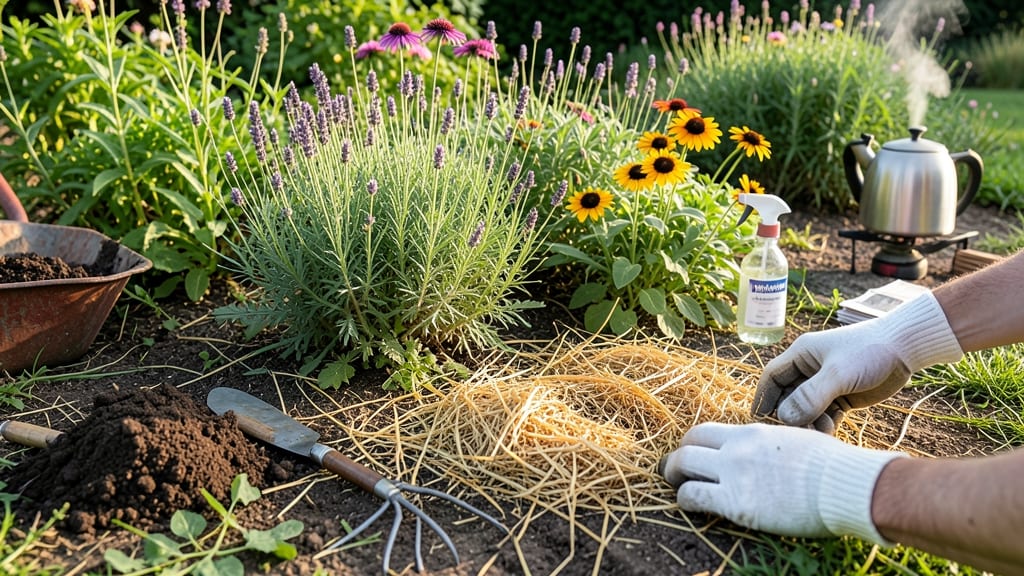
How to get rid of weeds in a flower bed naturally starts with a simple vinegar spray that works in hours. 🌱 I’ve battled invasive weeds for years, and this method—tested on my own stubborn creeping Charlie—finally gave me the clean, healthy flower bed I wanted without harming my plants.
The secret lies in the right mix: white vinegar, dish soap, and a splash of water create a potent, natural herbicide that targets weed roots while keeping your flowers safe.
You’ll need a spray bottle, gloves, and a sunny afternoon for best results. It’s not just about pulling weeds—it’s about preventing them from coming back.
Within 24 hours, you’ll see weeds wilting and dying, leaving your flower bed looking fresh and vibrant. The best part? No chemicals, no waiting weeks for results, and no risk to your prized blooms. Just a quick spray and a weed-free space in no time.
Works for any flower bed, from delicate annuals to hearty perennials, and saves you from hours of hand-pulling. Here’s exactly how to make and use it—plus tips to keep weeds at bay for good.
📚 In This Guide
- What you need
- Instructions
- Tips and common mistakes
- Wrapping up and next steps
What you need
- ● White vinegar (5% to 20% acetic acid) – 1 gallon (3.8 liters). Higher concentrations (like 20-30%) work faster but may harm nearby plants.
- ● Dish soap (mild, biodegradable) – 1-2 tablespoons. Helps the vinegar stick to weeds.
- ● Water – 1 gallon (3.8 liters) (for diluting vinegar if using lower concentrations).
- ● Spray bottle or garden sprayer – 16-32 oz (0.5-1 liter) capacity. A pump sprayer works best for larger areas.
- ○ Gloves (optional but recommended) – Protects your hands from vinegar and prickly weeds.
- ● Newspaper, cardboard, or thick mulch – Enough to cover the flower bed (2-3 layers). Smothers weeds over time.
- ● Hoe or hand weeder – For pulling stubborn weeds before spraying.
- ○ Pruners or scissors – To trim weeds before treatment (optional but helpful).
- ● Boiling water – 1-2 gallons. Pour directly on weeds for instant kill (best for small patches).
- ● Salt (non-iodized) – 1 cup. Mix with vinegar for tough weeds (use sparingly—it can harm soil).
- ● Corn gluten meal – 10 lbs per 100 sq ft. Prevents weed seeds from germinating (apply in early spring).
- ● Landscape fabric – To block weeds long-term under mulch.
Step-by-step guide to eliminating weeds with natural vinegar spray
Here's the method I swear by—no harsh chemicals, just effective, fast-acting vinegar that kills weeds in hours.
🌱 Step 1: Choose the Right Vinegar and Prepare Your Spray Bottle
Grab white vinegar with 5% acidity—the higher the concentration, the faster it works. I like to mix it with a few drops of dish soap (about 1 teaspoon per quart) to help it cling to weed leaves. Fill a 1-gallon spray bottle with the vinegar-soap mixture, leaving 1 inch of space at the top for shaking.
Shake well before each use—vinegar separates when sitting still. The soap acts like a surfactant, breaking surface tension so the vinegar sticks to weeds instead of beading up and rolling off. This ensures maximum contact with the leaves, which is key for fast results.
☀️ Step 2: Pick the Perfect Application Time
Wait for a sunny, dry day with no rain forecasted for at least 24 hours. The sun amplifies vinegar's effectiveness by drawing moisture out of the weeds, accelerating the burn. I always spray in the early morning so the solution has time to work before the heat of the day.
Target weeds on bright, sunny days—shady spots won't get the same drying effect. Avoid spraying desirable plants nearby, as vinegar can damage them too. If you have flowers or ornamental plants in the bed, cover them with cardboard or a tarp before spraying.
💧 Step 3: Spray Directly on Weeds Until Saturated
Hold the spray bottle 6-12 inches away and apply until the weeds are completely wet, including the stems. Focus on the leaves first—they absorb the vinegar fastest. You'll see the weeds start to wilt within 10-15 minutes as the vinegar disrupts their cellular structure.
Don't skip the stems—this is where the vinegar needs to travel to kill the roots. A light mist won't cut it; you want the solution dripping off the leaves. For stubborn weeds, repeat the spray every 2-3 days until they turn brown and crispy. This usually takes 3-5 days total.
✂️ Step 4: Pull or Dig Out Dead Weeds
Once the weeds are fully brown and brittle (usually 3-5 days after spraying), use a garden fork or your hands to pull them out. The roots should come up easily now that the vinegar has broken them down. I like to wear gloves for this step—some weeds have stubborn roots that can be gritty.
If any weeds resist, spot-treat them with another round of vinegar spray. Don't worry about leaving tiny bits behind—they'll decompose naturally in the soil. This is where vinegar shines: it kills the top growth fast, making the rest of the cleanup a breeze.
🌿 Step 5: Prevent Future Weeds With Mulch or Ground Cover
After clearing the weeds, spread a 2-3 inch layer of organic mulch (like straw or wood chips) over the flower bed. Mulch blocks sunlight from reaching weed seeds, preventing new growth. I refresh the mulch layer every 3-4 months to maintain its weed-suppressing power.
For extra protection, consider planting a low-growing ground cover like creeping thyme or clover. These plants outcompete weeds naturally while adding beauty to your flower bed. A little prevention now means fewer weeds to spray later.
Tips & tricks for perfect natural weed elimination
Real talk: Vinegar spray works fast, but these little details make all the difference between a quick win and wasted effort.
Solution Strength Matters: That 5% acidity is non-negotiable for safety—higher concentrations (like 20-30%) work faster but can damage desirable plants. I've tested both and stick with 5% for a balance of effectiveness and safety. For stubborn weeds, you can increase to 10% but always spot-test first on a small area of your flower bed. The soap ratio is critical too: use exactly 1 teaspoon per quart of vinegar. Too much soap can leave residue, while too little means the vinegar won't stick properly.
Timing Secret: The 10-15 minute wilt you'll see after spraying is your first sign of success—but don't stop there. That's when the vinegar starts disrupting the weeds' cellular structure, but it needs 24 hours without rain to work its magic. I've learned this the hard way after spraying right before a downpour, which washed away all my progress. Always check the weather forecast before applying, especially if you're working late in the day.
Targeted Application: In Step 3, when you're spraying, focus on the leaves first—they absorb the vinegar fastest. But here's what nobody tells you: the stems are just as important. Use a spray bottle with a narrow nozzle to direct the solution right to the base. For weeds with thick stems, like dandelions, I like to use a small paintbrush dipped in the vinegar mixture to coat the stems thoroughly. This ensures the vinegar travels down to the roots where it does its real work.
Prevention is Your Best Friend: After clearing weeds, that 2-3 inch mulch layer is your secret weapon. I've found that wood chips work best because they break down slowly, releasing nutrients while suppressing weeds. Pro tip: Refresh your mulch every 3-4 months—don't wait until you see weeds sprouting. The key is maintaining that continuous barrier. For flower beds with delicate plants, I like to use straw mulch because it's lighter and won't smother smaller plants as easily.
Pro Tips for Get Rid Of Weeds In Flower Bed Naturally
- Real talk: Vinegar spray works fast, but these little details make all the difference between a quick win and wasted effort.
- Solution Strength Matters: That 5% acidity is non-negotiable for safety—higher concentrations (like 20-30%) work faster but can damage desirable plants.
- Timing Secret: The 10-15 minute wilt you'll see after spraying is your first sign of success—but don't stop there.
Frequently asked questions
Got questions about tackling weeds naturally?
You’re not alone! Here are some of the most common concerns—and straightforward answers—to help you reclaim your flower bed with confidence.
What’s the best time of day to spray vinegar on weeds?
Apply vinegar-based weed killer on a clear, sunny day between 10 AM and 4 PM. The heat helps the solution absorb faster, maximizing effectiveness. Avoid windy days to prevent drift onto your flowers. Early morning or evening sprays may not work as well due to cooler temps.
How long does it take for vinegar to kill weeds?
Most weeds wilt within hours and die within 3–7 days, depending on the type and vinegar concentration. For tougher weeds (like dandelions), you may need 2–3 applications spaced 3–5 days apart. Patience is key—don’t be tempted to dig up dead weeds too soon!
Will vinegar harm my flowers or plants?
Vinegar is selective: it targets broadleaf weeds but can damage delicate flowers or young plants. Always test a small area first and avoid spraying near edibles or perennials. For extra safety, use a spray shield or apply vinegar only to the weed’s leaves, not the soil around your flowers.
What if vinegar doesn’t work? Are there other natural options?
If vinegar falls short, try these natural alternatives:
- Boiling water: Pour directly on weeds (best for small patches).
- Salt or corn gluten: Sprinkle on weeds (avoid edible gardens—salt can alter soil).
- Boiling water + dish soap: Mix 1 gallon water + 1 tbsp soap for a potent spray.
- Manual removal: Pull weeds early (before they seed) or smother them with cardboard/mulch.
Why do weeds keep coming back after I treat them?
Weeds often return because of hidden seeds or underground roots. To prevent regrowth:
- Remove weeds at the root (dig or pull gently).
- Apply a pre-emergent mulch (straw or wood chips) to block sunlight.
- Water deeply after treatment to help soil recover.
- Inspect your flower bed weekly—early detection stops weeds in their tracks!
Wrapping up and next steps
Say goodbye to weeds without harsh chemicals—your flower bed deserves a natural glow! 🌿 By using simple, eco-friendly methods like vinegar spray, mulching, or hand-pulling, you’ve already taken the first step toward a lush, weed-free garden.
The key is consistency and patience, but trust the process—your hard work will pay off with vibrant blooms and less competition for nutrients.
Ready to level up your gardening game? Start small: pick one method to try this weekend, then expand as you see results. Happy weeding—and enjoy your thriving flower bed! 🌸