
Landscaping
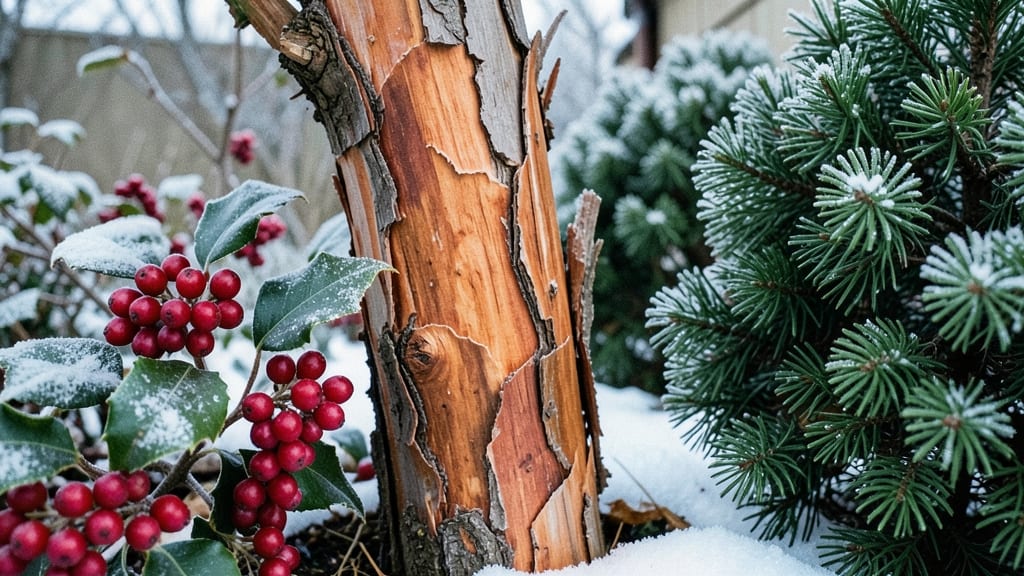
Creating a stunning flower bed that blooms almost year-round doesn’t require constant maintenance. These 10 low-fuss flower combinations deliver vibrant color, seasonal interest, and easy care—perfect for gardeners who want beauty without the upkeep.
Perennial Lavender and Russian Sage Border
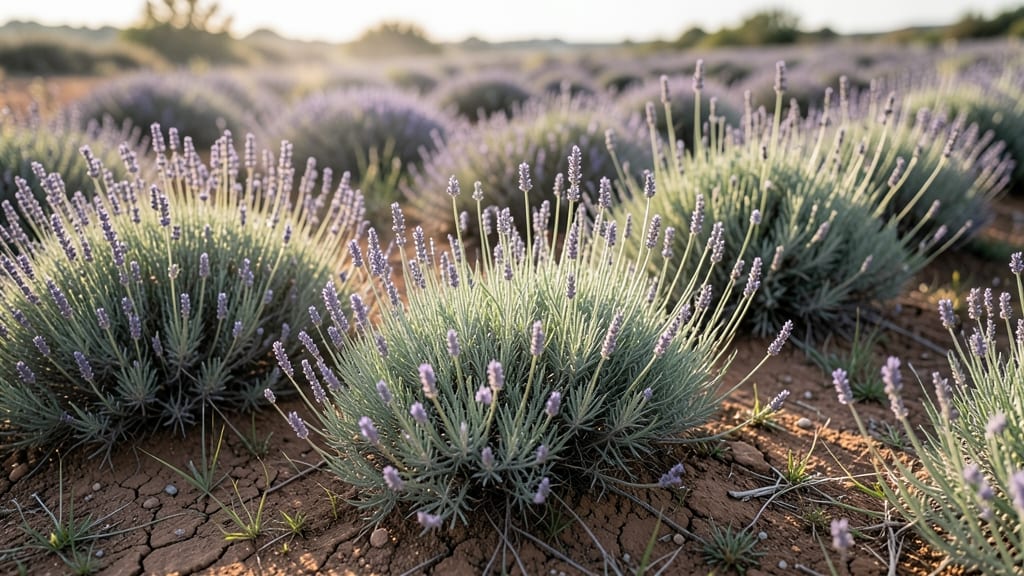
Tired of watering flower beds that wilt by noon? A lavender and Russian sage border delivers year-round color while surviving on rainwater alone—no fuss, no guilt. These Mediterranean natives thrive in full sun and drought conditions, making them perfect for hot, dry climates where other plants struggle.
Plant lavender for its fragrant spikes and silvery foliage, which naturally repels pests like mosquitoes and deer. Pair it with Russian sage, whose tall, airy stems bloom in lavender-purple from summer through fall. Both plants are perennial, so once established, they’ll return for years with minimal care—just prune back in early spring to encourage new growth.
This beginner-friendly combo is ideal for gardeners in USDA zones 5-9 who want low-maintenance beauty. The contrasting textures and colors create a soothing, minimalist look that works in modern or cottage-style gardens alike. 🌿
Winter-Blooming Hellebores and Ferns
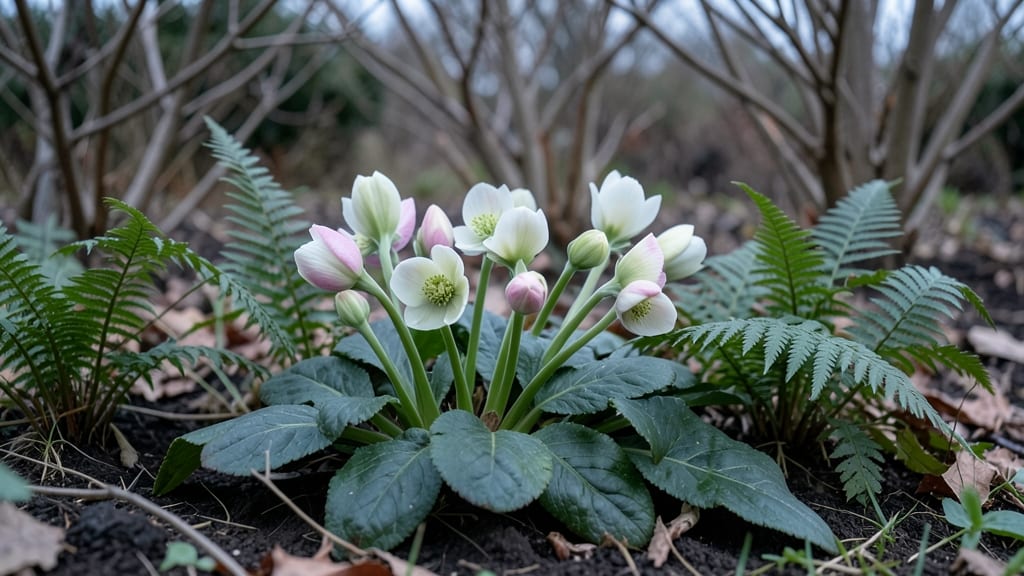
When your garden looks like a blank canvas in late winter, helleborus (helleborine) and ferns step in to save the day. These shade-loving stars bloom when most plants are dormant, offering delicate white, pink, or green flowers that contrast beautifully with lush evergreen foliage.
Plant helleborus in well-draining soil under trees or along north-facing walls, where they’ll thrive with minimal care. Ferns like matteuccia struthiopteris (ostrich fern) add texture with their feathery fronds, creating a woodland escape. Both require no deadheading—just enjoy their effortless beauty through winter and spring.
This combo is ideal for gardeners with shady spots who want year-round interest without the upkeep. 🌿
Sunny Black-Eyed Susan and Coneflower Mix
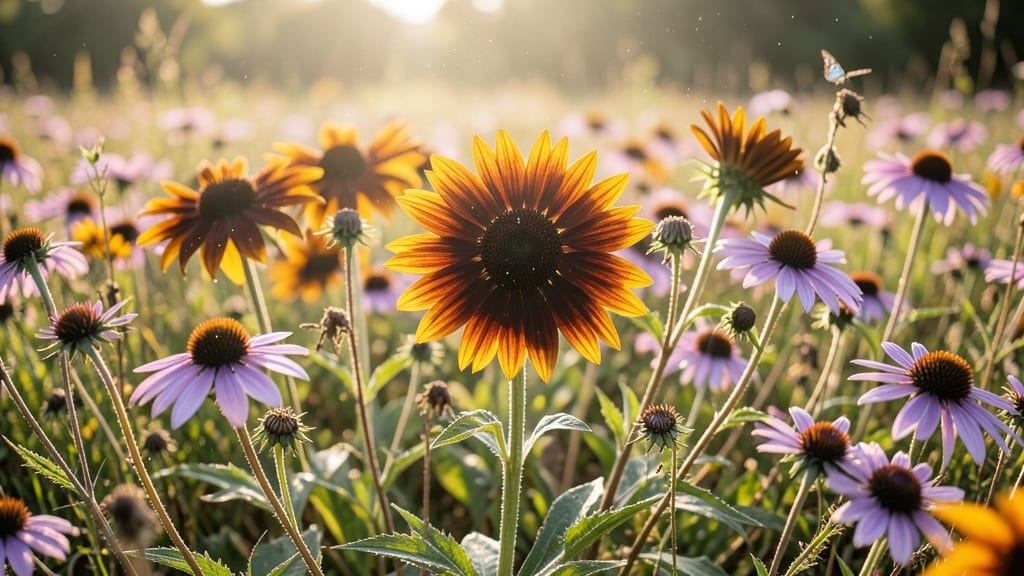
Turn your sunny flower bed into a butterfly buffet with a mix of black-eyed Susans and coneflowers—two native powerhouses that thrive in full sun and keep blooming until frost. These cheerful annuals aren’t just pretty; they’re self-seeding superstars, meaning fewer seeds (or none!) for you each year.
Plant them in well-drained soil and watch as their golden-yellow and deep purple blooms attract monarchs, bees, and hummingbirds all season long. Both varieties are drought-tolerant once established, and their tall, sturdy stems hold up beautifully in bouquets. For extra drama, let a few seed heads remain—they add winter interest and feed birds.
This combo is perfect for urban gardeners with sunny balconies or beginner gardeners who want color without fuss. Just scatter seeds in spring, water occasionally, and enjoy the show—your pollinator friends will thank you! 🌻
Spring Bulb Layering with Tulips and Allium
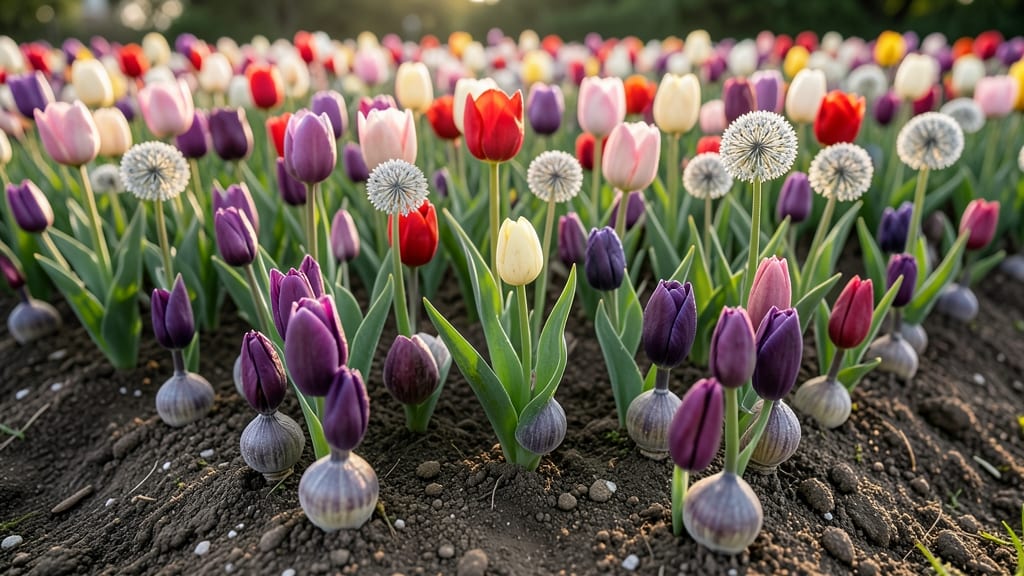
Want a spring flower bed that keeps giving for years without replanting? Layering tulips and allium creates a low-maintenance, long-lasting display that blooms reliably for five years or more with minimal effort.
Start by planting tulip bulbs in early fall (6-8 weeks before frost) in well-draining soil with 6 hours of sun. Add allium bulbs (like Allium globemaster) 2-3 inches deeper for their striking spherical blooms that appear 2-3 weeks after tulips. The allium’s pest-repelling properties also protect tulips from deer and rabbits.
This combo thrives in USDA zones 3-9 and works beautifully in perennial beds, cottage gardens, or even containers. Perfect for gardeners who love spring color but hate replanting annuals every year. 🌷
Drought-Proof Succulent and Sedum Garden
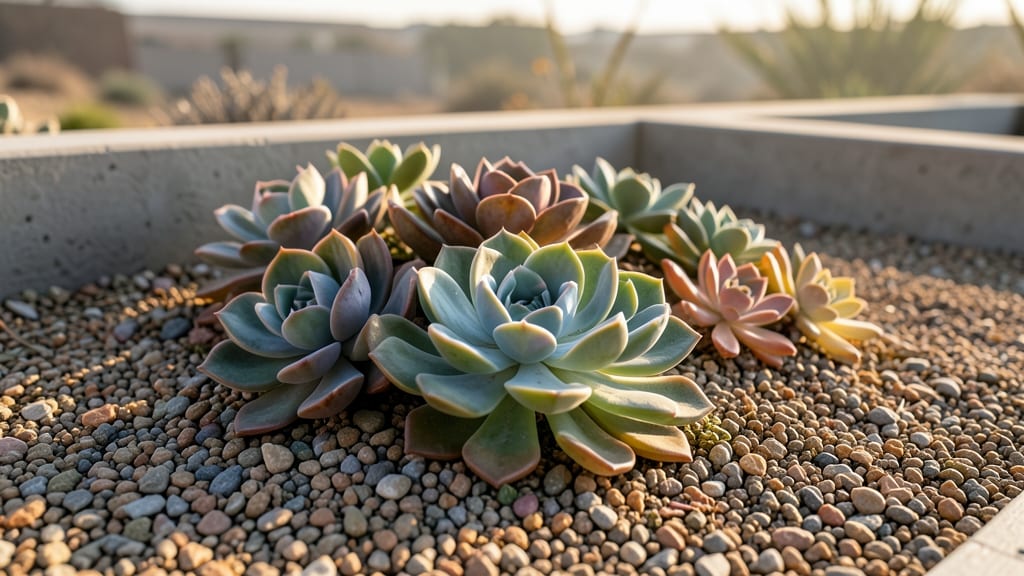
Forget the watering can—this drought-proof garden thrives on neglect while delivering bold, architectural beauty. Succulents like echeveria and sedums store moisture in their leaves, making them ideal for modern landscapes where water conservation is key. Their geometric shapes create striking visual interest from spring through fall, with minimal upkeep.
Plant in well-draining soil with full sun exposure (6+ hours daily) to keep roots happy. Group plants by water needs—cluster drought-tolerant types together and avoid mulching heavily to prevent rot. Autumn Joy sedum and hen-and-chicks add height and texture, while trailing varieties like string of pearls soften edges. Most varieties need watering only every 2-3 weeks once established.
This design is perfect for urban gardeners, busy professionals, or anyone with a low-water landscape in mind. The striking forms and color contrasts make it a standout choice for contemporary gardens—with zero guilt over water waste. 🌻
Shade-Loving Impatiens and Coral Bells
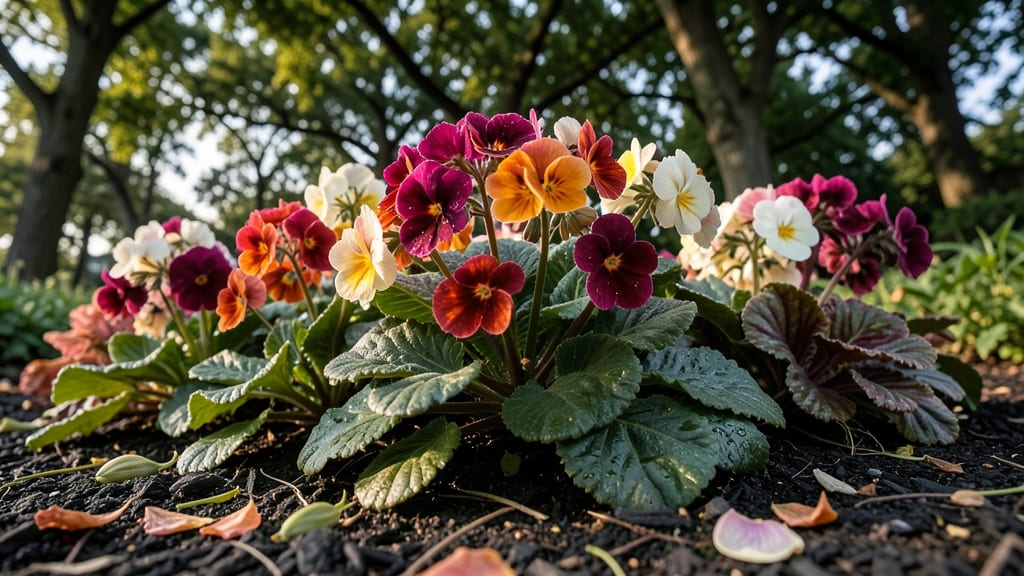
Transform your north-facing beds into vibrant pockets of color with impatiens and coral bells (Heuchera)—two shade-loving stars that refuse to fade in dim light. While most flowers struggle under tree canopies, these pairings thrive with minimal fuss, turning forgotten corners into cheerful displays.
Start with impatiens for their bold, continuous blooms in pinks, oranges, and reds—perfect for instant impact. Pair them with coral bells, whose textured foliage (in burgundy, lime, or silver) adds depth and year-round interest. Both love moist, well-draining soil and dappled shade; water consistently to keep impatiens happy, while coral bells tolerate slightly drier conditions. For extra drama, let impatiens spill over the edge of containers or borders where coral bells anchor the scene.
This combo is ideal for urban gardeners with limited sun or woodland gardeners craving low-maintenance shade solutions. Plant in spring for summer-to-fall color that brightens even the gloomiest spots. 🌷
Autumn Joy Sedum and Ornamental Grass Combo
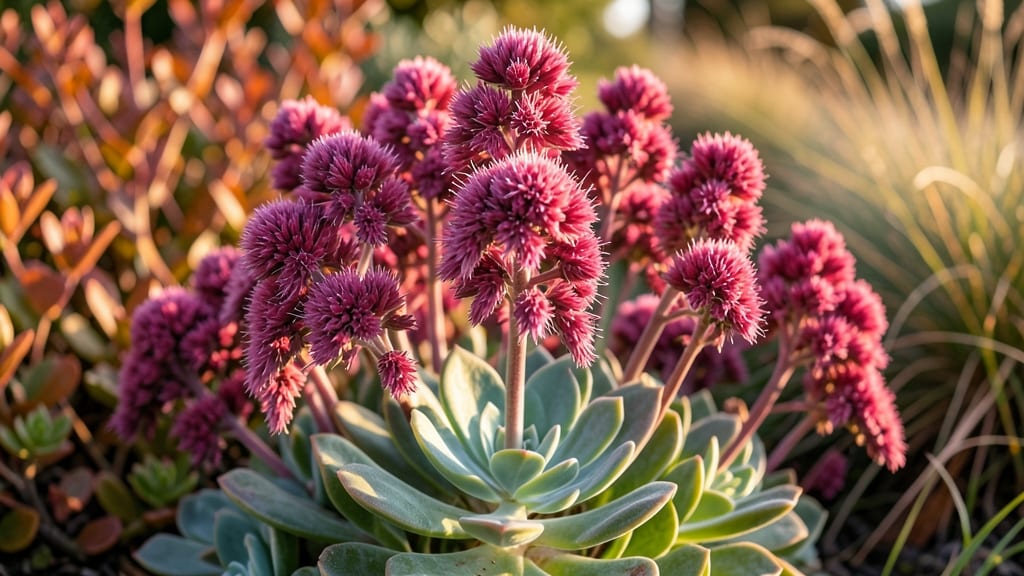
When summer blooms start to fade, Autumn Joy sedum steps in with a dramatic late-season show—deep pink clusters that last until the first frost. This hardy succulent thrives in full sun to partial shade and requires almost no water once established, making it a dream for busy gardeners.
Pair it with fountain grass for movement and texture, as the feathery plumes sway in the breeze while the sedum’s bold blooms command attention. Both plants are perennial, so this combo delivers year-round structure—even after the flowers fade, the dried seed heads add winter interest. For cutting gardens, the sedum’s sturdy stems hold up beautifully in arrangements.
This duo is perfect for urban gardeners with small spaces or anyone who wants to extend their garden’s season without extra work. Just plant them together in well-drained soil, and enjoy the show—nature’s fireworks in your backyard! 🌟
Edible Flower Bed with Nasturtiums and Calendula
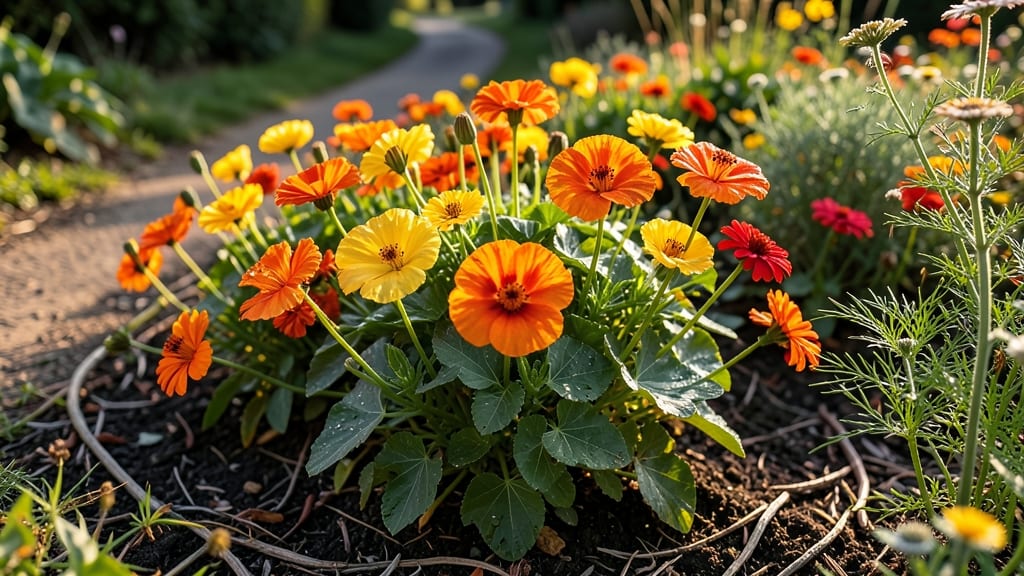
Transform your flower bed into a functional feast with nasturtiums and calendula—two edible blooms that do double duty as pest deterrents and pollinator magnets. These cheerful annuals thrive in full sun to partial shade, offering vibrant orange, yellow, and red blooms that add a pop of color while keeping aphids and squash bugs at bay.
Nasturtiums, with their peppery leaves and flowers, add a tangy kick to salads, while calendula petals lend a mild, citrusy flavor. Both self-seed aggressively, meaning fewer seeds for you each year—just let a few plants go to seed, and you’ll have a fresh crop next spring. Plant them in well-draining soil and watch as they spread effortlessly, filling gaps and suppressing weeds.
This combo is perfect for organic gardeners who want to reduce pesticide use while adding beauty and flavor to their harvest. Plus, the bright blooms attract bees and butterflies, making your garden a thriving ecosystem. 🌻
Low-Growing Creeping Phlox Ground Cover
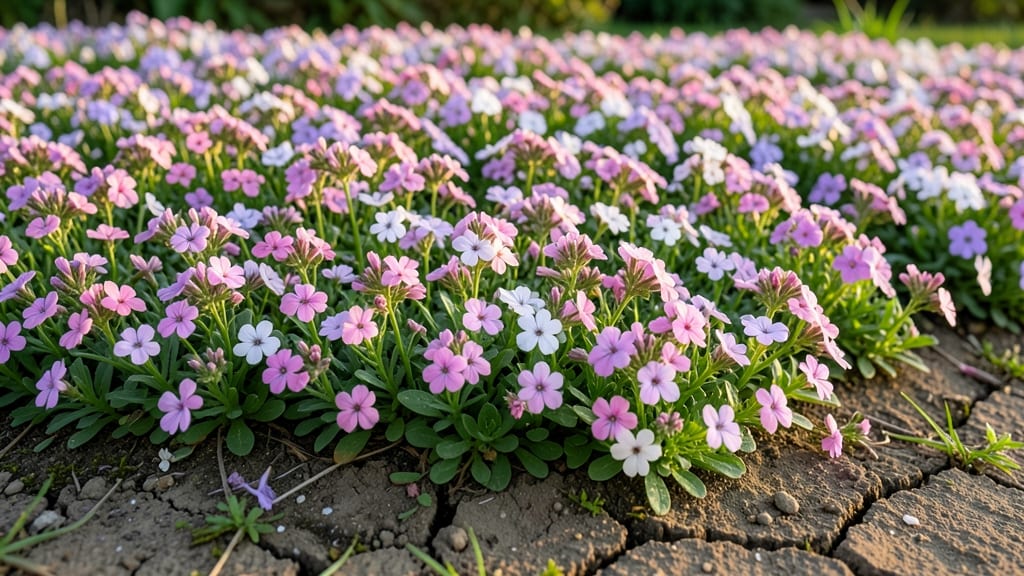
Want a no-fuss ground cover that transforms bare soil into a sea of color while keeping weeds at bay? Creeping phlox delivers a springtime carpet of blooms in pink, purple, and white—all with zero effort after the first year. This hardy perennial spreads aggressively (but controllably) to create a lush, weed-suppressing layer perfect for slopes, borders, or between stepping stones.
Plant in well-draining soil with full sun to partial shade (3-6 hours of light daily), and watch it thrive in USDA zones 3-9. Deadhead spent blooms to encourage a second flush, but otherwise, this plant is nearly self-sufficient. Choose varieties like ‘Color Carpet’ for compact growth or ‘Emerald Blanket’ for deeper shades—both stay under 6 inches tall while spreading 2-3 feet wide.
This is the ideal solution for gardeners with steep slopes, rocky terrain, or areas where grass won’t grow. The fragrant blooms attract pollinators early in the season, making it a double win for beauty and ecology. 🌱
Winter Interest with Ornamental Bark and Berries

When winter arrives and most gardens fade to brown, ornamental bark and berries transform your landscape into a stunning winter wonderland. Plants like dogwood and winterberry holly offer bold textures and vibrant colors—even when everything else is dormant—while evergreen foliage keeps your beds lively year-round.
Start with Cornus sericea (red-twig dogwood), whose exfoliating bark turns fiery red in winter, providing striking contrast against snow. Pair it with Ilex verticillata (winterberry holly), which produces clusters of bright red berries that persist through the cold months. Both thrive in full sun to partial shade and tolerate moist soil, making them perfect for rain gardens or near ponds. Prune dogwood in late winter to reveal fresh, colorful stems, and let winterberry berries remain for birds and winter interest.
This combo is ideal for gardeners who want effortless winter beauty without sacrificing spring or summer interest. The structural elements add depth and drama to any landscape, making it a standout choice for both urban and rural gardens alike. 🌱