
Flowers
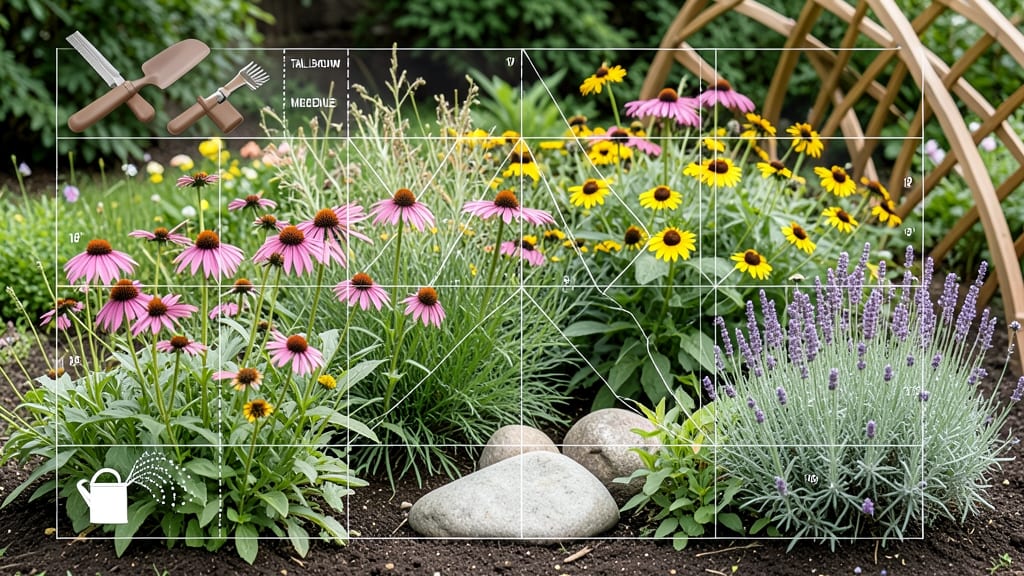
Bold color blocks transform your yard into a year-round showstopper. 🌸 I designed these templates after realizing most flower beds look flat—until I started grouping plants by height, texture, and bloom time. The secret? Three-foot squares of one dominant color with contrasting foliage to create depth.
These templates work for any space: a 4-foot-wide border or a 10-foot garden bed. Each layout includes plant placement guides, seasonal interest notes, and color swatches to match your palette. No more guessing—just print, sketch, and plant.
You’ll end up with beds that pop in every season: spring bulbs, summer blooms, and fall foliage all working together. The templates even suggest pollinator-friendly swaps if you want to support bees and butterflies.
Customize with your favorite perennials or annuals from our inventory—just adjust the spacing for mature plant sizes. Let’s bring that bold vision to life!
📚 In This Guide
- What you need
- Instructions
- Tips and common mistakes
- Wrapping up and next steps
What you need
- ● Flower bed outline tools: Garden hose with spray nozzle (for marking curves)
- ● Stakes or dowels (10–20, 12–18 inches long)
- ● String or twine (for shaping beds)
- ● Soil & prep: Topsoil or garden soil (1–2 cubic yards, depending on bed size)
- ● Compost or organic matter (1–2 bags, 40 lb each)
- ● Garden gloves (1–2 pairs, heavy-duty)
- ● Plants (choose 3–5 varieties for bold blocks): Perennials (e.g., coneflowers, black-eyed Susans – 12–24 plants)
- ● Annuals (e.g., petunias, marigolds – 20–30 plants for color impact)
- ● Foliage plants (e.g., heuchera, hostas – 6–12 plants for texture)
- ● Mulch: Shredded bark or pine straw (2–3 bags, 2 cubic feet each)
- ● Essential tools: Garden shovel or spade (1)
- ● Hand trowel (1)
- ● Pruners (1 pair)
- ● Wheelbarrow (1, for hauling soil)
- ○ Optional (but helpful!) upgrades: Edging tool (for clean lines)
- ● Knee pad or cushion (for comfort)
- ● Watering can or hose with adjustable nozzle
- ● Measuring tape (25–50 ft)
- ● Sunlight assessment: Know your bed’s light conditions (full sun, partial shade, etc.).
- ● Water access: Ensure a nearby spigot or portable water source.
- ● Weather check: Plan for a dry, mild day (avoid extreme heat or rain).
- ● Design template: Sketch your layout or use a pre-made flower bed design template as inspiration!
Step-by-Step instructions for creating bold color block flower beds
Here's how to design striking, seasonal flower beds using bold color blocks that catch the eye.
🎨 Step 1: Plan Your Color Palette and Layout
Start by selecting 3-4 bold colors that complement each other—think deep purples with fiery reds or sunny yellows with cool blues. I like to use a 60-30-10 rule: 60% dominant color, 30% secondary, and 10% accent. Sketch a rough layout on graph paper, dividing your bed into 3-4 distinct blocks of 2x2 to 4x4 feet each.
Consider the bloom times of your plants to ensure year-round interest. For example, pair early spring bulbs like tulips with summer bloomers like black-eyed Susans and fall perennials like sedum. This ensures your color blocks stay vibrant from March through October. I always include at least one evergreen filler in each block to provide structure and prevent gaps.
☀️ Step 2: Choose Plants for Each Color Block
For each block, select 3-5 plants that share a similar color family. For instance, a deep purple block might include salvia 'May Night', cleome 'Spangled', and lobelia 'Crystal Palace'. Use a mix of perennials, annuals, and bulbs to balance long-term and seasonal impact. Annuals like impatiens or zinnia will give you instant color, while perennials like coneflower or beebalm will return year after year.
Pay attention to plant heights—tall plants (like delphinium) should go in the back of the block, medium-height plants (like black-eyed Susans) in the middle, and low-growing plants (like ajuga or heuchera) in the front. This creates a natural tiered effect that makes your color blocks pop. I always group odd numbers of plants (3, 5, or 7) for a more natural, balanced look.
🪴 Step 3: Prepare the Soil and Plant Your Blocks
Before planting, amend the soil with 2-3 inches of compost and a slow-release fertilizer to ensure your plants thrive. If your soil is heavy clay, mix in sand or perlite to improve drainage. Divide your flower bed into sections based on your layout sketch, marking each block with stakes or spray paint to keep everything organized.
Plant your blocks in clusters, spacing plants according to their mature size. For example, salvia needs 18-24 inches of space, while ajuga can be planted 12 inches apart. Water deeply after planting to settle the soil and encourage root growth. I like to mulch each block with 2-3 inches of shredded bark to retain moisture and suppress weeds—just avoid piling mulch directly against plant stems.
✂️ Step 4: Maintain and Refresh Your Color Blocks
Once your flower bed is established, deadhead spent blooms regularly to encourage continuous flowering. For example, pinch back zinnia flowers as they fade to keep the plant producing new blooms. In late summer, cut back any leggy or overgrown plants by one-third to promote bushier growth and prepare for fall blooms.
Every 2-3 years, refresh your color blocks by dividing and replanting perennials or adding new annuals to keep the look fresh. I also rotate a few plants each year to prevent disease buildup in the soil. For example, if your purple salvia starts to look tired after 3 years, replace it with Russian sage for a similar color and texture but with renewed vigor.
🌿 Step 5: Extend the Season with Strategic Additions
To keep your color blocks vibrant all season, plan for layered blooming. Add spring bulbs like daffodils or hyacinths for early color, summer annuals like marigolds or cosmos for midseason pops, and fall mums or asterns for late-season interest. I also include ornamental grasses like maiden grass or feather reed grass for texture and movement, especially in blocks that might otherwise look flat.
For winter interest, incorporate evergreen shrubs like boxwood or dwarf holly into the edges of your blocks. These provide structure and color even when other plants have gone dormant. A few winter pansies or heather can also add a splash of color to bare spots. The key is to think ahead—plan your entire season's color palette at once so everything transitions smoothly.
Tips & tricks for stunning color block flower beds
Creating bold, eye-catching flower beds isn't just about planting—it's about strategic design choices that make all the difference.
Color Theory Matters: When applying the 60-30-10 rule in Step 1, consider color temperature—warm colors (reds, oranges) draw the eye forward, while cool colors (blues, purples) recede. For maximum impact, place your dominant 60% color in the center of each block where it will command attention. I've found that adding a small pop of neon color (like bright yellow or hot pink) as your 10% accent can create a focal point that truly makes your design sing.
Plant Selection Strategy: In Step 2, don't just focus on color—think about plant textures too. Pairing velvety salvia with spiky cleome creates visual contrast that makes each block more dynamic. For your evergreen fillers, choose varieties with interesting foliage like variegated boxwood or silver-blue heuchera—they'll add dimension even when not in bloom. I always include at least one fragrant plant in each block (like lavender or Russian sage) because scent is an often-overlooked sensory element that enhances the experience.
Soil Preparation Secret: The 2-3 inches of compost mentioned in Step 3 is non-negotiable, but here's what nobody tells you: mix in a handful of worm castings with your compost. The microbial activity in castings creates an immediate nutrient boost that helps your plants establish faster. For heavy clay soils, I've had great success adding coarse sand (not fine play sand) to improve drainage without altering the soil structure too dramatically. Always test your soil pH before planting—most perennials prefer slightly acidic soil (pH 6.0-7.0), while annuals like impatiens thrive in more neutral conditions (pH 6.5-7.5).
Maintenance Shortcut: When deadheading in Step 4, use clean, sharp pruners instead of your fingers—it's faster and reduces disease transmission. For zinnia flowers specifically, I've found that cutting the stem at a 45-degree angle just above a leaf node encourages bushier growth. The one-third cut-back in late summer might seem drastic, but it actually stimulates new growth that often produces a second flush of blooms. Consider investing in a small handheld leaf blower to quickly clear debris between blocks—it saves your back and keeps your design looking crisp.
Pro Tips for Flower Bed Design Templates
- Creating bold, eye-catching flower beds isn't just about planting—it's about strategic design choices that make all the difference.
- Color Theory Matters: When applying the 60-30-10 rule in Step 1, consider color temperature—warm colors (reds, oranges) draw the eye forward, while cool colors (blues, purples) recede.
- Plant Selection Strategy: In Step 2, don't just focus on color—think about plant textures too.
Frequently asked questions
What’s the best time of year to start planning my flower bed design?
For most climates, late winter or early spring is ideal—soil is workable, and you can plan before summer heat sets in. If you’re in a mild zone, fall is another great time to prep. Pro tip: Sketch your design on paper first! Adjust for seasonal blooms (e.g., spring bulbs + summer perennials).
How do I choose the right color block template for my space?
Start by matching your home’s exterior or personal style. Bold templates (like monochromatic or complementary colors) work for modern homes, while soft pastels suit cottage gardens. Need inspiration? Use a color wheel: Pair opposite colors (e.g., purple + yellow) for high contrast or analogous hues (e.g., blue + teal) for harmony.
Can I mix perennials and annuals in one flower bed template?
Perennials
(like coneflowers or daylilies) provide structure and return yearly, while annuals (e.g., marigolds or petunias) add seasonal pops. Pro tip: Place annuals in front for quick color changes, and use perennials as the "backbone" of your design. Just check sunlight needs—they’re not all created equal!
What if my flower bed template doesn’t thrive after planting?
Don’t panic! Troubleshoot step by step: Check soil drainage (waterlogged roots = trouble), adjust sunlight exposure, or swap out struggling plants with hardier varieties. Overwatering is a common culprit— let soil dry slightly between waterings. If pests appear, introduce companion plants (like marigolds to deter aphids) or use organic sprays.
Are there budget-friendly ways to use flower bed templates without breaking the bank?
Yes! Start small: Use free templates online (like Pinterest or garden blogs) and shop sales at local nurseries or big-box stores. Swap expensive plants for: Seed packets (e.g., cosmos or zinnias), division from existing perennials, or mulch to retain moisture. DIY edging with bricks or logs also cuts costs while adding structure.
How do I maintain a bold color block design all season long?
Deadhead spent blooms
regularly to encourage reblooming, and fertilize lightly every 4–6 weeks. Mulch (2–3 inches) keeps roots cool and reduces weeds. For long-lasting impact, layer plants by height (tall in back, short in front) and rotate annuals seasonally (e.g., spring pansies → summer geraniums).
Wrapping up and next steps
Transforming your outdoor space with bold, eye-catching flower bed designs doesn’t have to be overwhelming—just fun and creative! 🌸 Whether you’re drawn to vibrant color blocks, layered textures, or seasonal blooms, these templates give you the confidence to start with structure and let your personal style shine.
With the right materials, a little planning, and a dash of experimentation, you’ll create a garden that turns heads and brings joy all year round.
Ready to dive in? Pick your favorite template, gather your tools, and get digging! Your future garden oasis is just a shovel’s throw away. 🌿