
Advice
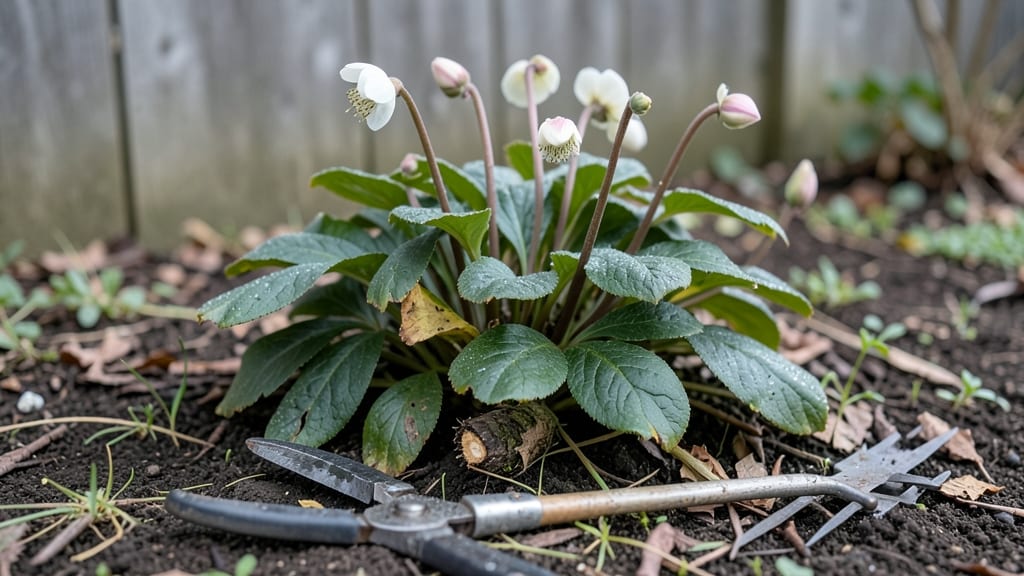
February gardening tasks aren’t just about waiting for spring—they’re your chance to set up a head start that pays off all season. 🌱 I still remember the year I skipped February prep and ended up scrambling in April, only to watch my seedlings bolt in the heat.
That’s when I learned the real magic happens in the quiet winter months, when the ground’s still cool and the days are long enough for early planning.
The key tasks this month are cool-season planting, strategic pruning, and soil prep that works with your climate—not against it. In colder zones, you can direct-sow hardy crops like peas, spinach, and lettuce, while warmer areas focus on late-winter cleanups and frost-tender plant protection.
My garden journal now has a whole February section for notes on frost dates and soil temps—it’s the difference between guessing and growing with confidence.
By the time March rolls around, you’ll have healthy seedlings, pruned perennials ready to rebound, and soil that’s rich enough to support whatever comes next. The payoff? Fewer last-minute scrambles and more time enjoying the harvests that follow. Let’s get those gloves on and make February count!
Whether you’re working with raised beds, containers, or a backyard plot, these tasks adapt to your space. The goal isn’t perfection—it’s progress. And trust me, the plants notice when you show up prepared.
📚 In This Guide
- What you need
- Instructions
- Tips and common mistakes
- Wrapping up and next steps
What you need
- ● Pruning shears – Bypass-style (sharp, 6-8" blades) for clean cuts on shrubs and perennials.
- ● Hand pruners – Anvil-style (for thicker branches, 7-9" blades).
- ● Loppers – Long-handled (20-24" reach) for larger branches (up to 2" diameter).
- ● Garden gloves – Waterproof, reinforced (e.g., Filson or Workhorse brands).
- ● Trowel – Stainless steel (3-4" blade) for transplanting or soil amendments.
- ● Garden fork – Heavy-duty (18-24" tines) for aerating soil or turning compost.
- ● Wheelbarrow or bucket – 5-gallon capacity for hauling soil, mulch, or clippings.
- ● Measuring tape – 16-foot for spacing plants or marking garden beds.
- ● Cold-hardy seeds – Choose varieties rated for your zone (e.g., peas, spinach, kale, onions, or hardy lettuce). Quantity: 1-2 oz per crop, depending on bed size.
- ● Compost or aged manure – 2-3 cubic feet per 100 sq ft of garden bed.
- ● Mulch – Straw, shredded leaves, or wood chips (2-3" layer) to insulate soil.
- ● Fertilizer – Balanced (10-10-10) or slow-release for early planting.
- ● Row covers or frost cloth – Lightweight fabric (5x10 ft sheets) to protect tender plants.
- ● Plant supports – Trellises, stakes, or cages for climbing plants (e.g., peas, beans).
- ● Hose with adjustable nozzle – For gentle watering (avoid heavy soaking in cold weather).
- ● Garden twine – 3-4mm diameter for securing row covers or tying plants.
- ● Soil thermometer – Ensures seeds are planted at optimal temperatures (50°F+ for most cool-season crops).
- ● Seedling heat mat – For starting indoors if your zone has late frosts.
- ● Knee pads or stool – For comfort during prolonged tasks.
- ● Spray bottle with water – For misting seedlings if indoor starting.
- ● Garden journal – To track planting dates, weather notes, and progress.
Step-by-Step February gardening tasks for cold-resistant planting
Here's how I prep my garden in February for a strong spring—cold-hardy plants and smart pruning set the stage.
🌱 Step 1: Plant Cold-Hardy Vegetables and Herbs
February is prime time for cold-resistant crops like spinach, kale, and peas. I start by selecting varieties rated for my zone—usually 10-14 weeks before last frost. For my area, that means early February. Choose a sunny spot that gets at least 6 hours of sunlight daily.
Work the soil lightly with a garden fork to loosen it without disturbing the structure. Add 2 inches of compost and mix it into the top 6 inches of soil. This improves drainage and provides nutrients for early growth. For containers, use the 5 gallons of potting mix and fill to 1 inch below the rim.
✂️ Step 2: Prune Dormant Perennials and Shrubs
I wait until late February when temperatures stay above 30°F to prune dormant perennials like lavender, rosemary, and ornamental grasses. Start by removing any dead or damaged stems—you'll spot them easily against the bare branches. Cut back one-third of the plant's height to encourage bushier growth.
For shrubs like lilacs or hydrangeas, shape them by removing crossing branches first. Then trim back last year's growth to just above a strong bud. Use clean, sharp pruners to avoid tearing the bark. I always sterilize my tools with rubbing alcohol before and after pruning to prevent spreading disease.
💧 Step 3: Prepare Soil for Spring Planting
Test your soil's moisture by squeezing a handful—if it crumbles but doesn't feel dry, it's ready. If it's still damp, wait until soil temperatures reach 40°F before planting. I spread 1 inch of compost over the garden beds and lightly rake it in to mix with the topsoil.
For new planting areas, mark out rows with a garden hose or string line. Space seeds or transplants according to their mature size—12-18 inches apart for most vegetables. Water gently after planting to settle the soil around roots. Mulch with 2 inches of straw to retain moisture and suppress weeds.
☀️ Step 4: Start Cold Frames and Extend the Season
Cold frames let me start tender crops like lettuce and radishes 4-6 weeks before last frost. I place the 2 cold frames in a sunny, sheltered spot and fill them with 2 gallons of seed-starting mix. Sow seeds directly into the frames, following packet instructions for depth.
Check the frames daily—remove the lid on warm days (above 50°F) and replace it at night to protect plants from frost. You'll see seedlings emerge in 7-14 days, depending on the crop. Thin seedlings to 2 inches apart once they have 2 true leaves to give them room to grow.
⏰ Step 5: Plan and Order Supplies for Spring
While the ground is still cold, I review my garden plan and order seeds, transplants, and supplies. Check seed packets for days to maturity and calculate when to start each crop indoors. For example, tomatoes need 8-10 weeks indoors before transplanting.
Make a list of tools you'll need—like the garden fork, pruners, and trowel—and sharpen or replace them as needed. Order any special supplies, like compost or mulch, early to avoid shortages. I also sketch a rough layout of new beds or containers to visualize the space before planting begins.
Tips & tricks for perfect February gardening tasks
February is your chance to set up your garden for success—here's how to make the most of this critical month without common pitfalls.
Timing is Everything: When planting cold-hardy crops in Step 1, aim for early February when your last frost date is still 10-14 weeks away. I check my local weather averages to confirm—this ensures your plants have enough time to mature before summer heat arrives. For containers, fill them to just 1 inch below the rim to prevent water overflow during those February thaws.
Pruning Precision: In Step 2, when temperatures dip below 30°F, avoid pruning—wait until late February when it consistently stays above 30°F. For shrubs, I always make my cuts just above a strong bud at a 45-degree angle. This encourages new growth in the right direction and prevents disease entry points. Sterilizing tools with rubbing alcohol between plants prevents spreading fungal spores.
Soil Temperature Matters: Step 3's soil temperature requirement of 40°F is non-negotiable for many seeds. I test by pressing my finger into the soil—if it feels warm but not hot, it's ready. For new planting areas, mark rows with a garden hose to visualize spacing before digging. This helps maintain that 12-18 inch spacing for most vegetables without guesswork.
Cold Frame Strategy: Your 2 cold frames can extend your season dramatically when managed properly. I place them on the south side of my garden to maximize winter sun exposure. Remove the lid during the day when temperatures rise above 50°F to prevent overheating, but always replace it at night to protect tender seedlings from frost. This daily check keeps your lettuce and radishes thriving weeks before traditional planting time.
Pro Tips for February Gardening Tasks
- February is your chance to set up your garden for success—here's how to make the most of this critical month without common pitfalls.
- Timing is Everything: When planting cold-hardy crops in Step 1, aim for early February when your last frost date is still 10-14 weeks away.
- Pruning Precision: In Step 2, when temperatures dip below 30°F, avoid pruning—wait until late February when it consistently stays above 30°F.
Frequently asked questions
Got questions about February gardening?
You’re not alone! Here are answers to the most common ones to help you tackle your to-do list with confidence.
What plants can I start indoors in February?
February is perfect for starting cool-season crops like tomatoes, peppers, and herbs (basil, parsley). For cold climates, try hardy veggies like broccoli, cabbage, or lettuce. Use seed trays with grow lights or a sunny windowsill—just avoid overheating!
Is it too early to plant outdoors in February?
It depends on your zone! In mild climates (Zones 8-10), you can plant winter greens (spinach, kale) or even cool-season flowers (pansies, snapdragons). For colder zones (3-7), wait until soil temps hit 40°F+—use frost cloths for protection.
When should I prune fruit trees in February?
Late winter (after dormancy but before buds swell) is ideal—usually February to early March. Focus on dead, crossing, or overgrown branches to improve airflow. Avoid heavy pruning if late frosts are forecasted.
How do I protect my garden from pests in cold weather?
Cold snaps slow pests, but aphids, slugs, and rodents may still lurk. Use row covers for veggies, diatomaceous earth for slugs, and pepper spray (mix cayenne + water) for soft-bodied bugs.
What’s the best way to organize my February gardening tasks?
Break it into weekly milestones:
- Week 1-2: Clean beds, order seeds, start indoors.
- Week 3-4: Prune perennials, test soil, plan layouts.
Wrapping up and next steps
February may still feel chilly, but with the right tasks, your garden can thrive even in the cold! From planting hardy crops to pruning and protecting your soil, these steps set the stage for a lush, productive spring.
Remember, every small effort now pays off with big rewards later—so roll up your sleeves and enjoy the process!
Ready to keep the momentum going? Start by marking your calendar for early March to tackle seed starting indoors or planning your spring garden layout. Happy gardening! 🌱✨