
Landscaping
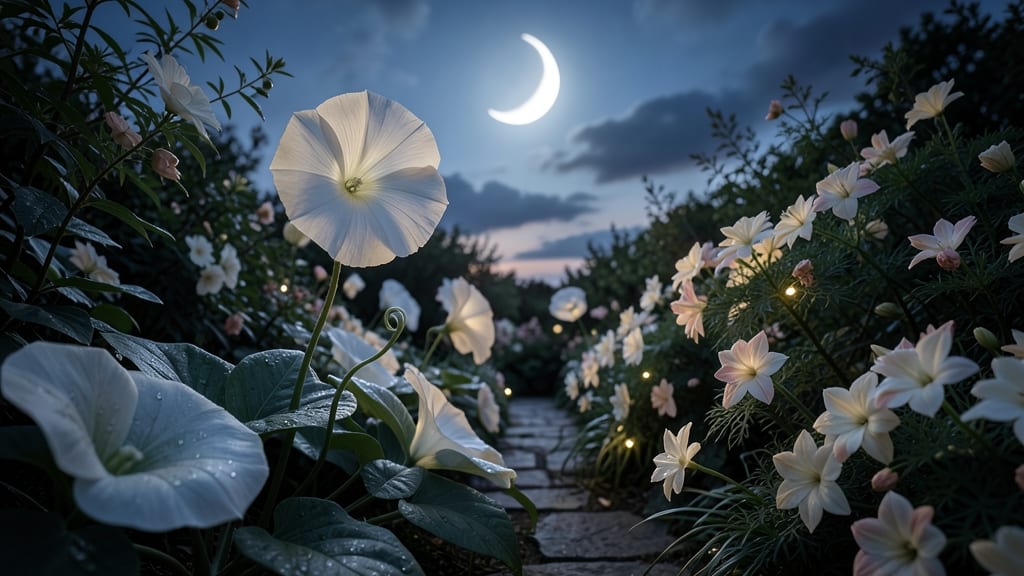
Transform your garden with these 10 contemporary flower bed ideas that blend bold textures, striking colors, and modern design principles. Perfect for urban spaces, suburban yards, or minimalist landscapes, these concepts redefine traditional gardening with artistic flair.
Monochromatic Geometric Flower Beds
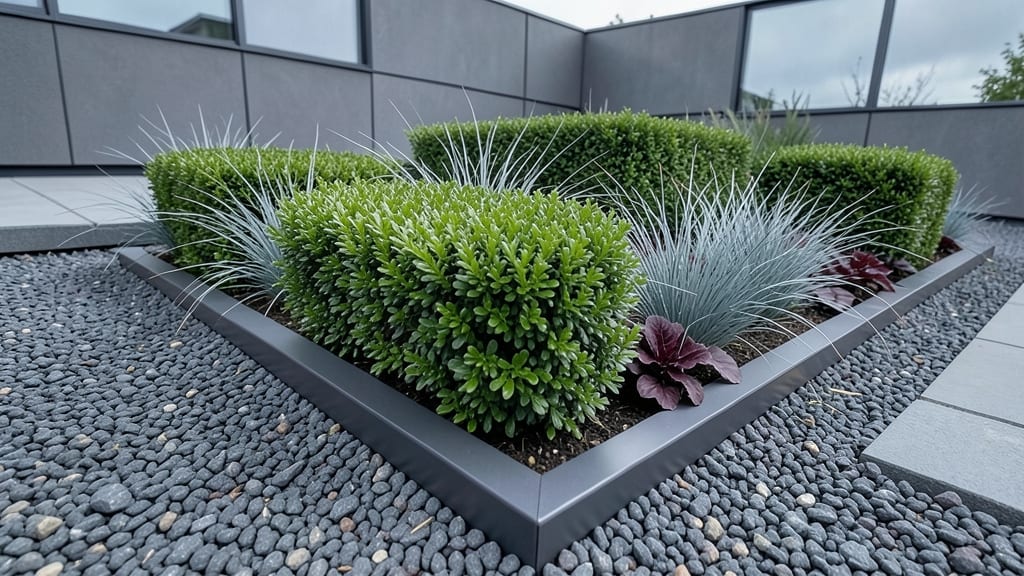
Tired of traditional rounded flower beds? Monochromatic geometric designs bring a fresh, architectural twist to your outdoor space with clean lines and bold color harmony.
Start by sketching your bed’s shape—think rectangles, triangles, or chevrons—and use metal edging or gravel borders to define the edges sharply. Stick to a single hue (try deep purple, sage green, or blush pink) with varying shades and textures for depth. Pair low-growing perennials like heucheras with upright salvias or echinaceas to create contrast while keeping the palette cohesive. For urban spaces, elevate the design with vertical planters or tiered stone layers.
This approach thrives in low-maintenance gardens and urban courtyards, offering a polished look that requires minimal upkeep. Perfect for minimalists or city dwellers craving a modern aesthetic without sacrificing nature’s beauty. 🌟
Mixed Height Grass and Flower Combos
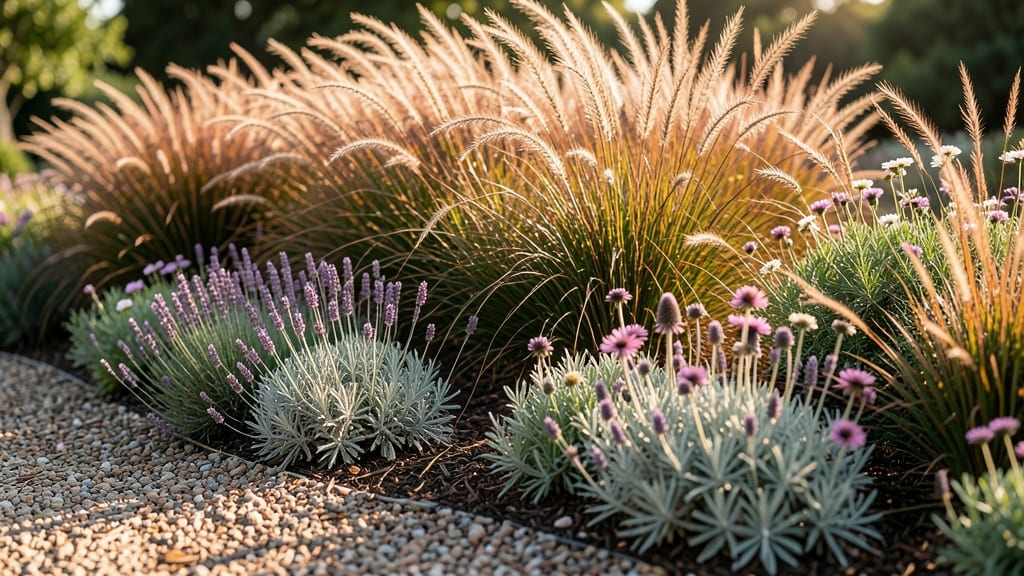
Tired of static flower beds that look the same all season? Mixed height grass and flower combos bring life to your garden with swaying movement and layered textures—no formal training required. This approach lets you play with heights (think 3-foot grasses paired with 6-inch perennials) while keeping the design organic yet intentional.
Start with drought-tolerant grasses like little bluestem or feather reed grass for vertical drama, then tuck in lavender, sedum, or heuchera at the base. The key is spacing: place grasses in odd-numbered clusters (3 or 5) for natural rhythm. For small spaces, use compact varieties like Miscanthus 'Malepartus'—it adds movement without sprawling. This combo thrives in full sun to partial shade and requires minimal pruning.
Perfect for urban gardeners or those with limited space, this design adds year-round interest—grasses provide winter structure while flowers bloom in spring and summer. 🌿
Bold Color Blocking Designs
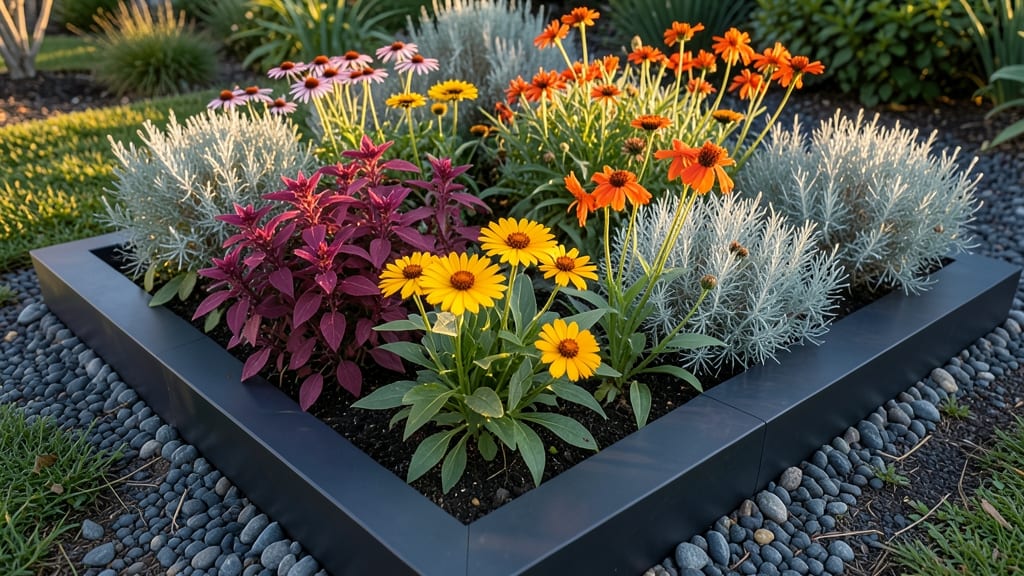
Want to turn your garden into a living work of art without the fuss? Bold color blocking lets you make a statement with clean, high-contrast plant groupings—think vibrant rectangles of red, yellow, or purple that pop against neutral backgrounds.
Start by defining your "canvas" with crisp edges using materials like metal edging, gravel, or concrete. Choose plants with similar heights but varying textures—like salvia (purple), zinnia (red), and cosmos (yellow)—for a cohesive look. For small spaces, limit to two or three colors in equal-sized blocks (e.g., 3x3 feet each) to avoid visual clutter.
This design thrives in sunny spots and works year-round with perennials or seasonal swaps. It’s perfect for urban gardeners, minimalist landscapes, or anyone who wants drama with low maintenance. ✨
Drought-Tolerant Succulent Terraces
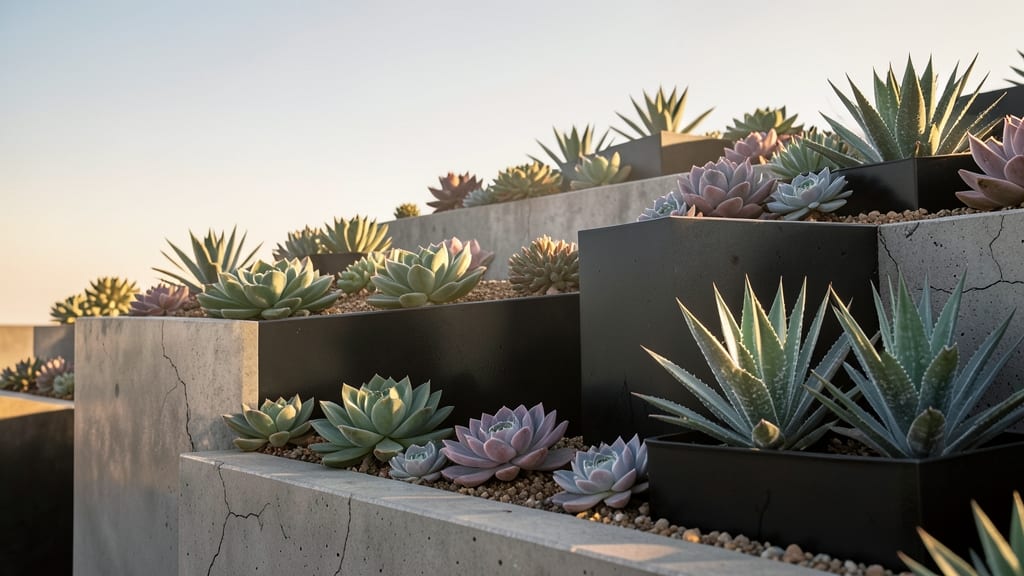
Skip the high-maintenance watering schedule—drought-tolerant succulent terraces bring modern style to even the driest climates. These layered designs use tiered planters or elevated beds to showcase echeveria, sedum, and agave, creating a sculptural yet natural look that thrives on neglect.
Start with a terracotta pot or stone border to define each layer, then arrange plants by height: tall agave in back, medium sedum in the middle, and low-growing echeveria up front. Water only when soil feels completely dry (about once every 2-3 weeks), and watch your garden stay lush with zero fuss. The key? Well-draining soil—mix equal parts cactus mix and coarse sand for perfect drainage.
This design is ideal for eco-conscious gardeners or anyone craving low-effort beauty. It’s perfect for rooftops, balconies, or arid backyards where water conservation matters most. 🌿
Asymmetrical Wildflower Meadows
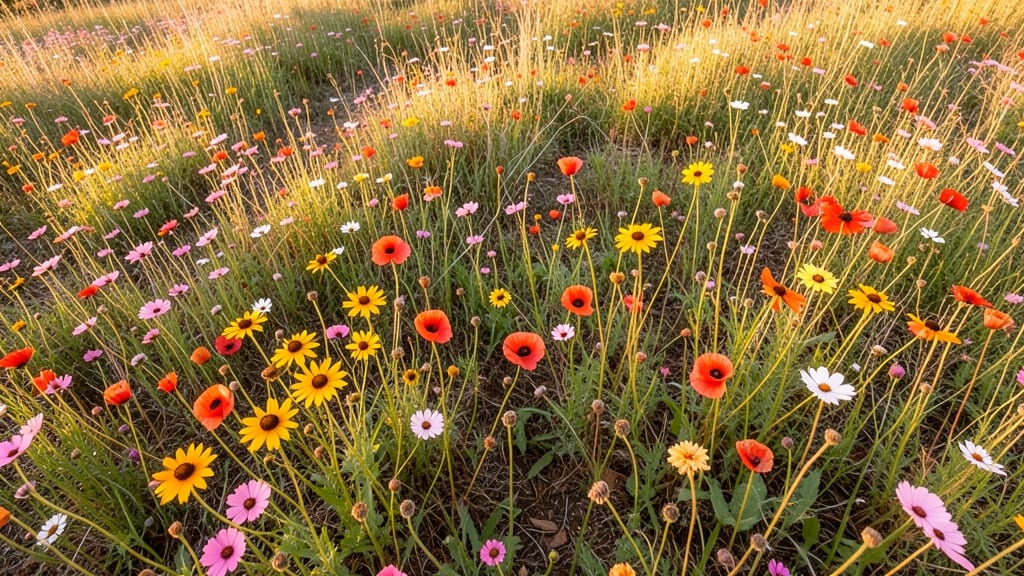
Skip the rigid symmetry—asymmetrical wildflower meadows bring effortless beauty to your garden by blending nature’s spontaneity with intentional design. This approach lets you mix native wildflowers like cosmos, black-eyed Susans, and poppies in loose, flowing clusters, creating a look that feels both wild and curated.
Start by selecting a mix of perennial and annual wildflowers to ensure year-round interest, and avoid mowing until late summer to allow seeds to disperse naturally. For a modern twist, edge your meadow with rustic materials like wooden logs or natural stone, and intersperse a few sculptural elements (like driftwood or metal art) to ground the design. This style thrives in full sun and requires minimal upkeep—just occasional weeding and watering during dry spells.
Perfect for gardeners who want to support local pollinators while embracing a low-stress, organic aesthetic, these meadows are ideal for larger spaces but can also work in smaller areas with strategic planting. Let your garden breathe with this relaxed yet striking design. 🌻
Urban Container Flower Towers
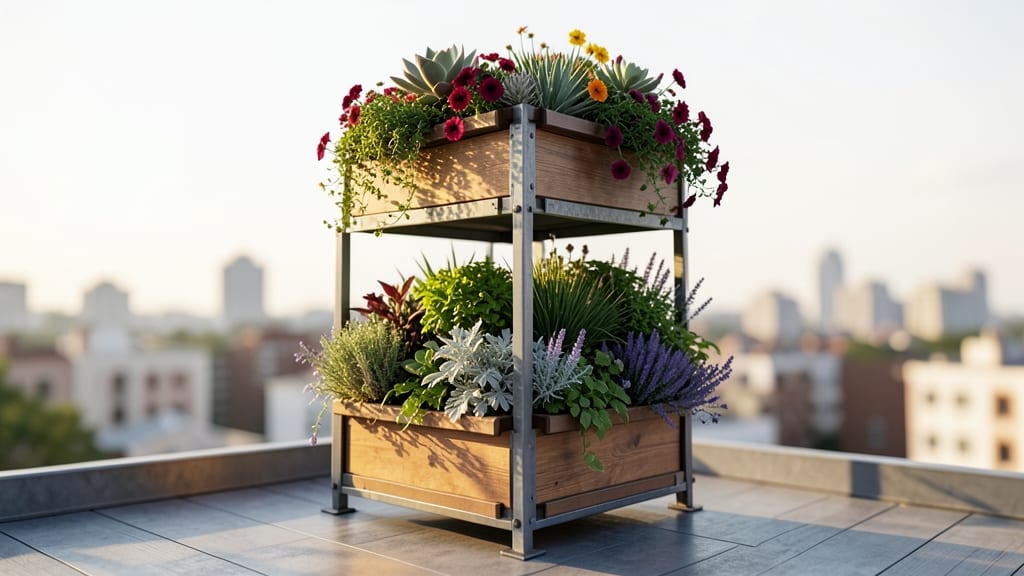
Turn your tiny balcony or rooftop into a lush vertical garden with urban container flower towers. These stacked planters create a dramatic focal point while maximizing space—ideal for city dwellers with limited ground area.
Start with a sturdy three-tiered metal or wooden tower (2-3 feet tall) and fill each level with trailing plants like petunias, ferns, or snapdragons. Choose lightweight soil mixes to avoid overburdening the structure, and ensure each tier has drainage holes. For a cohesive look, repeat the same planter style or mix materials like concrete and terracotta for texture contrast.
This design is perfect for renters, small-space gardeners, or anyone craving a low-maintenance yet high-impact solution. Plus, the cascading blooms draw the eye upward, making even the smallest space feel expansive. 🌻
Minimalist Concrete Planter Gardens
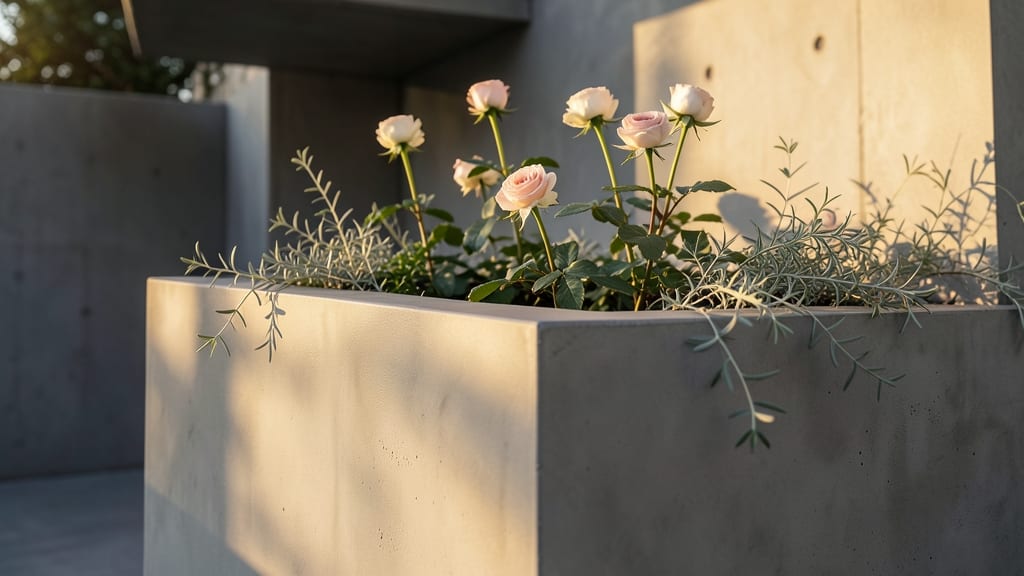
Transform your modern outdoor space with minimalist concrete planter gardens—where raw, industrial materials meet delicate blooms for a bold yet refined look. This design thrives on contrast, pairing sleek, polished concrete with soft flowers like single-stemmed roses or eucalyptus to create visual intrigue. The key is simplicity: fewer plants, but each chosen for its structure or texture to elevate the clean lines of the planters.
Start with rectangular or square concrete planters in neutral tones (gray, white, or black) to anchor the look. Place them on a uniform base like gravel or a matching concrete slab to emphasize the minimalist theme. For plants, opt for low-maintenance perennials like lavender, dusty miller, or ornamental grasses—their slender forms complement the geometric shapes beautifully. Position planters asymmetrically for a dynamic yet intentional arrangement.
This style is perfect for urban dwellers, contemporary homeowners, or anyone who loves low-fuss design with high impact. The durability of concrete also means your garden stays stylish year-round, requiring minimal upkeep. 💡
Seasonal Rotating Flower Displays
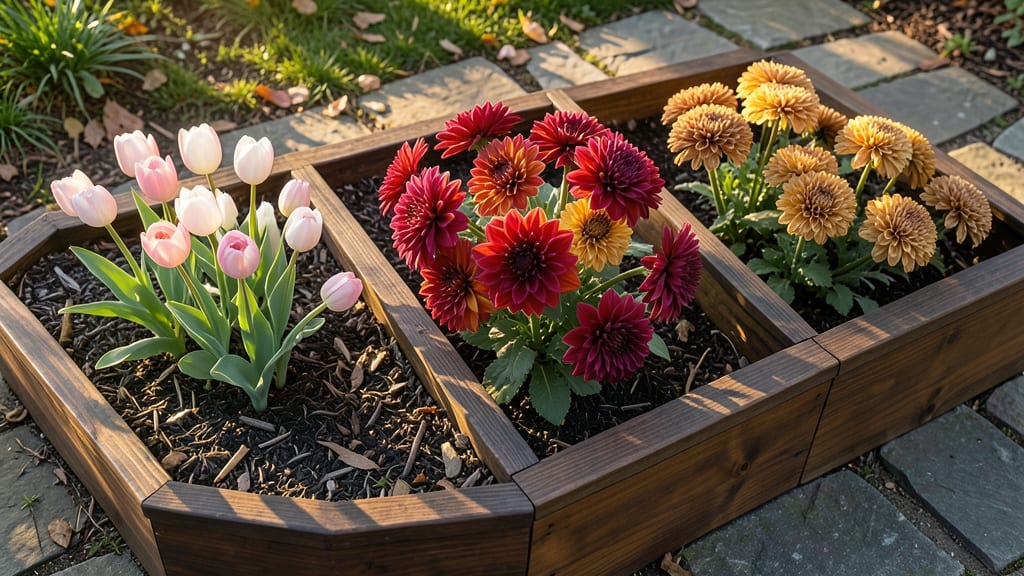
Tired of staring at the same garden all year? Seasonal rotating displays let you refresh your flower beds without starting from scratch. Swap out containers or modular sections every few months to showcase spring tulips, summer dahlias, and fall chrysanthemums—all in the same space. This approach keeps your garden feeling new while minimizing replanting work.
Start with lightweight, interchangeable planters (like fabric grow bags or wooden crates) that can be rearranged or replaced. Group plants by their peak bloom seasons—place early bloomers like pansies in spring containers, then swap them for heat-loving zinnias in summer. Use seasonal color palettes (soft pastels for spring, bold hues for summer) to create instant visual impact. For a cohesive look, stick to the same container style or edging material throughout.
This method is ideal for gardeners who crave variety but hate the hassle of replanting entire beds. It’s also perfect for renters or urban gardeners with limited space. With just a few swaps, you’ll enjoy a garden that evolves with the seasons—no extra effort required! ✨
Textured Foliage and Flower Contrasts
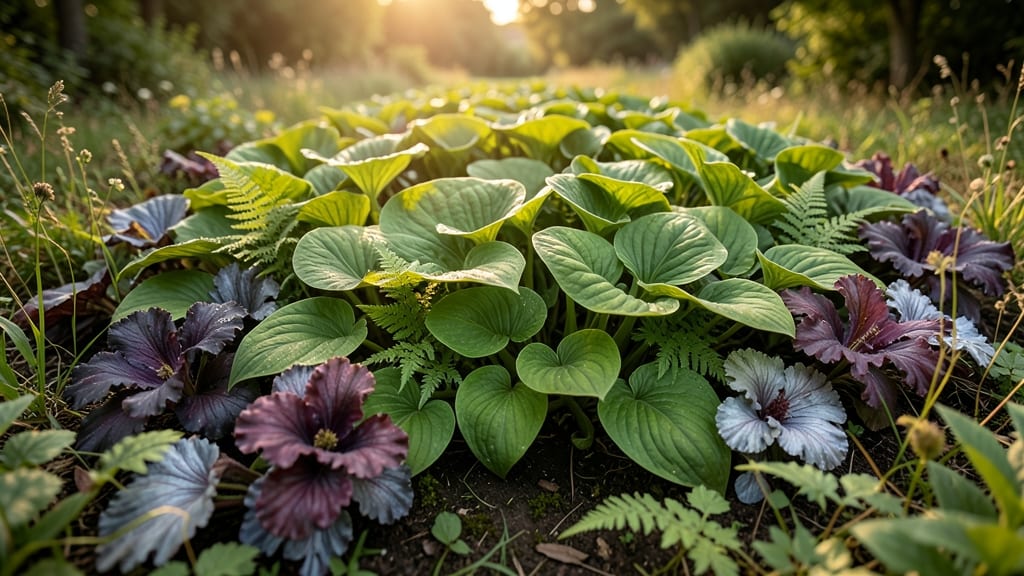
Want a flower bed that stays stunning even when blooms fade? Textured foliage like hostas, heucheras, and ferns creates a dynamic canvas that holds its own year-round. These plants offer velvety, ruffled, or waxy leaves in shades of purple, silver, and deep green—perfect for adding visual intrigue.
Pair them with bold blooms like astilbes or hydrangeas for contrast, or let the foliage shine alone in winter. For example, silver heucheras pair beautifully with deep purple hostas, while ferns add lacy texture. This combo works in partial shade to full sun, making it versatile for most gardens.
This approach is ideal for gardeners who love low-maintenance beauty with a modern twist—no seasonal replanting required! 🌿
Night-Blooming Moon Garden

Transform your evening garden into a twilight sanctuary with a night-blooming moon garden, where fragrant flowers like moonflower (Ipomoea alba) and night-blooming jasmine (Cestrum nocturnum) open their petals under the stars. This design isn’t just beautiful—it’s a sensory experience, filling the air with sweet, intoxicating scents after the sun sets.
Plant these moon-loving varieties in partial shade to full sun, ensuring they receive at least 4-6 hours of sunlight daily for optimal blooming. Pair them with silver foliage plants like lamb’s ear or dusty miller to enhance the luminous effect under moonlight. To create a magical ambiance, add subtle lighting with solar-powered path lights or string lights woven through climbing vines.
Perfect for gardeners who love romance and tranquility, this design thrives in humid climates but can also be adapted for containers in cooler regions. Your garden will become the talk of the neighborhood when guests discover its hidden nocturnal beauty. ✨