
Companion Plants
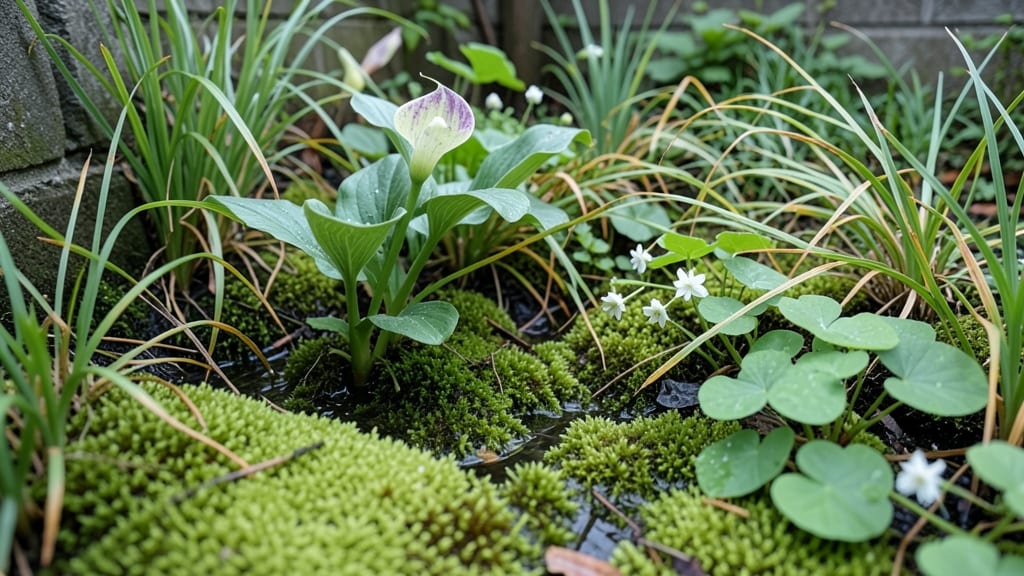
Boggy garden plants transform soggy soil into a lush, low-maintenance haven that multiplies itself every year. 🌿 I’ve turned my waterlogged corner into a thriving wetland garden where plants like cardinal flower and soft rush spread effortlessly, requiring almost no care beyond the rain.
The key isn’t fighting the water—it’s choosing plants that love it.
Most people assume boggy soil means dead zones, but the right plants turn it into a self-sustaining ecosystem. You’ll need moisture-loving natives like marsh marigold or non-natives such as water mint, all of which thrive with minimal prep—just amend the soil with compost and let nature do the rest.
These plants handle cold snaps down to 10°F without flinching, making them perfect for zones 3-8.
By summer, you’ll have a garden that’s vibrant green year-round, with blooms that attract pollinators and foliage so dense it crowds out weeds. The best part?
These plants spread naturally, filling in bare spots without you lifting a finger. Once established, they’ll outlast any dry-land garden with half the effort.
Works in rain gardens, pond edges, or even low spots in your yard—no fancy drainage needed. Here’s how to pick the perfect mix for your soggy patches and watch them take over (in the best way possible).
📚 In This Guide
- What you need
- Instructions
- Tips and common mistakes
- Wrapping up and next steps
What you need
- ● Cold-hardy bog plants: Choose from Carex (sedges), Iris pseudacorus (yellow flag), Mentha aquatica (water mint), Primula denticulata (bog primrose), or Ligularia dentata. Buy 3–5 plants per square foot for dense coverage.
- ● Peat moss or coconut coir: 2–3 bags (4–6 cubic feet total) to improve soil drainage and acidity.
- ● Compost or aged manure: 1–2 bags (2–3 cubic feet) for nutrient-rich soil.
- ● Perlite or sand: 1 small bag (5–10 lbs) to lighten heavy clay soil.
- ● Garden trowel or spade: For digging and transplanting.
- ● Garden fork: To loosen compacted soil.
- ● Wheelbarrow or bucket: For mixing soil amendments.
- ● Garden hose with spray nozzle: For gentle watering.
- ○ Gloves (optional but recommended): To protect hands from wet soil and sharp edges.
- ● Full-sun to partial-shade location: Most bog plants thrive in 4–6 hours of sunlight daily.
- ● Waterlogged or poorly draining soil: Test by digging a hole—if it fills with water in 6 hours, it’s perfect!
- ● pH range of 5.0–7.0: Bog plants prefer slightly acidic to neutral soil. Adjust with lime (to raise pH) or sulfur (to lower pH) if needed.
- ○ Mulch (optional): 2–3 inches of pine straw or wood chips to retain moisture and suppress weeds.
Step-by-step guide to designing a thriving bog garden
Here's how to create a lush, self-sustaining wetland oasis that thrives in cold climates.
🌱 Step 1: Select Cold-Hardy Bog Plants for Your Region
Start with native species that naturally multiply—like cattails, pickerelweed, soft rush, and swamp milkweed. These plants handle soggy soil, freezing temps, and still spread vigorously. Check your USDA hardiness zone to ensure your picks survive winter. I always choose 3-4 varieties to create visual interest while keeping maintenance low.
Look for plants with thick stems and leathery leaves—these traits signal good cold tolerance. Avoid delicate water lilies or tropical-looking plants; they won't survive frost. Your local nursery's "wetland" or "pond plant" section is the best place to find these hardy varieties.
🪴 Step 2: Prepare the Wetland Area for Planting
Choose a low-lying spot where water naturally pools after rain. Dig a shallow basin about 6-12 inches deep to create your bog garden—deeper for larger plants, shallower for ground covers. Line the bottom with 1-2 inches of coarse sand to improve drainage while keeping the area wet.
Fill the basin with a mix of 50% peat moss and 50% garden soil—this mimics natural wetland conditions. Press the mix down gently so it holds moisture but doesn't become compacted. The goal is soil that stays damp but never waterlogged, with air pockets for roots to breathe.
💧 Step 3: Plant with Natural Spacing for Spread
Space plants according to their mature size—12-18 inches apart for clumping plants like soft rush, and 2-3 feet apart for larger varieties like pickerelweed. Dig holes just deep enough to cover the root ball, then place each plant gently into position. The top of the root ball should sit 1 inch below soil level.
Water the area thoroughly after planting to settle the soil and remove air pockets. You'll see new growth within 2-3 weeks if conditions are right. Here's the thing—bog plants multiply naturally, so you won't need to replant often. Just let them do their thing!
☀️ Step 4: Maintain Water Levels and Seasonal Care
Keep the soil consistently moist but not soggy—1-2 inches of standing water during growing season is ideal. In winter, let the soil freeze naturally; cold-hardy plants handle frost beautifully. I add a thin layer of mulch in late fall to protect roots from extreme cold snaps.
Fertilize lightly in early spring with a balanced, slow-release fertilizer to encourage vigorous growth. Bog plants rarely need extra nutrients, but a little boost helps them spread faster. Watch for yellowing leaves—this usually means too much sun or poor drainage, not nutrient deficiency.
✂️ Step 5: Encourage Natural Spread and Control Growth
Let your bog plants multiply naturally by dividing clumps every 2-3 years. Simply dig up sections with roots and replant them around the edges of your wetland area. This keeps your garden full without overcrowding. I always divide in early spring when new growth appears.
Remove any weeds that pop up—bog plants are tough but can't compete with aggressive invaders. If a plant starts to die back, it's likely getting too much sun. Move it to a shadier spot within your wetland area. With proper care, your bog garden will thrive for years with minimal effort!
Tips & tricks for perfect bog garden planting
Here's what nobody tells you about creating a self-sustaining wetland garden that thrives year after year.
Plant Selection Wisdom: Focus on native plants like pickerelweed and swamp milkweed because they've already adapted to your local climate. I learned this the hard way—imported tropical plants may look pretty at first but will die back in your first winter. Check your USDA hardiness zone and stick with plants that naturally grow within it. For example, cattails thrive in zones 3-10, making them perfect for most North American gardens!
Soil Mix Secret: The 50/50 peat moss to garden soil ratio is crucial for creating the perfect wetland environment. Peat moss holds moisture while garden soil provides necessary nutrients. Here's a pro tip: Add a handful of compost to your soil mix for extra nutrients without compacting it. Press the mix gently but firmly—you want it damp, not soggy, with just enough air pockets for roots to breathe.
Water Level Management: Maintaining that 1-2 inch standing water level during growing season is easier than it sounds. I use a simple rain gauge inserted into the soil to monitor levels—when it drops below 1 inch, I add water. In winter, let the soil freeze naturally; this actually protects roots from extreme cold. For extra insulation, add a thin layer of mulch in late fall, but don't overdo it—you want roots to breathe!
Natural Spread Strategy: Let your bog plants do the work for you! When you see new growth appearing in early spring (usually within 2-3 weeks after planting), that's your signal to start dividing clumps every 2-3 years. The key is timing—divide when you first see those fresh green shoots pushing through. This keeps your garden full without overcrowding, and you'll have plenty of free plants to share with friends!
Pro Tips for Boggy Garden Plants
- Here's what nobody tells you about creating a self-sustaining wetland garden that thrives year after year.
- Plant Selection Wisdom: Focus on native plants like pickerelweed and swamp milkweed because they've already adapted to your local climate.
- Soil Mix Secret: The 50/50 peat moss to garden soil ratio is crucial for creating the perfect wetland environment.
Frequently asked questions
Got questions about boggy garden plants?
You’re not alone! Here are answers to the most common queries to help you thrive in wet soil—without the stress.
What are the best cold-hardy plants for boggy soil?
Top picks include Carex (sedges), Iris pseudacorus (yellow flag iris), Astilbe, and Gunnera manicata (giant rhubarb). These thrive in soggy conditions and handle frost like pros. Look for USDA zones 3–8 labels for your climate!
When is the best time to plant boggy garden plants?
Plant in early spring (after frost risk passes) or fall (6–8 weeks before first frost). Avoid summer heatwaves—roots need time to establish before winter. Pro tip: Soak roots in water for 1 hour before planting to reduce transplant shock!
What plants should I avoid in boggy soil?
Skip drought-lovers like lavender, rosemary, or succulents—they’ll rot in wet soil. Also avoid black walnut (juglone toxicity) and poplar (aggressive roots). Stick to natives or wet-tolerant species for harmony.
How do I improve drainage in a boggy garden?
Raise beds with gravel or sand (6–12 inches deep), or plant in containers with drainage holes. For natural solutions, add compost or leaf mold to boost soil structure. Warning: Never compact soil—it traps moisture!
Why are my bog plants dying despite the wet soil?
Check for root rot (mushy stems), pests (slugs/snails), or poor sunlight. Overwatering (even in bogs!) or compacted soil can suffocate roots. Amend with peat moss or perlite and ensure 4–6 hours of sun daily.
Wrapping up and next steps
Transforming a soggy garden into a thriving, low-maintenance paradise is easier than you think! 🌿 With cold-hardy boggy plants, you’ve got nature’s built-in multipliers—resilient, self-spreading stars that turn muddy patches into lush, vibrant spaces.
Whether you’re drawn to the bold foliage of Astilbe or the delicate charm of Meadow Rue, these plants prove that even the trickiest spots can become your garden’s highlight.
Ready to dive in? Start small—pick one or two plants to test your soggy soil, then watch your garden work for you. Happy planting! 🌱