
Plants
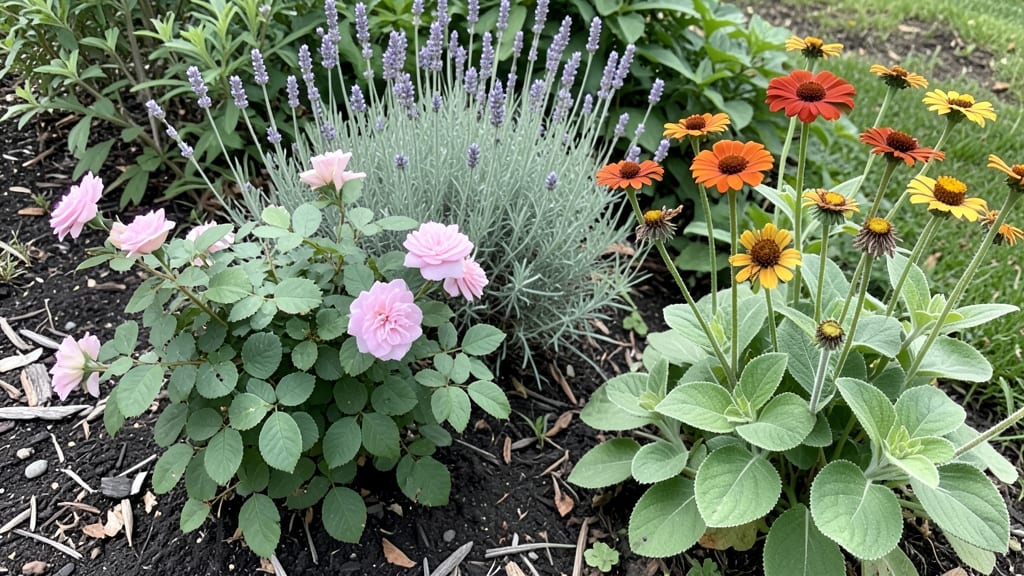
Backyard garden lovers can thrive with cold-hardy plants like mint, comfrey, and creeping thyme, which spread effortlessly through division, runners, or self-seeding while surviving harsh winters and low-maintenance conditions.
If you're a backyard garden lover, these hardy plants are game-changers—they not only survive freezing temperatures but multiply without constant effort. 🌱 The secret lies in their natural resilience: deep root systems store nutrients, while some even grow thicker stems to protect their cores from frost damage.
Unlike annuals that need replanting yearly, these perennials come back stronger each season, often spreading on their own through underground runners or seed dispersal. I’ve seen comfrey, for example, turn a small patch into a lush ground cover within a growing season, all while requiring minimal care.
What’s even better is how adaptable they are—most thrive in partial shade, making them perfect for under trees or along fences where other plants might struggle. These cold-hardy varieties also attract pollinators and beneficial insects, turning your garden into a self-sustaining ecosystem.
For instance, creeping thyme not only survives winter but also provides early spring blooms for bees, while mint’s aggressive spread can be harnessed to fill gaps or suppress weeds naturally.
💡 In This Article
- How Cold-Hardy Plants Survive Freezing Temperatures
- Easy Propagation Methods for Self-Spreading Plants
How cold-hardy plants survive freezing temperatures
Cold-hardy plants like mint and comfrey have evolved remarkable biological adaptations to endure freezing temperatures. Their secret weapon is perennial growth, where they store energy underground in roots and rhizomes during winter.
For example, comfrey can survive down to -20°F because its deep root systems (often reaching 3-5 feet) act like natural insulation chambers.
These roots contain high concentrations of sugars and starches that act as antifreeze, preventing cell damage when temperatures drop. 🌿 Unlike annuals that die back completely each winter, these perennials simply go dormant, conserving energy until spring.
The texture and structure of their stems also play a critical role. Plants like creeping thyme develop a woody base near the ground that acts as a protective barrier against frost penetration.
This woody tissue contains specialized cells that produce antifreeze proteins, similar to what fish do in icy waters. Additionally, many cold-hardy plants have silvery or fuzzy foliage, which reflects sunlight and reduces heat absorption, keeping the plant cooler in summer and warmer in winter.
Mint, for instance, has square stems with a waxy coating that minimizes water loss during cold snaps.
Drought resistance is another key adaptation that helps these plants survive winter conditions. Deep root systems not only store nutrients but also access moisture from lower soil layers, reducing stress during dry spells.
This is why comfrey thrives in poor soil—its roots can extract nutrients from compacted or rocky ground that other plants can't reach. The trade-off?
These deep roots make transplanting challenging, but once established, the plants become nearly self-sufficient. 💧 What most gardeners don't realize is that this drought tolerance actually enhances frost resistance—the plant's ability to regulate moisture prevents cellular damage from ice crystal formation.
Frost tolerance varies dramatically between species, even among cold-hardy plants. For example, creeping thyme (Zone 3-9) can handle temperatures down to -35°F when fully established, while mint (Zone 3-11) may suffer dieback in extreme cold unless protected.
The difference comes down to their native climates: thyme evolved in Mediterranean regions with cold winters, while mint originated in temperate zones with milder winters. This is why gardeners in Zone 5 or colder should choose thyme over mint for reliable winter survival.
Here's what actually happens when frost hits: Ice crystals form in the plant's extracellular spaces, but cold-hardy species have developed mechanisms to prevent these crystals from piercing cell walls. Some, like comfrey, produce glycoproteins that bind to ice crystals, slowing their growth.
Others, like creeping thyme, enter a state called cold acclimation, where they reduce water content in their cells to prevent freezing. This process is triggered by shorter daylight hours in autumn, making timing critical for their survival. 🌡️
Comparing these perennials to annuals reveals just how different their survival strategies are. Annuals like marigolds or basil focus all their energy on rapid growth and reproduction within a single season, leaving no reserves for winter.
Cold-hardy plants, however, invest in structural defenses—thick stems, deep roots, and chemical adaptations—that allow them to persist year after year. This is why a single planting of comfrey can provide harvests for decades with minimal maintenance, while annuals require constant replanting. The trade-off?
Perennials may take longer to establish but offer far greater long-term rewards for the backyard gardener.