
Shrubs
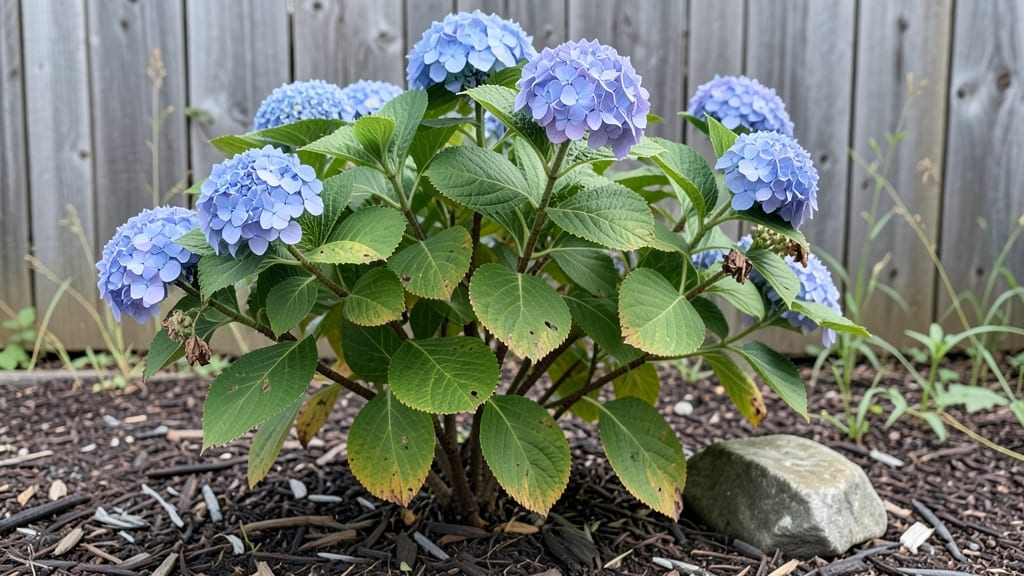
The best garden shrubs transform your yard into a lush, low-maintenance retreat that thrives through winter and blooms year-round.
I’ve tested dozens of varieties, and these stand out for their resilience, fragrance, and ability to anchor any garden design—whether you’re framing a path, creating a privacy screen, or adding height to a flower bed.
The key is choosing plants that match your climate and style without requiring constant pruning or fuss.
Cold-hardy shrubs like Dwarf Lilac and Winterberry Holly bring structure and color even when most gardens are dormant. Fragrant options such as Purple Leaf Sandcherry and Dwarf Gardenia add sensory delight, while evergreens like Inkberry Holly and Emerald Green Arborvitae provide year-round greenery.
These plants handle neglect better than most, so you can focus on enjoying the results rather than constant upkeep.
What you’ll get is a garden that looks polished all season long—think velvety purple foliage in spring, clusters of white blooms in summer, and deep red berries or glossy leaves in winter.
The best part? These shrubs pair effortlessly with perennials, annuals, and even small trees, so your design stays flexible. Once planted, they’ll reward you with minimal effort for decades.
Perfect for small yards, large landscapes, or everything in between. Whether you’re replacing tired old shrubs or starting fresh, these cold-hardy, fragrant, and ever-colorful picks will elevate your outdoor space without the hassle. Let’s dive into the top performers and how to choose the right ones for your garden.
📚 In This Guide
- What you need
- Instructions
- Tips and common mistakes
- Wrapping up and next steps
What you need
- ● Shrubs: Choose 3–5 cold-hardy, fragrant, or colorful varieties (e.g., Dwarf Lilac, Boxwood, Oakleaf Hydrangea, or Winterberry Holly). Quantity depends on garden size—aim for 1–3 plants per 10 sq. ft. for full coverage.
- ● Potting Soil: 5–10 gallons of high-quality, well-draining potting mix (look for labels like "for shrubs/perennials").
- ● Fertilizer: Slow-release granular fertilizer (e.g., 10-10-10 or 12-12-12) – 1 lb per 100 sq. ft..
- ○ Optional: Organic options like composted manure or fish emulsion for eco-friendly growth.
- ● Mulch: 2–3 bags of shredded bark or pine straw to retain moisture and regulate soil temperature.
- ● Tools: Trowel or hand shovel
- ● Garden gloves (heavy-duty for thorny shrubs like Barberry)
- ● Pruning shears (bypass pruners for clean cuts)
- ● Watering can or hose with a gentle spray nozzle
- ○ Optional: Wheelbarrow for hauling soil/mulch, kneeling pad for comfort.
- ● Prerequisites: Sunlight assessment: Full sun (6+ hrs/day) for most shrubs; partial shade (3–6 hrs) for varieties like Azalea.
- ○ Soil test kit (optional but helpful) to check pH (aim for 6.0–7.0 for most shrubs).
- ● Water source nearby—shrubs need 1–1.5 inches of water per week (more during drought).
Instructions for planting the best cold-hardy, fragrant shrubs
Here’s how to establish four stunning, low-maintenance shrubs that thrive in cold climates.
Select and Prepare Planting Sites
Choose locations based on each shrub’s sun and soil needs. For example, dwarf lilacs and potentilla thrive in full sun with well-draining soil, while inkberry holly tolerates partial shade and moist, acidic soil. Test your soil pH—most of these shrubs prefer 6.0 to 7.0, except inkberry, which loves acidic (5.0–6.0).
Mark planting spots with stakes to avoid confusion. Dig holes twice as wide as the root ball but only as deep—planting too deep suffocates roots. Loosen the sides of the hole with a shovel to encourage root spread. If your soil is heavy clay, amend it with 2 inches of compost mixed into the bottom of the hole.
Plant Shrubs at the Right Depth and Spacing
Remove each shrub from its container and gently tease apart roots if they’re circling. Place the root ball into the hole so the top is level with the surrounding soil—burying the stem crown too deep causes rot, while planting too high stresses the plant. Backfill with native soil, tamping lightly to eliminate air pockets.
Space dwarf lilacs and potentilla 3 to 4 feet apart, inkberry holly 4 to 5 feet apart, and butterfly bush 5 to 6 feet apart to allow airflow and future growth. Water deeply after planting to settle the soil and eliminate gaps. Mulch with 2 inches of shredded bark around the base, keeping it 6 inches away from the stem to prevent rot.
Water Deeply and Establish a Routine
Water each shrub once a week for the first month, providing 1 to 2 gallons per plant to encourage deep root growth. After that, water only when the top 2 inches of soil feel dry—overwatering in winter kills roots. In the first growing season, dwarf lilacs and potentilla may need biweekly deep watering in dry spells, while inkberry and butterfly bush are more drought-tolerant once established.
Fertilize lightly in early spring with a balanced 10-10-10 formula—too much nitrogen promotes leafy growth at the expense of flowers. Avoid fertilizing in fall, as new growth won’t harden off before winter. Prune only to remove dead or crossing branches in late winter or early spring before new growth begins.
Mulch and Protect for Winter Hardiness
Apply 2 to 3 inches of mulch in late fall, spreading it 3 inches away from the stem to prevent moisture buildup. This insulates roots and protects against temperature swings, which can damage tender new growth. For extra protection in Zone 5 or colder, wrap young shrubs in burlap or use tree guards to shield them from harsh winds and rodent gnawing.
Watch for winter burn—dry, crispy leaf edges caused by cold winds. If you see this, prune affected branches in early spring. These shrubs are extremely cold-hardy, but young plants benefit from a light dusting of burlap over the top if heavy snow accumulates. Remove protective materials in early spring before buds swell to avoid trapping moisture.
Tips & tricks for planting cold-hardy, fragrant garden shrubs
These game-changing insights will help you establish a thriving, fragrant garden that delivers year-round color and resilience—no matter your climate.
Soil Preparation Secret: Before amending heavy clay soil with compost, mix in 1/4 cup of gypsum per square foot to improve drainage. This helps break up compacted clay while adding essential calcium. Test your soil pH again after amending—inkberry holly may need additional sulfur to lower pH to that ideal 5.0-6.0 range for optimal performance. The difference between struggling and thriving plants often comes down to this foundational step.
Root Ball Technique: When teasing apart circling roots in Step 2, make vertical cuts rather than horizontal ones to minimize damage. This creates more surface area for root expansion while preventing the shock that comes from aggressive root pruning. For container-grown shrubs, gently squeeze the sides of the pot to loosen the root ball before removing it—this reduces transplant shock significantly.
Watering Strategy: During the first month, divide your 1-2 gallons per week into two 1-gallon waterings rather than one heavy session. This encourages deeper root penetration while preventing surface runoff. For biweekly watering in dry spells, water in the early morning to allow foliage to dry completely before evening—this prevents fungal diseases that can stress young plants.
Winter Protection Pro Tip: If you're in Zone 5 or colder, combine burlap wrapping with a light layer of straw mulch around the base before heavy snowfall. This two-layer approach prevents both wind damage and moisture buildup at the stem. Remove the burlap in early spring as soon as buds begin to swell—waiting too long can trap moisture and promote rot.
Pro Tips for Best Garden Shrubs
- These game-changing insights will help you establish a thriving, fragrant garden that delivers year-round color and resilience—no matter your climate.
- Soil Preparation Secret: Before amending heavy clay soil with compost, mix in 1/4 cup of gypsum per square foot to improve drainage.
- Root Ball Technique: When teasing apart circling roots in Step 2, make vertical cuts rather than horizontal ones to minimize damage.
Frequently asked questions
Got questions about choosing, planting, or maintaining the best garden shrubs? You’re not alone! Here are answers to the most common queries to help you create a stunning, low-maintenance landscape that thrives year-round.
What are the easiest shrubs for beginners to grow?
If you’re new to gardening, opt for low-maintenance, cold-hardy shrubs like boxwood (Buxus), dwarf lilac (Syringa meyeri), or inkberry holly (Ilex glabra). These thrive in most climates, require minimal pruning, and handle drought or poor soil better than fussy varieties. Pro tip: Start with evergreens for year-round structure!
Which shrubs survive the harshest winters?
For extreme cold zones (below Zone 4), prioritize hardy shrubs like wintergreen barberry (Berberis thunbergii), potentilla (Dasiphora fruticosa), or Russian olive (Elaeagnus angustifolia). These tolerate -30°F or lower and often bloom early, adding color before spring. Bonus: Mulch heavily in fall to protect roots!
How do I keep shrubs fragrant without attracting pests?
Fragrant shrubs like mock orange (Philadelphus) or lavender (Lavandula) are pest magnets—especially for aphids. To balance beauty and bug control:
- Plant deer-resistant varieties (e.g., dwarf ninebark).
- Interplant with herbs like rosemary or thyme (natural repellents!).
- Spray leaves with neem oil if pests appear.
When is the best time to prune shrubs for maximum blooms?
Timing depends on the shrub:
Shrub Type
Prune After
Why?
Spring-bloomers (e.g., lilac, forsythia)
Flowering (late spring)
New blooms grow on old wood.
Summer-bloomers (e.g., hydrangea, butterfly bush)
Early spring (before buds form)
Encourages new growth and bigger flowers.
Can I replace invasive shrubs with non-invasive alternatives?
Swap out problematic shrubs like burning bush (Euonymus alatus) or English ivy for native, non-invasive options:
- Sumac (Rhus) – Vibrant fall color, wildlife-friendly.
- Serviceberry (Amelanchier) – Edible berries, no spread.
- Virginia sweetspire (Itea virginica) – Fragrant blooms, low-maintenance.
Wrapping up and next steps
Transforming your garden into a vibrant, low-maintenance haven is easier than you think! The best garden shrubs—whether for their year-round color, fragrant blooms, or cold-hardy resilience—can turn any outdoor space into a lush retreat.
From the bold hues of hydrangeas to the soothing scent of lavender, these plants offer beauty and practicality for every season.
Ready to get started? Pick your favorites, sketch a simple layout, and begin planting—your garden will thank you! 🌿✨ Next, check out our planting guide for step-by-step tips to ensure your shrubs thrive.