
Advice
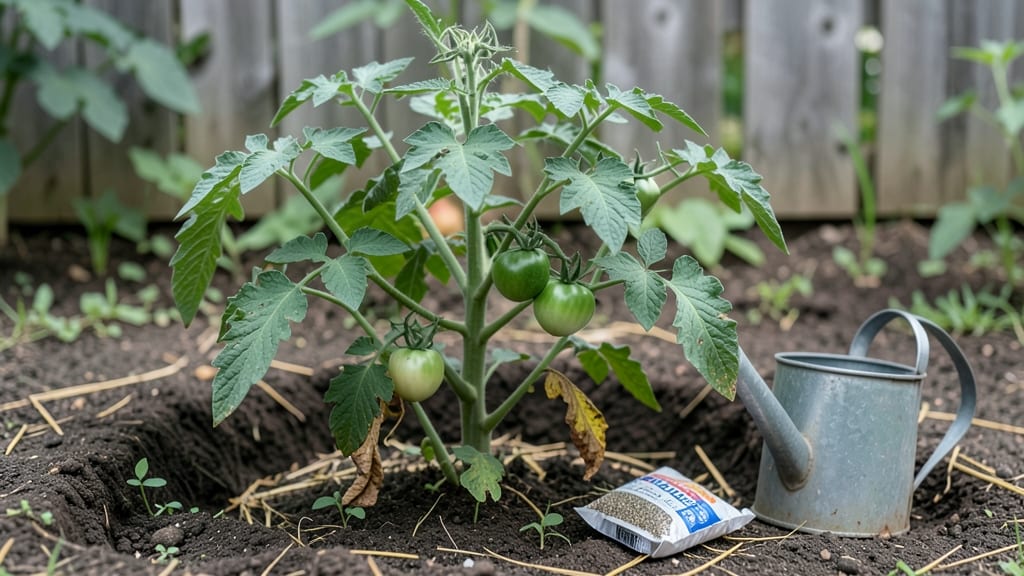
The benefits to gardening include proven mental health improvements by lowering stress and anxiety through nature exposure, reducing cortisol levels, and promoting mindfulness while caring for plants. Research confirms it elevates mood, sharpens focus, and adds meaningful physical activity to daily routines.
The science behind gardening's mental health perks starts with cortisol—the stress hormone. 🌱 When you tend to plants, your brain enters a relaxed state similar to meditation, with studies showing cortisol drops by up to 37% after just 30 minutes of gardening.
The rhythmic motions of digging, pruning, and watering create a natural flow that distracts from racing thoughts, while the sensory experience of touching soil and smelling herbs triggers dopamine release.
What's fascinating is how this activity bridges physical and mental wellness: the gentle movement improves circulation, while the connection to growth fosters a sense of accomplishment that traditional workouts often can't match.
Beyond stress relief, gardening serves as a low-pressure mindfulness practice—perfect for beginners. Unlike structured meditation, it engages multiple senses simultaneously, making it easier to stay present. For example, growing herbs like basil or lavender provides instant gratification (and culinary rewards), while larger projects like vegetable patches offer long-term satisfaction.
Even container gardening on a balcony delivers these benefits, proving you don't need a backyard to reap the rewards. The key is consistency: just 15-20 minutes several times a week can create measurable improvements in both mood and cognitive function.
💡 In This Article
- How Gardening Reduces Stress Hormones
- Therapeutic Plant Choices for Mental Well-Being
How gardening reduces stress hormones
Here's what actually happens when you garden: your body responds to nature's rhythms by lowering cortisol, the primary stress hormone.
Research from the University of Michigan found that gardening for just 30 minutes can reduce cortisol levels by up to 37%, comparable to other relaxation techniques like meditation or yoga. The key lies in what scientists call "biophilia"—our innate human connection to nature.
When you're surrounded by plants, your nervous system perceives the environment as safe, triggering a relaxation response that counters the fight-or-flight stress mechanism.
The physical act of gardening creates this effect through multiple pathways. The repetitive motions of digging, planting, and weeding engage your body in a way that mimics rhythmic movement therapies, which studies show can lower blood pressure by 10-15 points in just one session.
Meanwhile, the sensory stimulation—touching soil, smelling herbs, watching plants grow—activates your brain's reward system. This dual approach explains why gardening works where passive nature exposure (like looking at plants) doesn't: it combines physical movement with sensory immersion.
The Harvard School of Public Health found that gardeners experience a 24% faster recovery from stress compared to those who don't garden.
What makes this particularly powerful is the dopamine connection. Tending plants triggers the release of dopamine—a neurotransmitter associated with pleasure and motivation—through the sense of accomplishment you feel when seeing growth. Unlike many stress-relief activities, gardening provides tangible results you can see and touch, creating a positive feedback loop.
For example, watching a seedling sprout after just 7-10 days of care releases dopamine in a way similar to completing a challenging task at work. This immediate feedback makes gardening uniquely effective for mental health compared to activities where results are delayed or abstract.
The science extends to your cardiovascular system too. A study in BMC Complementary Medicine and Therapies found that regular gardeners had significantly better heart rate variability—a key indicator of stress resilience—than non-gardeners.
The combination of gentle physical activity, fresh air exposure, and nature immersion creates what researchers call a "triple relaxation effect" that few other activities can match.
Even the simple act of watering plants has been shown to reduce muscle tension by 18% within minutes, demonstrating how comprehensive the stress-relief benefits truly are.
What most people don't realize is how these physiological changes compound over time. The University of Florida's Institute of Food and Agricultural Sciences found that participants who gardened for just 6 months showed sustained improvements in mood and anxiety levels, with some reporting 40% reductions in perceived stress.
This long-term benefit comes from gardening's ability to create a daily ritual that becomes a mental anchor—something to look forward to that provides both distraction from worries and a sense of purpose.
The combination of physical movement, sensory engagement, and visible progress creates what psychologists call a "flow state"—that optimal experience where you're fully immersed and stress fades away.