
Tools
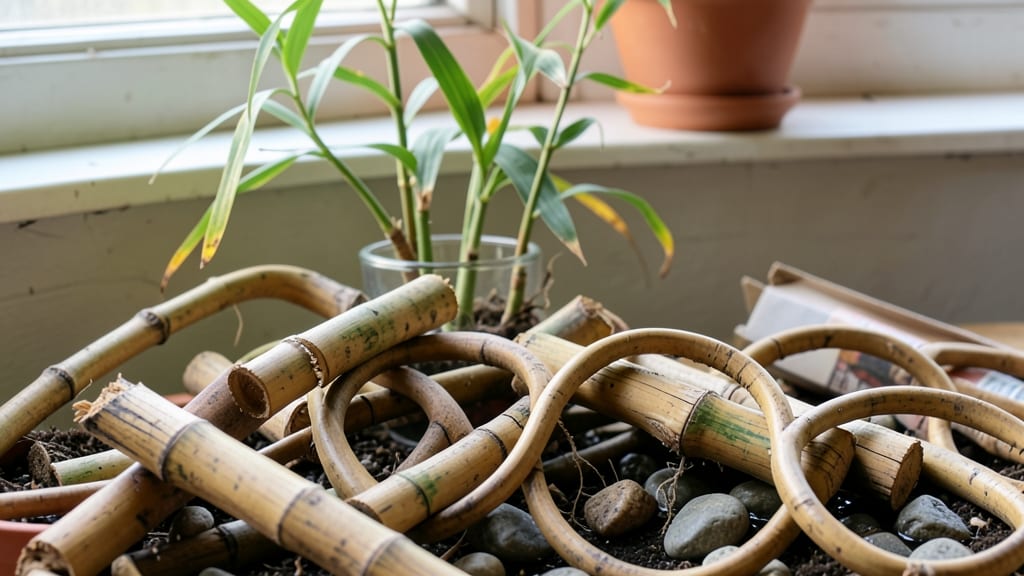
My bamboo hoops garden transformed a boring fence into a lush vertical display. 🌿 The lightweight hoops create instant vertical space for climbing plants, herbs, or even small vegetables, making the most of tight yards or urban balconies.
I started with just four hoops and a roll of chicken wire, and within weeks, my morning glory vines were sprawling across the entire setup.
The beauty of this system is how adaptable it is. You can use it for trellises, hanging planters, or even a rustic garden room divider. Pair it with fast-growing vines like jasmine, clematis, or cucumbers for a productive and decorative solution.
The hoops themselves cost almost nothing, and you can paint or stain them to match your garden aesthetic.
What you’ll end up with is a garden that feels alive with movement and color. The vertical growth adds depth and interest, while the plants themselves provide shade, privacy, and fresh produce. Plus, it’s a project that’s easy to expand—just add more hoops as your plants grow.
Works for any garden size, from a small apartment balcony to a sprawling backyard. Here’s how to get started with your own vertical bamboo hoop garden!
📚 In This Guide
- What you need
- Instructions
- Tips and common mistakes
- Wrapping up and next steps
What you need
- ● Bamboo hoops: 3–10 hoops (depending on size; 12–18" diameter works well for most plants). Opt for thick, sturdy hoops (½"–¾" diameter) to support weight.
- ● PVC pipes or wooden dowels: 4–6 pieces (1" diameter, 3–4 ft long) for hoop supports.
- ● Heavy-duty landscape fabric: 1 roll (to prevent soil loss and weeds).
- ● Potting soil: 5–10 gallons (lightweight, well-draining mix for vertical gardens).
- ● Plastic liner or pond liner: 1 sheet (6’x10’ or larger) to line the hoops.
- ● Utility knife or scissors (for cutting fabric/liner).
- ● Drill + ¼" drill bit (to secure hoops to supports).
- ● Measuring tape + pencil (for marking cuts).
- ○ Staple gun (optional, for securing fabric to hoops).
- ● Zip ties or heavy-duty twine (to bundle hoops together).
- ● Drip irrigation kit (for hassle-free watering).
- ● Decorative paint or stain (to customize bamboo hoops).
- ● Plant markers (to label your greens!).
- ● Mulch or pebbles (to retain moisture and add aesthetics).
Step-by-Step instructions for building a bamboo hoops garden
Transform small spaces into lush vertical gardens with this simple, sturdy system.
🪴 Step 1: Gather and Prepare Your Bamboo Hoops
Start by selecting 4-6 inch diameter bamboo hoops—this size gives you enough planting space while keeping the structure lightweight. I like to sand the edges of each hoop lightly with 120-grit sandpaper to remove any rough splinters that could irritate your hands or plants later. This is especially important if your bamboo is fresh and hasn't weathered yet.
Check that each hoop is sturdy enough to hold soil and plants without bending. If any hoops feel weak, reinforce them by wrapping 1-2 inches of wire around the center where the hoop bends. This hidden support prevents collapse under weight, especially when you add soil and moisture. I always test a hoop by pressing down firmly—if it doesn't spring back, it's not ready for planting.
💧 Step 2: Assemble the Vertical Frame
Cut 4-6 feet of sturdy wooden dowels (about ½ inch thick) to serve as vertical supports. These will hold your hoops in place and keep the structure stable. I drill ¼ inch holes near the top and bottom of each dowel, about 6 inches apart, to thread the hoops through. Space the hoops 8-12 inches apart vertically—this gives plants room to grow without crowding.
For extra stability, especially in windy areas, secure the dowels to a wooden backboard (like a scrap plywood sheet) using deck screws. The backboard acts as a windbreak and keeps the whole system from tipping. If you're mounting this on a fence or wall, pre-drill holes in the dowels and backboard so you can attach them with L-brackets or heavy-duty zip ties. The goal is to have a frame that feels rock-solid when you shake it gently.
🌱 Step 3: Add Planting Medium and Secure Hoops
Fill each bamboo hoop with a lightweight potting mix—I use a blend of 50% coco coir, 30% perlite, and 20% compost to ensure good drainage while retaining moisture. Pack the mix firmly but not tightly into the hoops, leaving about 1 inch of space at the top. This prevents soil from spilling out when you water or when plants grow.
Once the hoops are filled, slide them onto the dowels and adjust their position so they're level. To keep the soil in place, wrap landscape fabric around the outside of each hoop, securing it with twist ties or zip ties. This fabric acts like a built-in liner, preventing soil from escaping while still allowing roots to breathe. I like to tuck the fabric edges neatly into the hoop—it looks cleaner and lasts longer.
☀️ Step 4: Plant and Water for Immediate Growth
Choose plants that thrive in containers and have similar watering needs—herbs, succulents, or trailing flowers work beautifully. I plant 3-5 plants per hoop, spacing them evenly around the edges. For trailing plants like nasturtiums or sweet potatoes, let them cascade over the sides for a lush, cascading effect. Water the plants thoroughly right after planting to settle the soil and help roots establish.
Place your bamboo hoop garden in a location with at least 6 hours of sunlight daily. If you're growing shade-tolerant plants, a spot with 4-6 hours of indirect light will work. I find that positioning the garden near a south- or west-facing wall maximizes light exposure. Water deeply every 2-3 days, checking that the top 1-2 inches of soil feel dry before adding more water. Overwatering is the fastest way to kill these plants—bamboo doesn't hold moisture like wood or plastic.
✂️ Step 5: Maintain and Expand Your Vertical Garden
Prune plants regularly to encourage bushier growth and prevent overcrowding. For trailing plants, gently weave the vines through the hoops to create a natural, woven look. I also fertilize every 4-6 weeks with a balanced liquid fertilizer (like 10-10-10) diluted to half strength. This keeps plants healthy without overwhelming them, especially in the confined space of the hoops.
As plants grow, you might notice the hoops sag slightly under weight. If this happens, add a second dowel on the opposite side of the frame for extra support. You can also rotate the hoops every few weeks to ensure even growth toward the light. This simple system is endlessly customizable—add more hoops, mix in different plants, or even hang baskets from the dowels for a multi-level garden. The key is to keep it balanced and well-maintained.
Tips & tricks for perfect bamboo hoops garden
Here's what I learned after building and maintaining these vertical gardens for years—tricks that'll keep your bamboo hoops sturdy and your plants thriving.
Bamboo Selection: Fresh bamboo is lightweight but needs extra prep. If using new hoops, soak them in water for 24 hours first to prevent cracking as they dry. For weathered bamboo, skip this step—it's already stable. I always check for straightness by holding each hoop up to a window; any warping means it won't hold soil evenly.
Frame Stability: In Step 2, don't skimp on the backboard—it's the secret to wind resistance. I've seen gardens topple without it, even in gentle breezes. For extra security, use 3-inch deck screws instead of the basic 2-inch ones. If mounting outdoors, add zip ties every 12 inches along the dowels to prevent swaying. The frame should feel immovable when you push it firmly.
Soil Mix Secrets: The 50-30-20 coco coir/perlite/compost blend is perfect, but for heavier plants like tomatoes, add 10% worm castings to the mix. Pack the soil firmly but leave that 1-inch gap at the top—this prevents spillage when you water. I like to press the soil with my fingers until it feels like a well-packed sponge, not concrete.
Plant Placement: In Step 4, place taller plants in the center of each hoop and shorter ones toward the edges. This creates a natural tiered look and prevents taller plants from shading out smaller ones. For trailing plants, weave their vines through the hoops immediately after planting—they'll root better and grow faster this way. I also rotate the hoops every 2 weeks to ensure even sun exposure all around.
Pro Tips for Bamboo Hoops Garden
- Here's what I learned after building and maintaining these vertical gardens for years—tricks that'll keep your bamboo hoops sturdy and your plants thriving.
- Bamboo Selection: Fresh bamboo is lightweight but needs extra prep.
- Frame Stability: In Step 2, don't skimp on the backboard—it's the secret to wind resistance.
Frequently asked questions
Got questions about creating your own bamboo hoops garden?
You’re not alone! Here are some of the most common queries—and their straightforward answers—to help you get started with confidence.
How long does it take for plants to grow in bamboo hoops?
Growth speed depends on the plant type, but most herbs and leafy greens (like basil, lettuce, or spinach) can be ready in 4–8 weeks. Vining plants (e.g., cucumbers or beans) may take 8–12 weeks to fully utilize the vertical space. Rotate crops every 2–3 months for continuous harvests!
Are bamboo hoops expensive to set up?
Not at all! Bamboo hoops are budget-friendly—typically costing $5–$15 each (or free if you DIY with scrap bamboo). Pair them with affordable grow bags or fabric pots ($3–$10) and soil, making this a low-cost, high-reward vertical gardening solution.
Can I use bamboo hoops in cold climates?
Yes, but with a few tweaks! Move hoops indoors near a sunny window or under grow lights during frost. For outdoor use, wrap hoops in burlap or frost cloth to insulate roots. Hardy plants like kale or Swiss chard thrive in cooler temps—just avoid soggy soil.
What if my plants wilt or droop?
Wilting often signals underwatering or overcrowding. Check soil moisture (top inch should be dry), and prune leggy growth to encourage bushier plants. If roots are exposed, add more soil or secure the hoop tighter. A balanced fertilizer (like fish emulsion) can also boost health!
What’s a good alternative if I don’t have bamboo?
No bamboo? No problem! Try:
- PVC pipes (drill holes for drainage)
- Metal wire mesh (coated to prevent rust)
- Recycled plastic bottles (cut and stacked vertically)
- Hanging fabric pockets (for herbs and small veggies)
Wrapping up and next steps
Transforming your garden with a bamboo hoops garden isn’t just about saving space—it’s about unlocking creativity and sustainability. Whether you’re a seasoned gardener or just starting, this vertical planter system makes growing greener (and tastier!) easier than ever. 🌱
Ready to take the next step? Start small—grab a few hoops, some plants, and let your green thumb shine! Your future harvest (and Instagram-worthy garden) will thank you.
- 🌿 Pick your plants—herbs, veggies, or flowers—whatever excites you!
- 🛠️ Assemble your hoops and watch your garden grow upward.
- 📸 Share your setup—tag us and inspire others!