
Tools
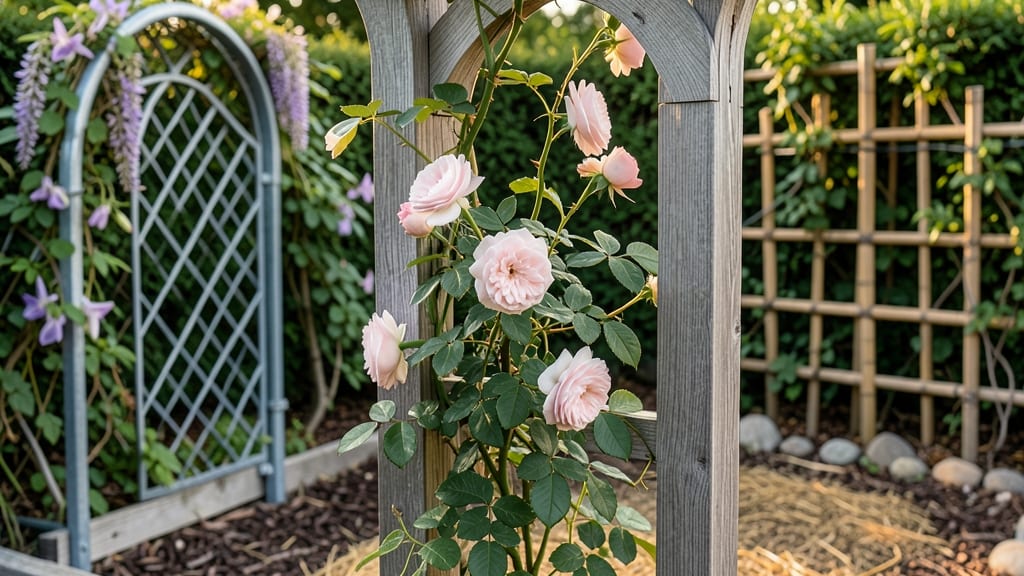
Creative garden bed trellis ideas can turn a flat, underutilized space into a vertical garden paradise 🌿—think lush vines, cascading flowers, and easy harvests without sacrificing square footage.
Picture this: your smallest corner now holds a thriving clematis vine reaching 12 feet high, or a teepee trellis bursting with pole beans that stay off the ground and out of the way.
The right trellis isn’t just functional—it’s the backbone of a neat, high-yield garden that works with your space, not against it.
Whether you’re working with wood, metal, or bamboo, each material brings its own style and durability to the table. Need something sturdy for heavy cucumbers? A grid trellis does the trick. Prefer a rustic look for roses?
A simple wooden arbor ties everything together beautifully. Below, I’ll walk you through 10 space-saving designs, from DIY-friendly options to pre-made structures, so you can pick what fits your garden’s personality and your plants’ needs.
Ready to reclaim your garden’s vertical real estate? You’ll leave here knowing exactly which trellis matches your climbers, how to install it like a pro, and how to keep everything looking (and growing) its best all season long.
10 Space-saving trellis designs for vertical gardening in small beds
Small gardens don’t mean small harvests! With the right trellis designs, you can turn limited space into a vertical paradise. These space-saving structures support everything from delicate morning glories to heavy cucumber vines, while keeping your garden organized and productive.
Whether you’re working with a narrow bed or a balcony container, there’s a trellis style perfect for your needs.
Choosing the right trellis depends on your plant types, space constraints, and material preferences. Lightweight bamboo teepees work beautifully for annuals, while sturdy metal obelisks handle the weight of fruiting plants like pole beans.
The key is matching the trellis to your climber’s growth habit—whether it’s twining, self-clinging, or needing gentle guidance.
DIY-friendly materials like PVC pipes, wooden slats, or even repurposed chicken wire make trellises accessible for any budget. For a polished look, consider powder-coated metal or cedar lattice panels, which resist rot and weather beautifully. Installation is simpler than you think—most trellises can be assembled in under an hour with basic tools like a drill, staples, or even strong twine.
| Trellis Type | Best For | Materials | Height Range | Installation Tips |
|---|---|---|---|---|
| A-Frame Trellis | Cucumbers, peas, beans | Wood, PVC, metal | 4–6 ft | Stake into ground at 45° angle |
| Teepee Trellis | Pole beans, morning glories | Bamboo, wooden stakes | 5–8 ft | Secure stakes in a cone shape |
| Obelisk Trellis | Clematis, roses, grapes | Metal, PVC, wood | 6–10 ft | Anchor with ground stakes or weights |
| Spiral Trellis | Cucumbers, squash, melons | PVC, wooden slats | 5–7 ft | Wind wire or twine in a spiral |
| Grid Trellis | Tomatoes, eggplants, peppers | Wood, metal mesh | 3–5 ft | Attach to fences or walls |
| Arbor Trellis | Roses, wisteria, clematis | Wood, metal | 6–12 ft | Install near walls or pergolas |
| Cage Trellis | Tomatoes, peppers, herbs | Wire, plastic | 2–4 ft | Place directly over plants |
| Wall Trellis | Ivy, jasmine, climbing roses | Wood, metal brackets | 4–10 ft | Mount on exterior walls |
| Hanging Trellis | Strawberries, herbs, lettuce | Fabric, wire | 1–3 ft | Suspend from pergolas or hooks |
| Fan Trellis | Cucumbers, squash, beans | Wood, PVC | 4–6 ft | Attach to fences or walls |
For small beds, prioritize trellises that maximize upward growth without crowding. The A-frame trellis is ideal for cucumbers or pole beans, offering sturdy support while keeping the base open for other plants.
If you’re growing delicate flowers like morning glories, a bamboo teepee adds a whimsical touch while guiding vines upward naturally.
When selecting materials, consider durability and aesthetics. Powder-coated metal trellises resist rust and last for years, while cedar wood adds a rustic charm that blends
How to select the best trellis for your climbing plants (vines vs. heavy fruits)
Not all trellises are created equal—especially when you’re growing lightweight vines like clematis versus heavy fruiting plants such as cucumbers or pole beans. The wrong support can lead to sagging, breakage, or even plant stress.
Let’s break down the key differences in weight-bearing capacity, spacing requirements, and ideal trellis heights to keep your climbers thriving.
For delicate vines like morning glories or clematis, a lightweight lattice or obelisk works perfectly. These plants need gentle guidance and won’t overpower a flimsy structure. On the other hand, heavy fruits like squash or cucumbers demand sturdy metal or wooden frames to handle their weight without bending or collapsing.
Spacing is another critical factor. Vines with small leaves (e.g., sweet peas) can thrive in tight trellis grids, while broad-leaved plants (e.g., pumpkins) need wider spacing to prevent leaf overlap and disease. Always leave 12–18 inches of space between plants on the trellis for airflow and sunlight penetration.
- Lightweight materials (bamboo, plastic)
- Easy to install and move
- Budget-friendly options
- May not support heavy fruits
- Less durable in wind/storms
- Requires frequent pruning
- Heavy-duty materials (metal, thick wood)
- Supports fruit weight without sagging
- Long-lasting and weather-resistant
- Heavier and harder to install
- More expensive upfront
- May require anchoring for wind
When it comes to trellis height, aim for 4–6 feet for most vines, but heavy fruiting plants often need 6–10 feet to prevent stems from snapping under the weight of cucumbers or squash.
For example, pole beans can reach 6–8 feet and need a sturdy A-frame trellis, while clematis (which can climb 10–20 feet) benefits from a tall obelisk or spiral trellis.
Always secure your trellis to the ground or fence with stakes or ties, especially in windy areas. For heavy fruiting plants, consider adding horizontal slats every 12–18 inches to distribute weight evenly. This prevents the trellis from bowing under the load of ripe cucumbers or pumpkins.
Finally, prune regularly to encourage even growth and reduce strain on the trellis. For vines like morning glories, trim back overgrown stems to maintain airflow, while fruiting plants may need support ties to keep vines upright as they mature.
With the right trellis, your climbers will thrive—saving space and boosting yields in your garden bed.