
Landscaping
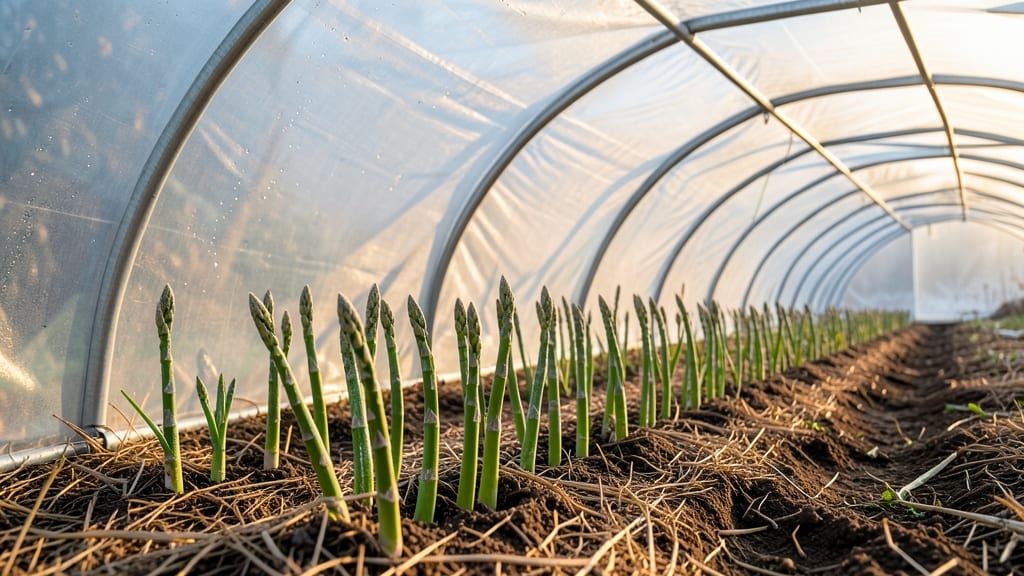
Want to grow asparagus with minimal effort while maximizing harvests? These 10 creative asparagus bed designs eliminate common gardening headaches—from soil prep to pest control—so you can enjoy fresh spears year after year without the work.
Raised Bed Asparagus with Straw Mulch
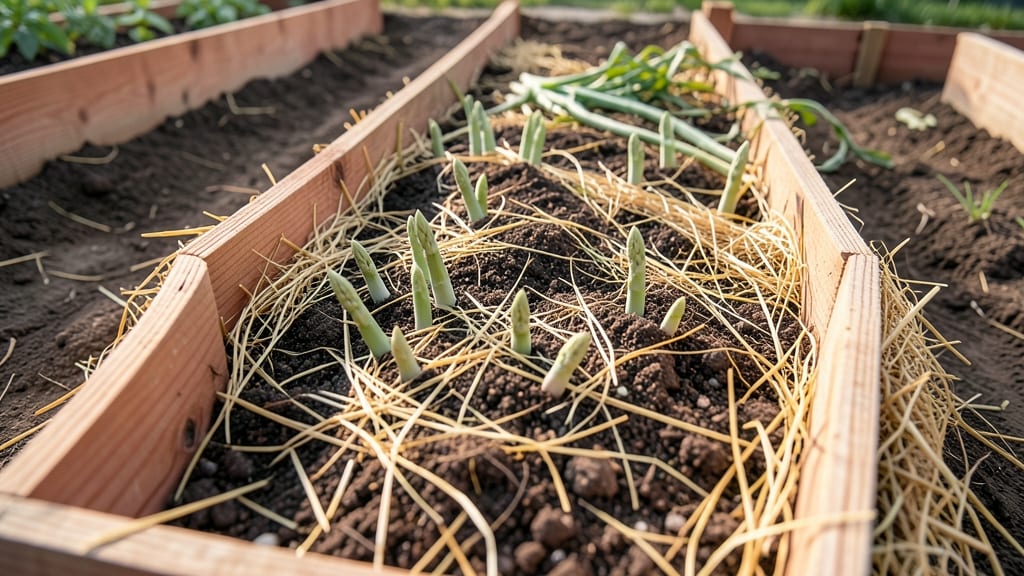
If your garden struggles with heavy clay soil or limited space, a raised bed asparagus patch with straw mulch could be your game-changer. This setup gives asparagus crowns the perfect environment to thrive—warm soil, excellent drainage, and fewer weeds—while keeping maintenance simple.
Start by filling your raised bed with a mix of compost, peat moss, and native soil to create loose, fertile conditions. Plant asparagus crowns 12-18 inches apart in early spring, then cover the soil surface with 3-4 inches of straw mulch. This mulch layer locks in moisture, blocks weeds, and insulates roots during cold snaps. For best results, replenish the mulch annually in late winter before new growth appears.
This method is especially great for urban gardeners or those with compact yards, as raised beds let you grow asparagus even in tight corners. The straw mulch also makes harvesting easier—just pull back the mulch to reveal fresh spears without disturbing the soil. 🌱
Keyhole Garden Asparagus Patch
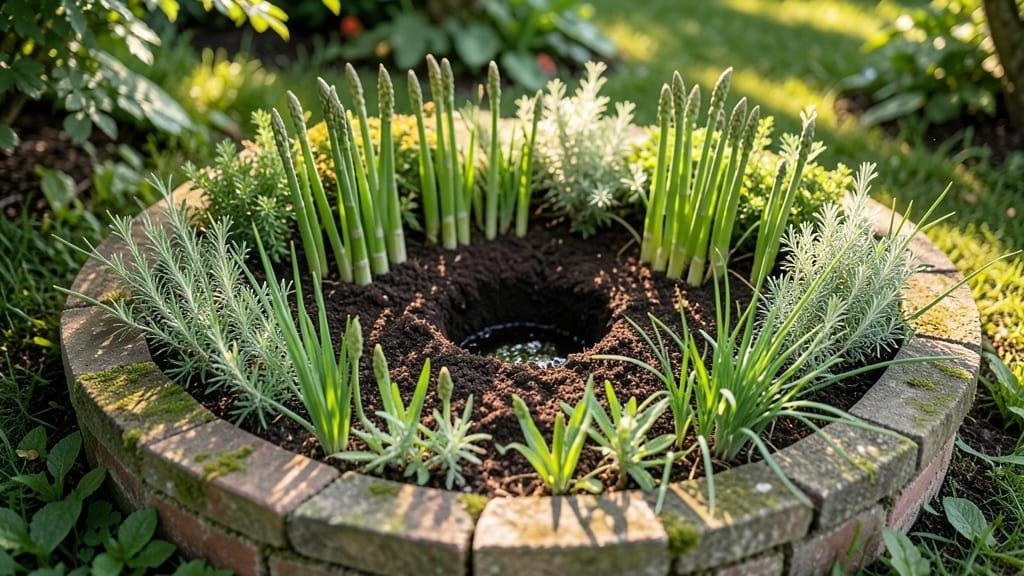
Tired of lugging watering cans across your garden just to keep asparagus thriving? A keyhole garden for asparagus solves this by combining a compost core with a circular design that cuts watering trips by 50%. This space-saving layout also lets you tuck in hardy herbs like thyme or chives around the edges for year-round greens.
The secret lies in the central compost basket—it releases moisture slowly, keeping roots hydrated while reducing evaporation. Plant asparagus crowns in concentric circles around the compost, leaving gaps for your herb companions. The circular shape maximates sunlight exposure while the compost core creates a microclimate that extends your growing season.
Perfect for small urban gardens or busy homesteaders, this design gives you low-maintenance asparagus plus fresh herbs without extra space. 🌱
Hügelkultur Asparagus Mound
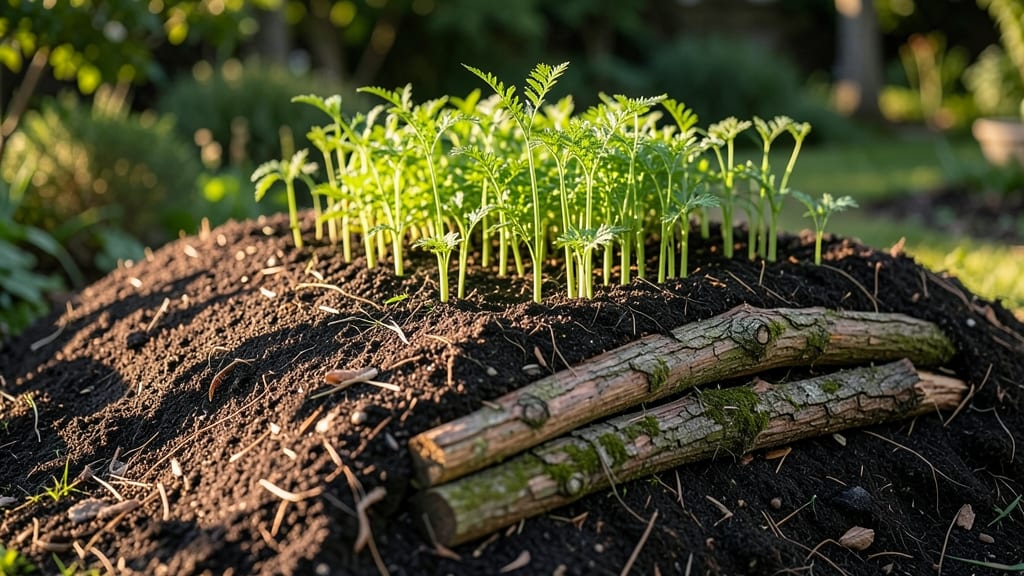
Imagine a garden bed that waters itself, warms up faster in spring, and provides nutrients for decades—all while growing your favorite asparagus. A hügelkultur mound does exactly that by burying wood and compost to create a self-sustaining ecosystem.
Start by layering logs, branches, and compost in a long mound (3-4 feet wide, 1-2 feet high). Plant asparagus crowns on top in early spring, where the decomposing wood releases moisture and heat, keeping roots warm even in chilly climates. This method extends your growing season by 3-4 weeks naturally, with less watering needed once established.
Perfect for gardeners with limited water access or cooler climates, this low-maintenance design also improves soil fertility over time. Try it this fall for a head start next spring! 🌱
Perennial Flower Border Asparagus
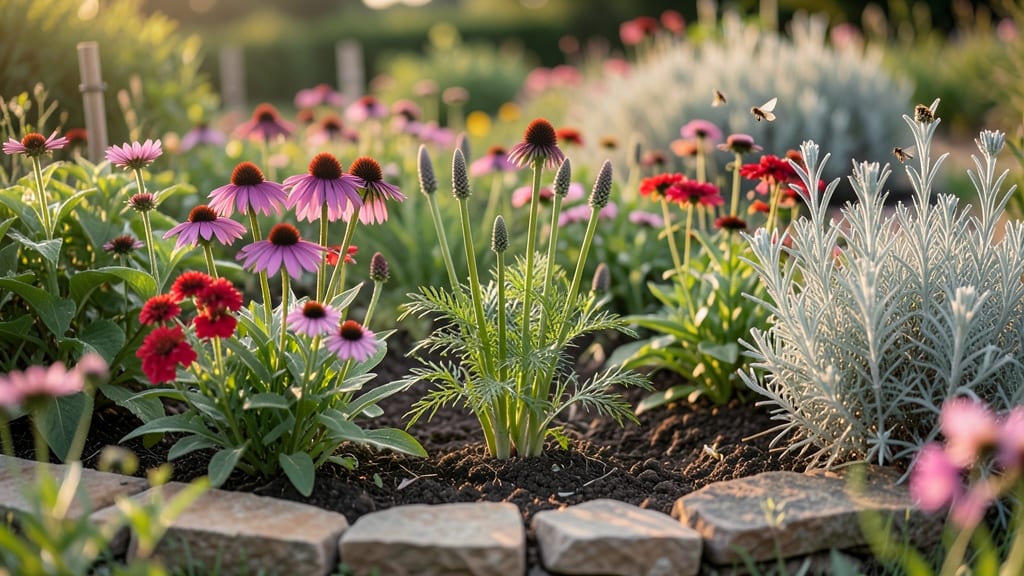
Turn your asparagus bed into a pollinator paradise while keeping pests at bay—this dual-purpose design combines productivity with beauty. By planting asparagus crowns alongside perennial flowers like coneflowers, bee balm, or Russian sage, you create a natural barrier against asparagus beetles while attracting beneficial insects that boost your garden's health.
Choose flowers that thrive in the same sun and soil conditions as asparagus—full sun to partial shade and well-draining soil. The fragrant blooms will mask asparagus plants from pests while providing year-round color and habitat for bees and butterflies. Just keep flower roots 12-18 inches away from asparagus crowns to avoid competition.
This approach is perfect for gardeners who want low-maintenance beauty alongside their harvest. The flowering borders will reward you with vibrant seasons while protecting your asparagus investment naturally. 🌻
Container-Grown Asparagus Towers
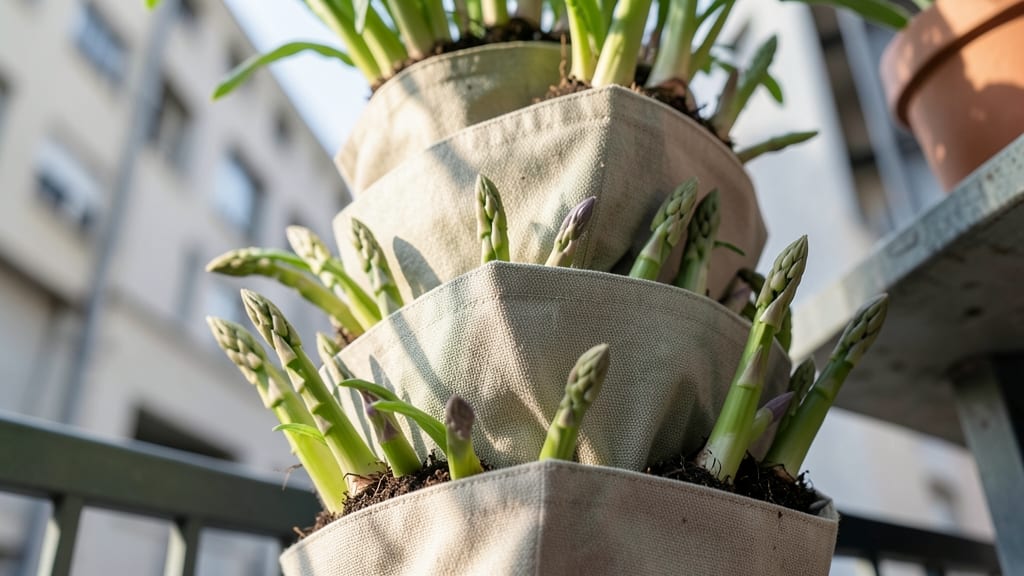
If your garden space is limited to a balcony or tiny urban yard, container-grown asparagus towers prove that fresh spears aren’t just for traditional beds. These vertical fabric pots maximize square footage while letting air circulate freely—reducing fungal diseases that plague crowded asparagus plants.
Start with 18-inch diameter fabric grow bags stacked on a sturdy metal stand, planting asparagus crowns at each level with 12-18 inches between them. Use a well-draining potting mix enriched with compost, and water thoroughly after planting to settle the soil. The fabric’s breathability prevents root rot while allowing roots to expand naturally, and you can even add mycorrhizal fungi to boost early growth.
This system works especially well for renters or small-space gardeners who want asparagus without long-term commitments. Just place the tower where it gets 6 hours of sun daily, and you’ll harvest spears for years—no tilling, no weeds, and no wasted space. 🌱
Chicken Coop Asparagus Integration
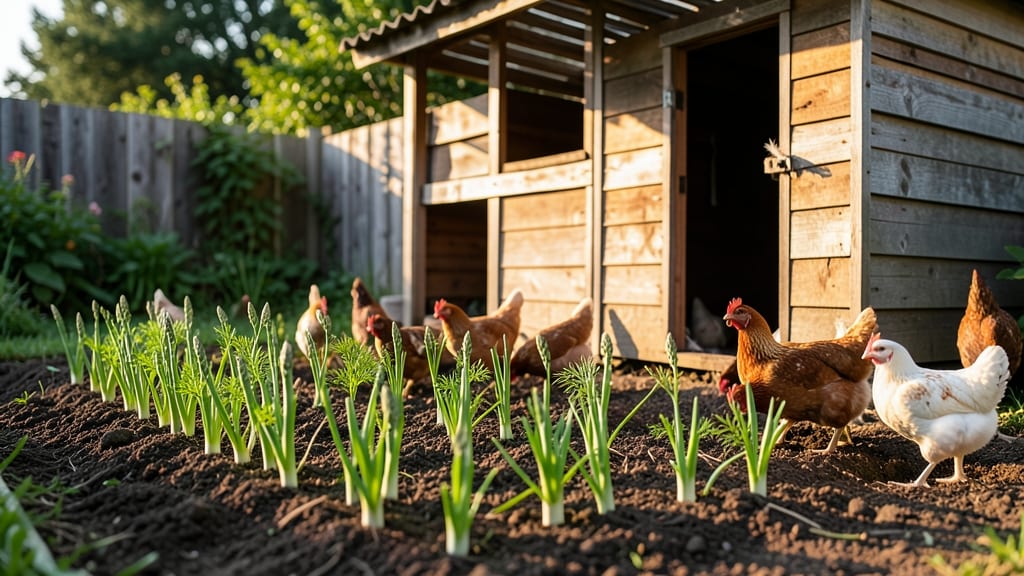
Turn your backyard into a dual-purpose garden by planting asparagus near chicken coops. The chickens naturally fertilize the soil with their droppings, while the asparagus provides shade and pest control for your flock—reducing the need for chemical treatments.
Start by planting asparagus crowns 6-8 feet away from the coop to avoid overcrowding. The deep roots of asparagus will thrive in the nutrient-rich soil, and the plants will create a natural barrier against pests like flies and rodents that bother chickens. Plus, the shade from the asparagus foliage keeps hens cooler in summer. 🌿
This setup is perfect for homesteaders or small-scale farmers looking to maximize space and reduce labor. Your chickens will be happier, and your asparagus harvest will be healthier and more abundant. 💚
No-Dig Asparagus with Cardboard Barrier
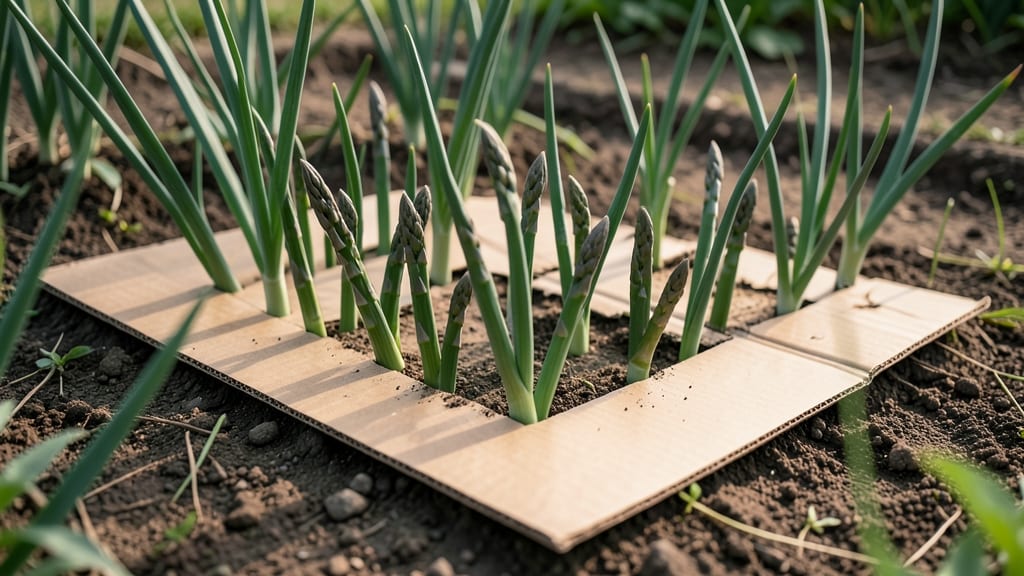
Tired of battling weeds in your asparagus bed? A cardboard barrier under your asparagus crowns creates a permanent weed-blocking layer while improving soil structure—no tilling required. This no-dig method is perfect for organic gardeners who want to avoid disturbing the soil.
Simply lay down unwaxed cardboard (like from shipping boxes) in a single layer before planting your asparagus crowns. The cardboard will break down over time, adding organic matter to the soil while smothering weeds for years. For best results, add a 2-inch layer of compost on top of the cardboard before planting. This method also helps retain moisture and reduces erosion in your bed.
This approach is especially beneficial for those who prefer organic gardening or have heavy clay soil. By eliminating the need to till, you'll save time and effort while creating an ideal environment for your asparagus to thrive. 🌱
Asparagus and Potato Underground Combo
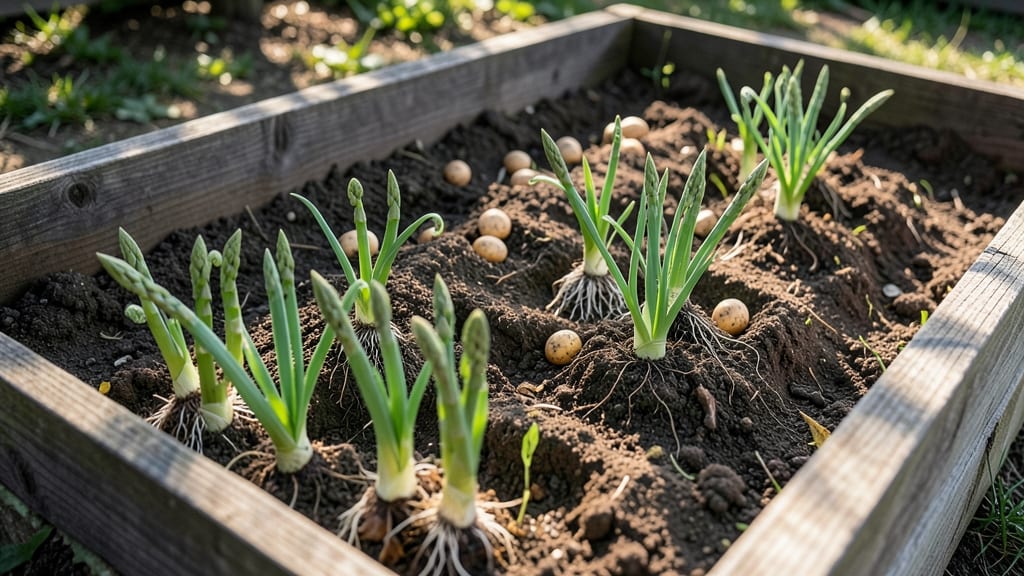
Turn your asparagus bed into a dual-purpose powerhouse by planting potatoes directly above the asparagus crowns. This clever underground combo maximizes space while leveraging the asparagus' deep roots to create an ideal environment for both crops.
Start by planting asparagus crowns in early spring, then tuck potato seed pieces into the soil above them once the asparagus begins to sprout. The asparagus roots will stabilize the soil, while the potatoes benefit from the deep moisture retention. Choose early-maturing potato varieties like 'Yukon Gold' or 'Red Pontiac' to avoid competing with the asparagus for nutrients.
This method is perfect for gardeners with limited space or those looking to boost their harvest without expanding their plot. The potatoes will shade the asparagus crowns in summer, reducing moisture loss, while the asparagus provides a natural trellis for the potato vines. 🌱
Living Mulch Asparagus with Clover
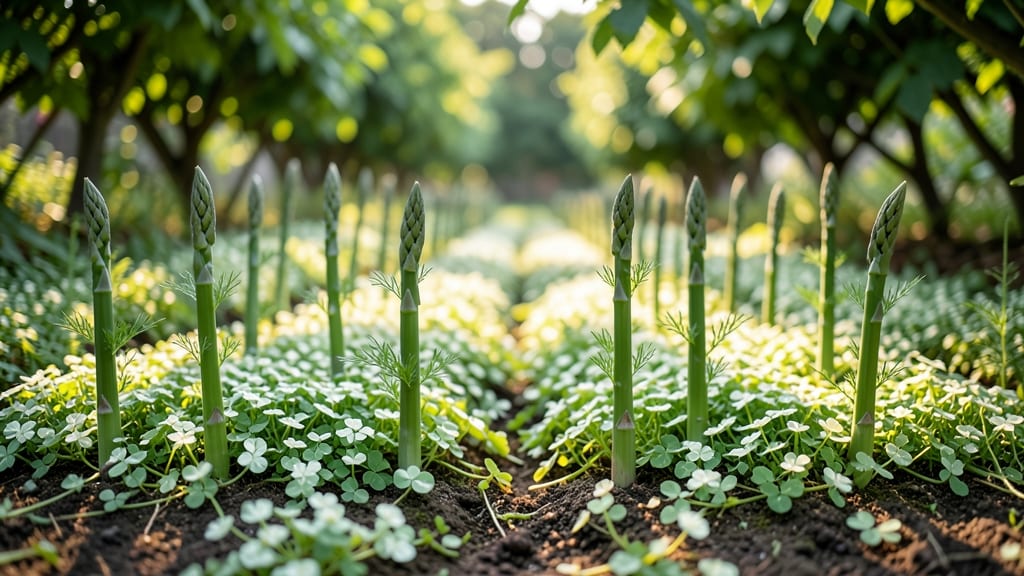
Tired of battling weeds between your asparagus rows? White clover is the secret weapon organic gardeners use to turn weedy spaces into nutrient-rich ground cover—while keeping your asparagus thriving. This low-growing legume fixes nitrogen directly into the soil, reducing the need for synthetic fertilizers and giving your asparagus a steady supply of food.
Simply sow clover seeds between asparagus rows in early spring or fall, keeping the plants mowed or lightly trimmed to prevent them from flowering. The clover’s dense growth smothers weeds naturally, saving you hours of weeding time. It also improves soil structure and attracts beneficial insects like bees and ladybugs. This method is especially valuable for gardeners pursuing organic certification or those who want to reduce their garden’s environmental impact.
Perfect for large-scale beds or small home gardens, this approach works best in full sun to partial shade and complements asparagus beautifully without competing for resources. 🌿
Winter-Protected Asparagus with Hoop Tunnels

Cold climates don’t have to mean the end of your asparagus season—hoop tunnels can transform your bed into a frost-free oasis. These simple, low-cost structures create a microclimate that shields plants from winter winds and hard freezes, letting you harvest spears 6-8 weeks earlier than uncovered beds.
Use PVC pipes or wire hoops (6-8 feet long) bent into arches and covered with frost cloth or plastic sheeting. Secure the edges with bricks or soil, leaving gaps for ventilation. This setup protects crowns while allowing sunlight to penetrate—perfect for Zone 3-5 gardeners who want to beat spring frost. Just remove the cover when temperatures stabilize.
This method is ideal for budget-conscious gardeners who want to extend harvests without expensive greenhouses. With minimal setup, you’ll enjoy tender spears weeks before neighbors even plant their beds. 🌱