
Fertilization
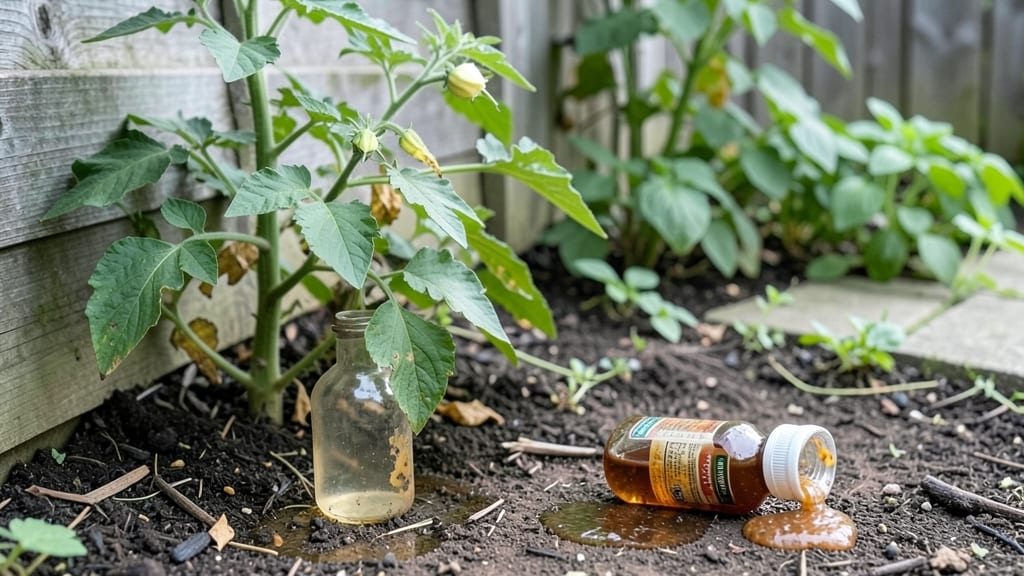
Using apple cider vinegar in gardening boosts plant health as a natural fertilizer, soil conditioner, and pest deterrent by adjusting pH levels, releasing nutrients, and repelling insects without synthetic chemicals. Always dilute it to protect plant roots.
Apple cider vinegar’s acidity (around pH 2.5-3.5) makes it a powerhouse for acidic-loving plants like blueberries, azaleas, and tomatoes, which struggle in alkaline soil. 🌱 When mixed with water (typically 1 tablespoon per gallon), it gently lowers soil pH, helping roots absorb nutrients more efficiently.
I’ve seen houseplants like ferns and gardenias perk up noticeably after a few applications—especially in hard water areas where mineral buildup clogs soil.
Beyond soil health, its tangy scent confuses pests like aphids and spider mites, while its mild acidity disrupts fungal spores. The key is consistency: spray foliage weekly during growing seasons, but avoid overuse on sensitive plants like cucumbers or lettuce.
For extra potency, add a few drops of dish soap to help the solution stick to leaves.
💡 In This Article
- How Apple Cider Vinegar Balances Soil pH Naturally
- DIY Apple Cider Vinegar Sprays for Pest Control
How apple cider vinegar balances soil pH naturally
Apple cider vinegar's natural acidity (pH 2.5-3.5) acts like a chemical buffer in alkaline soils, where pH often exceeds 7.5.
When applied, its acetic acid molecules dissociate in water, releasing hydrogen ions (H+) that temporarily lower soil pH. This process mimics how rainwater naturally acidifies soil over time, but with more immediate results.
For example, blueberries thrive at pH 4.5-5.5, while alkaline soil might sit at 8.0—ACV helps bridge that gap without synthetic amendments.
The magic happens at the molecular level: ACV's acetic acid displaces calcium and magnesium ions bound to soil particles, freeing up phosphorus and iron that plants can absorb.
Think of it like unlocking a vault—without ACV, these nutrients remain chemically "locked" in alkaline conditions. 🌱 A 1 tablespoon per gallon dilution (about 0.5% acidity) is typically safe for most plants, but test your soil first using a pH meter or test kit (available for $10-$20).
Over-acidification (below 4.0) can harm sensitive plants like potatoes or carrots.
For acid-loving plants, timing matters: apply diluted ACV in early spring when roots are actively growing, or as a foliar spray during flowering to boost nutrient uptake. Azaleas, for instance, show dramatic improvements when soil pH drops from 7.0 to 5.5—their leaves turn vibrant green and flowers multiply.
The key is patience: soil pH changes gradually, so reapply every 2-4 weeks until you reach your target range. Always water thoroughly after application to prevent root burn.
Hard water areas benefit most from ACV's mineral-balancing effects, where calcium carbonate buildup raises pH. A simple test: if your tap water leaves white residue, your soil likely needs acidification.
For container gardens, mix 1 part ACV to 20 parts water and water plants until it drains through—this prevents salt buildup. Avoid using ACV on lime-loving plants like lavender or rosemary, where pH 6.0-8.0 is ideal.
Here's a quick pH guide for common plants:
- Blueberries/Azaleas: 4.5-5.5 (ACV helps lower from 7.0+)
- Tomatoes/Peppers: 6.0-6.8 (mild acidification boosts growth)
- Roses: 6.0-7.0 (avoid over-acidification)
- Vegetables (lettuce, spinach): 6.0-7.0 (use sparingly)
For precise adjustments, combine ACV with elemental sulfur (which lowers pH more gradually) for stubborn alkaline soils. Always monitor progress with a test kit—your goal is small, steady changes, not drastic shifts.