
Flowers
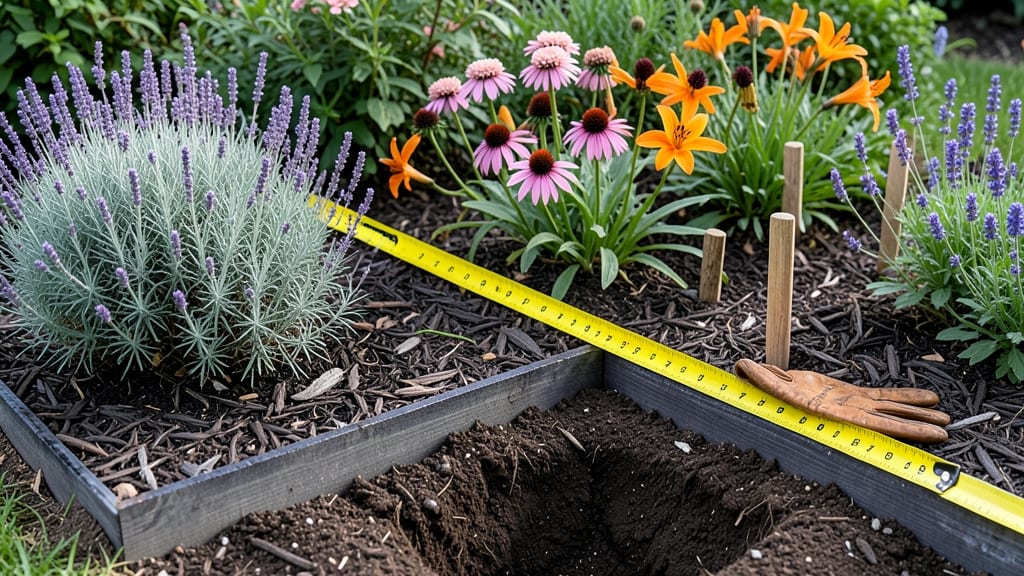
Choosing the right flower bed size ensures healthy plant growth by balancing spacing needs, sunlight exposure, and garden design. Most perennials need 12- to 18-inch widths, while shrubs and trees thrive in 3- to 6-foot diameters for proper airflow and root development.
Flower bed dimensions aren't just about aesthetics—they directly impact plant health. 🌸 Proper spacing prevents root competition, while wider beds improve airflow and reduce fungal diseases. For example, a 12-inch width works for small perennials like lavender, but 3-foot diameters give roses the room they need to flourish.
I've seen beds that were too narrow struggle with overcrowding, while well-sized ones produce blooms for years with minimal care.
Your garden's layout also plays a role. Cottage-style gardens often use irregular shapes with 2- to 4-foot widths, while formal beds might follow strict geometric patterns. Consider how you'll access the center—narrow beds (18 inches) make weeding easier, while wider ones create stunning visual impact.
The key is matching your design to both the plants' needs and your maintenance style.
💡 In This Article
- Optimal Flower Bed Dimensions for Plant Health
- Designing Flower Beds by Plant Type and Garden Layout
Optimal flower bed dimensions for plant health
The science behind flower bed dimensions starts with root competition. Plants need space to develop strong root systems that reach deep into the soil for nutrients and water.
For example, a 12-inch spacing between perennials like coneflowers allows roots to spread without competing for moisture, while 18-inch spacing gives taller plants like black-eyed Susans room to establish. Overcrowding forces roots to grow shallow, making plants more susceptible to drought and disease. 🌱
Sunlight distribution is another critical factor. Wider beds (2-3 feet) ensure all plants receive adequate light, especially in shady areas where competition for sunlight is fierce.
Narrower beds (12-18 inches) work well for sun-loving plants but may require careful placement to avoid blocking light from taller neighbors.
The depth of the bed also matters—6-12 inches of soil depth allows roots to penetrate fully, while shallower beds (4 inches) restrict growth and moisture retention.
Airflow is often overlooked but essential for plant health. Proper spacing reduces humidity trapped among leaves, which minimizes fungal diseases like powdery mildew. A 3-foot diameter for shrubs like hydrangeas creates enough airflow to keep foliage dry, while 18-inch widths for annuals like marigolds prevent stagnant air pockets.
Even weed suppression benefits from well-sized beds—wider paths between plants make it easier to pull weeds before they compete with your flowers.
Soil moisture retention is directly tied to bed dimensions. Wider beds (3 feet) hold more soil, which retains moisture longer in dry climates, while narrower beds (12 inches) dry out faster. Mulching helps, but the bed's width and depth still dictate how quickly water evaporates.
For instance, a 6-inch-deep bed with 18-inch spacing stays moist longer than a shallow bed with tight spacing. This is why drought-resistant plants like lavender thrive in 12-inch widths—their shallow roots need consistent moisture, but not excessive humidity.
Consider the plant's mature size when designing beds. A 2-foot-tall rosebush needs at least a 3-foot diameter to avoid overcrowding, while a 6-inch-tall salvia can fit comfortably in a 12-inch width.
The rule of thumb is to measure the plant's mature spread and add 12-18 inches for airflow and root space. This prevents the "overpromise" syndrome where small plants look great but struggle as they grow. 🌿
Finally, bed shape influences maintenance. Circular or kidney-shaped beds with 2-3 foot diameters reduce edge effects where plants dry out faster, while rectangular beds (3x6 feet) maximize space for larger plants. The key is balancing aesthetics with the plants' biological needs—healthy beds start with the right dimensions.
For example, a 4-foot-wide border bed might accommodate three hydrangeas spaced 18 inches apart, while a 2-foot-wide bed could fit only one.