
Companion Plants
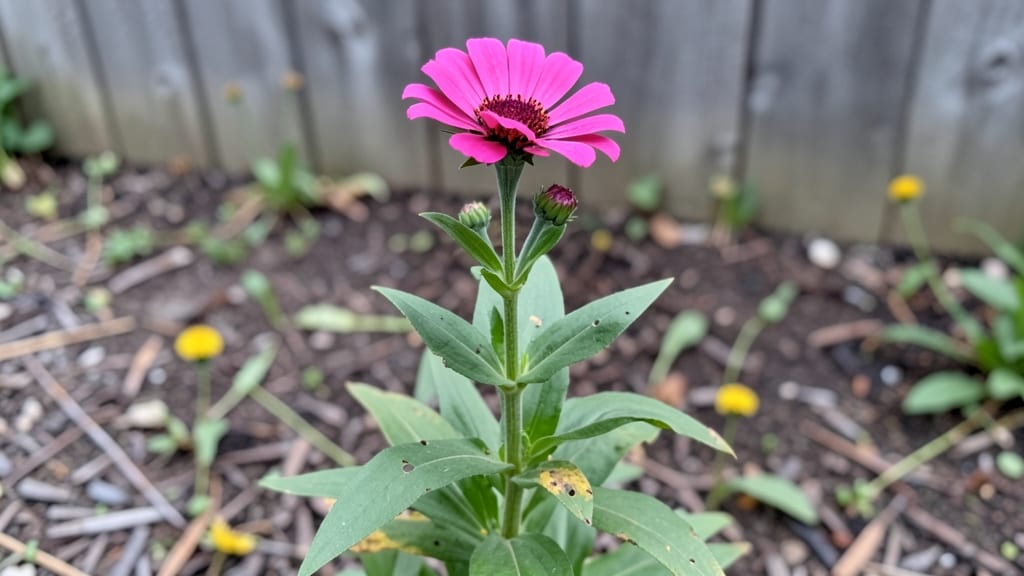
Cold-hardy annuals like snapdragons and sweet alyssum prove spring isn’t just a hope—it’s a promise. 🌱 I’ve watched these tough little plants push through frost twice now, and they’re the secret to a garden that feels alive before the heat sets in.
They’re not just pretty faces; they’re the workhorses that fill gaps, attract pollinators, and keep your yard vibrant even when perennials are still napping underground.
The best part? They’re foolproof for beginners but still exciting for veterans. Most thrive in full sun with average soil—no fancy amendments needed—and they’ll bounce back from light frosts like nothing happened.
Plant them in early spring or late summer for two seasons of color, and you’ll have blooms when other gardens are still bare. My favorite combo is marigolds for pest control paired with zinnias for nonstop summer cheer.
By late spring, you’ll have a garden that looks like it’s been tending itself for years. The snapdragons will tower over your patio, the alyssum will spill like snow over edges, and the bees will be so busy you’ll forget they’re even there.
These plants don’t just survive—they thrive on your schedule, not the other way around.
Works in borders, containers, or even between stepping stones. Here’s how to pick the right varieties for your zone and keep them looking their best all season.
📚 In This Guide
- What you need
- Instructions
- Tips and common mistakes
- Wrapping up and next steps
What you need
- ● Cold-hardy annual seeds or seedlings: 1–2 lbs of Calendula officinalis (Pot Marigold) seeds
- ● 1 lb of Viola tricolor (Wild Pansy) seeds
- ● 1 lb of Lobularia maritima (Sweet Alyssum) seeds
- ● 1 lb of Nicotiana sylvestris (Flowering Tobacco) seeds
- ● 1 lb of Lathyrus odoratus (Sweet Pea) seeds (choose cold-tolerant varieties like 'Cupani')
- ● Well-draining potting mix: 5–10 gallons (sterilized for disease prevention)
- ● Organic compost: 2–3 gallons (to enrich soil fertility)
- ● Slow-release fertilizer: 10–20 lb bag (10-10-10 or 5-5-5 NPK ratio)
- ● Mulch: 2–3 cubic feet (straw, shredded leaves, or pine needles)
- ● Hand trowel (for delicate planting)
- ● Garden fork (to loosen soil without disturbing roots)
- ● Watering can or hose with adjustable nozzle (gentle mist setting for seedlings)
- ● Pruning shears (for deadheading and shaping)
- ● Garden gloves (to protect hands from thorns or soil)
- ○ Row cover or frost cloth (optional, for early spring planting)
- ● 🌡️ Hardiness Zone: 3–8 (check your zone here)
- ● 💧 Water source: Consistent access to water (annuals need 1–1.5 inches per week)
- ● ☀️ Sunlight: Full sun to partial shade (6+ hours of sunlight for most varieties)
- ● 🌱 Soil pH: Slightly acidic to neutral (6.0–7.0; test with a soil kit if unsure)
- ● 📅 Timing: Plant seeds 4–6 weeks before your last frost date or transplant hardened-off seedlings in early spring
How to select and plant cold-hardy annuals for year-round color
Here’s my foolproof method for choosing and planting annuals that survive winter and return stronger every spring.
🌱 Step 1: Choose the Right Cold-Hardy Varieties
Look for annuals labeled as cold-tolerant or perennial-like annuals, like snapdragons, pansies, or sweet alyssum. These varieties can handle light frosts and even brief freezes down to 25°F. I always check seed packets for terms like "winter-hardy" or "early spring blooms"—these are your best bets for rebounding growth.
Skip traditional annuals like marigolds or zinnias—they won’t survive winter in most climates. Instead, focus on plants that naturally thrive in cooler temperatures. Pansies, for example, actually improve in flavor and color after a frost, making them a standout choice for early spring gardens.
🪴 Step 2: Prepare the Soil for Resilience
Work 2-3 inches of compost into the top layer of your garden bed to improve drainage and nutrient retention. Cold-hardy annuals need well-draining soil to avoid root rot during winter thaws. I also add a 1-inch layer of mulch after planting to insulate roots and protect against temperature swings.
Test your soil’s moisture level before planting—it should feel like a damp sponge, not soggy. Overly wet soil can suffocate roots, while dry soil makes plants vulnerable to frost damage. If your soil drains poorly, mix in sand or perlite to create air pockets for healthier root development.
☀️ Step 3: Plant at the Right Time for Survival
Sow seeds or transplant cold-hardy annuals 6-8 weeks before your last frost date. This gives roots time to establish before winter sets in. I like to plant pansies and snapdragons in early fall so they get a head start on growth. Avoid planting too late—you’ll end up with weak, frost-sensitive seedlings that won’t rebound.
Space plants according to their mature size—crowding stresses roots and makes them more susceptible to cold damage. For example, pansies need 6-8 inches apart, while taller snapdragons should have 12-18 inches of space. Watch for first true leaves to appear within 2-3 weeks of planting; this confirms roots have taken hold.
💧 Step 4: Water Deeply but Strategically
Water newly planted annuals deeply once a week until the soil is 6 inches down. This encourages roots to grow downward, making them more resilient to winter freezes. I water in the early morning to reduce evaporation and fungal risks. Avoid overhead watering in winter—it can freeze on leaves and weigh them down, causing damage.
Reduce watering as temperatures drop, but don’t let the soil dry out completely. Cold-hardy annuals need moisture to survive, but soggy soil invites rot. You’ll know you’re doing it right when the soil feels moist but not waterlogged—like a wrung-out sponge.
✂️ Step 5: Prune and Protect Through Winter
Cut back dead or damaged foliage in late winter to encourage new growth. I use sharp shears to trim 1-2 inches above the soil line for most varieties. This removes weak stems while leaving healthy buds intact. Avoid heavy pruning—you want to preserve as much energy as possible for spring rebounding.
If your area experiences hard freezes (below 20°F), cover plants with frost cloth or burlap for extra protection. Remove covers during the day to prevent overheating. You’ll see new shoots emerging by early spring—this is your signal that the plants are alive and ready to thrive.
Tips & tricks for cold-hardy annuals that thrive year-round
These little-known tricks will help your cold-hardy annuals not just survive winter, but come back stronger and more vibrant each spring.
Variety Selection Tip: When choosing plants in Step 1, prioritize varieties labeled "winter-hardy" or "early spring bloomers" like snapdragons and pansies. These can handle brief freezes down to 25°F—the key temperature from the instructions. I've found that pansies actually develop more intense colors after light frost, making them worth the extra attention. Look for seed packets that mention "rebounding growth" specifically, as this indicates plants that'll push through winter and flourish in spring.
Soil Preparation Strategy: In Step 2, don't just add compost—work it into the top 2-3 inches of soil and mix thoroughly. This creates the perfect environment for deep root development. I like to add a handful of sand or perlite if my soil feels dense, as this improves drainage without sacrificing moisture retention. The goal is soil that feels like a damp sponge—this texture prevents both root suffocation and drought stress during winter thaws.
Planting Timing Secret: The 6-8 week window before your last frost date in Step 3 is your golden opportunity. Planting too early can lead to leggy, weak seedlings, while planting too late risks frost damage before roots establish. I've had the most success with pansies and snapdragons when planted in early fall—this gives them a head start before winter sets in. Watch for those first true leaves within 2-3 weeks as your confirmation that roots are taking hold.
Winter Protection Hack: When temperatures drop below 20°F in Step 5, use lightweight frost cloth instead of heavy blankets. It allows sunlight to penetrate while providing protection, and you can easily remove it during daytime warming. I've seen plants recover beautifully after hard freezes when protected this way—just remember to remove covers during the day to prevent overheating and potential leaf burn.
Pro Tips for Annual Garden Plants
- These little-known tricks will help your cold-hardy annuals not just survive winter, but come back stronger and more vibrant each spring.
- Variety Selection Tip: When choosing plants in Step 1, prioritize varieties labeled "winter-hardy" or "early spring bloomers" like snapdragons and pansies.
- Soil Preparation Strategy: In Step 2, don't just add compost—work it into the top 2-3 inches of soil and mix thoroughly.
Frequently asked questions
Got questions about cold-hardy annuals that keep coming back year after year? You’re in the right place! Here are answers to the most common queries—so you can confidently plan your garden and enjoy a rebounding display of color and life.
Can cold-hardy annuals really survive winter in my climate?
Yes! These tough plants are bred to withstand light frosts (often down to 20–25°F) by going dormant. In milder zones (6–8), they may even persist as perennials—just trim them back in early spring to encourage regrowth. In colder areas, they’ll bounce back like a champ from seed or roots.
How do I prep cold-hardy annuals for winter?
Minimal effort is needed! Cut back foliage to 2–3 inches after the first frost, but leave the roots intact. Mulch with 2–3 inches of straw or leaves to insulate them. Avoid fertilizing late in the season—it encourages tender new growth. Water lightly before hard freezes to prevent root desiccation.
Will these plants look the same every year, or do they change?
Some may rejuvenate with slightly different blooms or foliage each season, while others (like calendula) stay true to form. Varieties like snapdragons or lobelia might produce fewer flowers over time—so deadhead spent blooms and refresh with light fertilizer in spring to keep them vibrant!
What if my cold-hardy annuals don’t come back next year?
Don’t panic! Factors like overcrowding, disease, or poor drainage can hinder regrowth. Try dividing clumps in early spring or sow fresh seeds. If pests (like slugs) are the culprit, use organic barriers or neem oil. Some varieties, like coreopsis, self-seed reliably—just let a few seed heads dry on the plant!
Are there cold-hardy annuals that thrive in containers?
Opt for compact varieties like pansies, stock (Matthiola incana), or dwarf snapdragons. Use well-draining potting mix and move containers to a sheltered spot in winter. Wrap pots in bubble wrap or use heat mats for extra protection in freezing temps.
Pro Tip:
Keep a garden journal to track which cold-hardy annuals perform best in your zone—note their rebound vigor, bloom times, and any quirks. This’ll help you fine-tune your garden for low-maintenance beauty year after year!
Wrapping up and next steps
Annual garden plants may seem fleeting, but cold-hardy varieties like calendula, snapdragons, and cosmos prove that beauty and resilience go hand in hand. 🌱 These tough beauties not only survive winter’s chill but rebound stronger each spring, giving you vibrant blooms with minimal effort.
Whether you’re a seasoned gardener or just starting, these plants are your secret weapon for a low-maintenance, high-reward garden.
Ready to transform your outdoor space? Start small—pick one or two varieties this season and watch your garden thrive. Happy planting! 🌸