
Companion Plants
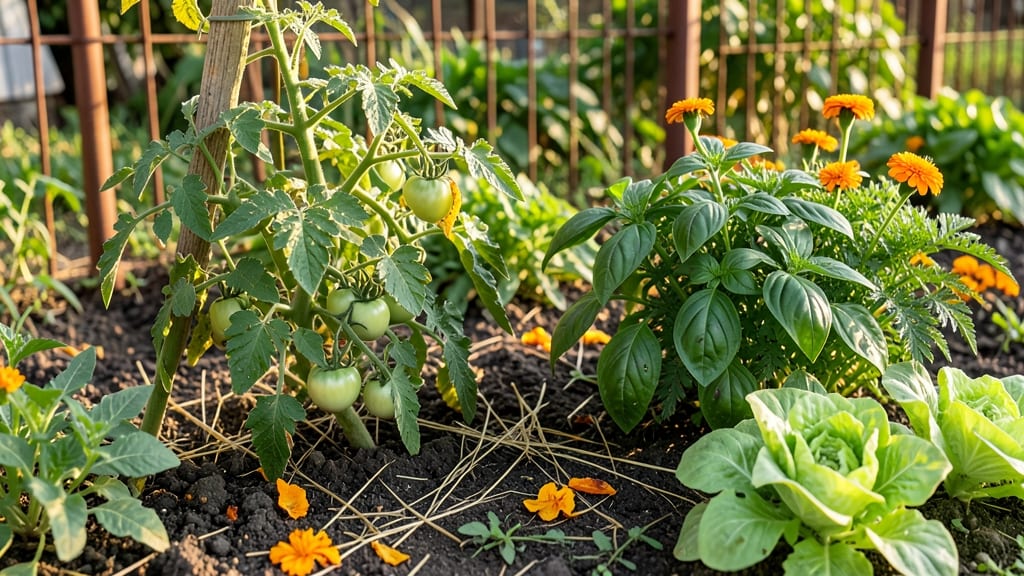
Cold-hardy home garden plants are the unsung heroes of four-season gardening—reliable, resilient, and ready to grow even when temperatures dip. 🌿 I’ve spent years testing perennials that bounce back from frost, drought, and hungry deer, and these are the ones that never let me down.
They’re the difference between a garden that fades in winter and one that stays lush, fragrant, and productive year-round.
The secret isn’t complicated: choose plants that evolved to handle your climate, then give them the right spot—whether that’s full sun for lavender or partial shade for hostas. Most need well-draining soil and consistent watering only during dry spells.
My go-to list includes Russian sage (drought-proof and purple-hued), winterberry holly (bright red berries in frost), and chives (edible, deer-resistant, and hardy to -30°F). These plants reward patience with minimal fuss.
By mid-spring, you’ll see fresh foliage pushing through last year’s mulch, and by summer, they’ll be thriving while annuals wilt in the heat. The best part? These companions attract pollinators, suppress weeds, and even improve soil over time.
Once established, they’ll outlast trendy annuals by decades—no replanting required. Let’s dive into the specifics of what to plant, where, and how to keep them happy through every season.
Whether you’re in Zone 3 or 7, this guide adapts to your climate—just swap out a few varieties for your region’s toughest performers. The key is starting with the right foundation, and these cold-hardy stars deliver every time. Ready to build a garden that works as hard as you do?
📚 In This Guide
- What you need
- Instructions
- Tips and common mistakes
- Wrapping up and next steps
What you need
- ● Cold-hardy plant seeds or seedlings: Choose from a mix of perennials (like lavender, Russian sage, or coneflowers) and biennials (such as foxgloves or hollyhocks). Aim for at least 10-15 plants to create a balanced garden layout.
- ● High-quality potting soil: A 50-pound bag of organic, well-draining soil (e.g., Miracle-Gro or FoxFarm) to ensure proper root development.
- ● Garden beds or containers: For in-ground planting: 2-4 raised beds (4’x8’) or a dedicated garden plot with 6+ inches of depth.
- ● For container gardening: 5-10 large pots (12"+ diameter) with drainage holes.
- ● Mulch: 2-3 cubic feet of organic mulch (e.g., straw, shredded bark, or wood chips) to insulate roots and retain moisture.
- ● Basic hand tools: Trowel (for transplanting seedlings)
- ● Pruners (bypass pruners for clean cuts)
- ● Garden fork (for aerating soil)
- ● Gloves (heavy-duty, cold-resistant)
- ● Watering can or hose with adjustable nozzle: A 2-3 gallon capacity can for precision watering or a hose with a gentle spray setting.
- ● Compost or slow-release fertilizer: 10-20 lbs of organic compost (e.g., worm castings or aged manure) or a balanced 10-10-10 fertilizer for nutrient-rich soil.
- ● Cold frames or row covers: Protect tender plants from late frosts with lightweight frost blankets or mini greenhouses.
- ● Drip irrigation system: Automate watering with a low-volume kit to save time and water.
- ● Soil pH test kit: Ensure your soil is in the ideal range (most cold-hardy plants prefer 6.0-7.0 pH).
- ● Decorative stones or pebbles: Add a polished touch to borders or pathways.
- ● Plant markers: Label seedlings with durable, frost-resistant tags for easy identification.
Step-by-Step guide to selecting and planting cold-hardy garden companions
Here’s how to build a resilient garden that stays vibrant through frost and flourishes year-round.
🌱 Step 1: Choose the Right Cold-Hardy Plants for Your Zone
Start by selecting perennials and shrubs rated for your USDA hardiness zone—these are the backbone of a low-maintenance garden. I always prioritize heuchera, sedum, and Russian sage for their ability to bounce back after winter. Check the plant tags for the coldest temperature they can tolerate, and match them to your zone’s lowest winter temps.
For example, heuchera thrives in zones 3-9, while sedum handles zones 3-11. Group plants with similar cold tolerance together so they support each other’s resilience. This ensures your garden stays lush even when temperatures dip below freezing.
🪴 Step 2: Prepare the Soil for Winter Survival
Cold-hardy plants need well-draining soil rich in organic matter to protect roots from freezing. Amend your garden beds with 3-4 inches of compost mixed into the top 12 inches of soil. This improves aeration and water retention, which is critical when roots can’t access moisture easily in winter.
Test your soil’s pH—most cold-hardy perennials prefer a slightly acidic to neutral range (6.0-7.0). If your soil is too alkaline, add sulfur or peat moss to adjust it gradually. Avoid heavy clay soils, which compact when frozen and suffocate roots.
☀️ Step 3: Plant in Late Summer or Early Fall
Timing is everything for cold-hardy plants. I always transplant them 4-6 weeks before the first frost—this gives roots time to establish before winter sets in. Dig holes twice as wide as the root ball but no deeper, so the plant sits at the same level it was in its container.
Water deeply after planting to settle the soil and eliminate air pockets. Mulch with 2-3 inches of shredded bark or straw to insulate roots. This layer regulates soil temperature and retains moisture, which is especially important in early spring when roots start growing again.
✂️ Step 4: Prune Strategically in Early Spring
Wait until new growth appears in early spring before pruning cold-hardy plants. Cut back dead foliage to just above the first set of healthy buds—this encourages fresh growth without exposing tender new shoots to late frosts. For shrubs like Russian sage, trim back by one-third to maintain shape and airflow.
Remove any damaged or diseased branches immediately to prevent fungal spread. I always sterilize my pruners with rubbing alcohol between cuts to keep pathogens out of the garden. This step ensures your plants start the growing season strong.
💧 Step 5: Water Deeply but Sparingly in Winter
Cold-hardy plants enter dormancy, but their roots still need moisture—especially in dry winters. Water deeply once a month if rainfall is scarce, focusing on the root zone. Avoid wetting foliage, as ice buildup can damage tender leaves. A soaker hose delivers water directly to the soil without disturbing mulch.
Monitor soil moisture by checking if the top 2 inches feel dry—this is your cue to water. Overwatering in winter can lead to root rot, so always let excess moisture drain away. This balance keeps your plants hydrated without inviting disease.
Tips & tricks for perfect cold-hardy garden companions
Building a garden that thrives through winter takes more than just choosing the right plants—it’s about creating the perfect conditions for survival. Here’s how to ensure your cold-hardy companions flourish year after year.
Zone Pairing for Resilience: In Step 1, when selecting plants like heuchera and sedum, pair them with companions that share similar cold tolerance. For example, plant heuchera (zones 3-9) alongside catmint or lamb’s ear, both of which thrive in the same range. This creates a microclimate where plants support each other’s survival during frost. I’ve found that grouping plants with similar moisture needs also reduces competition for water in winter.
Soil Preparation Secret: The 3-4 inches of compost in Step 2 isn’t just about nutrients—it’s about creating insulation. Mix in a handful of coarse sand or perlite if your soil is heavy clay to prevent compaction when frozen. I’ve seen gardens where roots suffocate in winter because the soil was too dense; this simple tweak makes all the difference. For alkaline soils, add sulfur gradually over two seasons to avoid shocking plant roots.
Timing is Everything: Those 4-6 weeks before first frost in Step 3 are critical for root establishment. If you’re in a warmer zone where frost comes late, consider planting in early fall instead of late summer. I’ve noticed that plants transplanted in cooler weather (around 60°F) establish faster than those planted in hot summer heat. Always check your local frost dates—some areas can have unexpected early frosts.
Pruning Precision: When trimming back Russian sage in Step 4, focus on removing only the dead growth—never cut into last year’s wood. I’ve made the mistake of over-pruning and ended up with bare stems that take years to recover. For heuchera, leave the old foliage until new growth appears; it provides natural insulation during winter. Sterilizing pruners between cuts isn’t just about hygiene—it prevents spreading fungal spores that can weaken plants before spring.
Pro Tips for Home Garden Plants
- Building a garden that thrives through winter takes more than just choosing the right plants—it’s about creating the perfect conditions for survival.
- Zone Pairing for Resilience: In Step 1, when selecting plants like heuchera and sedum, pair them with companions that share similar cold tolerance.
- Soil Preparation Secret: The 3-4 inches of compost in Step 2 isn’t just about nutrients—it’s about creating insulation.
Frequently asked questions
Got questions about growing cold-hardy home garden plants? You’re not alone! Here are answers to the most common concerns—so you can garden with confidence, even in chilly climates.
What are the easiest cold-hardy plants for beginners?
Start with hardy perennials like lavender, catmint, or Russian sage—they’re low-maintenance, drought-tolerant, and bounce back after frost. For edibles, try kale, Swiss chard, or spinach; they thrive in cool weather and add vibrant color to your garden.
How do I protect tender plants from late-season frosts?
Use row covers, frost cloths, or mulch to insulate plants. For delicate seedlings, try mini greenhouses or cold frames. Water plants before a frost—moist soil retains heat better. Avoid overhead watering, as wet foliage can freeze and damage leaves.
When is the best time to plant cold-hardy annuals?
For spring planting, aim for 4–6 weeks before your last frost date. In fall, sow seeds 6–8 weeks before the first hard freeze. Check your USDA Hardiness Zone for precise timing—cool-season crops like lettuce or radishes often do well into early winter.
Can I grow herbs in a cold climate?
Thyme, oregano, and rosemary
are frost-resistant, while parsley and cilantro thrive in cool weather. For tender herbs like basil or dill, grow them in containers and move them indoors when temps drop below 30°F (-1°C). Mulch heavily to protect roots.
What pests target cold-hardy plants, and how do I stop them?
Common culprits include aphids, slugs, and cabbage worms. Use neem oil or insecticidal soap for soft-bodied pests. For slugs, set out beer traps or copper tape. Companion planting (e.g., marigolds with veggies) deters pests naturally. Rotate crops yearly to break pest cycles.
What can I plant after cold-hardy crops in spring?
After harvesting winter greens or peas, try warm-season crops like tomatoes, peppers, or cucumbers once soil warms to 60°F (15°C). Use mulch or black plastic to speed up soil heating. Succession planting (e.g., lettuce → radishes → beans) maximizes space and harvests.
Wrapping up and next steps
Transforming your home garden into a year-round haven is easier than you think! 🌱 With cold-hardy companions like lavender, thyme, and Russian sage, you can enjoy beauty, fragrance, and even edible delights without the worry of seasonal changes.
These resilient plants not only thrive in cooler climates but also create a thriving ecosystem that benefits both your garden and your soul.
Now that you’re inspired, take the next step—pick one or two plants from this list and start small! Whether you’re a seasoned gardener or a curious beginner, every seed or cutting planted is a step toward a greener, more vibrant space. Happy gardening! 🌿