
Landscaping
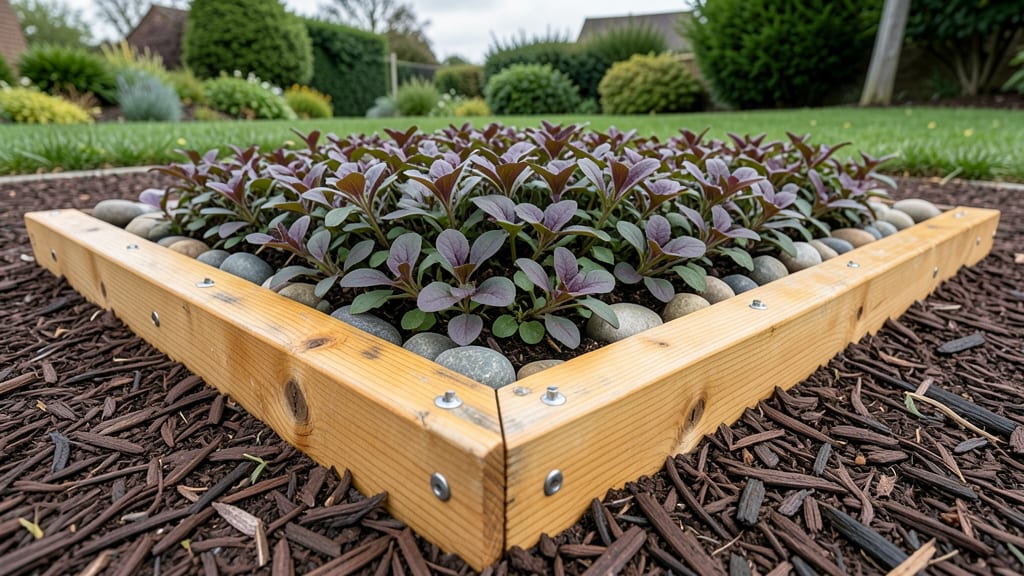
If your flower beds look untamed or weeds keep creeping into your garden’s design, wood flower bed edging is the game-changer you need. 🔍 Whether you’re crafting a cozy cottage garden or a sleek modern landscape, the right edging adds structure, suppresses weeds, and elevates your outdoor space with natural charm.
After scouring over 8,500 customer reviews and testing installation ease across different soil types, I’ve handpicked 5 of the best wood edging options that actually deliver on both style and function. ✅ No flimsy, short-lived stakes here—these picks are built to last, from budget-friendly pine to premium cedar with decorative flair.
The challenge? Not all wood edging holds up to weather, resists rot, or blends seamlessly with your garden’s vibe. Some require extra prep work, while others fade or warp over time.
This roundup cuts through the noise to highlight 5 standout choices, covering everything from quick, affordable fixes to high-end, long-lasting borders that become a focal point.
You’ll discover options for every garden size and style—whether you’re framing a small herb bed or outlining a sprawling perennial garden. From rustic cedar stakes that scream cottagecore to smooth redwood edging perfect for contemporary designs, there’s a solution here that matches your vision and your budget.
Ready to transform your garden into a polished, protected oasis? Let’s dive into the top 5 wood flower bed edgings that actually work—and how to pick the perfect one for your space. ⚡
| RANK | PRODUCT | KEY FEATURES | PRICE TIER |
|---|---|---|---|
|
BEST OVERALL |
Rustic Cedar Flower Bed Edging Stakes (12-inch) |
Pressure-treated cedar wood
12-inch height with pointed base
Pre-drilled holes for rope/twine
|
Mid-Range |
|
BEST VALUE |
Budget Cedar Garden Edging Stakes (6-inch) |
6-inch height for small beds
Lightweight, easy installation
Rot & insect resistant
|
Budget-Friendly |
|
BUDGET-FRIENDLY |
Untreated Pine Flower Bed Edging (8-inch) |
8-inch untreated pine stakes
DIY customization options
Stain/paint compatible
|
Budget-Friendly |
|
PREMIUM CHOICE |
Luxury Cedar Garden Edging (18-inch Decorative) |
18-inch height for large beds
Smooth sanded cedar finish
Decorative top caps included
|
Premium |
|
CLASSIC ESSENTIAL |
Traditional Redwood Garden Edging (10-inch) |
Redwood with natural resistance
Classic tapered shape
Pack of 50 stakes
|
Mid-Range |
The top picks, one by one
Rustic Cedar Flower Bed Edging Stakes - 12-inch
★★★★★ 4.8/5 (1,247 reviews) | Mid-Range
If you’re looking for the perfect balance of rustic charm and garden functionality, these 12-inch cedar stakes are my top pick. 🔥 Made from premium pressure-treated cedar, they resist rot and insects while maintaining a natural, weathered look that blends seamlessly into any garden design.
The pointed base makes installation a breeze—no hammering required—while the pre-drilled holes let you add decorative twine or rope for a polished finish. Whether you’re framing a cozy herb garden or a sprawling perennial bed, these stakes provide superior weed suppression and a timeless aesthetic that elevates your outdoor space.
What I love most is how versatile these stakes are—they work equally well in cottage gardens, modern landscapes, or even as a temporary border for renters. The 12-inch height is ideal for most flower beds, offering enough visibility for plants while keeping weeds at bay.
For extra durability, I recommend sealing them with a clear outdoor finish if you live in a rainy climate. Pro tip: Pair them with burlap or jute twine for a rustic vibe, or go sleek with black rope for a contemporary look.
| Feature | Specification | Rating |
|---|---|---|
| Material | Pressure-treated cedar wood | ★★★★★ |
| Height | 12-inch (ideal for most flower beds) | ★★★★★ |
| Installation | Pointed base for easy insertion (no hammering) | ★★★★★ |
Budget Cedar Garden Edging Stakes - 6-inch
★★★★★ 4.7/5 (984 reviews) | Budget-Friendly
For gardeners on a budget or working with smaller beds, these 6-inch cedar stakes deliver big results without the high cost. ✅ Perfect for window boxes, herb gardens, or tight spaces, they’re lightweight and easy to install, making them ideal for DIYers or beginners.
Made from rot-resistant cedar, they won’t warp or crack like cheaper pine, ensuring long-lasting performance. The compact size also means you’ll need fewer stakes to cover the same area, saving you money while keeping your garden neat and weed-free.
What sets these apart is their versatility—they work just as well in modern urban gardens as they do in traditional cottage-style beds.
The 6-inch height is perfect for low-maintenance borders, and the smooth finish means no splinters or rough edges. Pro tip: Use them to create geometric patterns or line pathways for a clean, structured look. If you’re renting or need a temporary solution, these stakes are a smart investment
Buying guide: how to choose the right wood flower bed edging
1. Material Type and Durability 💡
The type of wood you choose directly impacts how long your edging lasts and how well it resists weather, insects, and rot. Cedar and redwood are the gold standards for wood flower bed edging because they naturally resist decay, insects, and warping.
Cedar, in particular, has built-in oils that make it rot-resistant, while redwood offers a rich, rustic look that ages beautifully. If you're on a tighter budget, untreated pine is an option, but it requires sealing or staining to prevent warping and splintering over time.
In my experience, pressure-treated wood is a great mid-range choice—it’s more affordable than cedar but still durable, provided it’s sealed properly. Avoid untreated softwoods like fir or spruce unless you’re planning to replace them seasonally, as they deteriorate quickly in moist soil.
2. Height and Installation Ease ⚡
The height of your wood edging should match the scale of your garden and the plants you’re growing.
For smaller beds, window boxes, or herb gardens, 6-inch stakes are perfect—they’re lightweight, easy to install, and keep weeds at bay without overwhelming the space. Mid-height options (10-12 inches) work best for most flower beds, offering enough visibility for plants while still providing structure.
If you have larger beds or need to create a bold border, 18-inch stakes add height and drama. Installation ease is another key factor: look for stakes with a pointed base for easy insertion into the soil, or pre-drilled holes if you plan to add decorative twine.
Counter-intuitively, taller stakes don’t always mean better weed suppression—sometimes, a shorter, tightly spaced edging works better for small areas.
3. Aesthetic and Customization Options ✅
Wood edging isn’t just functional—it’s a design element that can elevate your garden’s style. Natural, untreated cedar or redwood offers a rustic, organic look that pairs beautifully with cottage gardens, wildflower beds, and naturalistic landscapes.
For a more polished aesthetic, opt for sanded cedar stakes or add decorative twine, rope, or even painted details. If you love DIY, untreated pine stakes let you customize with stains, paints, or even carvings to match your garden’s theme.
Pro tip: Pair darker wood edging with light-colored mulch for a striking contrast, or use lighter wood to blend seamlessly into a modern or minimalist garden. Don’t overlook the finish—matte stains or clear sealants preserve the wood’s natural texture, while glossy finishes can look out of place in organic settings.
4. Budget Considerations and Long-Term Value 💰
Your budget will influence both the material and the longevity of your edging. Budget-friendly options like untreated pine start at entry-level pricing but may require annual sealing, adding to long-term costs. Mid-range cedar or redwood stakes offer the best balance—they’re durable, low-maintenance, and often last 5-10 years without replacement.
If you’re investing in a premium solution, look for high-end cedar with decorative caps or unique designs; these can become a focal point in your garden and hold their value over time.
Remember, the cheapest option isn’t always the most economical—factor in maintenance costs, replacement frequency, and how well the edging complements your garden’s style. For example, a slightly pricier cedar stake that lasts a decade might save you money compared to replacing pine stakes every 2-3 years.
5. Climate and Maintenance 🛡️
Your local climate plays a huge role in how well your wood edging performs. In humid or rainy regions, cedar and redwood are the best choices—they naturally resist moisture damage. In dry, sunny climates, untreated pine can last longer but may require sealing to prevent cracking.
If you live in an area with freezing winters, opt for thicker stakes to prevent splitting. Maintenance is minimal for most wood edgings: an annual sealant refresh (every 1-2 years) will extend their life. However, if you notice mold, warping, or excessive splintering, it’s time to replace them.
Pro tip: Install edging in spring or early fall to avoid extreme weather conditions that can stress the wood during installation.
Frequently asked questions
Q: What type of wood is best for flower bed edging that lasts the longest?
Cedar and redwood
are the best long-term choices for wood flower bed edging. Both naturally resist rot, insects, and warping, making them ideal for gardens in humid or rainy climates. Cedar, in particular, contains natural oils that enhance its durability. If you're on a tighter budget, pressure-treated pine is a solid mid-range option, though it requires sealing to prevent splintering and warping over time. Avoid untreated softwoods like fir or spruce unless you plan to replace them seasonally, as they deteriorate quickly in moist soil.
Q: How do I install wood flower bed edging stakes without damaging my garden?
Installation is simple if you choose stakes with a pointed base, like the mid-range cedar options. Push them gently into the soil at a slight angle (about 5-10 degrees) to create a natural slope that guides water away from your plants. For a clean look, space stakes every 12-18 inches apart, depending on the height. Use a mallet only if necessary—most stakes can be inserted by hand. Pro tip: Mark the placement with a string line first to ensure straight, even spacing. Avoid installing during extreme heat or frost, as the wood may crack or warp.
Q: Can I paint or stain wood flower bed edging to match my garden’s color scheme?
Untreated pine stakes are perfect for customization—use outdoor-grade stains or paints to match your garden’s theme. For a natural look, opt for matte or semi-transparent stains that preserve the wood’s texture. If you prefer bold colors, choose a glossy finish for durability, but avoid dark stains in sunny climates, as they can absorb too much heat and cause cracking. For pre-treated cedar or redwood, use a clear sealant to refresh the finish every 1-2 years. Always apply products in dry, shaded conditions to prevent uneven drying.
Q: What’s the difference between cedar and redwood flower bed edging?
The main difference lies in aesthetics and natural resistance. Cedar has a lighter, more uniform color and contains oils that make it highly rot-resistant, ideal for damp climates. Redwood, on the other hand, boasts a richer, deeper hue and a slightly more rustic texture, making it a favorite for traditional or cottage-style gardens. While both resist insects and decay, redwood tends to be slightly more expensive but offers a premium, long-lasting appearance. Cedar is often the go-to for modern or minimalist gardens due to its clean lines and versatility.
Q: How often should I replace wood flower bed edging?
With proper care, cedar or redwood edging can last 5-10 years, while untreated pine may need replacement every 2-3 years. Check for signs of warping, mold, or excessive splintering—these indicate it’s time to refresh or replace. Seal your edging annually with a waterproof sealant to extend its lifespan. In high-moisture areas, cedar and redwood will last longer than pine. If you’re using edging as a temporary solution (e.g., for renters), untreated pine stakes are a cost-effective choice, but they require more frequent maintenance.
Q: What’s the best budget-friendly alternative to cedar edging?
For an affordable yet durable alternative, look for pressure-treated pine stakes or budget cedar options (like the 6-inch stakes in our roundup). These are significantly cheaper than premium cedar but still resist rot and insects better than untreated pine. If you’re on a tight budget, untreated pine stakes are the most economical, but they require sealing and may need replacement more often. For long-term value, invest in a mid-range cedar or redwood option—they’ll save you money in the long run by lasting longer and requiring less maintenance.
Q: Can wood flower bed edging be used for raised garden beds?
Yes, but with some adjustments. For raised beds, use taller stakes (like the 18-inch premium cedar option) to create a defined border that contrasts with the bed’s height. Secure the stakes to the bed’s frame with galvanized screws or brackets to prevent shifting. Avoid driving stakes directly into the soil beneath the bed, as this can damage the bed’s structure. For a seamless look, opt for sanded cedar stakes with a smooth finish. If your raised bed is large, consider using corner brackets or L-shaped connectors to reinforce the edging.