
Landscaping
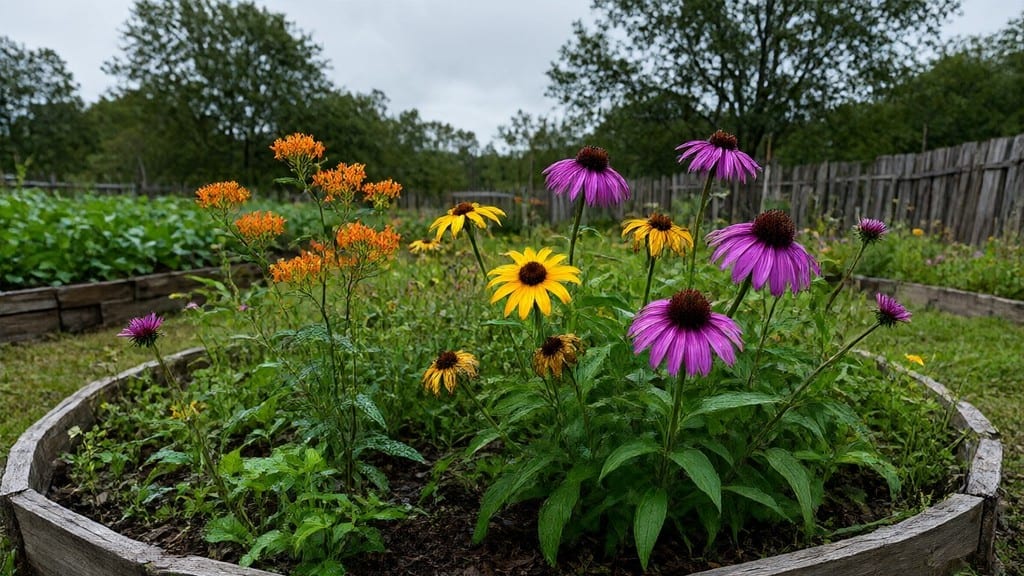
A wildflower garden design that hums with life and never stops blooming is closer than you think. 🌸 I learned the hard way that planting random wildflower seeds leads to a patchy, short-lived display—but a thoughtful layout with native species creates a thriving ecosystem that rewards you for years.
The key isn't just picking pretty flowers; it's understanding how they support pollinators, when they bloom, and how their colors shift with the seasons.
Start with your local native wildflowers—they're already adapted to your soil and climate, meaning less work for you and more food for bees, butterflies, and hummingbirds. A simple design might include early spring bloomers like lupine, summer stars like black-eyed Susans, and late-season asters that feed migrating monarchs.
You'll need basic tools (a hoe, gloves, and maybe a wheelbarrow), but the real magic happens when you let the plants do the work after the initial setup.
By late spring, your garden will burst into color in waves, each bloom attracting different pollinators. The air will smell like honey and fresh earth, and you'll watch bees and butterflies you've never noticed before making your space their home.
The best part? Once established, these gardens need almost no maintenance—just occasional deadheading to keep the flowers coming.
This approach works for small city balconies or sprawling rural acres, and I'll show you how to adapt the design to your space. Whether you're aiming for a wild, natural look or a more structured meadow-style garden, the principles stay the same—let's get those pollinators feasting!
📚 In This Guide
- What you need
- Instructions
- Tips and common mistakes
- Wrapping up and next steps
What you need
- ● Wildflower seeds: Choose native species (e.g., coneflowers, black-eyed Susans, milkweed). Buy 1–2 lbs per 100 sq ft for full coverage.
- ● Soil amendments: Compost (2–3 inches mixed into topsoil for nutrients).
- ○ Sand or perlite (optional, for drainage in heavy clay).
- ● Mulch: Straw or wood chips (1–2 inches) to retain moisture and suppress weeds.
- ● Garden fork or tiller (for breaking up compacted soil).
- ● Rake (to level the area).
- ● Garden hose or sprinkler (for watering).
- ● Gloves & knee pads (for comfort).
- ○ Optional: Seed spreader (for large areas), hoop house or row covers (to protect seedlings).
- ● Sunlight assessment: 6+ hours/day for most wildflowers (check seed packet specs).
- ● Water access: Ensure easy reach for the first 2–4 weeks post-planting.
- ○ Soil test (optional but helpful): Identify pH and nutrient needs (ideal pH: 6.0–7.5).
Step-by-step instructions for wildflower garden design
Here's how to create a thriving pollinator haven that blooms season after season.
🪴 Step 1: Choose Your Planting Site and Prepare the Soil
Select a sunny location with at least 6 hours of direct sunlight daily. Most wildflowers thrive in full sun, though a few shade-tolerant varieties can add depth to woodland edges. Clear existing vegetation in a 4-foot by 4-foot area (or larger, depending on your design), removing weeds and debris down to bare soil.
Wildflowers don't demand rich soil, but they do need good drainage. Loosen the top 6 inches of soil with a garden fork, breaking up any compacted layers. If your soil drains poorly, mix in 1-2 inches of coarse sand or perlite to improve aeration. Avoid heavy amendments like compost—they encourage weeds and compete with wildflowers.
🌱 Step 2: Select and Mix Your Wildflower Seeds
For a pollinator paradise, choose a blend of native wildflowers that bloom at different times. Early bloomers like lupine and phlox kick off the season, followed by black-eyed Susan and coneflower in summer, and goldenrod and asters in fall. Scatter seeds evenly over the prepared soil, aiming for 10-15 seeds per square foot.
Don't worry about spacing—wildflowers self-sow and fill in over time. Lightly rake the seeds into the soil to ensure good soil contact, but avoid burying them too deeply. Most wildflower seeds need light to germinate, so a ¼-inch cover is ideal. Water gently to settle the seeds without displacing them.
💧 Step 3: Water and Maintain Through the First Season
Keep the soil consistently moist but not soggy for the first 4-6 weeks, until seedlings establish roots. Water deeply 2-3 times per week if rainfall is scarce, aiming for 1 inch of water per week. Once seedlings appear, reduce watering to once weekly to encourage deep root growth.
Resist the urge to thin seedlings—wildflowers thrive in dense clusters. Instead, focus on keeping weeds at bay. Pull weeds by hand when they're small, as they compete aggressively with wildflowers for nutrients and water. Mulch lightly with straw or pine needles to suppress weeds without smothering the delicate seedlings.
☀️ Step 4: Encourage Year-Round Blooms and Pollinator Visits
Once established, wildflowers need minimal care. Water only during prolonged dry spells, as mature plants are drought-tolerant. Deadhead spent blooms in late summer to encourage a second flush of flowers, but leave some seed heads for winter interest and to feed birds.
To extend the blooming season, add a few late-blooming varieties like purple coneflower or Russian sage in early fall. These will provide nectar when other flowers have faded. Avoid fertilizers—they promote leafy growth at the expense of flowers. Wildflowers rely on their deep roots to find nutrients naturally.
✂️ Step 5: Divide and Expand Over Time
After the first year, your wildflower garden will start to spread naturally through self-seeding. In early spring, before new growth appears, you can divide clumps to expand the garden or share with neighbors. Simply dig up sections of established plants and transplant them to new areas.
This is also the time to add new varieties or fill in gaps. Scatter additional seeds in bare spots or along borders to create a more natural, layered look. With minimal effort, your wildflower garden will evolve into a vibrant, self-sustaining ecosystem that supports pollinators year-round.
Tips & tricks for perfect wildflower garden design
Creating a thriving pollinator garden takes more than just throwing seeds in the dirt—here's what I've learned from years of trial and error to make your wildflower paradise truly shine.
The Sunlight Secret: That 6 hours of daily sunlight isn't just a suggestion—it's non-negotiable for most wildflowers. I've seen gardens fail spectacularly when planted in partial shade. If your space only gets 4-5 hours, focus on shade-tolerant varieties like wild columbine or Virginia bluebells and plant them near trees or along north-facing walls. Trust me, the difference is night and day!
Soil Prep Game-Changer: When loosening those top 6 inches of soil, don't just scratch the surface—really dig in to break up compacted layers. I use a garden fork to create a spongy texture that wildflower roots can easily penetrate. Pro tip: If your soil feels like concrete when dry, mix in that 1-2 inches of coarse sand or perlite right at the start. This one step prevents waterlogging that can drown seedlings before they get established.
Seed Scattering Strategy: Those 10-15 seeds per square foot might seem sparse, but wildflowers need room to breathe. I like to use a simple method: divide my seed mix into small paper envelopes (about 1 square foot each) and walk through the garden scattering them. For larger areas, mix seeds with dry sand first—it helps distribute them more evenly. And remember, that ¼-inch cover is crucial. Too deep, and seeds won't germinate.
Watering Wisdom: The 4-6 week watering window is critical, but timing matters just as much as quantity. Water in the early morning so leaves have time to dry before evening. I set a timer for my irrigation system at 6 AM to make sure this happens automatically. Overwatering at this stage is just as bad as underwatering—both can lead to rot or weak seedlings that can't compete with weeds.
Pro Tips for Wildflower Garden Design
- Creating a thriving pollinator garden takes more than just throwing seeds in the dirt—here's what I've learned from years of trial and error to make your wildflower paradise truly shine.
- The Sunlight Secret: That 6 hours of daily sunlight isn't just a suggestion—it's non-negotiable for most wildflowers.
- Soil Prep Game-Changer: When loosening those top 6 inches of soil, don't just scratch the surface—really dig in to break up compacted layers.
Frequently asked questions
Got questions about designing a wildflower garden? You’re not alone! Here are some of the most common queries—and straightforward answers—to help you create a thriving pollinator paradise with ease.
What’s the best time of year to plant wildflowers?
For most regions, spring (after the last frost) or early fall (6–8 weeks before the first frost) are ideal. Spring planting gives flowers time to establish roots before summer heat, while fall sowing ensures early blooms next season. Pro tip: If your climate is mild, you can even plant in late winter!
How do I attract more pollinators to my wildflower garden?
Pollinators love native wildflowers with flat or tubular blooms (like coneflowers, bee balm, or milkweed). Add a water source (a shallow dish with rocks) and avoid pesticides. Bonus: Plant in clusters—pollinators navigate by color, so bigger patches = more visits!
Do wildflowers need a lot of water once established?
Once rooted, most wildflowers are drought-tolerant! Water deeply once a week for the first month, then taper off. Mulch lightly to retain moisture, but avoid smothering seeds. Exception: Annuals (like cosmos) may need regular watering during dry spells.
Can I mix wildflowers with other plants in my garden?
Wildflowers pair beautifully with perennials, shrubs, and even vegetables. Choose companions with similar water needs (e.g., lavender + salvia) to avoid competition. Avoid: Overcrowding—wildflowers thrive with space to spread.
What do I do if my wildflowers don’t bloom as expected?
Check for these common issues:
- Too much fertilizer: Wildflowers prefer low-nutrient soil—skip synthetic fertilizers.
- Overwatering: Many wildflowers rot in soggy soil.
- Poor sunlight: Most need 6+ hours of sun daily.
- Weeds: Mulch or hand-pull early to give flowers a fighting chance.
Troubleshoot: Deadhead spent blooms (for perennials) to encourage reblooming!
Wrapping up and next steps
Creating a wildflower garden design is more than just adding beauty to your space—it’s a gift to pollinators and a celebration of nature’s resilience. With the right mix of native blooms, thoughtful placement, and seasonal planning, you’ll craft a vibrant, low-maintenance paradise that thrives year-round. 🌸
Ready to take the next step? Start small—even a single patch of wildflowers makes a difference! Research local native species, sketch your design, and dive in. Your garden (and the bees, butterflies, and birds) will thank you for years to come.