
Landscaping
Transform your garden into a buzzing haven for bees, butterflies, and hummingbirds with these 10 wildflower bed designs. Each idea balances beauty, low-maintenance growth, and seasonal blooms to create a thriving ecosystem right outside your door.
Sunny Meadow Pollinator Paradise
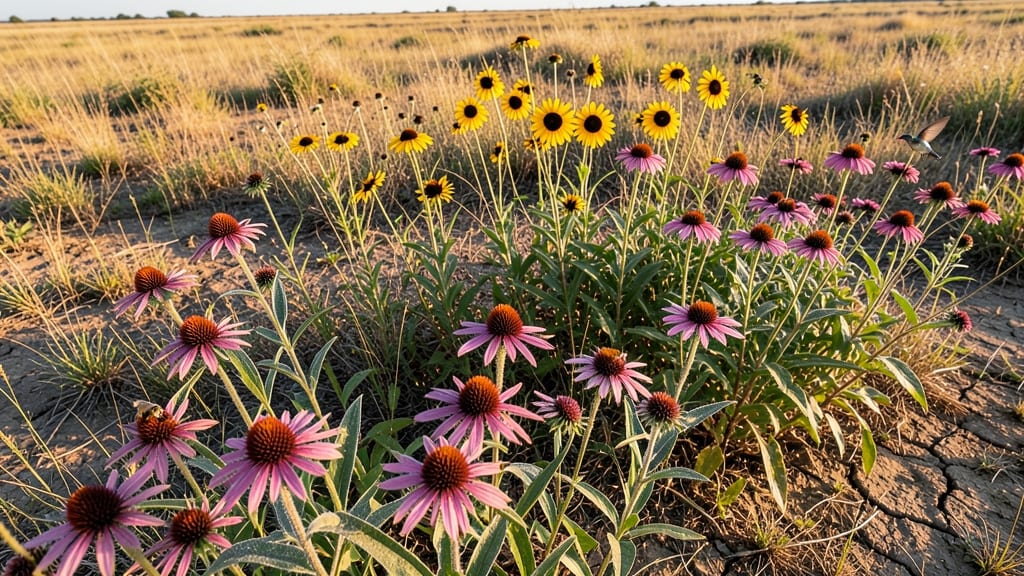
Turn your sunbaked yard into a pollinator paradise without the fuss of constant watering. This zero-irrigation meadow combines native coneflowers, black-eyed Susans, and bee balm—three powerhouse plants that thrive in full sun while attracting bees, butterflies, and hummingbirds in droves.
Once established, these drought-tolerant perennials need no supplemental watering, making them perfect for water-conscious gardeners. Plant them in loose, well-draining soil and let them spread naturally for a lush, meadow-like effect. The coneflowers provide late-summer color, while bee balm blooms all summer long, and black-eyed Susans take over in fall for a seamless seasonal display.
This design is ideal for urban gardeners, eco-conscious homeowners, and pollinator advocates who want beauty without the upkeep. Just plant, water lightly for the first month, and watch your garden transform into a humming, buzzing ecosystem. 🌻
Shade-Tolerant Woodland Wildflower Garden
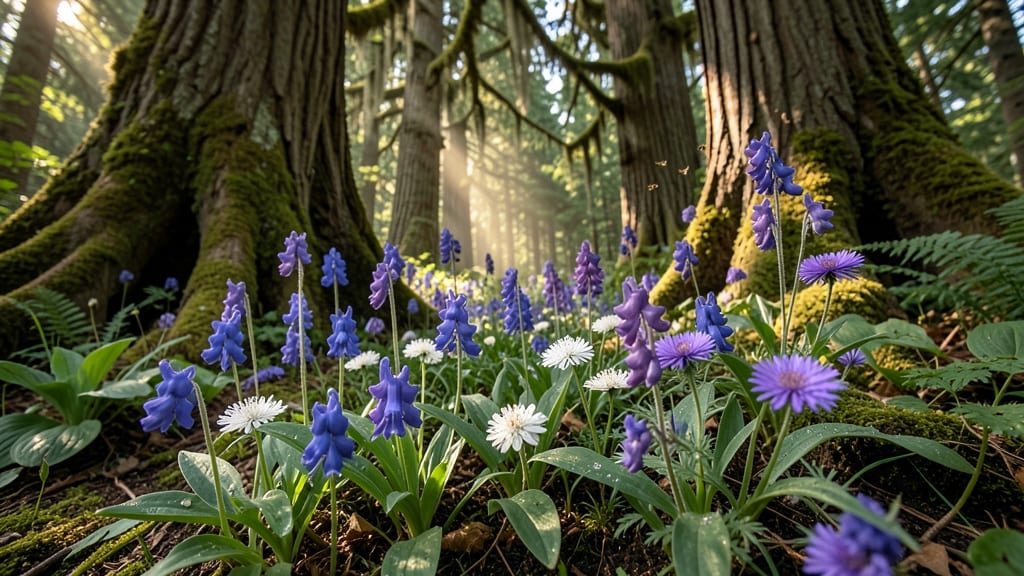
Turn those shady spots under towering trees or along your home’s north wall into a hidden pollinator paradise. This woodland wildflower garden thrives where most plants struggle, with columbines (blue or purple), foamflowers (delicate white blooms), and asters (late-season purple stars) creating a layered tapestry of color and texture.
Plant columbines in early spring for their nodding, bell-shaped flowers that hummingbirds adore, while foamflowers self-seed generously for years of airy white blooms. New England asters (purple) will burst into bloom in late summer, providing nectar for migrating monarchs. Mulch with leaf litter to mimic the forest floor and retain moisture—these plants prefer dappled shade but tolerate full shade in hot climates.
Perfect for gardeners with limited sun or urban yards with tree canopies, this design transforms neglected spaces into year-round wildlife habitats while requiring minimal care. 🌿
Drought-Proof Desert Wildflower Border
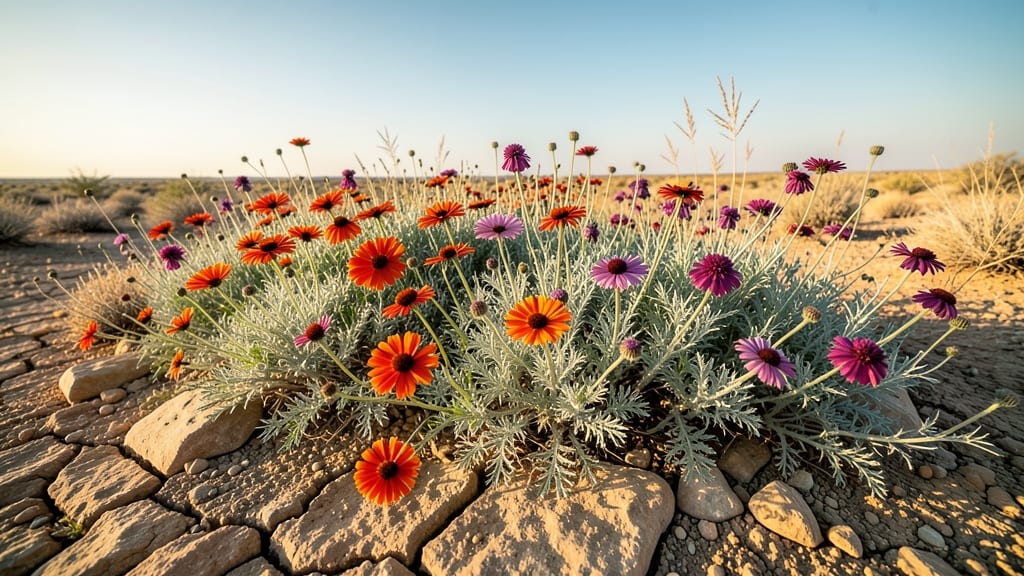
If you live in a region where water conservation is key, this drought-proof desert wildflower border is your answer. Combining blanket flowers (Gaillardia), yarrow (Achillea), and penstemons (Penstemon), this mix thrives in arid conditions while delivering bold colors that last through heatwaves.
Plant these perennials in well-draining soil with minimal prep—no need for rich amendments. Space them 12-18 inches apart for a natural, textured look. Seasonal rainfall is all they need once established, and they’ll reward you with months of blooms from late spring through fall. The fiery oranges, deep purples, and bright yellows create a stunning contrast against rocky or sandy landscapes.
This design is perfect for gardeners in USDA zones 4-9 who want zero-maintenance borders that still make a statement. It’s also ideal for urban desert yards where water restrictions make traditional gardens impractical. 💪
Seasonal Succession Wildflower Patch
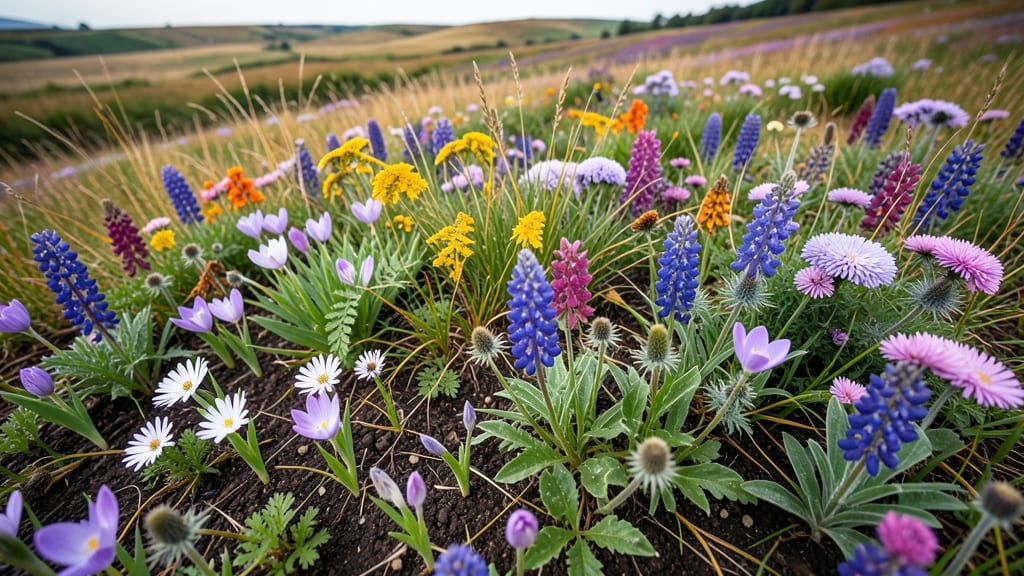
Tired of seasonal gaps where your garden looks bare between blooms? A seasonal succession wildflower patch solves that by stitching together a year-long tapestry of color and life. This isn’t just one burst of blooms—it’s a carefully choreographed sequence where crocuses wake up in early spring, lupines take over in late spring, coreopsis shines in summer, and goldenrod steals the show in fall.
Plant these perennials in overlapping clusters so each variety fades into the next, creating a seamless transition. Most thrive in full sun to part shade and need minimal water once established, making them perfect for busy gardeners. The key is to stagger planting times—sow early bloomers like crocuses in fall, while later stars like goldenrod can go in early spring.
This design is ideal for gardeners who want to support pollinators year-round without the upkeep of annual replanting. It’s especially rewarding for those with limited space, as it delivers maximum impact in a small footprint. 🌻
Native Prairie Restoration Garden
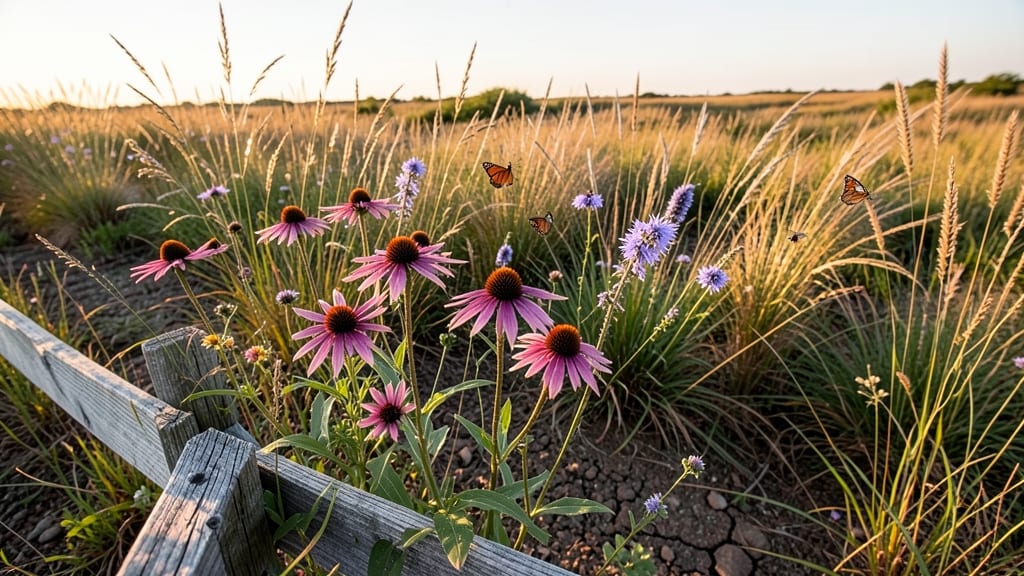
Want to turn your garden into a thriving ecosystem that supports local wildlife while requiring minimal upkeep? A native prairie restoration garden brings the beauty and benefits of a natural prairie right to your backyard, using native grasses and wildflowers like blazing stars and prairie coneflowers that thrive with little intervention.
This design mimics the natural diversity of prairie ecosystems, offering year-round interest with tall ornamental grasses for winter structure and vibrant blooms from early spring through fall. Plant in large drifts for maximum impact, and avoid tilling to preserve soil health. Native plants here require only seasonal rainfall once established, making them perfect for water-conscious gardeners.
Ideal for eco-conscious gardeners, this low-maintenance design supports local biodiversity while creating a stunning, textured landscape. It’s also a great choice for larger properties or open spaces where you can let nature take the lead. 🌻
Container Wildflower Window Box
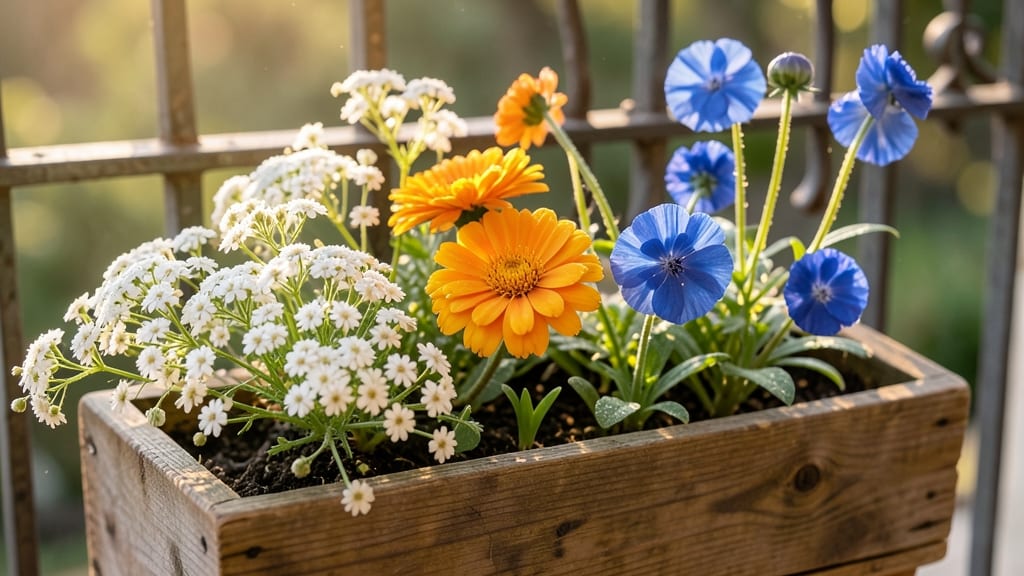
Bring the charm of a wildflower meadow to your balcony or patio with a container wildflower window box that doubles as a pollinator party. This compact trio of sweet alyssum (fragrant white blooms), calendula (bright orange-yellow petals), and bachelor's buttons (cheerful blue flowers) thrives in just 6-8 inches of soil, making it perfect for urban spaces with limited room.
Start by filling your window box with a well-draining potting mix and plant the trio in equal proportions for a balanced look. The sweet alyssum will spill over the edges, while the taller bachelor's buttons add vertical interest. Move the container throughout the day to follow the sun—these wildflowers need 4-6 hours of sunlight but can handle partial shade in hot afternoons. Deadhead spent blooms weekly to encourage continuous flowering from spring until frost.
This design is ideal for renters, small-space gardeners, and pollinator enthusiasts who want instant impact. The sweet scent and vibrant colors will attract bees, butterflies, and hoverflies while adding a whimsical touch to any home. 🌷
Butterfly Magnet Wildflower Circle
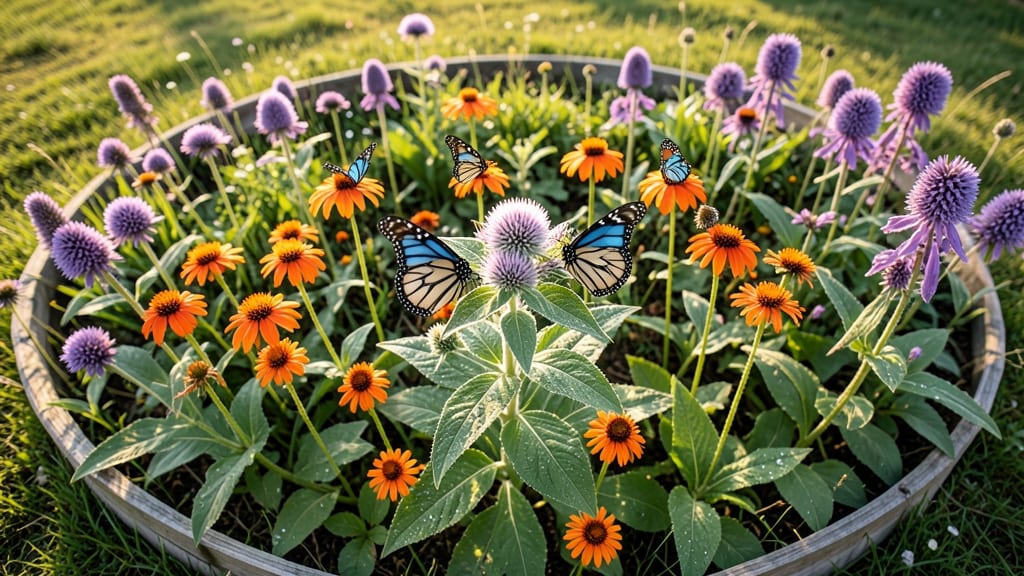
Create a butterfly superhighway in your garden with this circular wildflower design that doubles as a monarch and swallowtail magnet. The secret? Concentric rings of milkweed (for monarch caterpillars), butterfly weed (orange nectar powerhouses), and Joe-Pye weed (tall purple blooms that attract swallowtails). This layout isn't just beautiful—it's a strategic pollinator buffet, with each ring serving a specific purpose in the butterfly lifecycle.
Start by planting butterfly weed in the center (it thrives in full sun and spreads easily), then create a second ring of milkweed (critical for monarch reproduction) spaced 18-24 inches apart. The outer ring gets Joe-Pye weed (4-6 feet tall) to provide late-summer nectar and vertical interest. Water deeply after planting, then let the plants establish before reducing to weekly watering—these drought-tolerant perennials will reward you with years of blooms and fluttering visitors.
This design is perfect for small suburban yards, pollinator gardens, or children's play areas where you want instant impact. The circular shape creates natural focal points in any landscape, while the layered blooming times ensure continuous activity from early summer through fall. Watch as your garden becomes a butterfly hotspot in no time! 🌷
Edible Wildflower Salad Garden
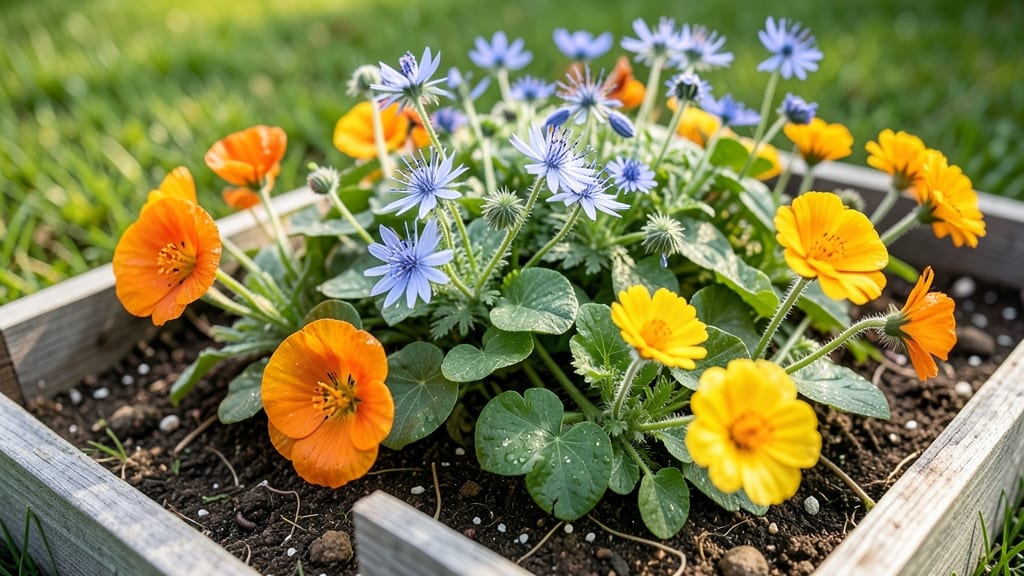
Why settle for a garden that’s just pretty when it can also feed you? This edible wildflower salad garden marries beauty with bounty, featuring nasturtiums (peppery orange blooms), borage (star-shaped blue flowers), and calendula (cheerful golden petals)—all of which are safe (and delicious) to harvest straight from the stem.
Plant these annuals in full sun to part shade with well-draining soil, spacing them 12-18 inches apart. They thrive in containers or garden beds, and their vibrant colors will attract pollinators while you snip flowers for salads, teas, or garnishes. Nasturtiums add a peppery kick, borage offers a cucumber-like flavor, and calendula brings earthy sweetness—perfect for culinary gardeners who want to eat what they grow.
This design is ideal for small-space gardeners, urban balconies, or kitchen gardens where you want both aesthetics and harvest. Just be sure to avoid pesticides, as these flowers are magnet for bees and butterflies. 🌱
Low-Maintenance Ground Cover Wildflowers
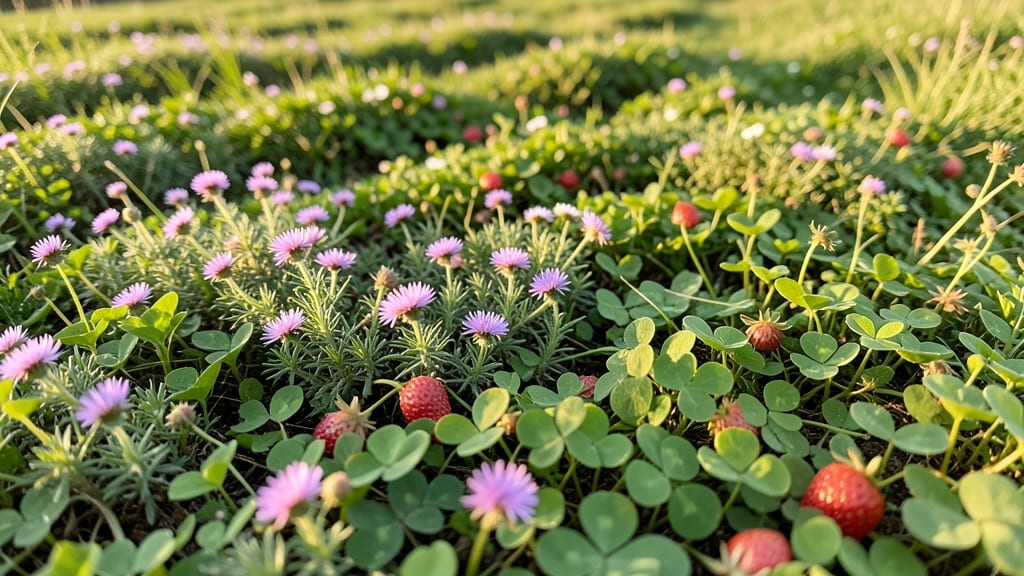
Say goodbye to patchy lawns and hello to a self-sustaining green carpet that thrives on neglect. This low-maintenance ground cover combines creeping thyme (fragrant purple blooms), white clover (nitrogen-fixing leaves), and wild strawberries (edible berries) to create a living mat that outcompetes weeds while requiring zero mowing or trimming. The trio spreads effortlessly, forming a dense, drought-resistant layer that stays lush even in dry spells.
Plant this mix in full sun to part shade on well-draining soil, and water lightly for the first month to help roots establish. Once settled, these plants need only occasional watering—perfect for busy gardeners or water-restricted areas. The intermittent blooms (purple thyme in summer, white clover flowers in spring/fall) provide pollinator snacks, while the wild strawberries offer a sweet harvest. For best results, mow or trim just once a year in early spring to control height.
This design is ideal for urban gardeners with small yards, eco-conscious homeowners, or anyone tired of lawn maintenance. It’s especially transformative along pathways, slopes, or under trees where grass struggles. 🌱
Moon Garden Night-Blooming Wildflowers

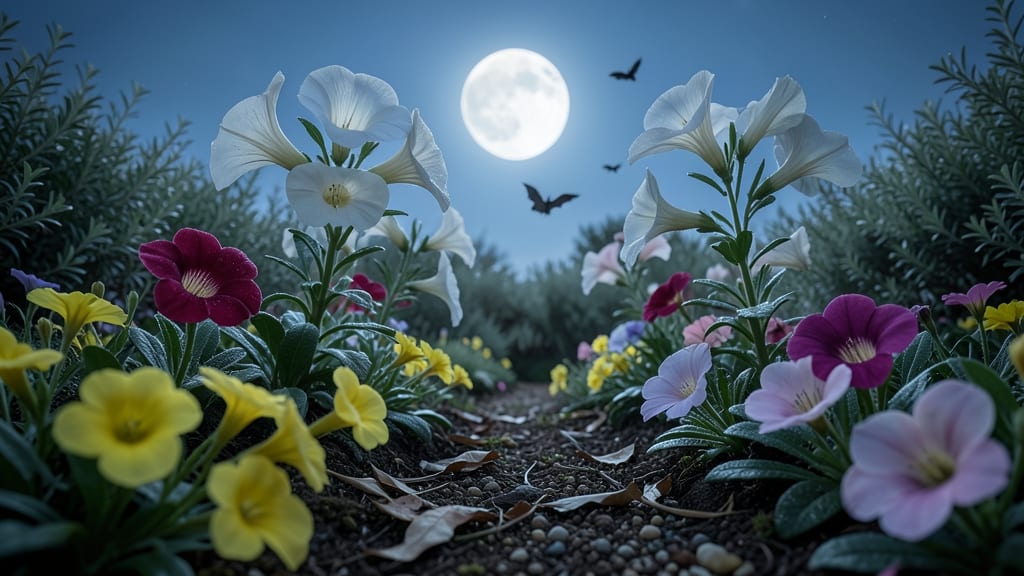
Transform your garden into a twilight oasis where nocturnal pollinators reign. A moon garden featuring evening primrose (soft yellow blooms), moonflower (giant white trumpets), and four o'clocks (vibrant pinks and purples) opens after sunset, revealing fragrant petals that attract moths, bats, and night-flying bees—creatures often overlooked in daytime gardens.
Plant these moisture-loving perennials in well-draining soil with partial shade (they thrive under dappled light or near patios). Moonflowers climb trellises or fences, while four o'clocks and evening primrose stay compact. Deadhead spent blooms to encourage continuous nighttime displays from late spring through fall. Their scented flowers also create a magical ambiance for evening strolls.
This design is perfect for gardeners who want to support nighttime pollinators or create a romantic, low-light garden that glows under moonlight. It’s especially rewarding for urban spaces with limited daytime sun. ✨