
Vegetables
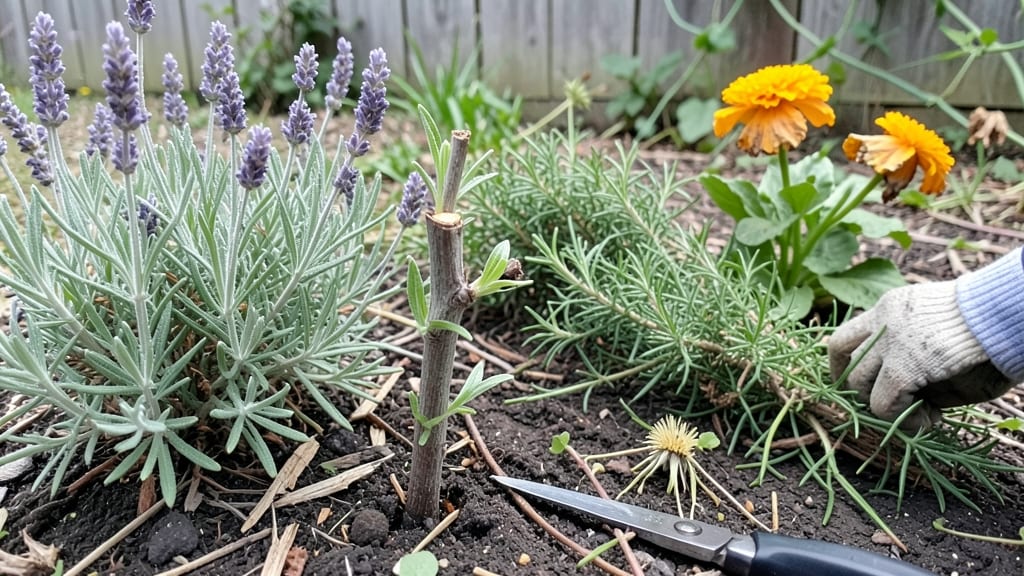
Human gardens thrive because they intentionally cultivate biodiversity, creating microclimates that support pollinators, suppress pests, and maximize nutrient cycling through companion planting and soil health practices. This deliberate design mimics natural ecosystems while optimizing yields and resilience.
Human gardens succeed because they're designed like miniature ecosystems, where every plant plays a role in supporting others. 🌱 The magic happens when you pair plants strategically—like basil with tomatoes to repel pests or clover in pathways to fix nitrogen—creating a self-sustaining cycle.
This approach doesn't just boost harvests; it reduces reliance on chemicals while inviting beneficial insects like bees and ladybugs into your space. The result? A garden that works harder for you with less effort over time.
What sets these gardens apart is their ability to adapt. By layering plants from tall trees to ground covers, you create shelter and shade that regulate temperature and moisture. This mimics how forests naturally thrive, keeping your soil rich and your plants healthier.
The key is balance—too much of one plant type can create problems, but a diverse mix turns your garden into a resilient, productive powerhouse.
💡 In This Article
- How Companion Planting Boosts Garden Ecosystems
- Designing a Biodiverse Garden for Pollinators and Soil Health
How companion planting boosts garden ecosystems
At the heart of thriving human gardens lies a hidden symphony of plant interactions. When you pair marigolds with tomatoes, for example, the marigolds release a compound called alpha-terthienyl that repels nematodes—microscopic worms that can devastate tomato roots.
These beneficial pairings create a natural pest control system that reduces the need for chemical interventions. The science behind this is fascinating: some plants emit volatile organic compounds (VOCs) that disrupt insect communication or deter feeding, while others attract predators of garden pests like aphids.
Soil fertility gets a major boost through nitrogen-fixing legumes like peas or clover. These plants form symbiotic relationships with soil bacteria called rhizobia, which convert atmospheric nitrogen (N₂) into ammonia (NH₃), a form plants can absorb.
A single acre of alfalfa can fix up to 300 pounds of nitrogen per year—enough to feed neighboring plants for seasons. This biological process mirrors how wild ecosystems maintain fertility without synthetic inputs, creating a closed-loop system where waste becomes nourishment.
The visual diversity of companion planting also works wonders for pollinators. Gardens with staggered blooming cycles—like early spring crocuses followed by summer lavender—provide continuous food sources for bees and butterflies. Research shows that gardens with 10 or more plant species support 30% more pollinator species than monoculture plots.
The key is creating floral "highways" with plants that bloom at different times, ensuring pollinators always have access to nectar and pollen throughout the growing season.
What most gardeners don't realize is how these pairings create microclimates. Tall sunflowers cast shade that reduces soil evaporation, while low-growing thyme prevents weed growth by blocking sunlight. This layered approach mimics forest ecosystems where each plant layer serves a purpose—canopy trees, shrubs, herbs, and ground covers all work together.
The result? More stable temperatures, better moisture retention, and reduced stress on your plants during heatwaves or droughts.
Consider the classic trio of basil, tomatoes, and onions. Basil repels thrips and whiteflies that target tomatoes, while onions deter aphids that might attack both. The tomatoes provide shade for the basil's delicate leaves, and all three benefit from the improved soil structure created by their combined root systems.
This interdependence is what transforms a simple vegetable patch into a self-regulating ecosystem that requires less maintenance over time.
The real magic happens when you think beyond individual plants to the entire garden as a living organism. Each companion relationship—whether it's the pest-repelling marigolds or the nitrogen-fixing beans—contributes to a larger system where every element supports the others.
The result isn't just higher yields, but a garden that becomes more resilient with each passing season, requiring fewer inputs and producing more outputs. 🌿