
Pests
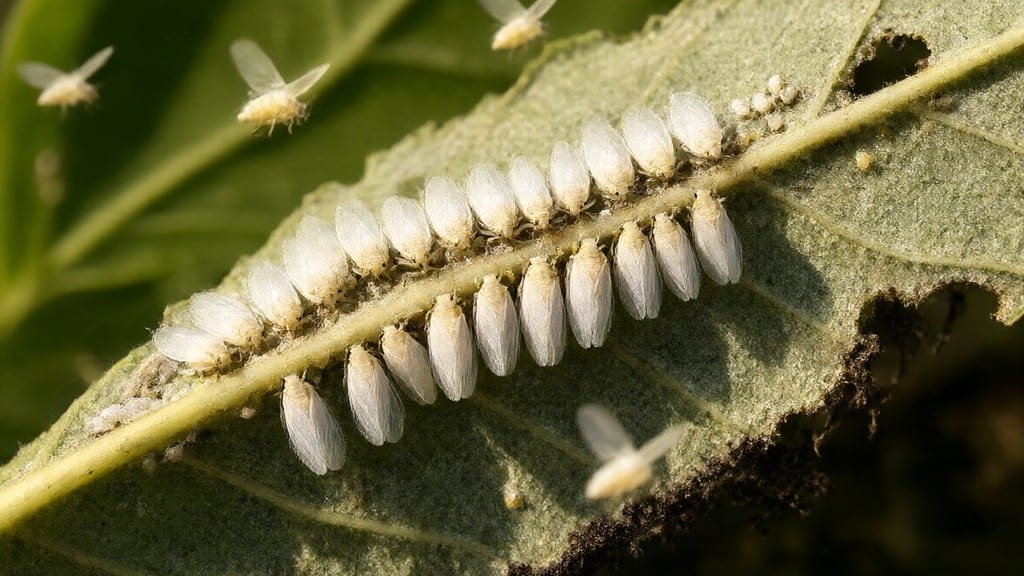
Whiteflies in your garden aren’t just annoying—they can strip plants bare in weeks if you don’t act fast. 🌿 I’ve battled these tiny white pests on my tomatoes and peppers, and I’ll show you how to knock them down in 24 hours using traps that actually work, not just fancy sprays that make the problem worse.
The key is catching them before they multiply. Yellow sticky traps placed near infested plants can pull in hundreds of whiteflies overnight, while soapy water sprays (mix 1 teaspoon dish soap with a quart of water) smother adults on contact.
I’ve seen entire colonies collapse within a single treatment when combined with these traps.
By morning, you’ll notice fewer fluttering wings and new growth starting to breathe again. The plants stay healthier, and you avoid chemical residue that harms pollinators. This method works for tomatoes, peppers, citrus, and even houseplants—no matter how bad the infestation looks.
Once the immediate threat is gone, focus on prevention: neem oil sprays weekly, reflective mulch to disorient them, and introducing ladybugs or lacewings as natural predators. The battle doesn’t end after 24 hours, but you’ll have the upper hand from day one.
Root Causes of Whitefly Infestations
Whiteflies may seem like a sudden nuisance, but they rarely appear out of nowhere. Understanding the why behind their presence in your garden is the first step to preventing them—and keeping your plants thriving. Let’s break down the key factors that turn your green space into a whitefly buffet.
Whiteflies are opportunistic pests, and they love weak or overcrowded plants. When your garden is packed too tightly, airflow is restricted, creating a cozy, humid microclimate—perfect for these tiny invaders.
Additionally, plants under stress (due to drought, poor soil, or nutrient deficiencies) produce sticky honeydew, which attracts whiteflies like a dinner bell.
Why it happens:
- Poor airflow traps moisture, making plants more vulnerable.
- Weakened defenses from lack of water, sunlight, or nutrients.
- Honeydew buildup (a sugary waste product from sap-sucking pests) acts as a magnet for whiteflies and sooty mold.
Actionable fix: Prune regularly, space plants properly, and ensure they get consistent watering and balanced fertilization.
Whiteflies thrive in warm, tropical conditions—they’re most active when temperatures hover between 70–90°F (21–32°C) and humidity is high. If you live in a region with long, hot summers or have a greenhouse, you’re essentially rolling out the welcome mat for these pests.
Why it happens:
- Rapid reproduction: Whiteflies can lay hundreds of eggs in just a few weeks under ideal conditions.
- Slower predator activity: Natural enemies (like ladybugs or lacewings) move sluggishly in extreme heat, giving whiteflies an edge.
- Greenhouse environments trap heat and humidity, creating a whitefly paradise.
Actionable fix: Use shade cloth in greenhouses, improve ventilation, and introduce beneficial insects that tolerate heat.
One of the fastest ways to invite whiteflies is by introducing an already infested plant—whether from a nursery, garden center, or even a neighbor’s yard. These pests hitchhike on leaves, stems, and soil, making them hard to spot until it’s too late.
Why it happens:
- Hidden eggs or pupae on plant leaves or in soil.
- Weak quarantine protocols (some nurseries don’t inspect plants thoroughly).
- Wind or insect activity spreads whiteflies from nearby infected gardens.
Actionable fix: Always inspect new plants before bringing them home, especially the undersides of leaves. Quarantine new additions for 2–4 weeks to monitor for pests.
In a healthy garden ecosystem, whiteflies have natural enemies—ladybugs, lacewings, parasitic wasps, and even spiders—that keep their populations in check. But if your garden lacks biodiversity (due to pesticides, monoculture planting, or habitat destruction), whiteflies can explode without any predators to rein them in.
Why it happens:
- Broad-spectrum pesticides kill beneficial insects along with pests.
- Monoculture gardens (planting only one type of plant) reduce habitat diversity.
- Seasonal die-offs of predators leave whiteflies unchecked in spring/summer.
Actionable fix: Plant native flowers to attract predators, avoid harsh chemicals, and introduce beneficial nematodes or parasitic wasps (like Encarsia formosa).
Whiteflies don’t just target living plants—they also overwinter in garden debris, dead leaves, and even mulch. If you neglect cleanup, these pests can re-emerge stronger when conditions warm up.
Why it happens:
- Eggs survive winter in dried plant material.
- Compost piles can harbor whitefly pupae if not heated properly.
- Weeds and volunteer plants provide hiding spots and food sources.
Actionable fix: Clear debris regularly, compost at high temperatures (140°F+), and remove weeds before they seed.
While nitrogen helps plants grow, too much can make them soft, succulent, and irresistible to sap-sucking pests like whiteflies. Fast growth = more vulnerable plants.
Why it happens:
- Excess nitrogen promotes lush, tender new growth that whiteflies adore.
- Imbalanced soil (too much fertilizer, not enough potassium) weakens plant defenses.
- Synthetic fertilizers can disrupt beneficial soil microbes that naturally repel pests.
Actionable fix: Use slow-release organic fertilizers, test soil regularly, and balance nitrogen with phosphorus and potassium for stronger plants.
Whiteflies don’t just appear—they’re drawn by weakness, warmth, and opportunity. By addressing these root causes, you’re not just treating an infestation—you’re preventing future outbreaks naturally. The key? Healthy plants + smart garden habits = fewer pests! 🚀
How to Treat and Prevent Whiteflies
Whiteflies may seem like a tiny, relentless nuisance, but with the right strategies, you can reclaim your garden in no time. The key is to tackle them based on their behavior and the damage they cause—whether they’re sucking sap, spreading diseases, or simply multiplying like mad.
Below, we break down practical fixes for each common cause, plus prevention tips to keep them from staging a comeback.
Whiteflies thrive on plant sap, and if left unchecked, they’ll weaken your plants. Cut off their food source with these methods:
- 🍳 Remove Heavily Infested Leaves Drop leaves with visible whiteflies into a bucket of soapy water (1 tsp dish soap per gallon). This prevents them from flying to other plants. Pro tip: 💡 Check the undersides of leaves—their favorite hiding spot!
- 👨🍳 Prune and Dispose of Damaged Growth Trim back severely infested stems or branches. Don’t compost them! Seal them in a trash bag to prevent escapees.
- 🥘 Yellow Sticky Traps (Fastest Solution) Hang yellow sticky cards near plants. Whiteflies are drawn to yellow and get trapped instantly. Replace every 2–3 days for maximum effectiveness.
Whiteflies excrete honeydew, a sticky substance that attracts mold (sooty mold) and bacteria. Break the cycle with these steps:
- 🧼 Wash Plants with Soapy Water Mix 1 tsp mild liquid soap (like Castile soap) with 1 quart of water in a spray bottle. Lightly spray the undersides of leaves where whiteflies hide. Avoid overspraying—soap can harm beneficial insects.
- ✨ Hose Them Off Daily (For Severe Infestations) Use a strong stream of water to knock them off plants. Do this early in the morning so they don’t dry out quickly. Repeat every 2–3 days until populations drop.
- 🛡️ Use Reflective Mulch Lay silver or aluminum mulch around plants. The reflection disorients whiteflies, making it harder for them to land. Bonus: It also deters other pests like aphids!
If whiteflies are breeding like crazy, bring in the good guys to outcompete them:
- 🐞 Introduce Beneficial Insects Ladybugs, lacewings, and parasitic wasps (like Encarsia formosa) love whiteflies. Purchase them from garden centers or release them at dusk when they’re most active.
- 🌿 Neem Oil Spray (Organic Knockdown) Mix 1 tbsp neem oil + 1 tsp soap + 1 quart water. Spray evenly on both leaf sides. Reapply every 5–7 days until control is achieved. ⚠️ Warning: Avoid spraying in direct sunlight—it can burn plants.
- 🔪 DIY Kaolin Clay Barrier Mix 1 cup kaolin clay + 1 gallon water. Stir well and spray on plants. The clay creates a physical barrier that whiteflies avoid. Reapply after rain.
Once you’ve kicked them out, lock the door with these long-term strategies:
- 🌱 Choose Resistant Plants Some plants (like marigolds, basil, and lemongrass) repel whiteflies naturally. Plant them near vulnerable crops.
- 🌡️ Monitor with a Flashlight Shine a bright light on leaves at night—whiteflies are highly attracted to light and will expose themselves.
- 🚫 Avoid Over-Fertilizing Whiteflies love soft, lush growth. Use balanced, slow-release fertilizer instead of high-nitrogen feeds.
- 🌿 Maintain Garden Hygiene Remove weeds and debris—they harbor whiteflies and other pests. Rotate crops yearly to disrupt their life cycle.
Final Thought: Whiteflies may be tiny, but they’re no match for a well-prepared gardener. Combine trapping, biological control, and prevention, and you’ll keep your garden whitefly-free—without harsh chemicals! 🚀
Frequently asked questions about tiny white garden invaders
What do whiteflies look like up close?
Whiteflies are tiny, 1/16-inch white insects that resemble miniature moths with fringe-like wings. When disturbed, they flutter upward in dense clouds. Look closely at the undersides of leaves—you’ll spot their yellow eggs or pupae clustered together.
How do I know if my plants have whiteflies?
Check for sticky residue (honeydew) on leaves and black sooty mold on plant surfaces. Shake plants over a white sheet—if tiny white specks fly up, it’s a whitefly infestation. They love tomatoes, peppers, citrus, and houseplants.
Are whiteflies harmful to my garden?
Yes! They suck plant sap, weakening growth and spreading viruses. Their honeydew attracts mold, blocking sunlight. Severe cases can kill young plants or reduce harvests by 30-50% if untreated.
What’s the fastest way to eliminate whiteflies?
Combine yellow sticky traps (hang near plants) with a soapy water spray (1 tsp dish soap per quart of water). This smothers adults while traps catch newly hatched flies. Repeat daily for 3-5 days for best results.
Can I use neem oil in hot weather?
Neem oil works best at 60-85°F. Avoid spraying in direct sunlight or extreme heat (>90°F) to prevent leaf burn. Apply in early morning or evening for safety.