
Picking
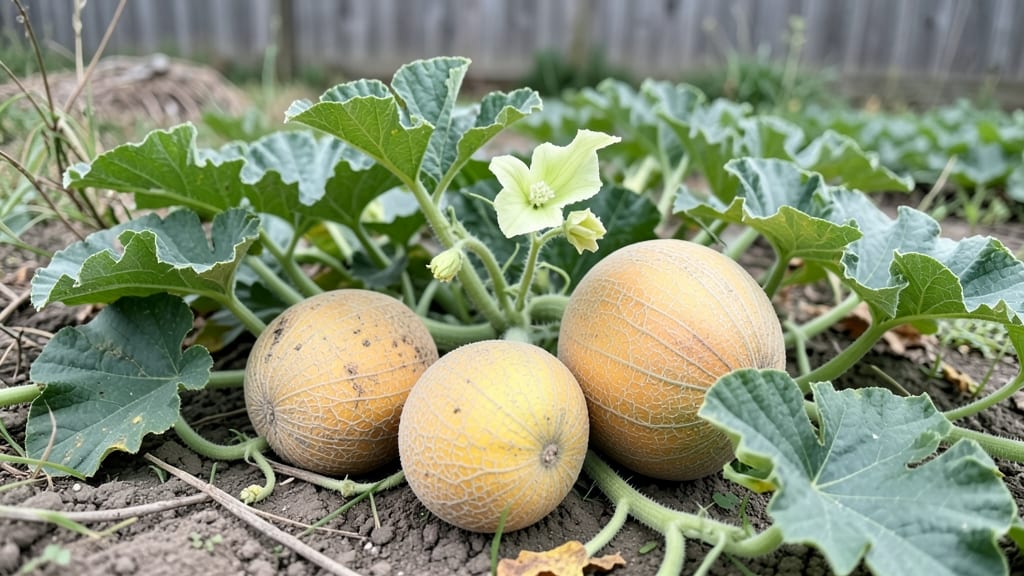
Knowing when to pick cantaloupe from your garden ensures you harvest sweet, juicy perfection—when the fruit slips from the vine with just a gentle twist.
Ever bitten into a cantaloupe that tasted more like a watery sponge than the sweet, fragrant treat you imagined? That’s what happens when you pick too early or too late.
The difference between a bland disappointment and a burst of summer flavor comes down to knowing the exact moment to harvest.
Most gardeners wait for the classic creamy yellow rind or that unmistakable sweet aroma, but there’s more to it. The stem should slip free with minimal effort, and the netting on the skin should stand out like a spiderweb.
These three key signs—color, scent, and stem separation—are your green thumb’s shortcut to cantaloupe success.
Below, I’ll walk you through how to test for ripeness beyond just looking at the fruit, plus what to do if you miss the window. By the end, you’ll never second-guess when to pick another cantaloupe from your garden again.


3 Visual signs your cantaloupe is ripe and ready to pick
There's nothing worse than biting into a cantaloupe that's still hard or bland—it's the gardener's equivalent of a letdown. The good news? Your cantaloupe won't keep you guessing for long. With just three simple visual cues, you can tell when your fruit is at its sweetest peak.
These signs are foolproof, whether you're growing cantaloupes in raised beds or sprawling vines in your backyard. The key is knowing what to look for and when to act.
Many gardeners make the mistake of harvesting too early because they're eager to enjoy their homegrown bounty. But cantaloupes won't ripen further once picked, so timing is everything. The color changes, stem separation, and scent are your best friends here.
Once you master these three visual signals, you'll never second-guess your harvest again. Let's break down each one so you can confidently pick your cantaloupe at the perfect moment.
Look for a dull, creamy yellow or tan color on the rind. Avoid bright green or white patches—these mean your cantaloupe still needs time. The netting pattern (the web-like texture) should also be more pronounced, not faint or barely visible.
Gently twist the stem near the vine—it should detach with minimal effort. If it resists or breaks off cleanly, your cantaloupe isn't ready. A ripe stem will feel dry and papery, almost like it's separating naturally from the fruit.
Take a sniff near the stem end—a ripe cantaloupe will emit a sweet, musky scent, almost like a mix of honey and cantaloupe. If it smells bland or slightly fermented, it's either underripe or overripe. Trust your nose; it's one of the most reliable indicators!
One of the biggest mistakes gardeners make is relying on fruit size alone. Just because your cantaloupe is big doesn't mean it's ripe—some varieties grow large but stay hard and tasteless. Always check the rind color first, then move to the stem and scent.
If your cantaloupe passes all three tests, it's time to harvest. Use a sharp knife or pruners to cut the stem, leaving about an inch attached to the fruit.
If you're still unsure, don't worry—there are additional tactile tests (like the thump and twist method) we'll cover later. But for now, focus on these three visual cues. They'll give you the confidence to pick your cantaloupe at the exact moment it's bursting with flavor.
Once you've harvested, store your cantaloupe in a cool, dry place away from direct sunlight to preserve its freshness and sweetness.
Pro tip: Keep an eye on your cantaloupes in the late afternoon when temperatures are cooler. This is when the scent is strongest and the rind color is easiest to see.
And remember, cantaloupes ripen best on the vine, so don't rush the process. Patience is key to that perfect, sweet harvest you've been dreaming of.
Now that you know what to look for, head out to your garden and give your cantaloupes the once-over. You'll be slicing into juicy, ripe perfection in no time. Happy harvesting!
How to test cantaloupe ripeness beyond the surface: the thump and twist method
Sometimes, cantaloupe look ripe on the outside but feel underwhelming when sliced. That’s why I rely on tactile tests—the thump and twist method—to confirm ripeness.
These simple tricks help me avoid bland, seedy fruit or overripe mush that’s past its prime. Let’s break down how to use them like a pro.
Not all cantaloupes ripen uniformly, especially in hot climates or when grown in containers. Visual cues like color can be misleading if the fruit didn’t get enough sunlight or consistent watering.
That’s where the thump test and stem twist save the day. Master these, and you’ll never guess again!
The Thump Test
Gently thump the cantaloupe with your knuckles. A ripe cantaloupe will sound hollow or dull, like a thud. If it sounds sharp or pingy, it’s still firm and unripe.
Check the Stem
Look for the stem end near the vine. A ripe cantaloupe’s stem will dry out and separate easily when you gently twist it. If it resists or snaps cleanly, the fruit isn’t ready yet.
The Twist Test
Grasp the cantaloupe’s stem end and give it a firm twist. If the stem slips off with minimal effort, it’s ripe. If it stays attached, wait a few days. Never pull the fruit from the vine—this can damage the plant.
Texture Check
Press your thumb into the blossom end (opposite the stem). A ripe cantaloupe will yield slightly to gentle pressure. If it feels rock-hard or squishy, it’s not ready—or it’s overripe.
Why do some cantaloupes fail these tests even when they look ripe? Often, it’s due to uneven ripening caused by inconsistent sunlight or water stress. For example, cantaloupes grown in containers may ripen faster on one side. Always test multiple fruits from the same vine to ensure consistency.
Pro tip: Harvest cantaloupes in the morning when temperatures are cooler. This prevents the fruit from overheating and softening too quickly after picking. Store them at room temperature until fully ripe—never refrigerate until they’re ready to eat!
Once you master these tactile tests, you’ll never second-guess cantaloupe ripeness again. Your garden will thank you with sweet, juicy fruit that’s bursting with flavor—no more bland surprises! 🍈