
Flowers
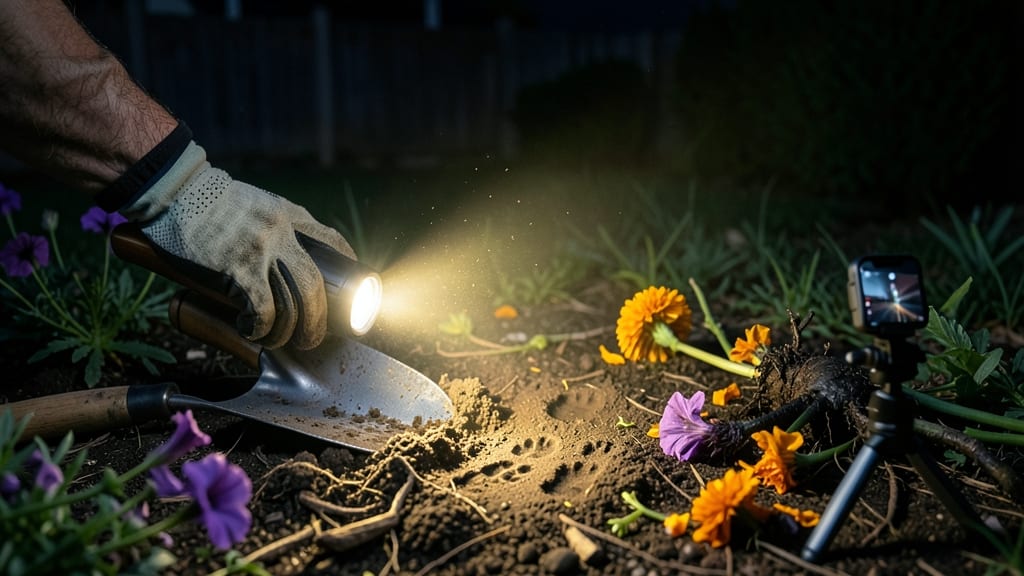
What is digging in my flower bed at night? It’s not just getting dug—it’s being raided after dark. 🌙 Raccoons, armadillos, and moles leave behind telltale signs: torn roots, scattered soil, and those mysterious holes that vanish by morning.
I’ve spent years tracking down these midnight gardeners, and I’ll help you spot their tracks before they wreck your blooms.
Raccoons create wide, shallow craters and scatter debris like they’re running a buffet. Armadillos leave neat, golf-ball-sized holes in straight lines, while moles tunnel underground, popping up as small, volcano-shaped mounds.
The damage isn’t just cosmetic—it uproots plants and invites pests. But here’s the good news: once you know who’s guilty, you can outsmart them with humane tricks.
Start with simple fixes like chicken wire barriers or gravel-filled trenches—these stop diggers without harming them. For raccoons, secure trash cans and remove easy snacks. Moles? Castor oil or sonic spikes can deter them without chemicals.
If the problem persists, it’s time to call a wildlife professional who knows how to handle these critters safely.
Regional differences matter: armadillos thrive in the South, while moles love damp Northern climates. Wherever you garden, the key is acting fast—before your flower bed becomes a nightly construction site. Let’s turn those midnight raids into history.
Nocturnal Garden Invaders Explained
If you’ve ever crept outside after dark to find your flower bed turned into a construction site, you’re not alone. 🌙🕵️♂️ Nighttime digging is a common—and often frustrating—sign that something is feasting on your plants under the cover of darkness. But why does this happen?
The answer lies in the natural behaviors, survival instincts, and ecological roles of the creatures lurking in your garden. Let’s break down the key reasons behind these midnight excavations, so you can identify the culprit and take targeted action.
Moles, voles, and mice are among the most notorious nighttime diggers, each with distinct tunneling habits and motivations.
- Moles: These solitary, insectivorous mammals create shallow, winding tunnels (about 2 inches below the surface) to hunt for grubs, worms, and larvae. Their digging is primarily driven by food availability—if your soil is rich in organic matter, they’ll see it as an all-you-can-eat buffet. Moles are also territorial, so a single mole can transform a small garden into a labyrinth in weeks. 🌱🚫
- Voles: Often mistaken for mice, voles are actually rodents that love to munch on roots, bulbs, and stems. Unlike moles, they don’t dig deep tunnels; instead, they create shallow, irregular burrows (1–3 inches deep) and surface runways through mulch or grass. Their digging is a byproduct of feasting on plant matter—they’ll tunnel to access hidden food sources like tulip bulbs or daylily rhizomes.
- Mice: While not as prolific diggers as moles or voles, mice will burrow to nest, escape predators, or store food. Their tunnels are usually shallow (1–2 inches) and irregularly shaped, often leading to hidden chambers where they stash seeds or chewed plant material.
💡 Pro Tip: If the tunnels are shallow, jagged, and lead to missing plants or chewed roots, voles or mice are likely the culprits. Moles, on the other hand, create smooth, winding tunnels without surface damage—unless they’re also raiding your garden for snacks.
Not all nighttime diggers are large enough to see with the naked eye. Insects like grubs, cutworms, and pill bugs can turn your flower bed into a buffet zone after dark, leaving behind telltale signs of their activity.
- Japanese Beetle Grubs: These C-shaped larvae burrow into the soil to feed on grass roots and plant roots, weakening or killing plants. Their digging is most active in late summer and fall, and their tunnels can be 1–2 inches deep. Heavy infestations can create a spongy, patchy lawn where grass pulls up easily.
- Cutworms: These caterpillars don’t dig deep tunnels but instead chew through stems at soil level and retreat underground to hide during the day. At night, they emerge to feed, creating small, shallow depressions where they’ve been gnawing.
- Pill Bugs & Millipedes: While not destructive, these arthropods tunnel through leaf litter and mulch to decompose organic matter. Their activity is more about breaking down dead plant material than harming living plants, but their presence can still create a loose, disturbed soil surface.
🔍 Look for: Small holes near the base of plants, uneven soil surfaces, or wilted plants that snap easily at the soil line—these are red flags for insect activity.
Not all nocturnal garden invaders are mammals or insects. Some reptiles and amphibians also contribute to nighttime digging, though their motives are less about destruction and more about survival and reproduction.
- Snakes: Many snake species (like garter snakes or rat snakes) dig shallow burrows to hunt for rodents, insects, or amphibians. Their tunnels are temporary and irregular, often leading to a hidden prey item. If you spot a snake slithering away after dark, it’s likely just passing through—but its digging can still disturb plant roots.
- Toads & Salamanders: These amphibians dig small, temporary burrows to lay eggs or escape dry conditions. Their digging is usually localized and minor, but it can create shallow depressions in moist soil, especially near water sources.
- Lizards (e.g., Skinks or Geckos): Some lizards dig to create shelters or hunt for insects. Their tunnels are shallow and often abandoned quickly, but they can still contribute to soil disturbance in sunny, dry gardens.
🌿 Good news: These creatures are generally beneficial (e.g., snakes control rodent populations), but their digging can still be a nuisance if you’re trying to keep your flower bed pristine.
If the digging in your flower bed is massive, chaotic, and accompanied by overturned pots or scattered mulch, you might have a larger visitor—like a raccoon, opossum, or even a skunk.
These animals dig for food, nesting material, or shelter, and their nighttime raids can leave your garden looking like a war zone.
- Raccoons: Known for their dexterous paws, raccoons dig to uncover grubs, worms, or hidden food (like fallen fruit or pet food). They’ll also flip through mulch and soil to find insects, leaving behind large, irregular holes.
- Opossums: These nocturnal omnivores dig to forage for insects, small vertebrates, or even pet food. Their digging is often superficial but widespread, and they may create multiple shallow holes in a single night.
- Skunks: While not as destructive as raccoons, skunks dig to hunt for grubs, larvae, or small rodents. Their holes are usually smaller and less chaotic, but they can still damage plant roots.
🚨 Warning Signs: Look for overturned containers, scattered debris, or large piles of dug-up soil. These animals often leave claw marks or paw prints around the edges of their dig sites.
Understanding why these creatures are digging at night is the first step in addressing the problem. Each type of digger has unique behaviors, triggers, and preferences—whether it’s food, shelter, or territory.
Once you identify the culprit, you can tailor your defense strategy to disrupt their habits without harming your garden (or the critters themselves). Stay tuned for our next section on how to evict these nocturnal nuisances for good!
Stop Nighttime Garden Invaders
Discovering mysterious digging in your flower bed at night can feel like a garden mystery, but don’t worry—most culprits are easy to identify and even easier to deter. Below, we’ve mapped out practical solutions tailored to the most common nighttime diggers, from sneaky raccoons to mischievous moles.
Each fix is designed to be simple, effective, and garden-friendly, so you can reclaim your flower bed without frustration.
Raccoons are clever, dexterous, and love to snack on bulbs, roots, and even pet food left nearby. Their digging is often messy and wide-spread, leaving behind scattered soil and half-eaten plants.
How to Fix It:
- 🔥 Block Their Access – Install a hardware cloth barrier (1/4-inch mesh) around garden beds, burying it at least 12 inches deep to prevent digging underneath. Secure the top with bending it outward so raccoons can’t climb over.
- 🍳 Remove Food Sources – Store trash cans in lockable bins and keep pet food indoors. Raccoons are opportunists—eliminate temptation!
- 👨🍳 Use Motion-Activated Lights – These creatures are nocturnal but hate bright lights. A solar-powered motion light near the garden can startle them away.
- 🥘 Try Repellents – Spray hot pepper wax (peppers + wax mixture) around the perimeter—the spicy scent deters them naturally.
💡 Prevention Tips:
- 🌡️ Secure Compost Piles – Raccoons love digging through compost. Use a lidded bin or place it in a hard-to-reach spot.
- 🎯 Avoid Feeding Wildlife – Even birdseed on the ground can attract raccoons. Opt for hanging feeders instead.
Moles create raised, winding ridges in your lawn and garden, often accompanied by small holes where they’ve unearthed worms or grubs. Unlike raccoons, they don’t eat plants—they’re after insects.
How to Fix It:
- ⏰ Castor Oil Repellent – Mix 2 tbsp castor oil + 1 tsp dish soap + 1 gallon of water in a spray bottle. Apply to tunnels—the strong smell drives moles away. Reapply after rain.
- 🔪 Break Up Tunnels – Use a garden fork to collapse their tunnels (this won’t harm them but disrupts their habitat).
- 🌱 Encourage Natural Predators – Attract owls, snakes, or foxes by creating a wildlife-friendly yard with brush piles or native plants.
💡 Prevention Tips:
- 🔥 Reduce Grub Populations – Moles love grubs! Apply beneficial nematodes or milky spore to your lawn to cut down on their food supply.
- ✨ Avoid Poison Baits – These can harm pets and other wildlife. Opt for humane methods first.
Squirrels dig shallow holes to bury nuts or escape predators. Their digging is usually small and scattered, often near trees or garden edges.
How to Fix It:
- 🔥 Install Squirrel-Proof Fencing – Use 1/2-inch hardware cloth buried 1 foot deep around vulnerable areas.
- 🍳 Remove Hidden Food – Check for buried nuts or fallen fruit—squirrels will keep digging if food is nearby.
- 👨🍳 Use Spikes or Prickers – Plastic or metal spikes (like those for deer) can deter squirrels from climbing or digging near plants.
💡 Prevention Tips:
- 🌡️ Secure Bird Feeders – Use squirrel-proof feeders or place them far from trees.
- 🎯 Plant Deterrents – Squirrels dislike daffodils, alliums, and marigolds. Plant these near high-risk areas.
If you have dogs or cats, their digging—especially at night—might be due to boredom, anxiety, or hunting instincts.
How to Fix It:
- 🔥 Provide Enrichment – Digging pits filled with sand or interactive toys can redirect their energy.
- 🍳 Supervise or Limit Access – If your pet digs when left alone, block off the garden with a temporary fence or baby gates.
- 👨🍳 Train with Commands – Teach "leave it" or "stay" to discourage unwanted digging.
💡 Prevention Tips:
- 🌡️ Exercise Before Dark – A long walk or play session before nightfall can tire them out.
- ✨ Use Calming Aids – Pheromone diffusers or calming treats may help anxious pets.
If you’re unsure who’s digging, try these universal solutions:
| Method | How to Use | Effectiveness |
|---|---|---|
| 🔦 Motion-Activated Sprinklers | Place near garden beds—startles animals with a sudden spray of water. | ⭐⭐⭐⭐ |
| 🌿 Strong Scents | Sprinkle coffee grounds, garlic, or vinegar around the perimeter. | ⭐⭐⭐ |
| 🔪 Chicken Wire Barriers | Bury 12-inch deep around beds to block digging (remove after a few weeks). | ⭐⭐⭐⭐ |
| 🎵 Noise Deterrents | Wind chimes, radio noise, or predator urine (fox/coyote) sprays. | ⭐⭐ (temporary) |
Most nighttime diggers are just looking for food, shelter, or fun—not trying to ruin your garden. By combining physical barriers, scent deterrents, and habitat adjustments, you can outsmart even the most persistent garden pests.
Start with one or two methods, monitor the results, and adjust as needed. Before you know it, your flower bed will be quiet, safe, and thriving—without any midnight intruders! 🌸🚫🐾
Frequently asked questions
What are the most common signs that raccoons are digging in my flower bed?
Look for wide, shallow craters (often 6-12 inches across) with scattered soil and debris. Raccoons leave messy digging sites and may overturn pots or scatter mulch. Check for claw marks on surfaces and paw prints near the holes—these are classic raccoon signs. They often dig near compost piles or trash cans too.
How can I tell if moles or voles are the culprits instead of raccoons?
Moles create raised, winding ridges in the soil (like subterranean highways) and pop up as small, volcano-shaped mounds. Voles, however, leave shallow, irregular tunnels (1-3 inches deep) and often chew on plant roots or bulbs. Look for uneven soil surfaces or plants that snap easily at the base—these are vole red flags.
Are there any humane ways to deter nocturnal diggers without harming them?
For raccoons, try motion-activated lights or hot pepper wax sprays. Moles dislike castor oil repellent (mix 2 tbsp castor oil + 1 tsp dish soap + 1 gallon water). For all diggers, chicken wire barriers (buried 12 inches deep) work wonders. Avoid poison baits—they can harm pets and other wildlife.
Will my pets (dogs/cats) be safe if I use these deterrents?
Most humane deterrents are pet-safe! Castor oil and hot pepper wax are non-toxic when used as directed. However, always keep pets away while applying sprays. Avoid predator urine products (like fox urine) if your pets might ingest them. For physical barriers, ensure wires are buried securely so curious pets can't dig them up.
When should I call a professional pest control service?
If you've tried humane methods for 4-6 weeks with no improvement, or if the digging is causing significant damage, it's time to call an expert. Also contact them if you spot live animals (like raccoons or skunks) during the day—they may need relocation. For moles, professionals can use targeted repellents or exclusion methods that work faster than DIY solutions.